


Social proof and micro-communities help brands build trust, deepen engagement, and create lasting loyalty in the digital age. By leveraging customer feedback, shared experiences, and reward systems, businesses transform audiences into connected communities and powerful brand advocates.
Customer Bonding Digital Age Building authentic bonds with customers has taken on a whole new meaning in the digital age. With countless brands vying for attention, how can businesses stand out and forge meaningful connections? The answer lies in harnessing social proof and cultivating micro-communities. These strategies not only establish trust but also foster loyalty, helping businesses thrive in an increasingly competitive marketplace.
Why Customer Bonding Is More Important Than Ever

Today’s customers expect more than just products or services; they seek brands that resonate with their values, solve their problems, and foster a sense of belonging. Enter customer bonding––the art of building trust, connection, and loyalty with your audience.
With the rise of social media, online reviews, and algorithms that amplify peer-to-peer conversations, brands now have incredible opportunities to connect with their audiences in more personal ways. However, the challenge is no longer just about reaching your audience; it’s about developing trust in a world full of noise.
This is where social proof and micro-communities come in.
Why Buyers Believe People Over Brands
In the digital landscape, trust has become a form of currency. Consumers are exposed to thousands of ads daily, making them increasingly skeptical of direct brand messaging. Instead, they rely on peer validation, shared experiences, and community-driven recommendations before making decisions. This shift has created what experts call the “trust economy,” where credibility is earned through visibility, transparency, and collective approval rather than polished marketing claims.
The Evolution of Customer Bonding Digital Age
Customer bonding digital age is no longer built through one-way communication. Brands must actively listen, respond, and evolve based on customer feedback. Every review, comment, and shared experience now acts as a trust signal that shapes how new customers perceive a brand. Businesses that prioritize transparency and engagement are rebuilding spontaneous community around their products, creating loyal audiences that stay connected far beyond a single purchase.
Algorithms Now Reward Human Engagement
Modern platforms prioritize content that sparks conversations and interactions. This means brands that generate authentic engagement through reviews, community discussions, and shared stories are more likely to gain organic visibility. Social proof and micro-communities do not just build trust — they also work with algorithms to amplify brand reach naturally, making community-driven marketing both emotionally and strategically powerful.
What Is Social Proof, and Why Does It Work?
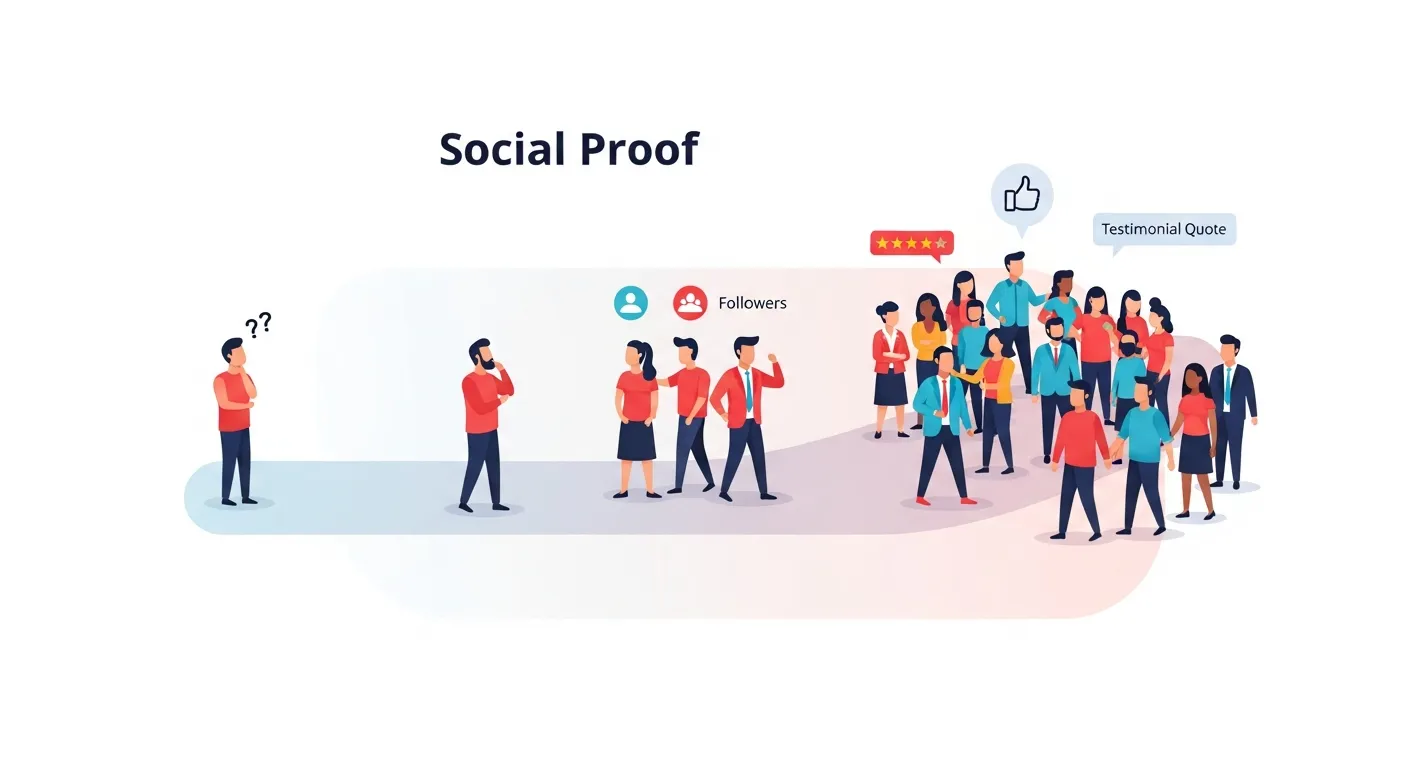
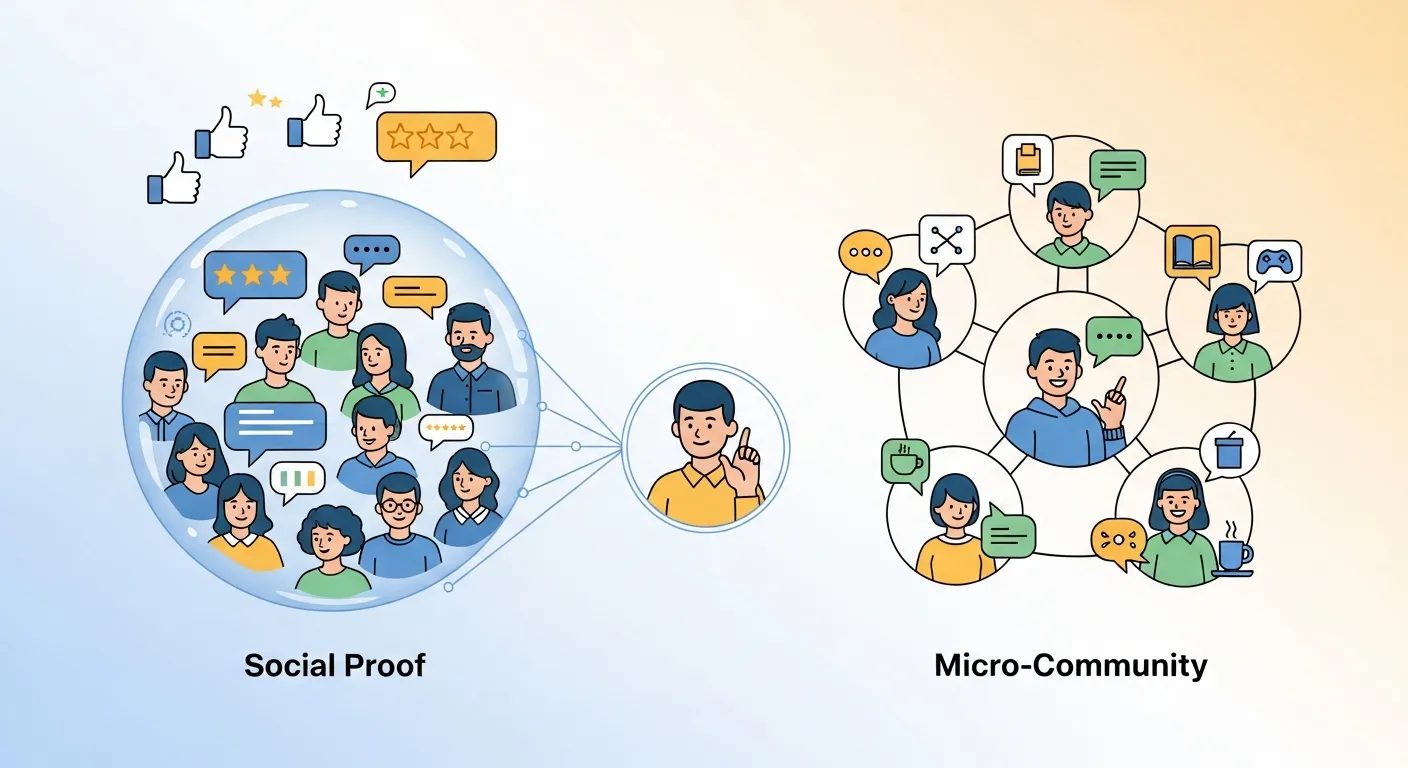
Social proof is the psychological phenomenon where people look to others’ behavior or opinions to inform their decisions. Simply put, when potential customers see others using, loving, or endorsing your products, they are more likely to trust your brand and make a purchase.
Types of Social Proof That Build Customer Trust
Social Proof as a Conversion Accelerator
Beyond credibility, social proof directly impacts conversion speed. When potential customers see multiple validation signals at once — such as ratings, testimonials, influencer mentions, and UGC — their hesitation decreases dramatically. This layered trust reduces decision friction and shortens the buyer journey, making social proof one of the most powerful psychological triggers in digital marketing.
Customer Reviews and Ratings
Displaying honest reviews and ratings can significantly influence buying decisions. Studies show that 93% of customers read online reviews before purchasing, and 84% trust them as much as personal recommendations.
Customer Reviews as Real-Time Customer Feedback
Customer reviews are one of the strongest forms of customer feedback because they come directly from real users. In customer bonding digital age, these public opinions function as social validation and influence purchasing decisions instantly. When brands respond to both positive and negative reviews, they demonstrate accountability, strengthening trust and deepening customer bonding. Reviews don’t just inform buyers — they help build an interactive community where customers feel heard and valued.
Testimonials and Case Studies
Highlighting real customers’ experiences with your product or service adds credibility. Sharing specific, measurable outcomes (e.g., “Michael increased his productivity by 35% using [product name]”) can drive even more impact.
User-Generated Content (UGC)
Photos, videos, or testimonials created by your customers naturally build trust because they provide an authentic representation of your brand.
Endorsements from Influencers
Leveraging influencers or industry thought leaders fosters credibility. Micro-influencers, in particular, can connect with niche audiences and create genuine bonds.
Awards and Certifications
Highlighting awards, certifications, or milestones serves as a symbol of your trustworthiness and expertise in your niche.
Example
Nike’s social media campaigns showcasing athletes wearing its products inspire action while creating a sense of community and trust. Customers see themselves as part of the Nike family, creating a lasting bond.
Understanding the Power of Micro-Communities
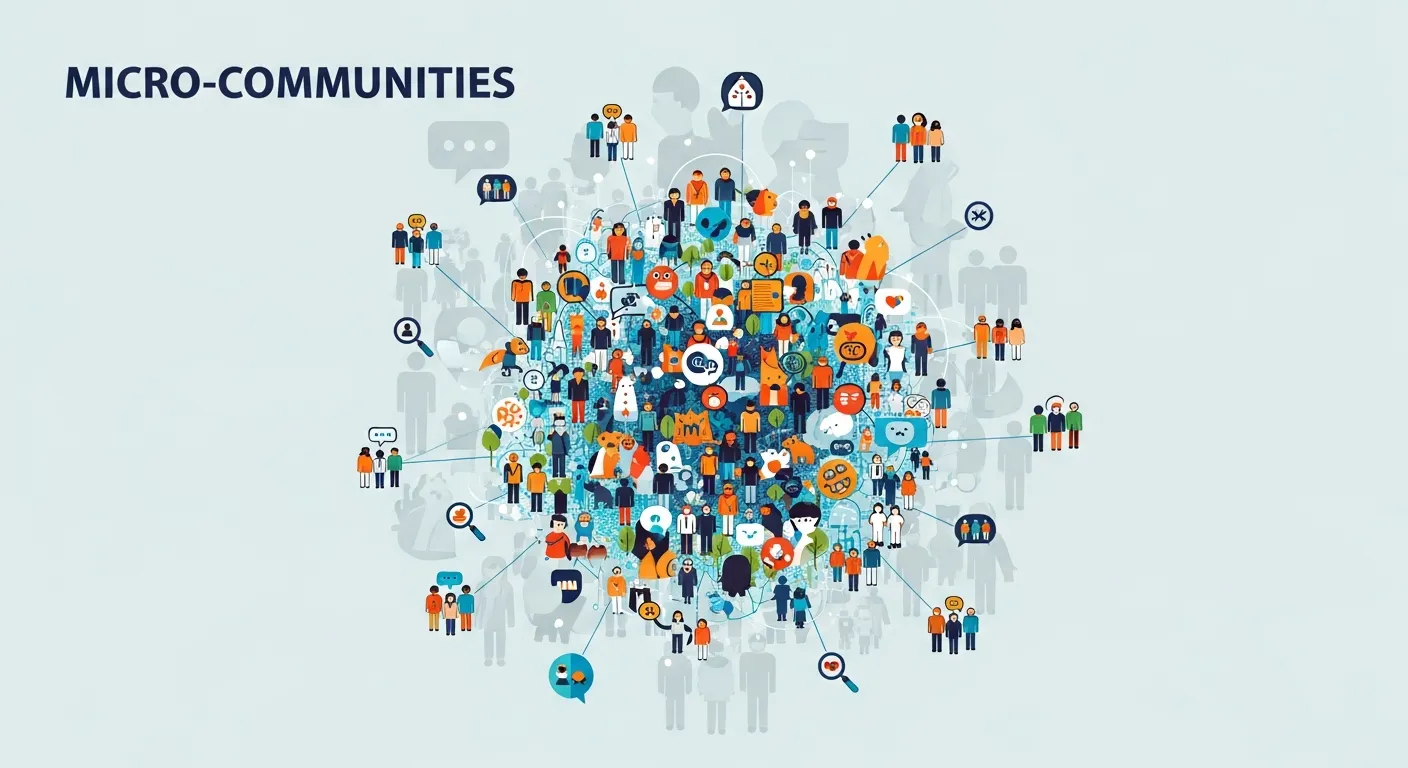
Micro-communities are smaller, tightly-knit groups of customers who share common interests, goals, or values. Unlike broad, general audiences, micro-communities provide a more personalized way to build relationships with customers.
Emotional Safety Drives Participation
Micro-communities thrive because they create emotionally safe spaces where members feel comfortable sharing opinions, asking questions, and giving feedback. Unlike large public audiences, these smaller environments reduce social pressure and encourage genuine interaction. This emotional openness is what allows brands to build deeper loyalty and extract valuable customer insights.
Micro-Communities and Rebuilding Spontaneous Community
Micro-communities play a powerful role in rebuilding spontaneous community within digital spaces. Instead of targeting a broad audience, brands can create smaller, focused groups where members connect through shared interests and goals. This environment encourages richer conversations, more authentic customer feedback, and stronger emotional connections. In customer bonding digital age, these niche communities become trust-driven ecosystems that naturally boost loyalty and advocacy.
Why Micro-Communities Work
- Focused Engagement: They provide a sense of exclusivity and belonging, fostering meaningful one-on-one or small-group interactions.
- Higher Retention Rates: Members of micro-communities are more likely to stay loyal. They feel like valued contributors, not just consumers.
- Peer Influence: Members share opinions and experiences, influencing others in the group to try your products and stay connected with the brand.
- Collaborative Feedback: They allow you to co-create products, services, or events with loyal customers, helping you stay ahead of market trends.
Micro-Communities Turn Customers Into Contributors
When customers feel like contributors rather than buyers, their relationship with the brand changes. They participate in discussions, offer suggestions, defend the brand publicly, and even help onboard new members. This transformation strengthens long-term retention and creates an organic advocacy loop that continuously fuels brand growth.
Example
Starbucks’ “My Starbucks Idea” is the perfect illustration. Customers could share their ideas for new drinks or menu changes, creating an interactive and collaborative community that drove innovation and customer loyalty.
How to Use Social Proof and Micro-Communities to Bond with Customers
 Showcase Stories, Not Just Numbers
Use real-life stories and examples to humanize your social proof. Instead of “500,000 sold,” highlight the story of a specific customer who saw incredible results. Testimonials backed by data are even more powerful. (“Company XYZ saved 20 hours a week with our software, letting them close 30% more sales.”)
Spotlight User-Generated Content
Encourage your customers to share content about your products or services, and celebrate them! Feature the best UGC on your social pages and website to turn your audience into your brand ambassadors.
Build Niche Online Groups
Create private Facebook groups, Slack channels, or Discord communities where your customers can interact, share tips, and connect directly with your brand. Focus on creating value in these spaces rather than using them as sales platforms.
Collaborate With Micro-Influencers
Identify influencers who truly align with your brand’s values and target customers. Their authentic recommendations carry more weight among their followers than impersonal ads.
Leverage Social Media Proof
Platforms like Instagram enable you to showcase social proof effortlessly. From “Tag us to get featured” campaigns to pinned Story highlights of testimonials, it’s an easy win for building trust.
Reward Your Community’s Efforts
Keep your micro-community engaged with shoutouts, exclusive first looks, loyalty points, and personalized offers. This makes them feel appreciated and reinforces loyalty.
Reward Systems That Strengthen Customer Bonding
Reward systems help sustain engagement and encourage continuous customer feedback. When community members receive recognition through shoutouts, exclusive perks, or loyalty rewards, they feel appreciated and become more active participants. This cycle of contribution and appreciation strengthens community ties and plays a vital role in customer bonding digital age by transforming casual customers into loyal brand advocates.
Real-World Examples of Customer Bonding Done Right
- Glossier: Known for building a strong community by engaging with customers on social media and using their UGC in campaigns. Glossier fans feel like they are co-creators of the brand.
- Peloton: Taps into micro-communities by fostering a passionate fitness-lovers’ space. Its supportive online community boosts motivation, making customers feel part of something bigger.
- Airbnb: Uses social proof in its user reviews, which play a crucial role in building trust among both hosts and travelers.
Human-Centered Community as the Core of Digital Customer Bonding
At its heart, customer bonding digital age is about creating meaningful human connections. Social proof attracts customers, but community keeps them emotionally invested. Brands that combine authentic customer feedback with strong micro-community engagement build digital environments where customers feel connected, supported, and loyal. This emotional trust is what turns ordinary users into long-term members of a thriving brand community.
Bring the Human Element to the Digital Age
While technology connects brands with millions of people at once, it’s the human touch that truly drives customer bonding. Social proof builds trust by showing your audience that others value your brand, and micro-communities offer a sense of belonging that keeps customers engaged and loyal. Together, these strategies can create meaningful relationships with your customers that stand the test of time.
If you’re ready to take your customer bonding to the next level, it’s time to act. Start small, experiment with user-generated content or create a micro-community that reflects your brand’s vision. And don’t forget to measure your results, adjust your approach, and continuously improve.
Conclusion
Customer bonding digital age depends on authenticity, trust, and community-driven engagement. Social proof reassures potential buyers by showing real customer experiences, while micro-communities nurture deeper emotional connections and long-term loyalty. Together, they shift marketing from persuasion to participation. Brands that actively listen, showcase real voices, and reward community involvement don’t just gain customers — they build ecosystems of advocates who continuously strengthen brand credibility and sustainable growth.
FAQs
1. What is customer bonding digital age?
Customer bonding digital age refers to building strong, trust-based relationships with customers through continuous engagement, transparent communication, personalized interactions, and shared digital experiences across platforms.
2. Why is social proof important for businesses?
Social proof increases credibility and reduces buyer hesitation by showing that real customers already trust, use, and recommend your brand, which strongly influences purchasing decisions.
3. What are examples of social proof?
Common examples include customer reviews and ratings, testimonials, user-generated content (UGC), influencer endorsements, awards, certifications, and publicly shared success stories.
4. How do customer reviews impact trust?
Customer reviews act as real-time public feedback that helps new buyers evaluate product quality and reliability, making them a major factor in building brand trust.
5. What are micro-communities?
Micro-communities are small, focused groups of customers connected by shared interests, goals, or values who actively engage with a brand and with each other.
6. Why are micro-communities effective?
They foster deeper relationships, higher engagement, stronger loyalty, and powerful peer influence because members feel personally connected and valued.
7. How can businesses create micro-communities?
Businesses can build micro-communities through private groups, niche social channels, forums, loyalty clubs, or dedicated spaces centered around shared interests.
8. What role do influencers play in customer bonding?
Influencers build trust by acting as relatable voices who introduce brands to targeted audiences through authentic recommendations and personal storytelling.
9. How does UGC strengthen brand credibility?
UGC provides genuine customer experiences in the form of photos, videos, and reviews, making brands appear more trustworthy and socially validated.
10. How do rewards help micro-communities grow?
Rewards motivate participation, encourage ongoing engagement, and strengthen emotional loyalty by making members feel recognized and appreciated.
11. Can small businesses use these strategies?
Absolutely. Small businesses can effectively use reviews, community groups, and micro-influencers to build strong trust and loyal customer relationships.
12. What is the main benefit of combining social proof and micro-communities?
Together, they create a trust-driven brand ecosystem where customers influence each other, boost credibility, and become long-term advocates for sustainable growth.