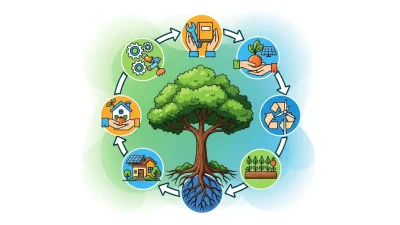


Community Asset Mapping identifies local strengths like skills, institutions, relationships, and shared experiences to support inclusive development, participatory leadership, strong Community Building, and long-term resilience through community-driven planning that empowers residents and guides sustainable growth.
Community asset mapping is a powerful way to explore the strengths of a neighborhood, town, or region. Instead of looking at problems or needs, it focuses on what already exists. These local resources can include schools, parks, libraries, small businesses, social networks, and cultural traditions. By mapping these assets, communities can see their strengths clearly. This approach helps residents work together, build strong connections, and plan for sustainable development. When done carefully, community asset mapping becomes a blueprint for long-term growth and positive change.
Why Community Asset Mapping Matters?
Traditional planning often focuses on problems—crime areas, empty buildings, or gaps in social services. While these needs assessments are useful, they can sometimes make communities feel dependent. Community asset mapping takes a different approach. It highlights local resources and neighborhood strengths, such as schools, parks, local businesses, social networks, and cultural traditions.
By identifying these assets, community leaders empower residents to take ownership of projects, collaborate, and innovate. This strengths-based approach boosts community morale and engagement. It also attracts partnerships, funding, and support that align with the positive story of local success. In short, asset mapping helps communities see what works and use it to grow sustainably.
Community Asset Mapping for Inclusive Development

Community Asset Mapping supports inclusive development by ensuring that every group within a community is recognized and valued. Through participatory asset mapping, voices from marginalized populations, informal workers, youth, and elders are included in decision-making. This inclusive approach strengthens Community Building by reducing power imbalances and creating equal opportunities for participation. When communities map assets collectively, development becomes more equitable and reflective of shared community experiences.
Community Asset Mapping and Community Building
Community Asset Mapping plays a central role in effective Community Building by strengthening relationships among residents, organizations, and local leaders. When people work together to identify assets, they begin to recognize shared goals and collective potential. This collaborative process builds trust, encourages participation, and creates a sense of ownership over community initiatives. Rather than relying on external solutions, Community Asset Mapping supports community-driven action rooted in local strengths, making Community Building more inclusive, resilient, and sustainable over time.
Engage and Mobilize Stakeholders
The first step in community asset mapping is assembling a diverse task force. Include long-time residents, business owners, nonprofit leaders, educators, faith-based organizations, and youth representatives. Hold a kickoff meeting or listening session to explain the process, set clear goals, and establish communication channels. Engagement at this stage builds trust and ensures broad perspectives are woven into the map.
Participatory Asset Mapping: Involving the Community Directly
Participatory asset mapping ensures that Community Asset Mapping is led by the people who know the neighborhood best—its residents. By actively involving community members in data collection, storytelling, and validation, participatory asset mapping captures lived experiences that traditional surveys often miss. This inclusive approach strengthens Community Building, increases trust in the process, and ensures the asset map reflects real community knowledge. When residents actively participate, they become long-term stewards of the map and its outcomes.
Define Asset Categories
Next, categorize community assets into manageable groups. Common categories include:
- Physical Assets: parks, libraries, clinics, community centers
- Economic Assets: local businesses, cooperatives, job-training programs
- Social Assets: clubs, faith communities, volunteer networks
- Cultural Assets: heritage sites, festivals, artists
- Skills and Knowledge: resident talents, tradespeople, educators
Clear categories help volunteers focus their research and ensure the final map represents the full spectrum of local strengths.
Shared Community Experiences as Valuable Assets

Beyond physical spaces and institutions, shared community experiences are powerful yet often overlooked assets in Community Asset Mapping. Local traditions, neighborhood celebrations, mutual aid efforts, and collective memories contribute to social cohesion and identity. These shared community experiences strengthen relationships, preserve cultural heritage, and reinforce a sense of belonging. Including them in Community Asset Mapping helps communities recognize emotional and social capital as key drivers of sustainable development.
Collect and Verify Information
Data collection can be both high-tech and high-touch. Use online surveys, mobile data-collection apps, and GIS tools alongside door-to-door interviews, focus groups, and community workshops. Encourage residents to submit photos, stories, or historical anecdotes that illustrate asset significance. Verification is vital: cross-reference inputs, confirm locations, and vet information with subject-matter experts to ensure accuracy.
Community Asset Mapping as a Tool for Local Leadership Development
Community Asset Mapping also supports local leadership development by uncovering hidden talents and informal leaders within the community. Through participatory asset mapping, residents with organizing skills, technical knowledge, or cultural expertise naturally emerge. Recognizing these individuals strengthens Community Building efforts and ensures leadership is distributed rather than centralized. This approach creates a stronger foundation for long-term community-led initiatives.
Visualize the Asset Map
With verified data in hand, create a visual map that’s both informative and accessible. Digital mapping platforms like ArcGIS Online, Google My Maps, or open-source QGIS enable layering of different asset categories, interactive pop-ups, and searchable features. If digital access is limited, develop large printed maps for town halls or community centers. Color-code categories and add icons or photos to bring the map to life.
Digital Tools in Community Asset Mapping
Modern Community Asset Mapping increasingly relies on digital tools to improve accessibility and collaboration. Online maps, mobile data collection apps, and open-source platforms allow communities to update assets in real time. These tools support participatory asset mapping by enabling residents to contribute information directly, regardless of location. When combined with offline engagement, digital Community Asset Mapping strengthens Community Building while ensuring broader participation.
Activate and Sustain the Network
An asset map is only valuable if it informs action. Host a launch event to unveil the map and celebrate contributors. Form working groups around strategic priorities, such as safe routes to school, small business development, cultural heritage tourism, or youth engagement. Embed the map in local planning processes, grant applications, and community communications. Regular updates and annual reviews will keep the resource current and relevant.
Youth Engagement Through Participatory Asset Mapping
Engaging young people in Community Asset Mapping creates long-term impact. Through participatory asset mapping, youth contribute fresh perspectives, digital skills, and creative ideas. This involvement strengthens Community Building by connecting generations and fostering leadership among younger residents. Including youth also helps preserve shared community experiences while preparing future community leaders.
Strengthening Shared Ownership Through Asset Mapping

One of the greatest benefits of Community Asset Mapping is the sense of shared ownership it creates. When residents see their contributions reflected in the map—whether skills, spaces, or shared community experiences—they feel responsible for sustaining the outcomes. This shared ownership encourages long-term participation, strengthens Community Building, and ensures that development initiatives remain community-driven rather than externally imposed.
Case Study: Maplewood Neighborhood Collective
In 2019, the Maplewood Neighborhood Collective faced declining youth engagement and underutilized public spaces. By implementing an asset-mapping process, neighbors identified a thriving skateboarding subculture, unused basketball courts, and local artisans willing to mentor youth. The resulting asset map guided the establishment of a skatepark-art mural project that doubled youth participation in community events and attracted city support for further park revitalizations.
Community Asset Mapping and Local Economic Development
Community Asset Mapping plays a critical role in local economic development by identifying existing businesses, skills, and entrepreneurial potential. By mapping economic assets through participatory asset mapping, communities can support local supply chains, promote small businesses, and encourage job creation. This approach reinforces Community Building by keeping resources within the community and aligning economic growth with shared community experiences.
Best Practices for Success
- Ensure Inclusivity: Reach out to underrepresented groups through targeted interviews and translation services.
- Leverage Technology: Use mobile apps for real-time data entry and QR codes on physical signage to link to digital assets.
- Foster Ownership: Train residents as citizen mappers who can update the map independently.
- Align with Policy: Integrate asset maps into comprehensive plans, zoning adjustments, and funding proposals.
- Measure Impact: Track improvements—economic indicators, event attendance, volunteer hours—to demonstrate value.
Using Community Asset Mapping for Grant Writing and Funding
Community Asset Mapping provides strong evidence for grant applications and funding proposals. Asset maps clearly demonstrate existing capacity, partnerships, and shared community experiences. Funders are more likely to support projects rooted in Community Building and participatory asset mapping, as these approaches show sustainability and local ownership. A well-documented asset map strengthens credibility and increases funding success.
Community Asset Mapping as a Living Document
Community Asset Mapping should be treated as a living document rather than a one-time project. As neighborhoods evolve, new assets emerge and shared community experiences change. Regular updates through participatory asset mapping keep the map relevant and useful. This ongoing process reinforces Community Building by encouraging continuous engagement and collaboration.
Overcoming Common Challenges
Resistance to change, data privacy concerns, and resource constraints can slow progress. Transparent communication, clear data-use agreements, and phased roll-outs help mitigate these obstacles. Partnering with local universities or tech hubs can help offset costs and provide access to technical expertise. Remember that the value of asset mapping is cumulative; early wins build momentum for more ambitious initiatives.
Community Asset Mapping and Long-Term Community Resilience
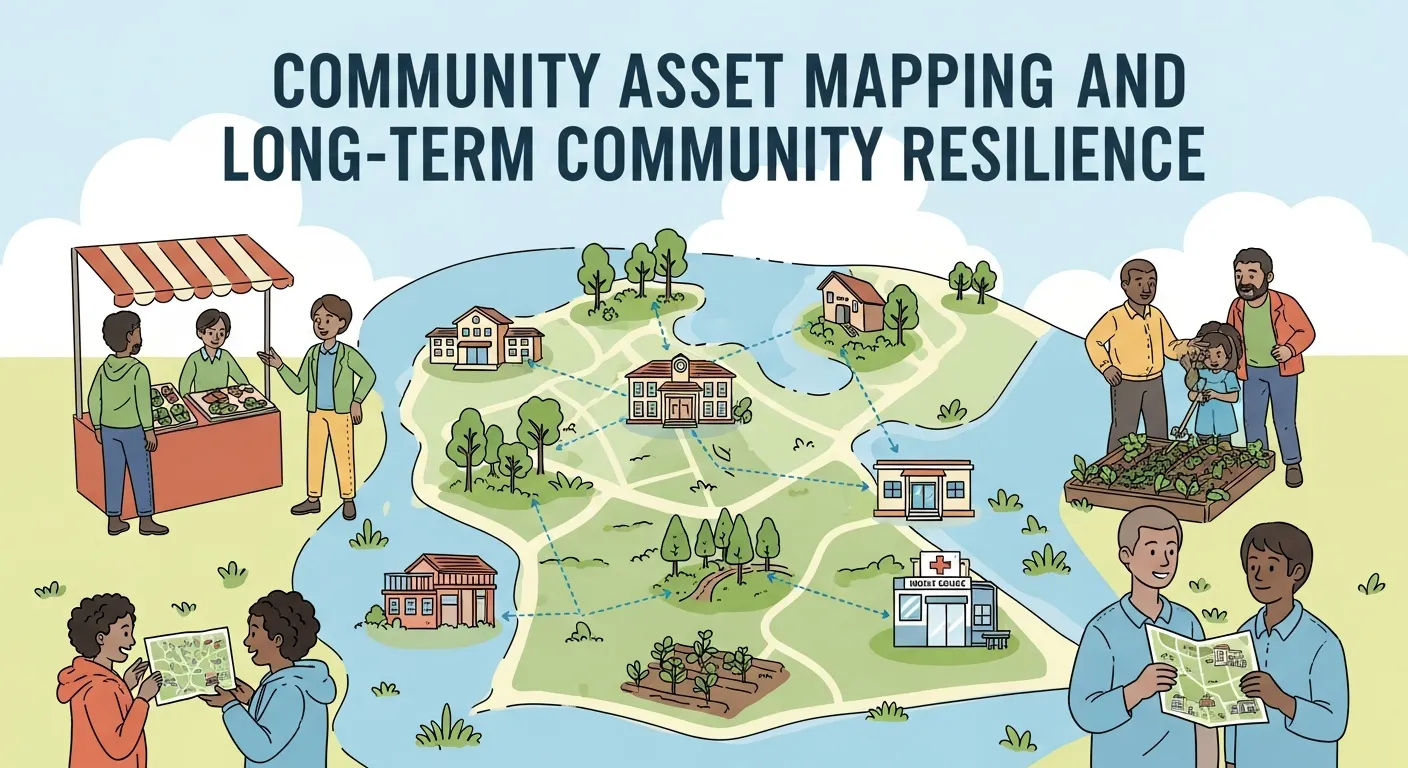
Community Asset Mapping contributes directly to long-term community resilience by helping neighborhoods adapt to change using existing strengths. Whether responding to economic shifts, environmental challenges, or social change, communities that understand their assets can mobilize faster and more effectively. By combining participatory asset mapping with strong Community Building practices, communities become better equipped to protect shared community experiences and sustain growth over time.
Conclusion: Building a Resilient Future
Community asset mapping turns ideas about potential into real, visible results. By identifying and using local resources—such as schools, parks, small businesses, social networks, and cultural traditions—neighborhoods can drive sustainable development that fits their unique context. Whether you are revitalizing a street, starting a community project, or boosting civic engagement through participatory budgeting, asset mapping provides a clear, step-by-step blueprint. Start mapping your community’s strengths today, and watch your collective vision come alive—both on the map and in everyday life.
Frequently Asked Questions (FAQs)
1. What is Community Asset Mapping?
Community Asset Mapping is a strengths-based approach that identifies existing resources, skills, organizations, and shared community experiences within a neighborhood or region.
2. How is Community Asset Mapping different from needs assessment?
Needs assessments focus on problems and gaps, while Community Asset Mapping highlights what already works and builds development around existing strengths.
3. Who should participate in Community Asset Mapping?
Residents, local leaders, youth, elders, small business owners, nonprofits, faith groups, and marginalized communities should all be included.
4. Why is participatory asset mapping important?
Participatory asset mapping ensures the process is community-led, reflects lived experiences, and strengthens trust, ownership, and long-term Community Building.
5. What types of assets are included in Community Asset Mapping?
Assets include physical spaces, economic resources, social networks, cultural traditions, shared community experiences, and resident skills.
6. How does Community Asset Mapping support inclusive development?
It gives equal visibility to all groups, reduces power imbalances, and ensures development decisions reflect diverse community voices.
7. Can Community Asset Mapping support local economic development?
Yes. It identifies local businesses, skills, and supply chains, helping communities strengthen internal economies and support entrepreneurship.
8. What tools are used for Community Asset Mapping?
Tools range from community workshops and interviews to digital platforms like GIS maps, mobile apps, and online surveys.
9. How does Community Asset Mapping strengthen Community Building?
By encouraging collaboration, shared ownership, and relationship-building, it creates trust and long-term community resilience.
10. How often should asset maps be updated?
Asset maps should be treated as living documents and updated regularly as communities evolve and new assets emerge.
11. Can asset mapping help with grants and funding?
Yes. Asset maps provide strong evidence of capacity, partnerships, and sustainability, making grant proposals more compelling.
12. What challenges can arise in Community Asset Mapping?
Common challenges include limited participation, data privacy concerns, and resource constraints, which can be addressed through transparency and phased approaches.