
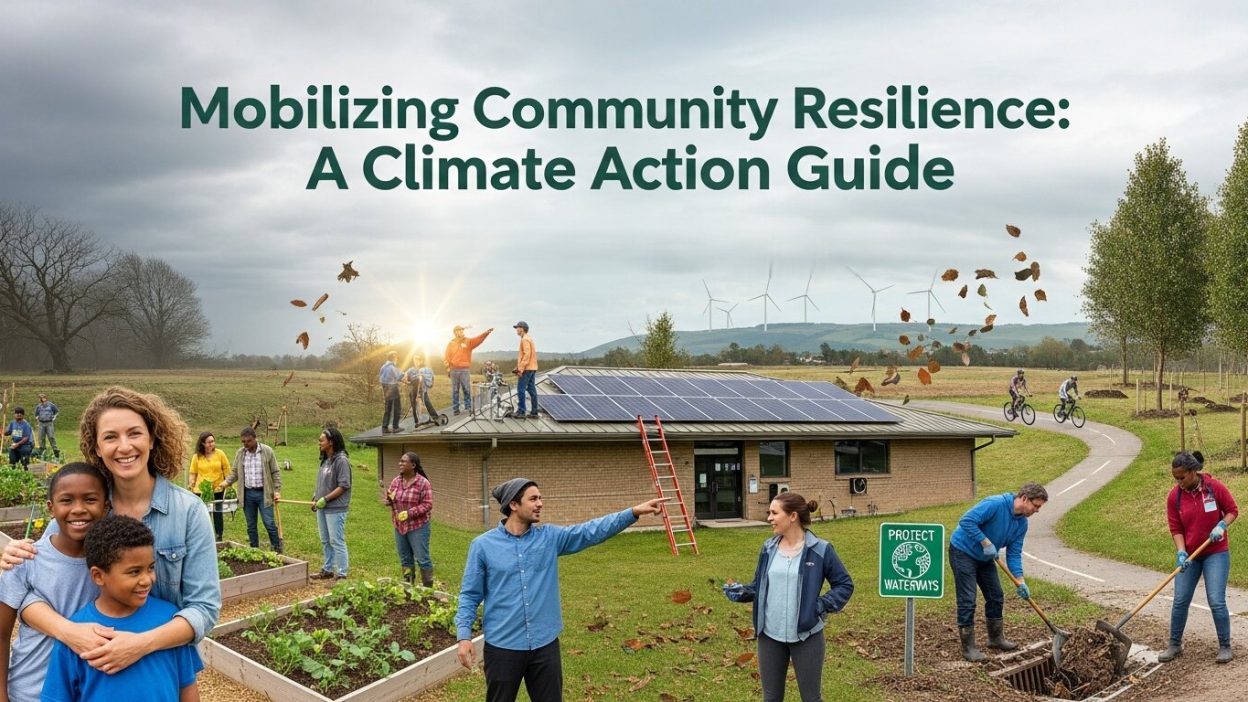
Climate adaptation communities strengthen resilience through local action, shared responsibility, and sustainable planning. They empower people with knowledge, innovation, and inclusion, helping societies adapt effectively to climate change and build a more secure future.
Climate adaptation communities are local groups that work together to reduce the impacts of climate change through cooperation, shared knowledge, and sustainable planning. These communities empower people to take collective action, improve resilience, and respond effectively to environmental risks. By combining local experience with innovative solutions, they build stronger, more adaptable societies prepared for future climate challenges and uncertainties ahead.
Understanding Climate Adaptation Communities
Climate adaptation communities are local or regional groups that work together to reduce vulnerability to climate change impacts. These communities prioritize shared knowledge, cooperation, and sustainable planning to strengthen resilience. The idea is rooted in collective responsibility, where individuals and institutions collaborate to address environmental risks. By integrating local experience with scientific insights, they create adaptive strategies that are both practical and inclusive. This model is especially effective in disaster-prone areas, where quick response and coordination are essential. Ultimately, climate adaptation communities serve as a foundation for building long-term environmental security and social stability, helping societies prepare for uncertain climate conditions more effectively and sustainably.
Importance of Local Engagement

Local engagement is the backbone of climate adaptation communities, ensuring that solutions are grounded in real-world experiences. When people actively participate, these communities become more effective in identifying risks and implementing responses. This engagement fosters trust, accountability, and long-term commitment among members. In many regions, local leaders and volunteers play a key role in spreading awareness and organizing climate action initiatives. By involving citizens directly, these groups ensure that no one is left behind during environmental challenges. Strong engagement also enhances resilience by promoting shared ownership of climate solutions, making community-based systems more adaptive, inclusive, and sustainable in the long run.
Bioregional Community Development
Bioregional Community Development plays a key role in shaping climate adaptation communities by focusing on natural ecosystems and regional resources. This approach encourages alignment between development strategies and local environmental conditions. It helps balance economic growth with ecological preservation while ensuring that water, land, and energy systems are used sustainably. By adopting bioregional principles, communities can reduce environmental pressure while improving resilience. This method also strengthens local economies by promoting sustainable agriculture and responsible resource management. As a result, these communities become more self-reliant and better prepared for climate-related disruptions, creating a healthier relationship between people and their natural environment.
Community-Powered Innovation
Innovation driven by local participation is a defining feature of climate adaptation communities. Community-Powered Innovation encourages residents to co-create solutions for climate challenges using local knowledge and creativity. This can include flood-resistant housing designs, water conservation systems, and renewable energy projects. Such innovation is highly effective because it reflects real needs and conditions. By fostering collaboration between citizens, experts, and policymakers, communities unlock new possibilities for sustainable development. This approach not only improves resilience but also empowers individuals to take ownership of climate solutions. Ultimately, these communities become hubs of creativity, problem-solving, and continuous improvement in response to environmental change.
Risk Awareness and Climate Education
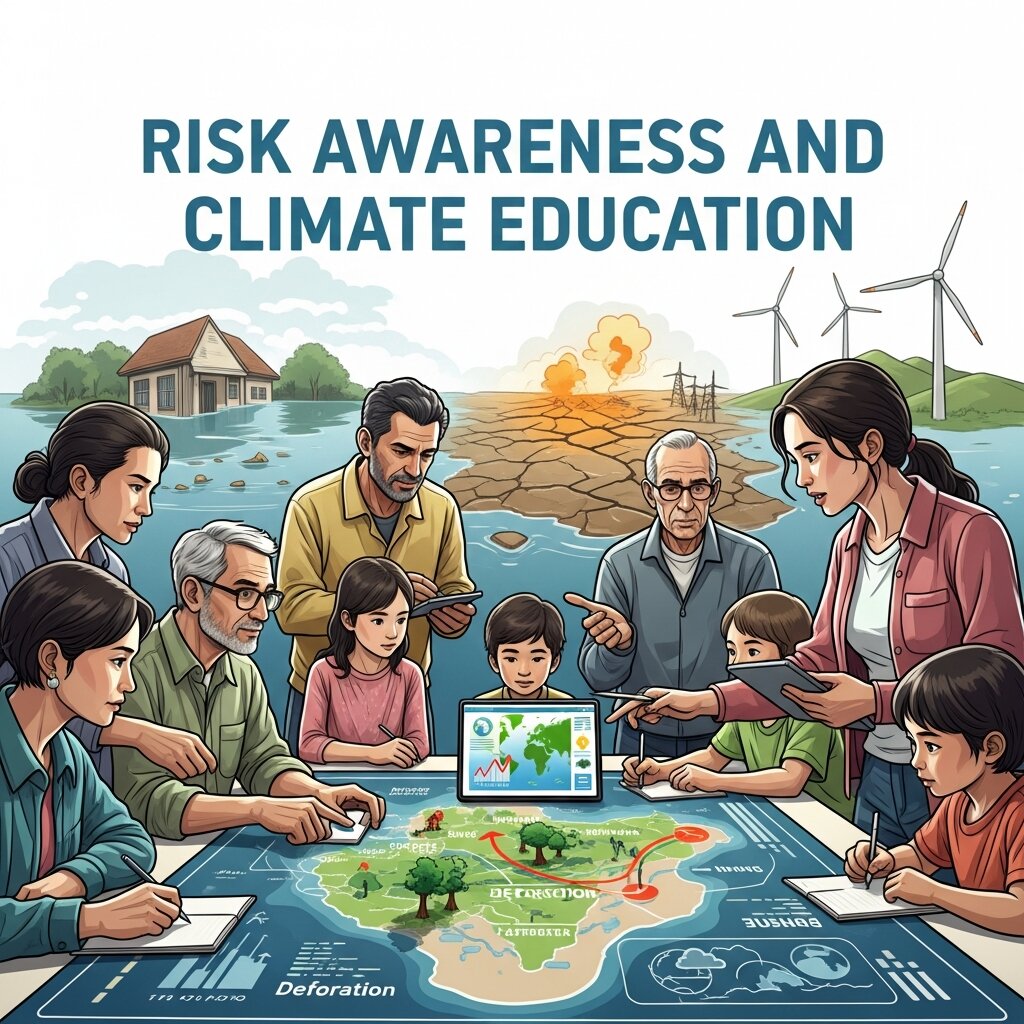
Education is essential for strengthening climate adaptation communities, as it helps individuals understand risks and prepare effectively. Awareness programs focus on climate science, disaster preparedness, and sustainable practices. By educating residents, communities reduce vulnerability and improve response times during emergencies. Schools, local organizations, and NGOs often collaborate to deliver training and workshops. Knowledge sharing is continuous, ensuring that everyone stays informed about environmental changes. This education-driven approach builds confidence and encourages proactive behavior. As a result, communities become more resilient and capable of adapting to future climate uncertainties while fostering a culture of preparedness and shared responsibility.
Infrastructure and Sustainable Planning
Strong infrastructure is a critical component of climate-adapted communities, ensuring safety and long-term resilience. Sustainable planning involves designing roads, buildings, and drainage systems that can withstand climate impacts. Infrastructure projects often prioritize eco-friendly materials and disaster-resistant designs to reduce damage from floods, storms, and heatwaves. Planning also includes green spaces and water management systems that support environmental balance. By integrating sustainability into development, communities create safer and more livable environments. These improvements not only protect residents but also enhance the overall quality of life while supporting long-term ecological stability and resilience.
Community in an Era of Change
In today’s rapidly shifting environment, climate adaptation communities play a vital role in helping societies adjust to uncertainty. The concept of a Community in an Era of Change highlights flexibility, collaboration, and resilience. As climate conditions evolve, these communities must continuously adapt their strategies to remain effective. This includes embracing new technologies, policies, and social practices. By staying connected and informed, they can respond quickly to emerging threats. This adaptability ensures long-term sustainability and protects vulnerable populations from environmental shocks, while also strengthening collective preparedness for future challenges.
Climate Finance and Resource Mobilization
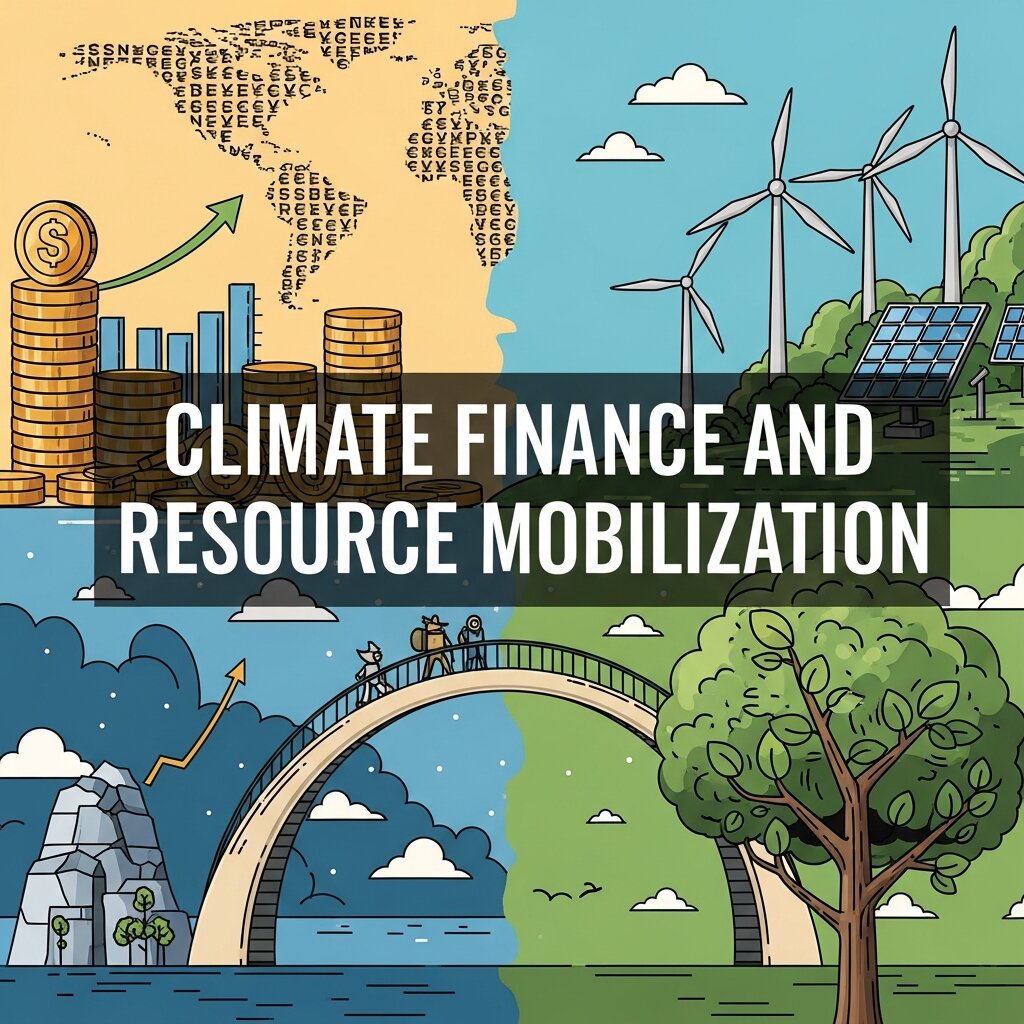
Climate finance and resource mobilization are essential for strengthening climate adaptation communities by providing the funding needed for local resilience projects. These resources support infrastructure upgrades, education programs, disaster preparedness, and sustainable development initiatives. Access to adequate finance enables communities to implement long-term solutions instead of relying on short-term fixes. When properly managed, funding ensures equitable distribution and efficient use of resources for maximum impact. Collaboration between governments, NGOs, and the private sector further strengthens financial support systems. This coordinated approach helps communities build resilience, reduce vulnerability, and accelerate climate action in a more structured and sustainable way.
Key Points:
- Supports local resilience projects
- Enables sustainable infrastructure development
- Encourages public-private collaboration
- Improves long-term planning capacity
| Source Type | Contribution Area | Impact Level |
|---|---|---|
| Government Grants | Infrastructure & policy | High |
| NGOs | Training & awareness | Medium |
| Private Sector | Technology & innovation | High |
| Community Funds | Local initiatives | Medium |
Policy Support and Governance
Government policies significantly micro-influence the marketing success of climate adaptation communities. Effective governance provides funding, technical support, and regulatory frameworks that enable local action. In many regions, these communities work alongside policymakers to design climate-resilient strategies. This collaboration ensures that local needs are reflected in national climate plans. Transparent governance builds trust and encourages participation. When supported by strong policies, communities can scale their impact and implement large-scale resilience projects. This partnership between communities and governments strengthens overall climate preparedness while ensuring more coordinated and effective responses to environmental challenges.
Nature-Based Solutions for Climate Resilience
Nature-based solutions play a crucial role in strengthening climate adaptation communities by using natural ecosystems to reduce climate risks. Approaches such as mangrove restoration, wetland conservation, urban tree planting, and sustainable agriculture help protect communities from floods, heatwaves, and soil erosion. These solutions work by restoring ecological balance while also supporting livelihoods and biodiversity. Within climate adaptation communities, nature-based strategies are cost-effective, scalable, and environmentally sustainable compared to purely engineered systems. They also improve air and water quality while enhancing community well-being. By integrating traditional ecological knowledge with modern conservation practices, communities can build stronger resilience. Overall, nature-based solutions provide a long-term, adaptive approach that supports both environmental health and human survival in a changing climate.
Social Inclusion and Equity
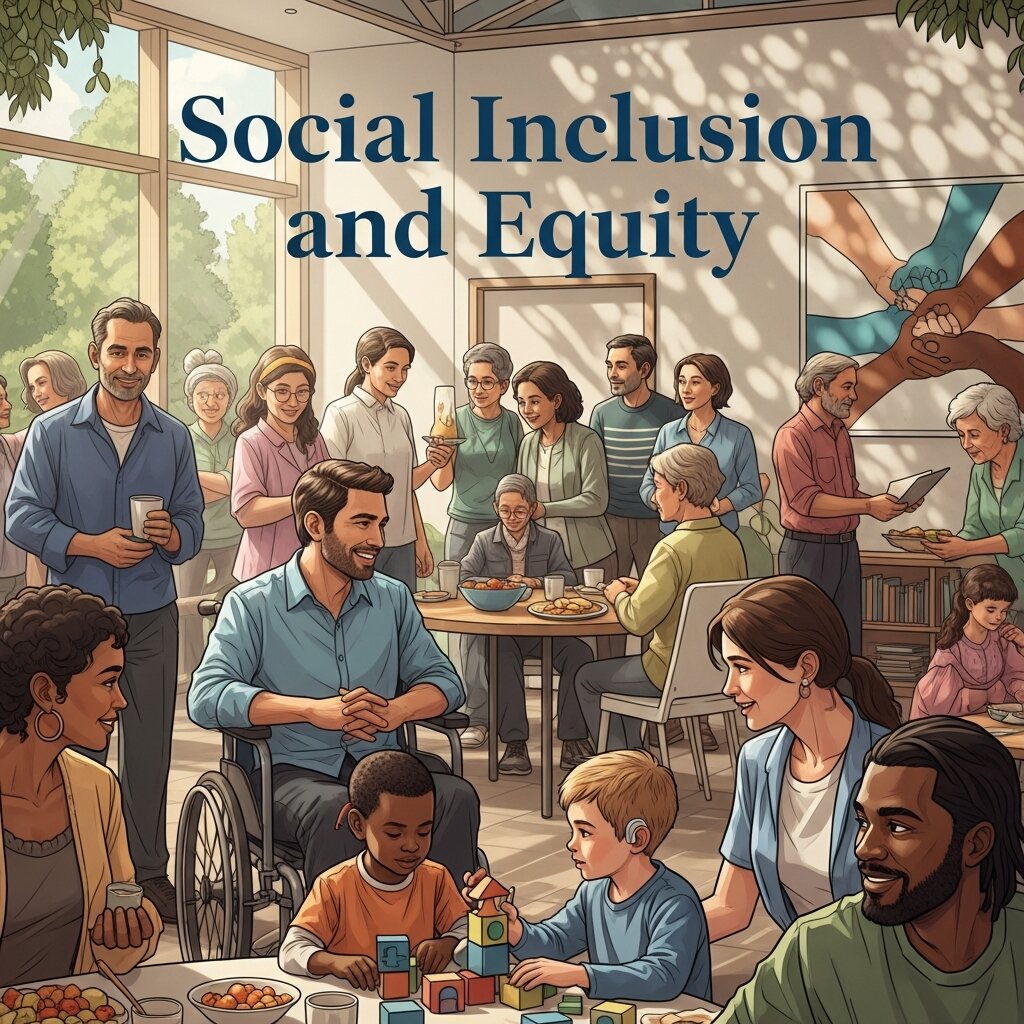
Inclusivity is essential for the success of climate adaptation communities, ensuring that all voices are heard. Vulnerable groups often face the greatest risks from climate change, making their participation critical. Social equity ensures fair access to resources, information, and decision-making processes. This approach reduces inequality and strengthens collective resilience. Programs often focus on supporting women, low-income families, and marginalized groups. By promoting inclusion, communities create stronger and more unified responses to climate challenges. This shared responsibility improves outcomes for everyone involved while building trust, fairness, and long-term social stability.
Technology and Digital Transformation
Technology plays a transformative role in climate adaptation communities by improving communication, prediction, and response systems. Digital tools such as early warning systems, mobile applications, and data analytics help communities respond faster and more effectively to climate risks. Technology also improves transparency, coordination, and collaboration among stakeholders. By integrating smart solutions, communities can monitor environmental changes in real time and make informed, data-driven decisions. This digital transformation strengthens resilience, enhances preparedness, and ensures efficient use of resources while highlighting the importance of equal access to technology to prevent digital inequality.
Key Points:
- Improves early warning systems
- Enhances data-driven decision-making
- Strengthens communication networks
- Supports real-time climate monitoring
| Technology Type | Use Case | Benefit Area |
|---|---|---|
| Mobile Applications | Alerts & communication | Emergency response |
| Data Analytics | Climate prediction | Planning accuracy |
| IoT Sensors | Environmental monitoring | Real-time tracking |
| GIS Mapping | Risk assessment | Resource planning |
Future of Climate Adaptation Communities
The future of climate adaptation communities will be shaped by stronger collaboration, advanced technology, and deeper local participation. As climate risks intensify, these communities will increasingly rely on data-driven tools, early warning systems, and digital platforms to improve decision-making and response times. Integration with smart infrastructure and renewable energy solutions will further enhance resilience. At the same time, education and awareness will continue to play a key role in building long-term preparedness. Bioregional thinking and community-powered innovation will expand, helping regions become more self-reliant and sustainable. In the coming years, climate adaptation communities will evolve into highly connected networks that share knowledge globally while acting locally, ensuring faster adaptation, reduced vulnerability, and stronger environmental and social stability worldwide.
Conclusion
Climate adaptation communities play a vital role in building resilience against climate change by promoting local action, shared responsibility, and sustainable solutions. They empower people to collaborate, innovate, and respond effectively to environmental challenges. By integrating knowledge, inclusion, and planning, these communities create stronger and more prepared societies. As climate risks continue to rise, their importance will grow, ensuring long-term protection, adaptability, and sustainability for future generations facing an uncertain environmental future together.
Frequently Asked Questions
1:What are climate adaptation communities?
Climate adaptation communities are local groups that work together to reduce climate risks through cooperation, shared knowledge, and sustainable planning. They focus on building resilience by combining local experience with scientific insights to address environmental challenges effectively and inclusively.
2: Why are climate adaptation communities important?
They are important because they help people prepare for and respond to climate change impacts like floods, heatwaves, and droughts. These communities strengthen resilience, promote awareness, and ensure that vulnerable groups are included in climate action and decision-making processes.
3: How do these communities improve resilience?
These communities improve resilience by encouraging collaboration, knowledge sharing, and proactive planning. They identify local risks early, develop adaptive solutions, and support quick response systems that reduce damage and protect people during climate-related disasters and environmental changes.
4: What role does local engagement play?
Local engagement ensures people actively participate in decision-making and climate actions. It builds trust, accountability, and ownership of solutions. When communities are involved, responses become more effective, inclusive, and better suited to real environmental conditions and challenges.
5: What is bioregional community development?
Bioregional community development focuses on aligning human activities with natural ecosystems and regional resources. It supports sustainable use of land, water, and energy while improving resilience and reducing environmental pressure within climate adaptation communities.
6: How does innovation support climate adaptation?
Innovation supports adaptation by encouraging communities to create local solutions such as flood-resistant housing or renewable energy systems. Community-driven innovation improves sustainability, increases resilience, and ensures solutions are practical and based on real local needs.
7: Why is education important in these communities?
Education helps people understand climate risks and prepare effectively. It increases awareness of disasters, promotes sustainable practices, and improves response capabilities. Educated communities are more confident, proactive, and resilient in facing environmental challenges.
8: How do governments support these communities?
Governments support these communities through funding, policies, and technical assistance. They collaborate with local groups to design climate strategies, ensuring alignment between national goals and community needs, which improves overall preparedness and resilience.
9: How do these communities ensure inclusion?
They ensure inclusion by involving women, low-income groups, and marginalized populations in decision-making. This creates fairness, reduces inequality, and strengthens collective resilience by making sure every voice is heard and valued in climate action.
10: What is the future of climate adaptation communities?
The future involves stronger networks, digital tools, and smarter infrastructure. These communities will become more connected, data-driven, and innovative, improving global knowledge sharing while focusing on local solutions for faster and more effective climate adaptation.