

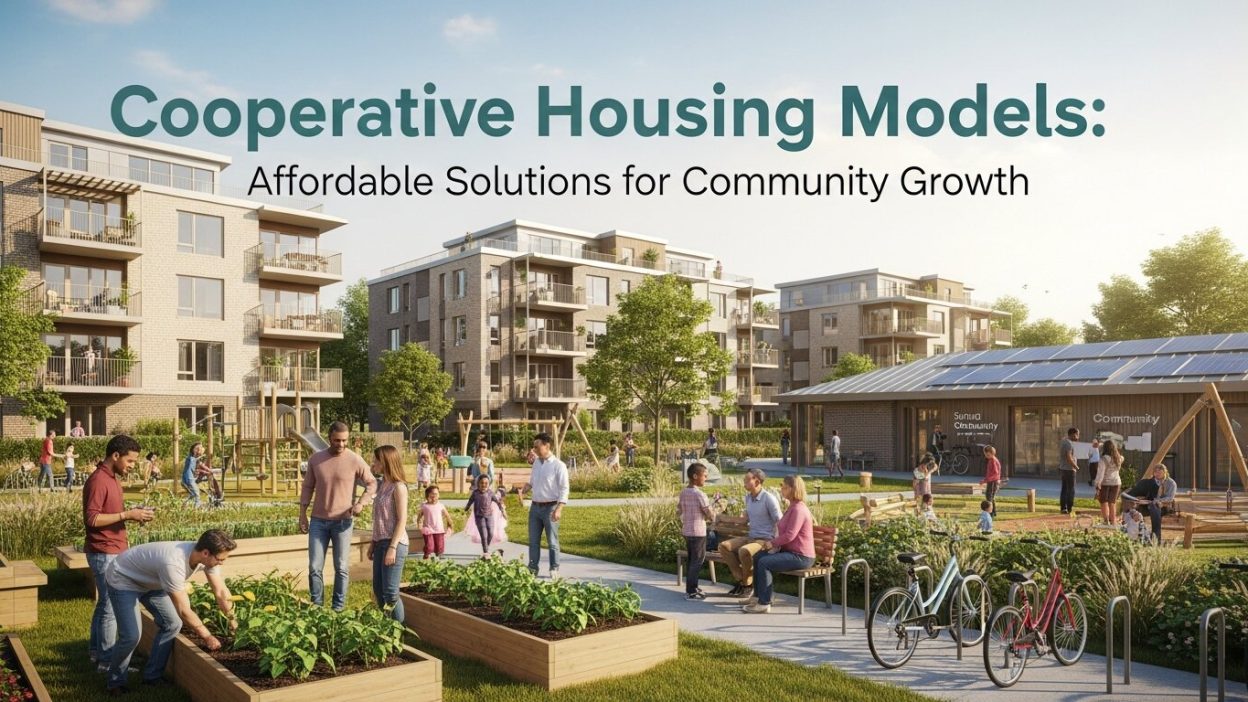
Cooperative housing models provide affordable, community-driven living by sharing costs and responsibilities. They promote sustainability, social connection, and economic stability while supporting concepts like regenerative communities, circular economies, and renewable energy, making them a smart solution for future housing.
Cooperative housing models are shared living systems where residents collectively own and manage housing to reduce costs and improve community life. These models promote affordability, sustainability, and cooperation among members. By sharing resources and responsibilities, cooperative housing models create stronger social connections and stable living environments. They are becoming a modern solution for urban housing challenges and community-driven development.
What Are Cooperative Housing Models?
Cooperative housing models are structured around collective ownership, where residents purchase shares instead of individual units, granting them the right to occupy a home within the community. This approach ensures that decisions are made democratically, with each member having a voice in management and operations. Unlike traditional real estate systems focused on profit, cooperative housing models prioritize affordability and stability for residents. These communities often operate through elected boards that oversee maintenance, budgeting, and policies. By eliminating external landlords and reducing speculative pricing, cooperative housing creates a fairer system for residents, making it especially valuable in urban areas where housing demand and costs continue to rise.
Benefits of Cooperative Housing Models

One of the most significant advantages of cooperative housing models is their ability to make housing more affordable through shared expenses, including maintenance, utilities, and property management. This collective approach reduces financial burdens while providing access to quality living spaces. In addition to cost savings, cooperative housing models foster strong social connections, as residents collaborate and support one another in daily life. These communities often experience greater stability, as they are less influenced by market fluctuations. Furthermore, cooperative living encourages sustainable practices, such as resource sharing and efficient use of space, making it an environmentally responsible choice that benefits both residents and the broader community.
Role in Community Development
Cooperative housing models contribute significantly to community development by encouraging active participation and shared responsibility among residents. These systems create inclusive environments where individuals from diverse backgrounds come together to build meaningful relationships. By engaging in collective decision-making, residents develop a sense of ownership and accountability. Cooperative housing models also promote local engagement through community activities, shared projects, and mutual support systems. This collaborative approach strengthens social bonds and fosters trust, making communities more resilient and cohesive. As a result, cooperative housing not only provides shelter but also plays a vital role in shaping stronger, more connected neighborhoods.
Economic Advantages of Cooperative Housing
From a financial perspective, cooperative housing models offer stability and predictability by spreading costs across all members, reducing individual financial strain. Shared expenses such as taxes, maintenance, and utilities help keep overall living costs lower compared to traditional housing options. Additionally, cooperative housing models are less susceptible to market speculation, ensuring more consistent pricing over time. This makes them a reliable option for long-term living. The reduced need for large down payments also increases accessibility for a wider range of people. By creating a more balanced and controlled economic structure, cooperative housing supports financial security and long-term affordability for its residents.
Integration with Regenerative Community Models

Cooperative housing models align naturally with Regenerative Community Models, which focus on restoring environmental and social systems rather than simply sustaining them. These communities emphasize responsible resource use, environmental stewardship, and collective well-being. Through shared practices like gardening, renewable energy use, and water conservation, cooperative housing models help reduce environmental impact while improving quality of life. This integration encourages residents to adopt mindful habits that benefit both the community and the planet. By combining cooperative living with regenerative principles, these housing systems create environments that are not only sustainable but also actively contribute to ecological and social regeneration.
Connection with Community Solar Cooperatives
Energy sustainability is a key part of modern living, and many communities are adopting shared solutions like Community Solar Cooperatives to lower costs and reduce environmental impact. By jointly investing in solar energy systems, residents can share power generation and reduce reliance on traditional energy sources. This collaborative approach makes renewable energy more accessible, practical, and affordable for everyone involved. Shared ownership structures make it easier to implement such initiatives effectively within residential communities. As a result, residents enjoy lower energy bills, reduced carbon emissions, and a more environmentally responsible lifestyle focused on long-term sustainability.
Key Features of Cooperative Housing Models
Cooperative housing models are built on a foundation of shared ownership, democratic governance, and community-driven living, making them a unique alternative to traditional housing systems. These models focus on affordability, inclusion, and long-term stability while ensuring that residents actively participate in decision-making. Unlike conventional housing, cooperative housing models eliminate the role of external landlords, giving full control to members of the community. This structure encourages trust, accountability, and cooperation among residents. As a result, these housing systems create a balanced environment where financial efficiency and social well-being go hand in hand, making them highly effective for sustainable urban development.
Key Features:
- Collective ownership of property
- Democratic decision-making system
- Shared maintenance and operational costs
- Long-term housing stability
- Strong community participation
| Component | Description | Benefit |
|---|---|---|
| Ownership Structure | Members hold shares instead of units | Affordable entry cost |
| Governance System | Democratic voting by residents | Fair decision-making |
| Cost Sharing | Expenses are divided among members | Reduced financial burden |
| Community Engagement | Active participation in activities | Strong social bonds |
| Maintenance System | Collective responsibility | Better property management |
Supporting Circular Economy Communities
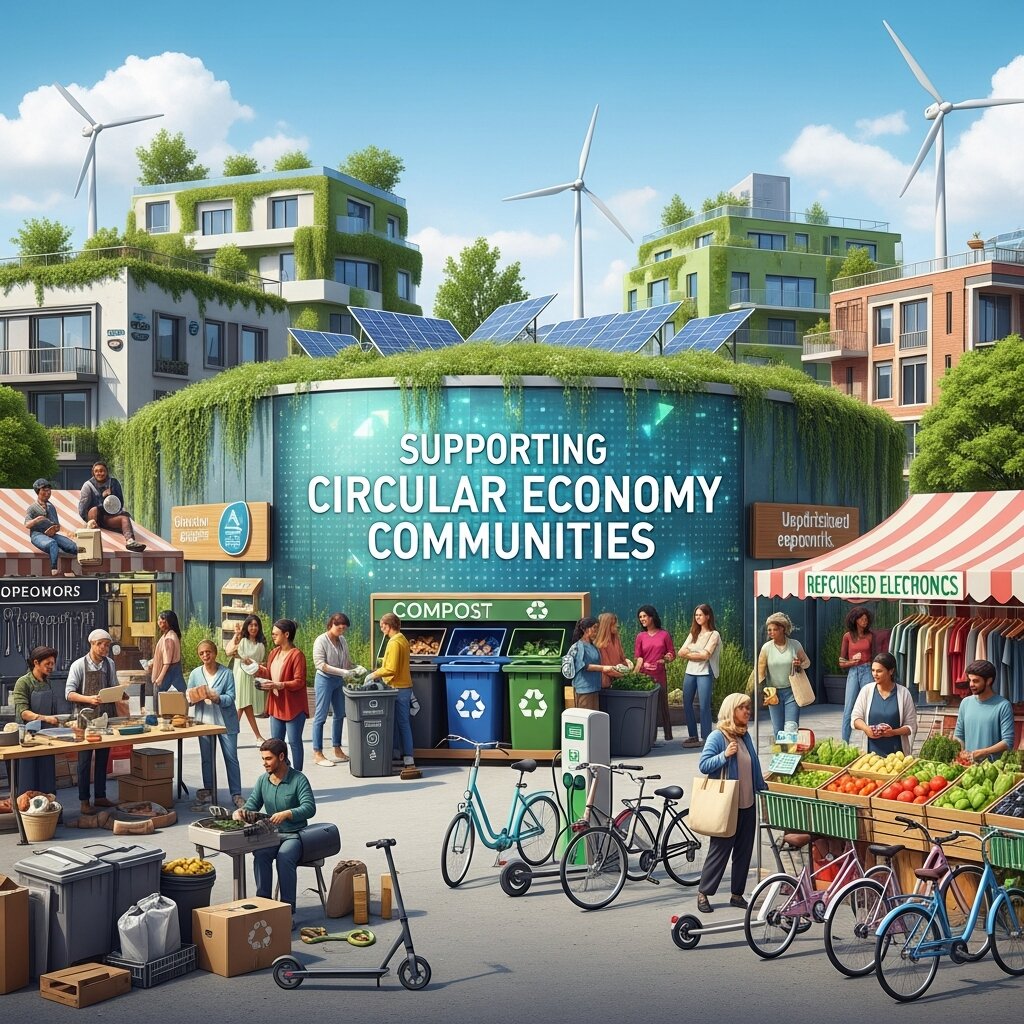
Circular economy living communities focus on reducing waste and making the best use of available resources. Residents share tools, appliances, and common spaces, which decreases the need for individual ownership and helps lower overall consumption. This system encourages recycling, reuse, and responsible resource management in daily life. By promoting collaboration and shared responsibility, these communities naturally support sustainable habits among members. Adopting circular economy principles helps create environmentally friendly living spaces that benefit both people and the planet. It also improves cost efficiency while strengthening community engagement and cooperation for a more sustainable future.
Challenges and Limitations
While cooperative living offers many advantages, it also comes with challenges that require careful management. Decision-making can be slow because it involves collective agreement, which may delay important actions. Differences in opinions or expectations among residents can sometimes create conflicts within the community. Additionally, obtaining financing can be difficult, as many lenders are not fully familiar with cooperative structures. To address these issues, strong leadership, transparency, and effective communication are essential. Clear rules and organized governance help maintain stability and trust among members. However, with proper planning and cooperation, these communities can function smoothly and achieve long-term success and sustainability.
Challenges vs Opportunities in Cooperative Housing Models
Key Points:
- Requires strong leadership and governance
- Decision-making can be time-consuming
- Financing options may be limited
- Encourages innovation in sustainable living
- Builds long-term community resilience
| Aspect | Challenge | Opportunity |
|---|---|---|
| Decision-making | Slow consensus process | Encourages democratic participation |
| Financing | Limited lender awareness | Promotes innovative funding models |
| Management | Requires coordination | Builds leadership and collaboration skills |
| Community Living | Possible conflicts among members | Strengthens social trust |
| Sustainability | Initial setup complexity | Supports eco-friendly housing systems |
Future of Cooperative Housing Models
The future of cooperative housing models appears promising as more individuals and communities seek affordable and sustainable living solutions. Rapid urbanization and increasing housing costs are driving the demand for alternatives to traditional housing systems. Governments and organizations are beginning to recognize the value of these models and are offering support through policies and funding. Cooperative housing models are also benefiting from technological advancements that improve communication and management efficiency. As awareness continues to grow, these housing systems are expected to expand globally, providing a viable solution for creating inclusive, resilient, and environmentally sustainable communities.
Conclusion
Cooperative housing models provide a smart and sustainable solution to modern housing challenges by combining affordability, shared responsibility, and community engagement. These systems reduce financial pressure while creating stronger social connections among residents. By supporting ideas like Regenerative Community Models, Community Solar Cooperatives, and Circular Economy Communities, they promote long-term environmental and social benefits. As demand for affordable housing grows, cooperative housing models will continue to shape inclusive, resilient, and future-ready communities worldwide.