
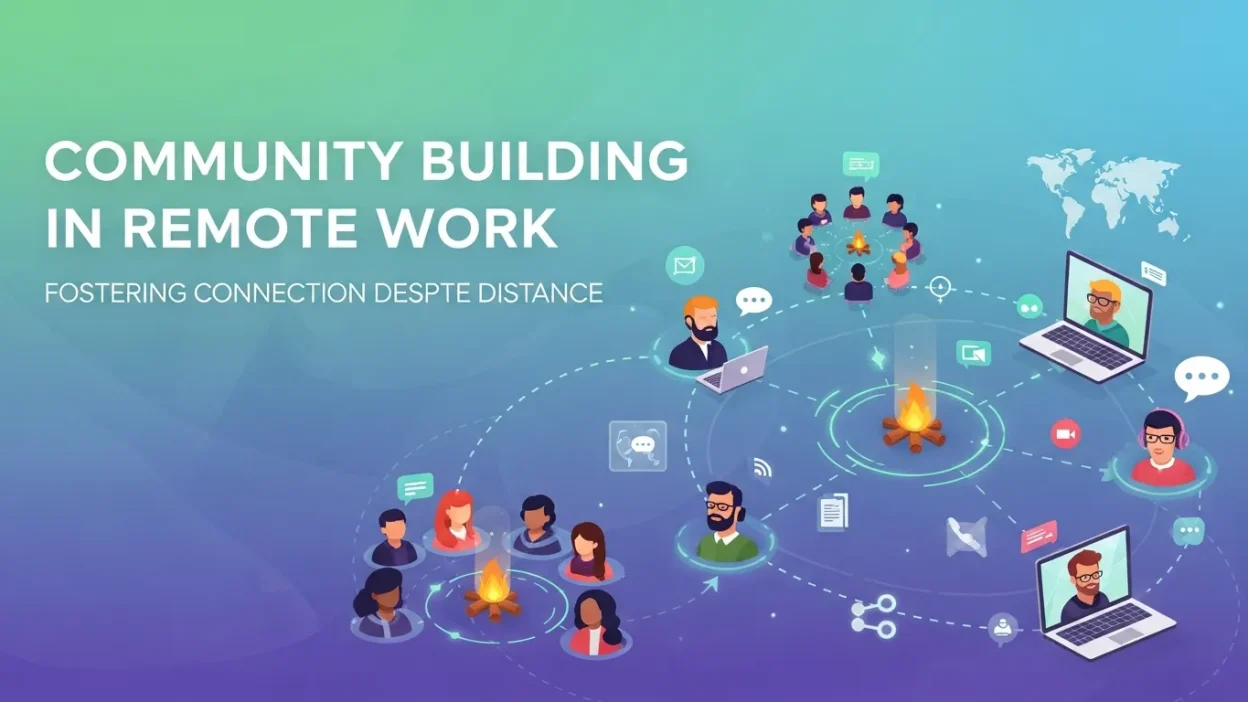
Community building in remote work requires intentional design to foster connection, trust, and collaboration across distributed teams. Unlike traditional offices, spontaneous interactions must be deliberately recreated through digital “collision spaces,” structured check-ins, rituals, and cultural exchange. Psychological safety, consistent recognition, and thoughtful technology use underpin strong remote communities. By blending structured and unstructured interactions, promoting inclusion, and occasionally meeting in person, distributed teams can maintain engagement, innovation, and belonging despite physical distance.
The shift toward distributed teams has fundamentally transformed how we conceptualize workplace communities. What once happened naturally through hallway conversations and shared lunch breaks now requires deliberate architecture. Yet the human need for belonging persists regardless of physical proximity.
The Importance of Community Building in Remote Work
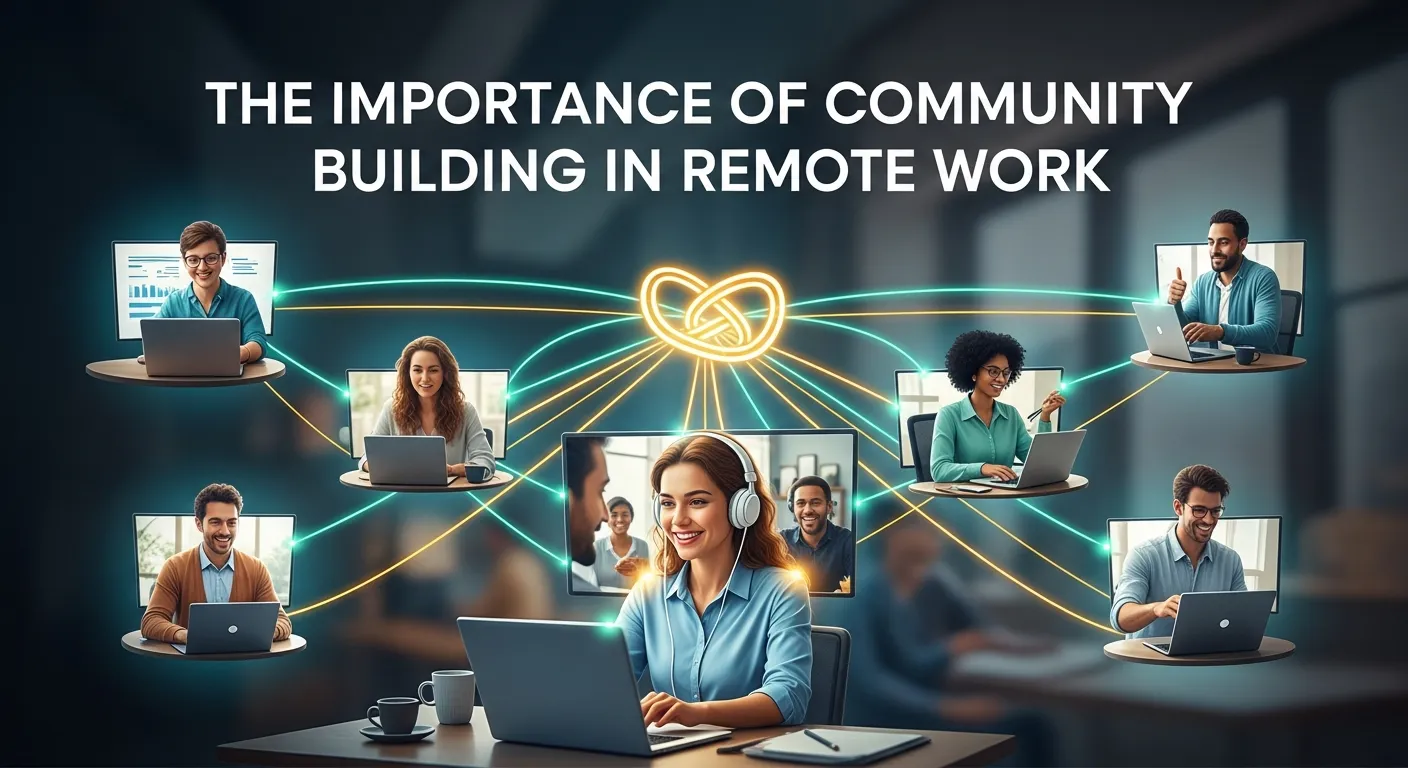
Community building in remote work is not just a nice-to-have—it is essential for engagement, collaboration, and retention. Distributed teams often struggle with isolation, miscommunication, and a lack of shared culture. By prioritizing community building in remote work, organizations ensure that employees feel connected to their team and aligned with shared goals, even when separated by time zones or geography. When done right, community building in remote work enhances productivity and strengthens organizational resilience.
The Hidden Challenge of Distributed Teams
Remote work brings undeniable benefits—flexibility, global talent access, and reduced commutes. However, beneath these advantages lies a profound challenge: creating genuine community when teammates never share physical space. Without intentional effort, remote environments can quietly erode the social fabric that makes work meaningful.
Many organizations mistakenly believe occasional virtual happy hours suffice for community building. The reality proves more nuanced. True workplace community transcends structured social events to create an environment where people feel professionally and personally connected regardless of location.
Designing Serendipity in Remote Work
Creating authentic connections in remote teams requires more than scheduling meetings; it demands intentional design of everyday interactions. Digital “collision spaces” emulate the spontaneous hallway conversations of traditional offices, allowing ideas to spark and relationships to form naturally.
- Virtual coworking sessions for organic conversation
- Casual Slack or Teams channels for non-work topics
- Scheduled informal check-ins to foster casual dialogue
By prioritizing these micro-moments of connection, teams transform isolated workdays into a shared experience, where employees feel seen, heard, and included despite physical separation.
Reimagining Water Cooler Culture
The strongest workplace communities develop through a blend of structured and unstructured interactions. In physical offices, spontaneous conversations sparked innovations and relationships. Remote environments must recreate this serendipity through thoughtful design.
Consider implementing digital “collision spaces” where team members naturally encounter each other outside formal meetings. This might include virtual coworking sessions where people work independently but remain available for spontaneous conversation, or dedicated Slack channels for non-work discussions.
According to research from Harvard Business Review, these informal interactions significantly impact innovation and psychological safety. Their studies found that remote teams with regular informal touchpoints reported stronger connection and better collaborative outcomes than those limiting interaction to structured meetings.Find out More Bioregional Community Development
The Foundation: Psychological Safety in Virtual Spaces
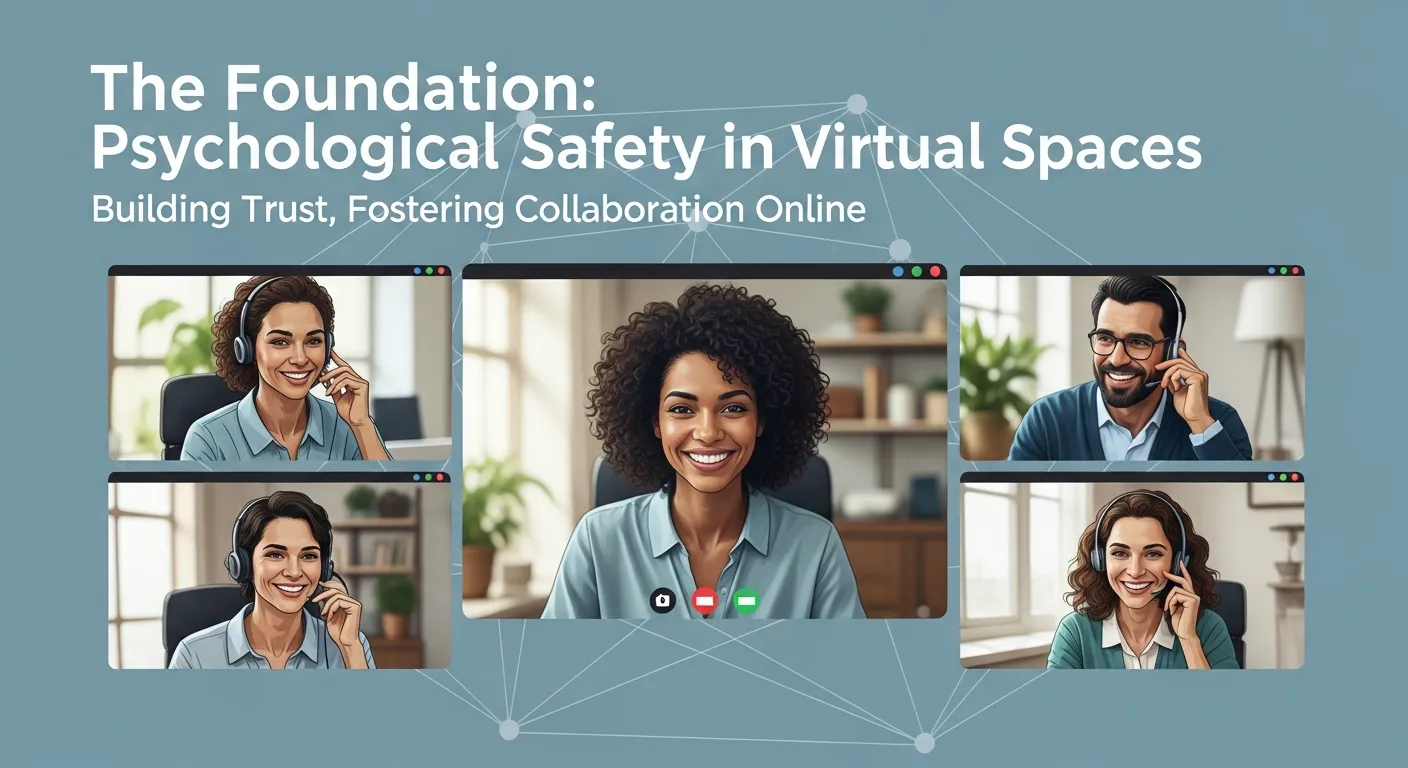
Building community requires psychological safety—the shared belief that team members can take interpersonal risks without fearing negative consequences. This foundation becomes even more critical in remote settings where visual cues often go missing.
Create structured opportunities for authentic sharing within your distributed team. Begin meetings with thoughtful check-in questions that go beyond superficial updates. Ask about challenges, learning moments, or unexpected discoveries. These practices, when implemented consistently, gradually transform strangers into community.
As explored on our BuildBonding community cultivation framework, psychological safety emerges through repeated experiences of vulnerability met with acceptance. Remote leaders must deliberately engineer these moments since they rarely occur spontaneously in virtual environments.
Rituals That Bind Distributed Teams
Every strong team thrives on meaningful rituals that reinforce belonging, making community building in remote work more effective. In remote workplaces, these rituals require thoughtful design rather than evolving organically, serving as essential touchpoints for distributed teams.
Consider implementing recognition practices where team accomplishments receive consistent celebration—this is a key part of community building in remote work. Examples include dedicating time in team meetings to acknowledge contributions, using digital recognition platforms, or even sending physical tokens to celebrate milestones.
Morning standups, when approached thoughtfully, evolve beyond status updates into vital community touchpoints. Begin with a moment of presence—perhaps a brief breathing exercise or reflection question—before transitioning to work matters. These small, intentional practices strengthen community building in remote work, establishing rhythm, continuity, and a sense of connection across geographic boundaries.
Embedding Psychological Safety in Virtual Teams
Psychological safety underpins all successful remote communities. Team members must trust that sharing ideas, admitting mistakes, or expressing concerns will not invite judgment. Leaders can cultivate safety through consistent, empathetic practices that normalize vulnerability.
- Begin meetings with reflective check-ins or personal updates
- Encourage questions and iterative feedback without criticism
- Recognize and celebrate contributions in visible ways
When remote employees experience repeated moments of acceptance and support, they grow more confident in collaboration, innovation, and problem-solving, strengthening the overall community.
Bridging Cultural Divides in Global Teams
Remote work often means collaborating across cultural contexts. Strong distributed communities acknowledge and celebrate these differences rather than attempting to homogenize experience.
Create space for cultural exchange within your remote community. This might involve rotating meeting times to accommodate different time zones, celebrating diverse holidays, or implementing “cultural ambassador” roles where team members share aspects of their local context.
According to Buffer’s State of Remote Work, global teams who implement structured cultural exchange report significantly stronger belonging than those who don’t. Their research indicates that understanding teammates’ cultural contexts creates deeper empathy and stronger working relationships.
Technology as Community Architecture
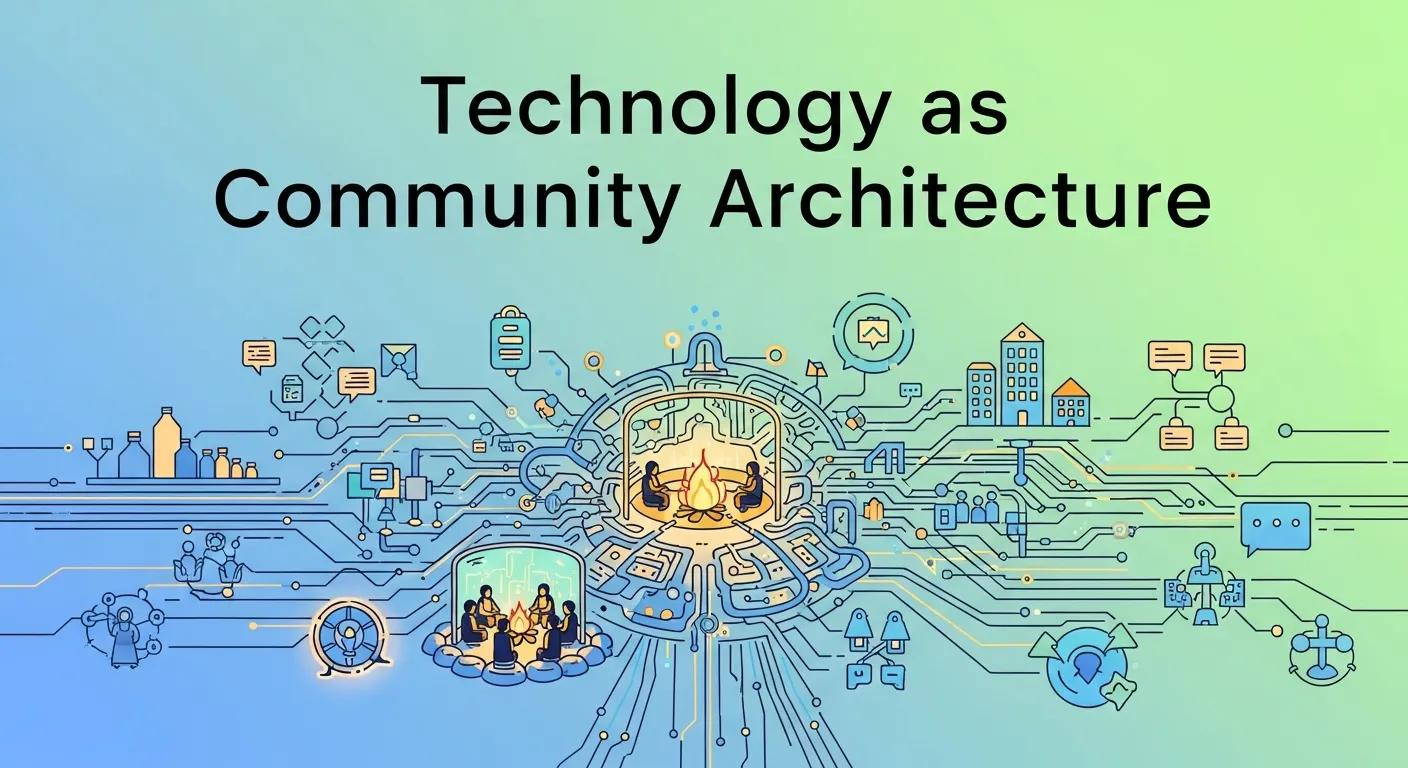
The digital tools you select fundamentally shape your remote community. Rather than adopting platforms based solely on functionality, consider how each technology either enhances or hinders connection.
Evaluate your technology stack through a community lens. Does your video conferencing platform enable breakout rooms for smaller conversations? Do your collaboration tools allow for personality expression through profiles and customization? Does your communication system balance synchronous and asynchronous options to accommodate different work styles?
The strongest remote communities thoughtfully layer technologies to create varied interaction opportunities. They recognize that different community needs—collaboration, celebration, conflict resolution, creative ideation—require different digital environments.
Navigating Conflict Across Distance
Healthy communities don’t avoid conflict—they transform it into growth. Remote environments often complicate conflict resolution by removing nonverbal cues and creating communication delays.
Establish explicit norms for addressing tensions within your distributed team. This might include designated communication channels for sensitive conversations, protocols for expressing concerns, or regular retrospective practices where process improvements receive open discussion.
Remote leaders play crucial roles in modeling constructive conflict engagement. When disagreements emerge, demonstrate curiosity rather than judgment, and prioritize understanding before resolution. These practices create psychological space for honest dialogue despite physical distance.
The Role of Occasional In-Person Connection
While strong remote communities thrive primarily through digital connection, occasional physical gatherings provide irreplaceable value. Consider implementing quarterly or annual team retreats where relationships deepen through shared experience.
Design these gatherings with community-building as their primary objective rather than cramming them with presentations or planning sessions. Create space for both structured team-building and unstructured social time. The connections formed during these in-person moments sustain community during months of virtual collaboration.
Leading Remote Communities Through Transition
Remote work continues evolving, requiring Crisis Management for Community Leaders ongoing transitions. Whether onboarding new team members, implementing organizational changes, or adapting to shifting work models, remote communities need thoughtful guidance through transformation.
Create robust onboarding experiences that intentionally integrate newcomers into existing community fabric. This might include mentor pairings, structured introduction processes, or gradual exposure to team norms and inside references.
During significant transitions, increase communication frequency and transparency. Remember that information vacuums get filled with speculation in remote environments where casual reassurance doesn’t happen naturally. Regular updates, even when simply acknowledging uncertainty, maintain community trust during change.
The Future of Distributed Community
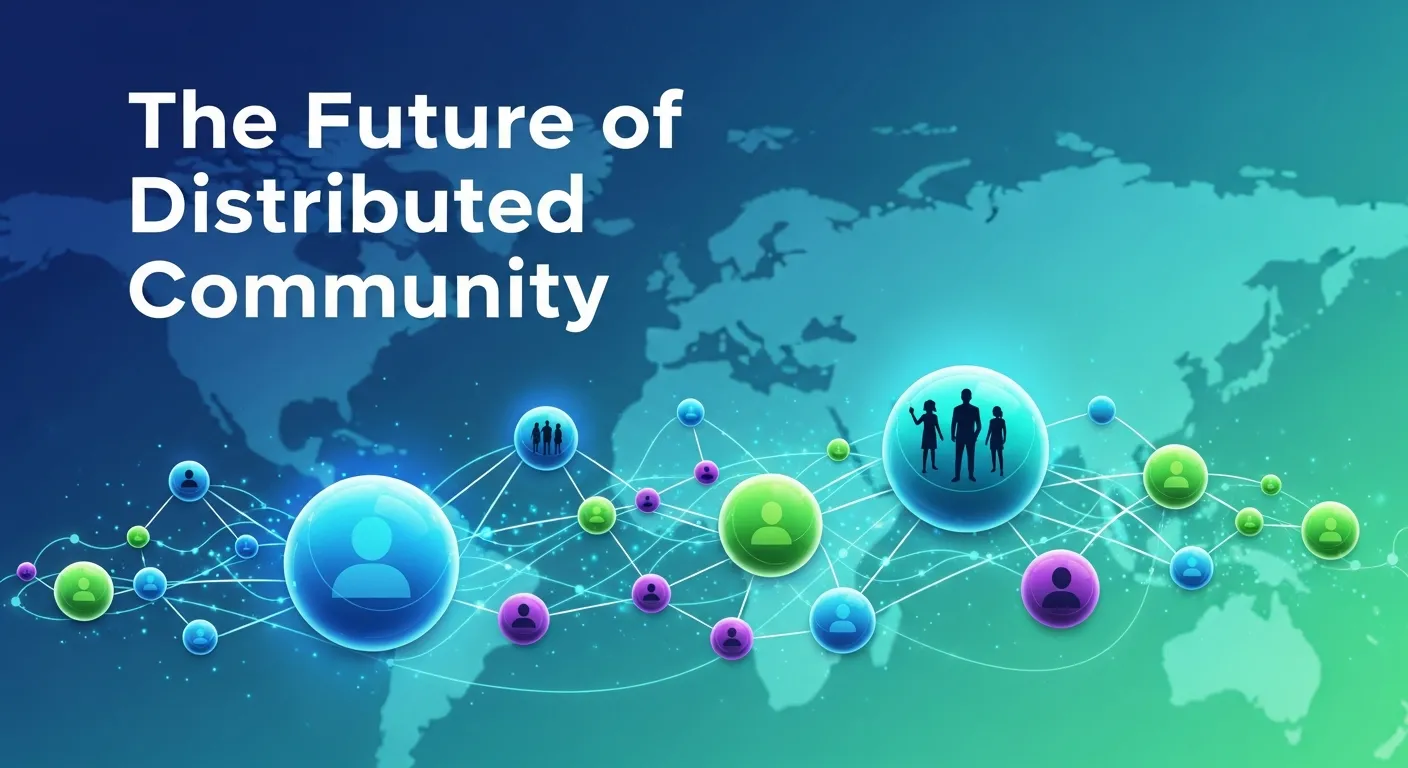
Remote work continues to evolve, and with it, the practice of community building in remote work is becoming increasingly strategic. Organizations that thrive will recognize that strong communities don’t happen by chance—they are the result of intentional design, consistent nurturing, and adaptive leadership focused on community building in remote work.
By prioritizing authentic connection alongside productivity, leaders can foster environments where employees bring their full selves to work despite physical distance. This intentional community building in remote work transforms distributed teams from a functional necessity into a genuine competitive advantage, enhancing attraction, retention, innovation, and overall resilience.
Conclusion
Effective community building in remote work doesn’t happen by chance. It demands consistent, intentional practices that cultivate psychological safety, meaningful interactions, and cultural inclusion. Remote leaders who prioritize these elements create cohesive, resilient teams where members feel connected, valued, and empowered. Ultimately, strong remote communities enhance collaboration, retention, and innovation, turning geographic distance into an advantage rather than a barrier.
FAQs About Community Building in Remote Work
What is community building in remote work?
Community building in remote work is the intentional effort to create trust, connection, collaboration, and engagement among team members who are geographically distributed. It helps employees feel part of a shared purpose despite physical separation.
Why is community building important for remote teams?
Strong community building in remote work reduces isolation, increases engagement, strengthens collaboration, and supports psychological safety, helping teams function effectively even without face-to-face interactions.
How can remote teams recreate spontaneous interactions?
Through digital “collision spaces,” virtual coworking sessions, casual chat channels, and informal check-ins that mimic hallway conversations, remote teams can spark organic ideas and relationships.
What role does psychological safety play in remote communities?
Psychological safety ensures team members can share ideas, ask questions, and admit mistakes without fear. It forms the foundation of trust, belonging, and effective collaboration in remote teams.
How can rituals strengthen remote work communities?
Rituals like recognition moments, reflective check-ins, and team standups create continuity, reinforce belonging, and help team members feel connected and valued.
How can distributed teams bridge cultural differences?
By celebrating diverse holidays, rotating meeting times, and enabling cultural exchange, community building in remote work encourages empathy, understanding, and stronger team relationships.
What technology supports community building in remote work?
Platforms that support breakout rooms, asynchronous collaboration, profile customization, and informal interaction foster connection, engagement, and meaningful collaboration among distributed team members.
How should remote teams handle conflict?
Establish clear norms, create channels for sensitive discussions, and encourage curiosity and constructive dialogue. This approach maintains trust and strengthens remote team relationships.
Are occasional in-person meetings necessary?
Yes. Team retreats or offsite events complement virtual connections, reinforce culture, and strengthen bonds that sustain community in distributed teams.
How can onboarding improve remote community building?
Intentional onboarding integrates new members into team culture, provides mentorship, and helps them navigate norms and rituals, making them feel welcomed and connected from the start.
What metrics indicate strong remote communities?
Measure engagement, participation in rituals, collaboration frequency, psychological safety, and inclusivity. These metrics reflect the health of community building in remote work.
What is the long-term benefit of strong remote work communities?
Effective community building in remote work enhances retention, collaboration, innovation, and employee satisfaction, creating a resilient and productive remote workforce.