
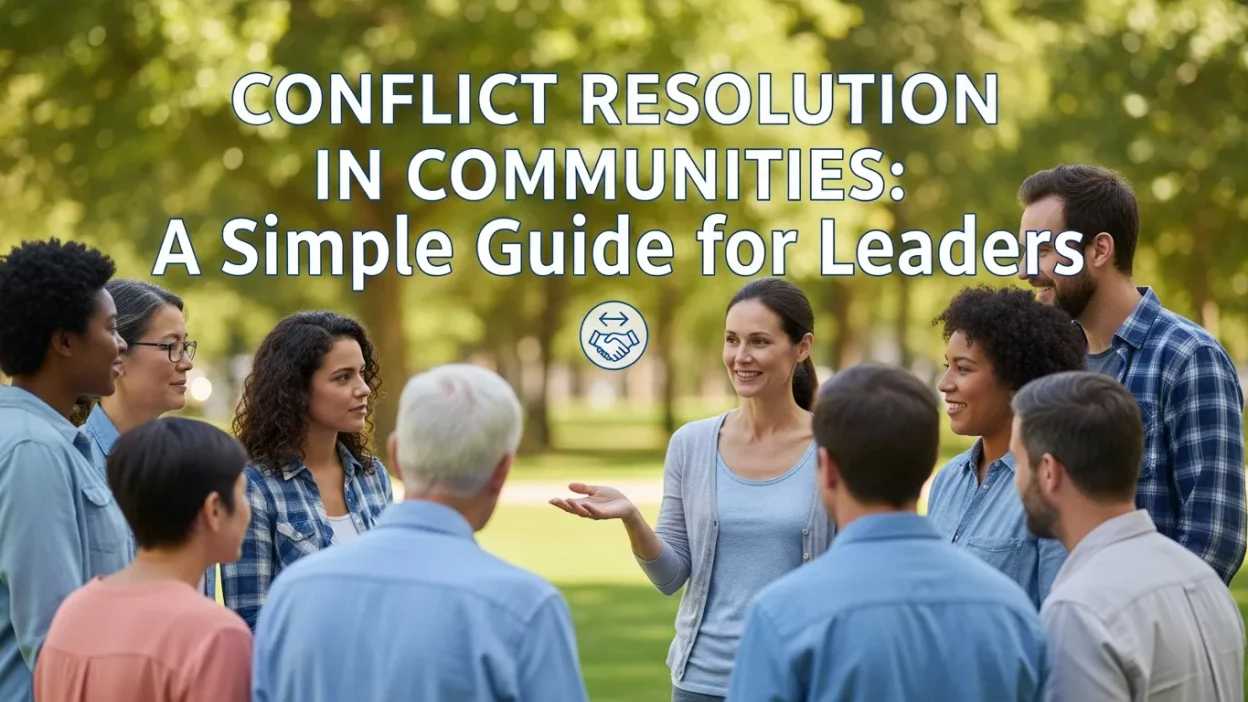
Conflict resolution in community development helps communities manage disagreements through communication, fairness, and collaboration. By resolving issues early, communities build trust, strengthen leadership, and create inclusive environments where people work together toward shared goals.
Community development works best when people share goals, communicate openly, and respect each other. But disagreements will always happen. If not handled early, these conflicts can slow progress, damage relationships, and lower community participation. The good news is that effective conflict resolution can turn tension into teamwork and help your community grow stronger.
What is Conflict in Communities?
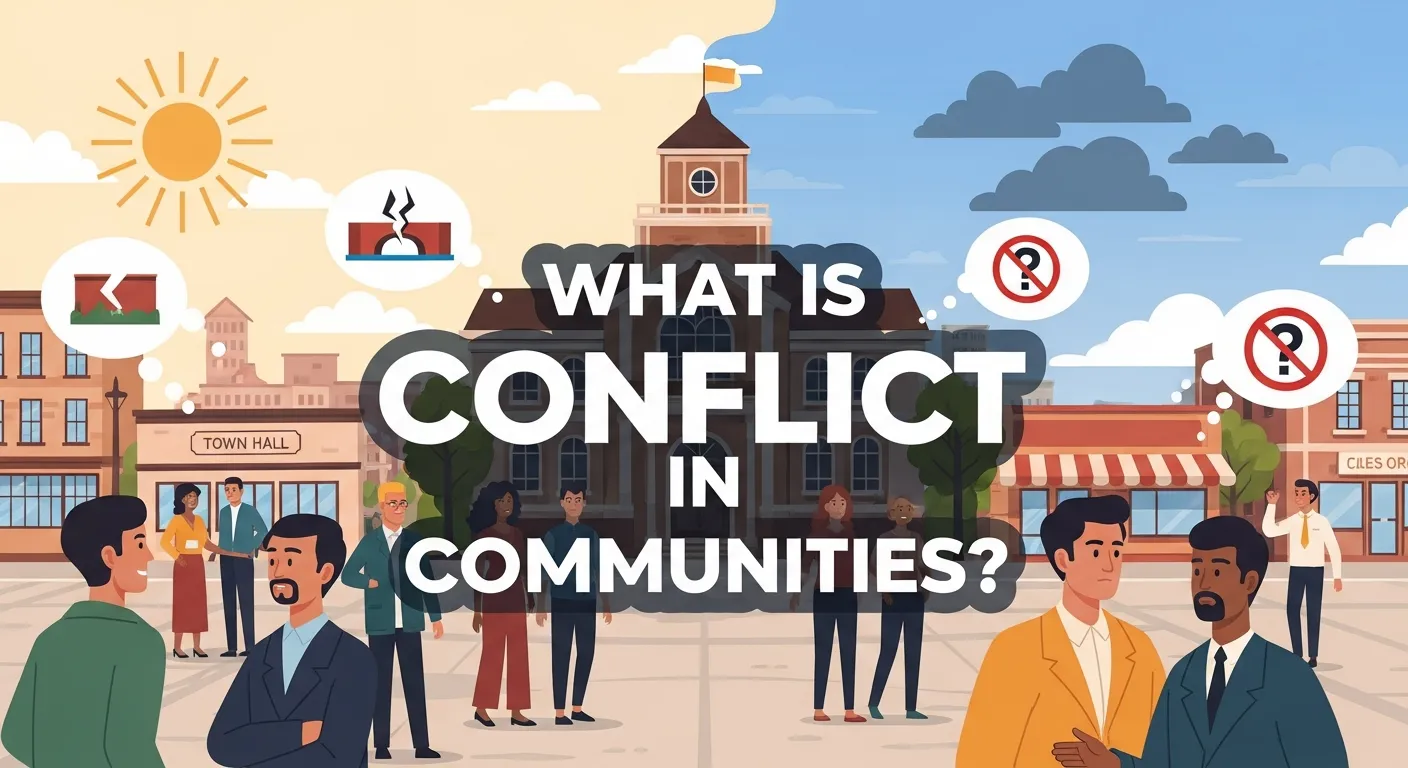
Conflict in communities is a disagreement between people or groups who live, work, or collaborate in the same environment. It happens when community members have different goals, values, needs, or expectations. These tensions can appear in neighborhoods, nonprofit teams, local councils, volunteer groups, online communities, or any space where people interact regularly.
In simple terms, community conflict means people are not on the same page, and this affects communication, cooperation, and trust.
Most conflicts start from common issues like:
- Miscommunication or lack of clear information
- Limited resources or unfair distribution
- Different cultural backgrounds or personal beliefs
- Leadership decisions that some members disagree with
- Changes in community rules, policies, or priorities
- Personal misunderstandings that escalate
Not all conflict is negative. When handled well, it can lead to better problem-solving, stronger relationships, and healthier community development. Effective conflict resolution helps people understand each other, rebuild trust, and work toward shared goals.
Role of Conflict Resolution in Community Development
Conflict resolution in community development plays a critical role in maintaining trust, cooperation, and long-term participation. When communities actively address disagreements through dialogue, mediation, and collaborative problem-solving, they prevent small issues from turning into deep divisions. Effective conflict resolution creates safe spaces where people feel heard, respected, and valued, which strengthens social cohesion and shared responsibility. As a result, community initiatives move forward with greater transparency and collective ownership.
Benefits of Resolving Conflict
Resolving conflict in communities creates a healthier, more supportive environment for everyone. When disagreements are handled early and fairly, people feel respected, communication improves, and community projects run more smoothly. Conflict resolution becomes a tool for better teamwork, stronger relationships, and long-term community stability.
Below are the key benefits:
1. Builds Trust and Community Engagement
- When leaders listen to every voice, people feel valued and included.
- Clear and respectful discussions encourage more residents to participate in meetings, volunteer programs, and community activities.
2. Clarifies Roles and Guidelines
- Resolving disputes helps define responsibilities, boundaries, and expectations for all members.
- This reduces confusion and supports fair and transparent decision-making processes.
3. Strengthens Relationships Within the Community
- Healthy conflict resolution improves how members work together.
- It supports collaboration, reduces tension, and creates stronger social bonds among neighbors, volunteers, and teams.
4. Turns Conflict Into Learning and Growth Opportunities
- Disagreements often reveal communication gaps or unclear policies.
- By addressing these issues, communities adopt better systems and more inclusive processes.
5. Increases Community Resilience
- When a community learns to handle conflict effectively, it becomes stronger and more adaptable.
- Members feel prepared to handle future disputes with maturity and confidence.
6. Improves Outcomes for Community Projects
- Mediation and conflict resolution techniques lead to fair, practical decisions.
- This boosts accountability, transparency, and overall project success.
Why Conflict Resolution Strengthens Community Leadership
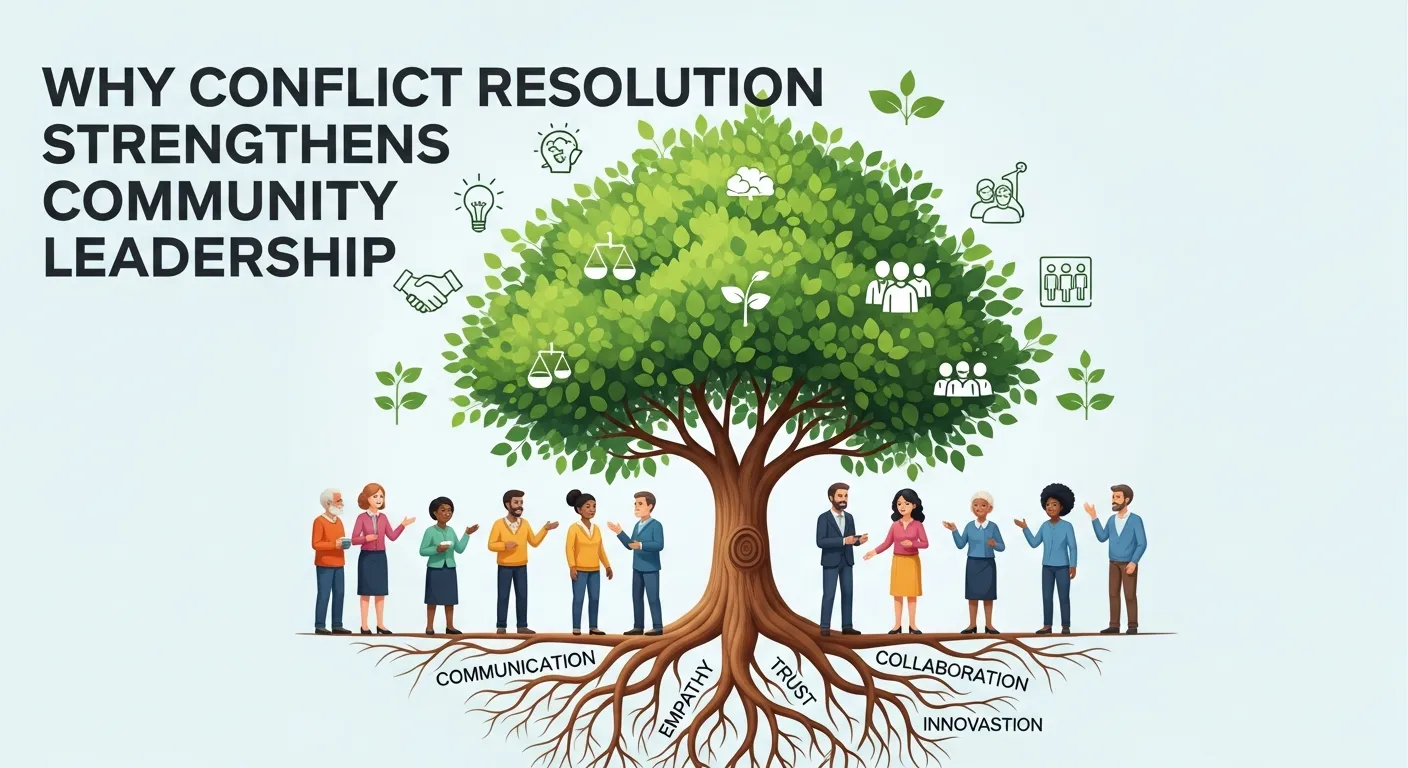
Strong community leadership depends on the ability to manage conflict fairly and constructively. Conflict resolution in community development equips leaders and facilitators with tools such as active listening, negotiation, and neutral facilitation. These skills help leaders guide difficult conversations, balance different interests, and turn disagreement into collective action. Communities with strong conflict-resolution practices develop resilient leadership, higher engagement, and sustainable development outcomes.
Core Principles of Effective Conflict Resolution
Conflict resolution in communities works best when leaders follow a few simple but powerful principles. These principles help reduce tension, support inclusive communication, and guide groups toward peaceful solutions. They also Intergenerational Mentorship strengthen community development, social cohesion, and collaborative problem-solving
1. Active Listening
- Active listening means fully focusing on the speaker and understanding their message.
- It reduces misunderstandings and helps community members feel respected.
2. Empathy
- Empathy is recognizing and valuing the emotions of others.
- It helps calm heated conversations and builds emotional trust.
3. Neutrality
- Neutrality means staying fair and avoiding bias during conflict discussions.
- A neutral approach makes all sides feel safe and equally heard.
4. Transparency
- Transparency involves sharing information clearly and honestly with everyone.
- It prevents confusion, builds trust, and strengthens long-term cooperation.
5. Collaboration
- Collaboration focuses on problem-solving together instead of competing.
- It turns conflict into teamwork by highlighting shared goals.
6. Accountability
- Accountability means taking responsibility for actions and keeping commitments.
- It prevents repeated issues and encourages respectful behavior.
Step-by-Step Guide to Resolving Conflicts
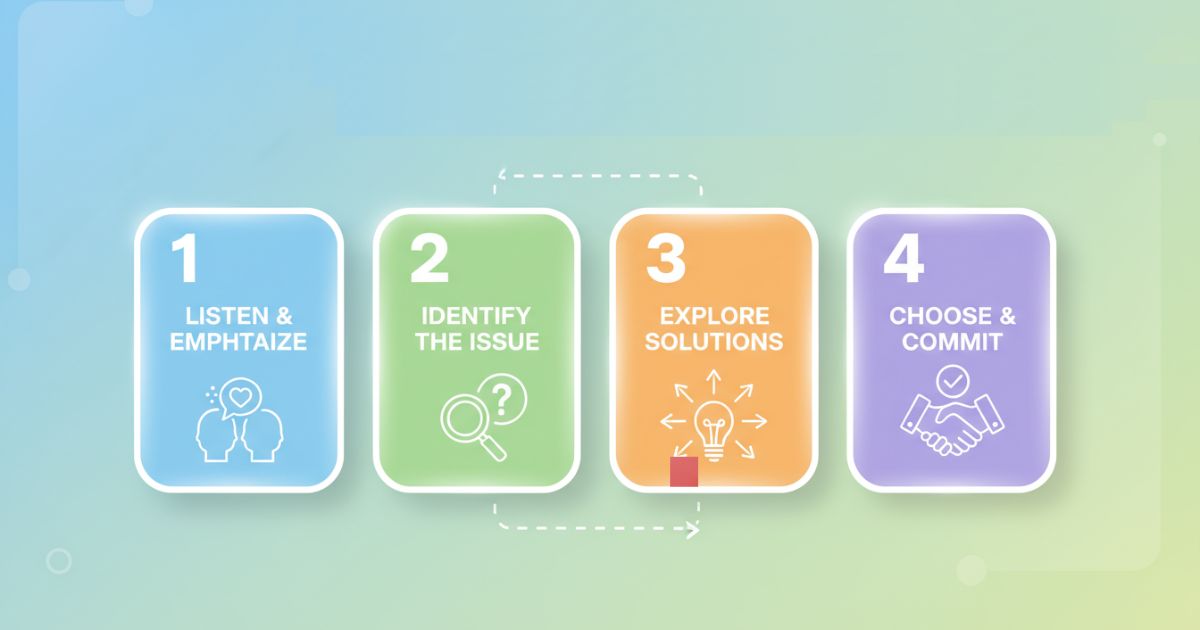
Follow these clear steps to help community disputes move from tension to solution. Keep sentences short and focus on respect, fairness, and practical outcomes.
1. Preparation
- Review past messages, meeting notes, or incident history.
- Speak privately with each involved person to hear their side.
- Gather facts and any documents you need.
2. Set the Stage
- Pick a neutral place to meet—online or in person.
- Explain ground rules: respect, no interruptions, and honest listening.
- larify the goal: fix the problem, not punish people.
3. Open the Dialogue
- Begin with a shared purpose or community value.
- Invite each person to speak without interruption.
- Use a calm tone and remind everyone to focus on behavior, not character.
4. Identify Interests
- Ask “Why does this matter to you?” rather than “Who is right?”
- Look for underlying needs: safety, fairness, recognition, or resources.
- Summarize each person’s concerns to confirm you understood.
5. Generate Options
- Brainstorm solutions together. Write every idea down.
- Encourage creative suggestions and avoid early judgment.
- Aim for options that meet multiple needs, not just one side.
6. Evaluate Options
- Compare each idea against fairness, feasibility, and community values.
- Ask: Who benefits? What is the cost? How long will it take?
- Narrow down to the best, realistic choices.
7. Agree on a Plan
- Choose a clear solution and write it down.
- Assign roles, responsibilities, and deadlines.
- Make the plan specific and measurable.
8. Follow Up
- Check progress after an agreed period.
- Ask if the solution is working and adjust if needed.
- Document results and share updates with the group.
Facilitation Tips
- Facilitators guide the process—they do not control outcomes.
- Use a calm voice and validate emotions: “I hear you.”
- Keep time limits for speaking and keep conversations focused.
When to Use Professional Help
- For deep or long-running disputes, bring in trained mediators or use structured methods like restorative circles.
- Professional mediators help with power imbalances and complex histories.
Tools and Techniques for Mediation
Using the right tools makes mediation easier, fairer, and more effective. These techniques help community leaders, facilitators, and moderators guide conversations calmly and reduce misunderstandings. They also support inclusive communication, transparency, and long-term community trust.
Active Listening
- Repeat key points to show you understand the speaker.
- Example: “So you felt left out when the decision changed?”
- This builds trust, reduces tension, and keeps everyone engaged.
- Active listening helps prevent miscommunication and emotional escalation.
I-Messages
- Share your feelings without blaming others.
- Example: “I feel stressed when deadlines change suddenly.”
- This encourages honest communication and prevents defensive reactions.
- I-messages help people express concerns safely and respectfully.
Restorative Questions
- Ask questions that focus on impact, accountability, and healing.
- Examples:
- “Who was affected?”
- “How did this impact you?”
- “What can we do to repair the harm?”
- These questions encourage responsibility and strengthen relationships.
Mediation Scripts
- Use simple templates to guide meetings step by step.
- Scripts help mediators stay neutral, organized, and focused on solutions.
- They ensure every participant gets equal time to speak.
- This creates structure and fairness during conflict resolution sessions.
Neutral Note-Taking
- Write down key points clearly and without bias.
- Share notes with everyone after the meeting to maintain transparency.
- Clear documentation prevents confusion and builds community trust.
- Notes also help track agreements, responsibilities, and timelines.
Digital Tools
For online or hybrid communities, digital tools make collaboration easier:
- Shared documents for agreements and action plans.
- Polls for group decision-making.
- Whiteboards for brainstorming and visual discussions.
- Messaging tools for follow-up communication.
These tools include platforms such as Google Docs, Zoom, Miro, Slack and other virtual collaboration apps. They ensure everyone can participate, even from different locations.
Training and Practice
- Train moderators to use these tools with confidence.
- Regular practice strengthens mediation skills across the community.
- Training also improves fairness, reduces bias, and builds stronger conflict management systems.
- Practiced mediators can resolve issues quickly and prevent conflicts from escalating.
Creating a Culture of Collaboration to Prevent Conflict
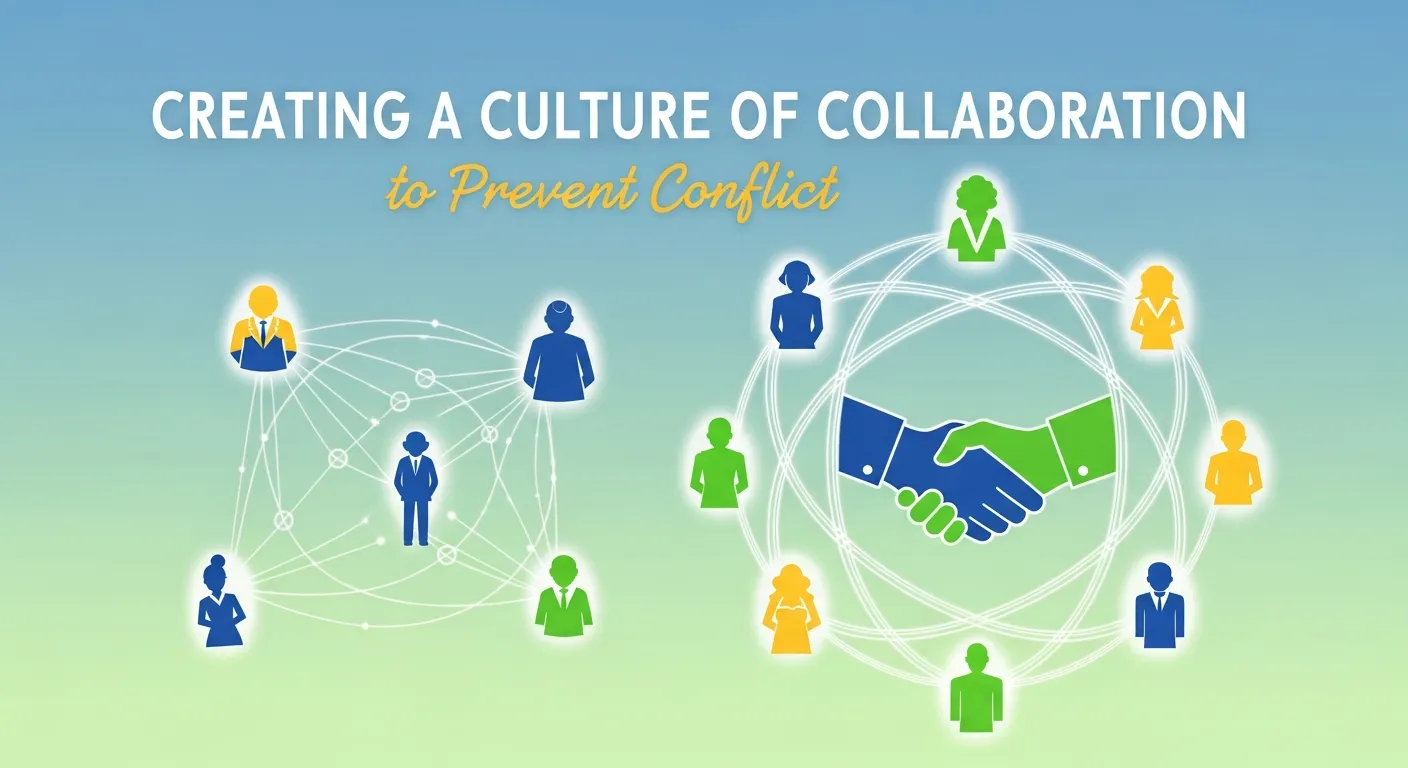
Building a collaborative culture is the strongest long-term strategy for preventing conflict in community development. When community members feel heard, valued, and actively involved, misunderstandings reduce naturally and concerns surface early—before they escalate. A culture of collaboration strengthens trust, improves communication, and encourages shared responsibility across the community.
Promote Open Communication
Open communication creates a safe environment where members can express ideas, concerns, or feedback without fear. Communities should use transparent and accessible channels to encourage honest dialogue, such as:
- Forums, group chats, or suggestion boxes for ongoing communication
- Regular “open mic” sessions or Q&A meetings to share concerns openly
Celebrate Positive Behaviors
Recognizing and reinforcing positive behavior helps set clear social norms within the community. Highlighting empathy, patience, and constructive problem-solving encourages others to follow similar practices:
- Public shout-outs or recognition for collaborative actions
- Badges, certificates, or small rewards to reinforce respectful behavior
- Real examples that showcase effective communication and teamwork
Regular Check-ins and Listening Circles
Consistent check-ins allow community members to raise concerns early and feel supported. Listening circles and group discussions strengthen trust and prevent small issues from growing:
- Weekly or monthly check-ins to share updates and concerns
- Safe spaces where members can speak openly and respectfully
- Support from a neutral facilitator or mediator when needed
Clear and Accessible Conflict Policy
A well-documented conflict-resolution policy helps manage disputes fairly and consistently. Clear guidelines reduce confusion and ensure transparency:
- Simple explanations of reporting, mediation, follow-up, and documentation steps
- Easy access to policies through pinned posts, links, or onboarding materials
Involve the Community in Policy Design
When community members help shape conflict policies, they feel a stronger sense of ownership and accountability. Inclusive policy design builds trust and shared responsibility:
- Polls, workshops, or discussion threads to gather feedback
- Opportunities for members to review and improve guidelines
Build Shared Responsibility
Preventing conflict is a collective effort, not just the role of moderators or leaders. Encouraging shared responsibility strengthens cooperation and mutual respect:
- Promoting peer support and respectful intervention
- Encouraging a “see something, say something” culture
- Clear guidelines for bystander support and positive engagement
Conclusion
Conflict does not have to divide or weaken communities. When handled with simple strategies, clear communication, and effective conflict-resolution techniques, disagreements can turn into powerful opportunities for learning and growth. Community Champions play an essential role in this process by practicing active listening, showing empathy, and guiding members toward collaborative solutions.
A structured approach—preparation, open dialogue, solution-building, and consistent follow-up—helps create a culture of respect, trust, and cooperation. These habits not only reduce tension but also strengthen relationships and encourage more meaningful participation.
Strong communities thrive not just because they achieve goals, but because they build bonds that last. When leaders and Community Champions prioritize conflict resolution in community development, they promote unity, inspire innovation, and create an environment where everyone feels safe to contribute.
By applying these strategies today, you can guide your community from conflict toward long-term collaboration, resilience, and shared success.
FAQs
1. What is conflict resolution in community development?
Conflict resolution in community development is the structured process of identifying, addressing, and resolving disagreements within communities through dialogue, mediation, and collaborative problem-solving. Its goal is to restore trust, improve communication, and support shared community goals.
2. Why is conflict resolution important for communities?
Conflict resolution is important because unresolved disputes can divide communities, reduce participation, and slow development. Effective conflict resolution strengthens trust, cooperation, and long-term community engagement.
3. What causes conflict in community development projects?
Conflicts often arise from miscommunication, limited resources, cultural or value differences, leadership decisions, power imbalances, or unclear roles and responsibilities within the community.
4. How can community leaders resolve conflicts effectively?
Community leaders can resolve conflicts by practicing active listening, remaining neutral, encouraging open dialogue, acknowledging emotions, and guiding discussions toward shared goals and fair solutions.
5. What role does mediation play in community conflict resolution?
Mediation provides a safe and neutral space for conflicting parties to communicate openly. A mediator helps clarify issues, balance power differences, and support fair, mutually acceptable agreements.
6. Can conflict ever be positive in community development?
Yes. When managed constructively, conflict can highlight hidden problems, generate better ideas, strengthen relationships, and improve decision-making within community development processes.
7. How does conflict resolution improve community participation?
When people feel heard, respected, and treated fairly, they are more likely to participate in meetings, volunteer activities, and decision-making processes, strengthening overall community engagement.
8. What tools support conflict resolution in communities?
Common tools include active listening techniques, facilitation methods, restorative questions, mediation scripts, written agreements, and digital collaboration platforms for transparent communication.
9. How does transparency help resolve community conflict?
Transparency ensures that information, decisions, and processes are clear and accessible to everyone. This reduces rumors, builds trust, and prevents misunderstandings that often lead to conflict.
10. When should a community involve a professional mediator?
A professional mediator should be involved when conflicts are long-standing, emotionally charged, involve power imbalances, or cannot be resolved through internal discussion and facilitation.
11. How can communities prevent conflicts before they escalate?
Communities can prevent escalation by setting clear rules, defining roles, encouraging open communication, holding regular check-ins, and addressing concerns early through dialogue.
12. How does conflict resolution support sustainable community development?
Conflict resolution in community development strengthens relationships, improves leadership capacity, builds trust, and creates stable systems for collaboration, ensuring long-term community growth and resilience.