
Today, community development demands more than conventional infrastructure improvements or policy adjustments. Instead, creative placemaking has emerged as a powerful strategy for reimagining shared environments by integrating artistic vision, cultural narratives, and collective participation. In today’s digital landscape, this approach empowers residents, artists, and officials to co-design public realms that reflect local identity and aspirations. This year (2026), municipalities and grassroots groups alike are harnessing creative placemaking to fuel neighborhood revitalization, stimulate sustainable economic growth, and nurture social connections.
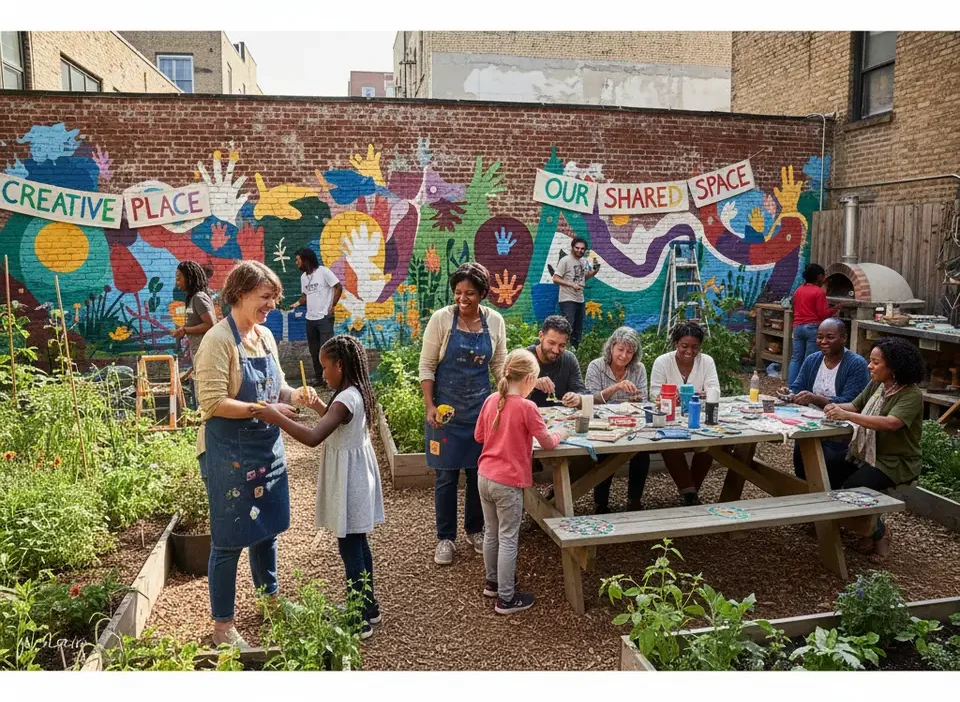
Through interactive murals, temporary installations, and community-led performances, creative placemaking transforms underutilized sites into dynamic settings where people gather, exchange ideas, and build trust. Data from the National Endowment for the Arts and research conducted by institutions such as University of Pennsylvania highlight the positive correlation between art-driven projects and improved civic engagement. By uniting diverse voices around a shared vision, creative placemaking fosters a sense of ownership and belonging that endures well beyond the life of a single event.
Over the next sections, we will delve into the core principles that define creative placemaking, examine its social and economic advantages, outline actionable steps to launch successful initiatives, address common obstacles, and present best practices for ensuring long-term impact. Whether you are a city planner, nonprofit leader, or committed citizen, this guide will equip you with the insights needed to embark on a creative placemaking journey in your own community today.
What Drives Creative Placemaking?
At its core, creative placemaking is a collaborative framework that uses art and culture as catalysts for community transformation. Unlike isolated art displays or short-lived events, it emphasizes sustained partnerships between artists, residents, businesses, and local authorities. In today’s digital landscape, creative placemaking leverages both physical installations and virtual platforms, enabling storytellers to capture local heritage and address emerging needs. Research from the National Endowment for the Arts underlines how coordinated cultural efforts can elevate public well-being, enhance civic pride, and spark innovative problem solving across neighborhoods.
Origins of this approach can be traced back to urban renewal movements that sought to counteract decline by weaving creative assets into everyday environments. Rather than viewing art as an afterthought, stakeholders now regard it as an integral component of urban and rural planning. The process begins with identifying unique cultural strengths—be they musical traditions, culinary heritage, or historic architecture—and then developing projects that celebrate these assets. By focusing on authentic expression, creative placemaking grants communities agency to shape their own narratives and break down barriers between diverse groups.
Central to this methodology is intentional engagement. Stakeholders conduct listening sessions, community surveys, and design workshops to chart a roadmap that embraces local input at every stage. This participatory ethos ensures that artistic interventions align with genuine aspirations rather than top-down directives. It also fosters transparency and builds trust, two elements essential for maintaining momentum. As communities coalesce around shared objectives, they forge bonds that extend beyond project timelines, laying the groundwork for future collaboration.
Moreover, creative placemaking is inherently adaptive. Whether repurposing a vacant lot into a pop-up performance space or integrating digital art along streetscapes, practitioners adjust initiatives based on feedback and emerging trends. This flexibility allows organizers to respond to unanticipated challenges, optimize resource allocation, and measure success through a variety of metrics. Tracking indicators like foot traffic, local business revenues, and survey responses helps demonstrate value to funders and policymakers, creating a virtuous cycle of support and impact.
Fostering Community Connections
One of the most compelling benefits of creative placemaking is its ability to strengthen social networks and enhance community cohesion. By bringing residents together—whether through collaborative murals, pop-up galleries, or neighborhood festivals—these initiatives create shared experiences that break down isolation and build mutual trust. According to a recent study by the Centers for Disease Control and Prevention (CDC), environments enriched by public art are linked to increased feelings of safety and psychological well-being, particularly in urban areas grappling with social fragmentation.
In practice, fostering connections begins with identifying local champions—individuals who are passionate about their neighborhoods and eager to rally their peers. These community ambassadors lead outreach efforts, host listening sessions, and promote inclusive participation, ensuring that voices from all backgrounds are heard. When people contribute their skills and stories, they develop a sense of ownership over the creative process as well as the physical spaces they inhabit. This participatory model has been shown to boost voter turnout in local elections and elevate civic discourse.
Beyond face-to-face interactions, digital tools also play a critical role in amplifying connections. Online platforms, social media campaigns, and interactive mapping tools extend the reach of creative placemaking projects, allowing participants to submit ideas, vote on proposals, and track progress in real time. In today’s digital landscape, blending virtual engagement with on-site activities offers a powerful mechanism for sustaining momentum and broadening impact.
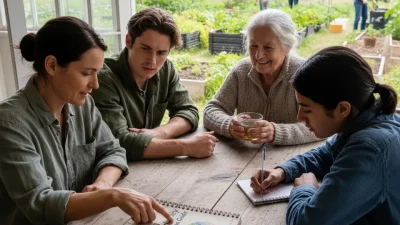
Intergenerational collaboration further enriches social bonds, as elders share local history and youth contribute innovative digital storytelling techniques. This reciprocal learning weaves multiple perspectives into the creative process, reinforcing respect and continuity across age groups. Consequently, community ties are strengthened, producing a supportive network that can tackle future challenges collectively.
Ultimately, the social value of creative placemaking lies in its capacity to weave art into the fabric of everyday life. Whether transforming a vacant lot into a community garden or staging a mobile performance in an unused parking space, these interventions invite neighbors to collaborate, share aspirations, and support local talent. The result is a more interconnected community, united by a collective vision and equipped to tackle future challenges together.
Economic Advantages of Creative Placemaking
Beyond its social merits, creative placemaking offers substantial economic returns that benefit communities in both the short and long term. Artistic activations often attract visitors, drive consumer spending, and inspire new business ventures. A report from the U.S. Small Business Administration (SBA) highlights that neighborhoods enriched by cultural landmarks experience increased foot traffic, which translates into higher revenues for local shops and eateries. This multiplier effect can reshape economic trajectories for under-resourced areas.
One clear example of this impact is the revitalization of formerly neglected corridors through mural trails, open-air markets, and artist studios. These creative hubs serve as magnets for cultural tourism, drawing art enthusiasts and supporting ancillary services such as guided tours, boutique lodging, and artisan workshops. As new enterprises emerge to meet visitor demand, job opportunities expand across sectors, from hospitality to event management to the creative industries themselves.
Moreover, creative placemaking can contribute to property value stabilization or appreciation. When public spaces are thoughtfully designed and regularly activated with cultural events, perceptions of neighborhood safety and desirability improve. While this can lead to concerns around affordability, strategic planning and community-led affordability measures can help ensure that long-time residents reap the economic benefits without displacement.
Funding for creative placemaking projects typically combines public grants, private sponsorships, and philanthropic contributions. This diversified financial model not only spreads risk but also invites a wider range of stakeholders to invest in local success. By demonstrating early wins—such as pop-up installations that quickly draw crowds—organizers can secure ongoing support and solidify the initiative’s economic case.
Data-driven evaluation remains essential for measuring return on investment. Tracking metrics such as employment rates in arts-related fields, sales tax revenues, and business occupancy rates provides clear evidence of economic uplift. By sharing these insights with municipal planners and regional economic development agencies, creative placemaking can become an integral component of broader growth strategies.
Implementing a Creative Placemaking Initiative
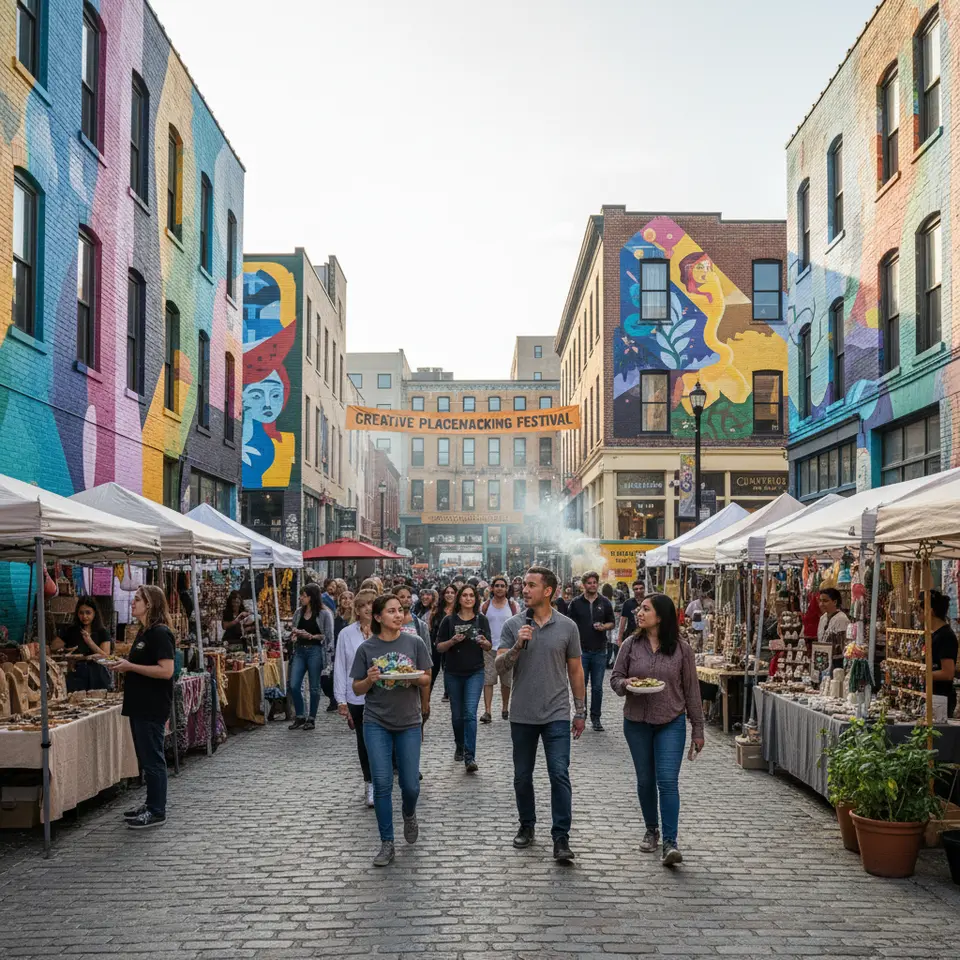
Engage Diverse Stakeholders
Starting a creative placemaking effort requires assembling a coalition of voices. Invite local artists, nonprofit representatives, business owners, and municipal staff to participate in initial discussions. These stakeholders contribute varied perspectives, resources, and networks. Hosting inclusive workshops or town halls ensures transparency and encourages buy-in. Online surveys and social media polls can supplement in-person events, making the process accessible to those who may face time or mobility constraints.
Conduct a Community Asset Mapping
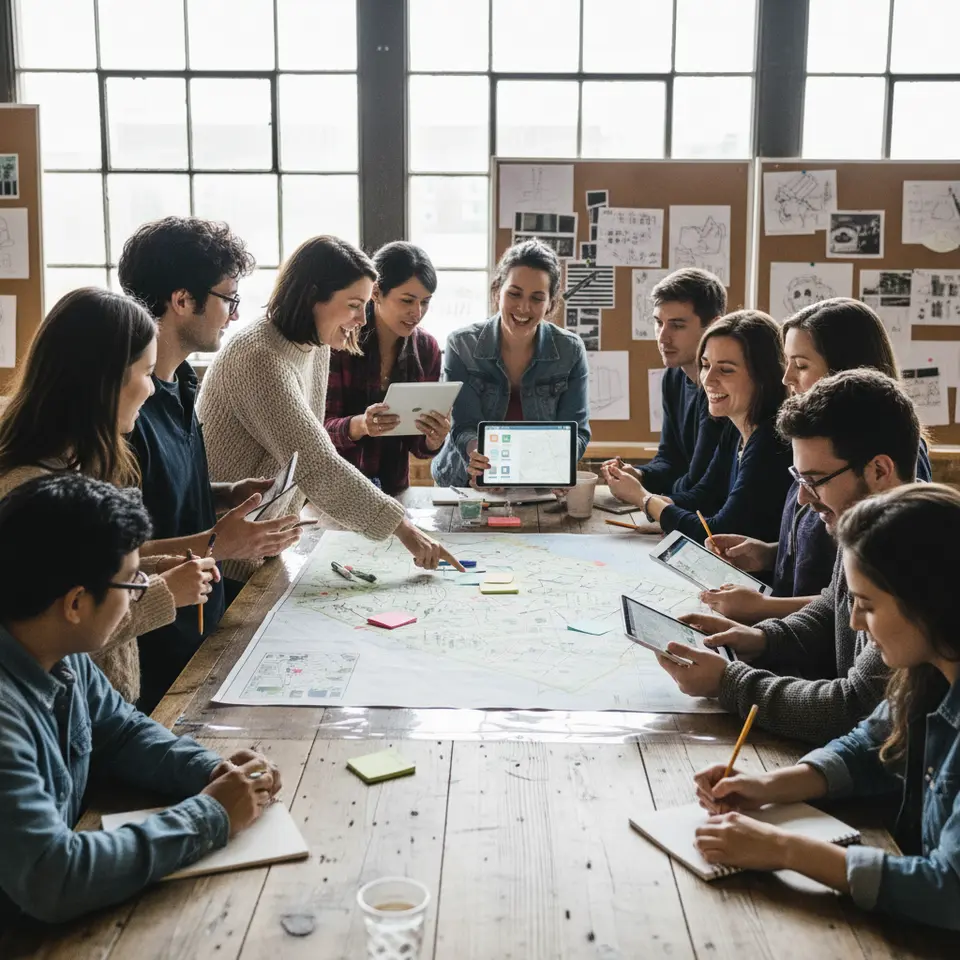
Next, catalog existing assets such as galleries, performance venues, historic landmarks, skilled artisans, and community leaders. This asset map functions as a foundation for designing projects that reflect local strengths. Interactive digital tools can visualize these resources, allowing participants to annotate locations and suggest potential uses. Understanding what is already present helps avoid duplication and leverages existing momentum.
Co-Create a Shared Vision
With stakeholders aligned, facilitate participatory design sessions in which community members and creative professionals collaborate to shape concepts. Utilizing easy-to-understand materials like sketches, mood boards, or 3D models makes the process tangible. Emphasize storytelling, asking participants to share personal experiences that can inform the artwork or cultural interventions. This co-creative approach fosters a sense of ownership and ensures that outcomes resonate with local values.
Plan for Funding and Sustainability
Securing diverse revenue streams is critical for long-term success. Explore grants from government bodies, corporate sponsorships, crowdfunding campaigns, and partnerships with local foundations. Establish a governance structure—such as a steering committee or community trust—to oversee ongoing maintenance and programming. Clear roles and accountability measures help sustain momentum beyond initial launch phases.
Measure Impact and Adapt
Finally, implement a robust evaluation framework. Define key performance indicators, including attendance numbers, social media engagement, volunteer hours, and shifts in community sentiment. Regularly revisit these metrics to assess progress and identify areas for improvement. Sharing results in public forums strengthens credibility and can unlock additional funding.
By following these steps—engaging stakeholders, mapping assets, co-creating visions, securing funding, and measuring outcomes—communities can launch creative placemaking initiatives that are both impactful and sustainable.
Navigating Challenges and Embracing Best Practices
While creative placemaking holds great promise, it also presents complexities that require careful navigation. One primary concern is the potential for rising property values to inadvertently displace long-standing residents. To address affordability risks, some communities deploy strategies such as community land trusts or inclusionary zoning policies that safeguard lower-income households. Engaging housing advocates early in the planning process can help integrate equitable measures into project designs.
Funding continuity often presents another hurdle. Grant cycles may not align with the extended timelines needed for cultural programming and maintenance. Best practices involve layering funding sources—combining governmental support with private partnerships and grassroots fundraising—to create a more resilient financial model. Building relationships with businesses that benefit from increased foot traffic can yield sponsorship opportunities while reinforcing mutual interests.
Disparate stakeholder agendas can also complicate decision-making. Artists, residents, and local officials may prioritize different outcomes, from aesthetic appeal to economic development to social services. Establishing clear communication channels, documented decision-making protocols, and conflict resolution processes helps align expectations. Regular check-ins, facilitated by neutral moderators, encourage open dialogue and prevent misunderstandings.
Incremental pilot projects serve as an effective way to demonstrate value before scaling up. Short-term installations, temporary performance spaces, or weekend pop-up events allow organizers to gather feedback, refine approaches, and showcase quick wins. These small-scale successes build trust and create a foundation for more ambitious undertakings.
Transparency is another critical component. Publicly sharing budgets, timelines, and impact assessments ensures accountability and fosters community confidence. Digital platforms can host project dashboards, while town hall meetings offer opportunities for direct engagement. When residents see how their input translates into tangible results, they remain invested in the initiative’s long-term success.
Finally, documenting lessons learned and celebrating accomplishments reinforces a culture of continuous improvement. Case studies, photo essays, and community-driven publications capture the narrative of transformation, inspiring others to replicate successful models. By adopting these best practices—addressing affordability, ensuring funding diversity, facilitating clear communication, launching pilot projects, and maintaining transparency—communities can overcome obstacles and fully leverage the potential of creative placemaking.
Frequently Asked Questions
What is creative placemaking?
Creative placemaking is a collaborative process that integrates arts and culture into community development, engaging residents, artists, and stakeholders to transform public spaces and strengthen local identity.
How can my community get started?
Begin by engaging diverse stakeholders through workshops and asset mapping, then co-create a shared vision, identify funding streams, and establish an evaluation framework to measure impact over time.
What are the key benefits?
Creative placemaking enhances social cohesion, drives economic growth by attracting visitors and businesses, elevates civic pride, and fosters resilient, adaptive communities.
How do we ensure long-term success?
Maintain transparent governance, diversify funding sources, address affordability concerns, and continuously gather feedback through pilot projects and data-driven assessments.
Conclusion
Creative placemaking represents a powerful framework for revitalizing neighborhoods, strengthening social ties, and driving sustainable economic growth. By integrating art, culture, and civic participation into the planning process, communities can rediscover their unique identities, foster intergenerational collaboration, and create vibrant public realms that reflect shared values. In today’s digital landscape, the blend of on-the-ground activations and virtual engagement expands the reach and inclusivity of these initiatives.
This year (2026), organizations at the forefront of cultural policy—such as the National Endowment for the Arts and Americans for the Arts—continue to emphasize the importance of evidence-based strategies, stakeholder co-creation, and data-driven evaluation. As you consider launching your own creative placemaking endeavor, remember to engage diverse voices, map local assets, craft a shared vision, secure a mix of funding sources, and establish transparent governance. Addressing challenges around affordability and stakeholder alignment through best practices will ensure that your projects benefit all residents without unintended side effects.
Whether you’re a dedicated civic leader, an emerging artist, or an enthusiastic resident, creative placemaking offers a pathway to enrich your surroundings and deepen community bonds. Today, you have the opportunity to spark dialogue, celebrate local heritage, and build the foundation for a thriving neighborhood that resonates for years to come.