

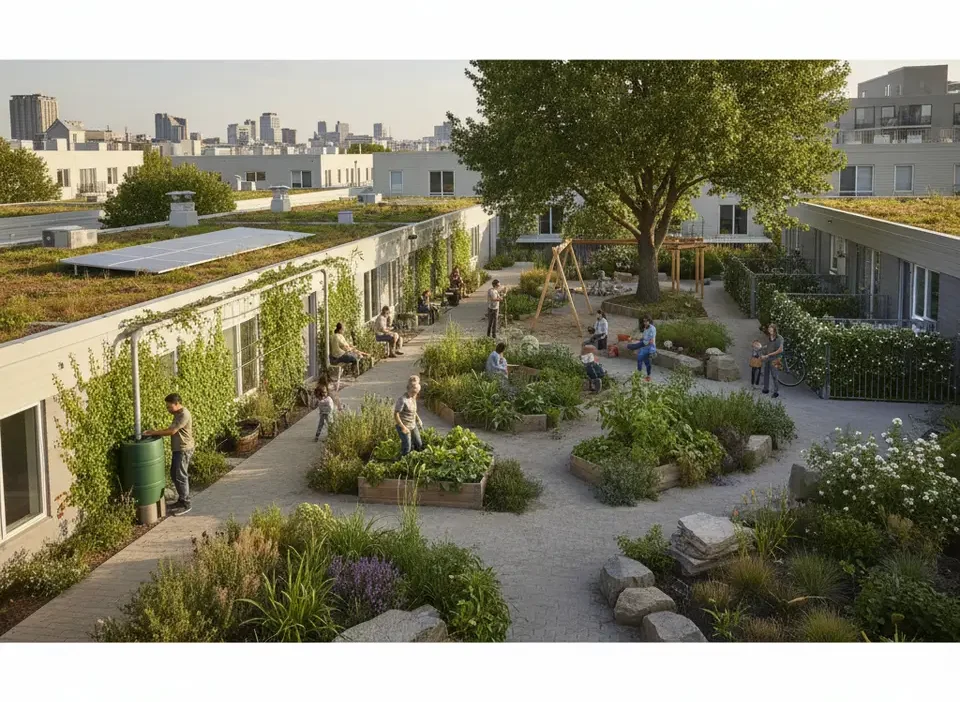
In today’s fast-paced urban environments, municipal systems face mounting pressure from surging populations, unpredictable climate events, and aging facilities. Traditional grey infrastructure—characterized by hardened surfaces like concrete drains, curbs, and centralized treatment plants—can become overwhelmed during intense storms or heatwaves. As cities expand, these rigid systems often struggle to adapt, leading to flooding, water quality issues, and urban heat islands.
Green infrastructure emerges as a promising alternative, blending ecological principles with urban planning to create multifunctional spaces. By integrating natural elements such as vegetation, permeable soils, and water-loving plants into cityscapes, green infrastructure offers stormwater management, improved air quality, and enhanced biodiversity. This nature-based framework not only reduces reliance on mechanical systems but also fosters healthier communities and resilient ecosystems.
This post delves into the fundamentals of green infrastructure, examines its core components, explores the suite of benefits it delivers, and outlines practical strategies for design and implementation. We will highlight exemplary case studies that demonstrate measurable successes and share best practices to guide municipalities, developers, and residents. Whether you are an urban planner, a sustainability advocate, or simply interested in sustainable living, this article provides a comprehensive guide tailored to the opportunities and challenges encountered in today’s digital landscape.
Defining Green Infrastructure in Today’s Landscape
Green infrastructure refers to interconnected networks of natural and engineered systems intended to manage water, mitigate flooding, and support ecological health within urban and rural settings. Unlike grey infrastructure, which directs stormwater through pipes and tunnels, green infrastructure harnesses the capacity of plants, soils, and permeable surfaces to absorb, store, and gradually release rainwater. This approach aligns with nature’s hydrological cycles and reduces stress on conventional drainage facilities.
At its core, green infrastructure embodies a shift in perspective: treating stormwater as a resource rather than a waste product. By mirroring natural processes, green infrastructure recharges groundwater, filters pollutants, and lessens peak flows that can overwhelm municipal systems. Federal agencies like the United States Environmental Protection Agency (EPA) have documented the effectiveness of such strategies (EPA), while academic institutions continue to research performance metrics and design innovations.
In today’s digital landscape, integrating real-time monitoring and data analytics into green infrastructure can further optimize performance. Sensors embedded in bioswales or permeable pavements can track soil moisture, runoff rates, and pollutant loads, enabling adaptive management. Such technological enhancements empower city managers to respond quickly to changing conditions and maximize the system’s longevity and efficiency.
Currently, green infrastructure is championed not only for water control but also for its contributions to climate adaptation. By reducing urban heat island effects, enhancing habitat corridors, and sequestering carbon, these systems support resilience against rising temperatures and extreme weather events. Throughout this year (2026), municipalities are prioritizing nature-based solutions to meet sustainability targets and safeguard public welfare.
Key Elements of Green Infrastructure Designs
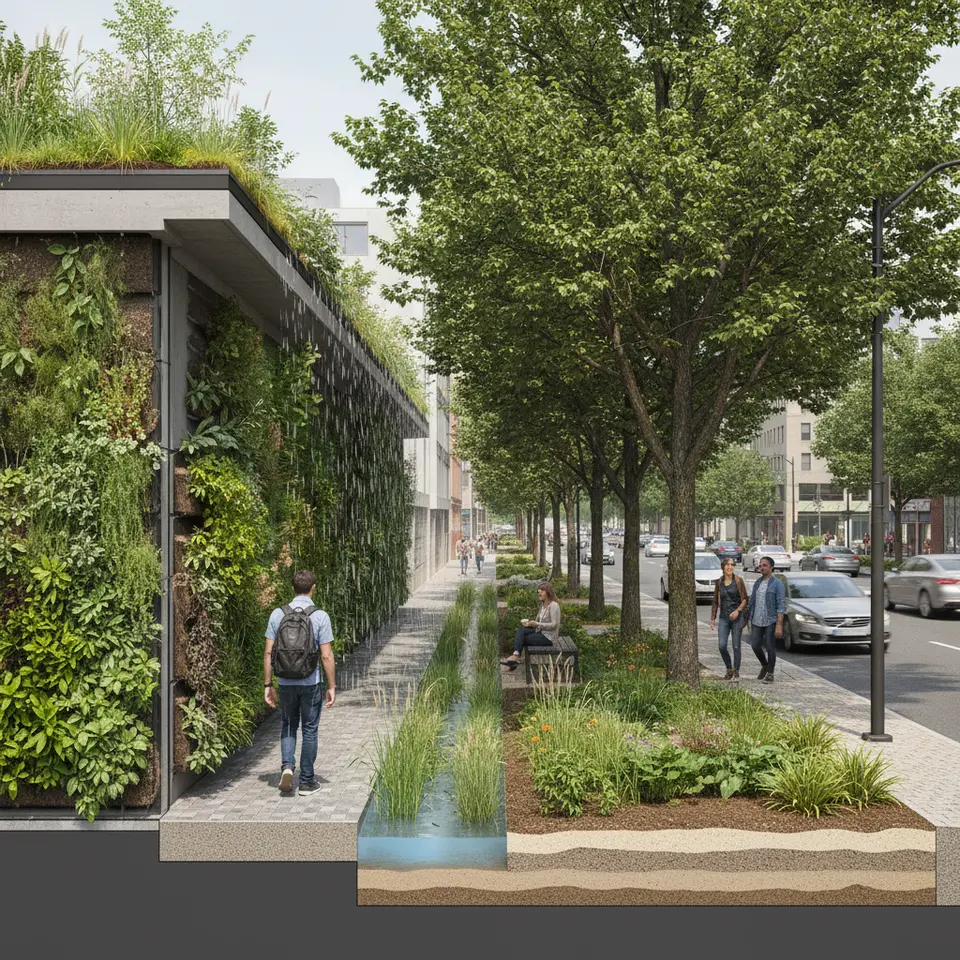
Urban trees and green spaces form the foundational backbone of any green infrastructure network. Canopy cover from mature trees intercepts rainfall, reducing the volume and velocity of stormwater that reaches ground-level surfaces. Similarly, pocket parks and open green corridors serve as informal retention areas, promoting infiltration and filtering out sediments and nutrients. Selecting native, drought-tolerant species ensures that these vegetative assets thrive with minimal irrigation and maintenance.
Green roofs and living walls capitalize on underutilized vertical and horizontal building surfaces to deliver hydrological and thermal benefits. A properly engineered green roof system comprises layers of growing medium, drainage mats, and vegetation beds, capable of retaining substantial volumes of rainwater. Studies have shown that extensive green roofs can intercept up to 70% of annual precipitation. Living walls, meanwhile, create vertical habitats that enhance urban biodiversity, reduce façade temperatures, and improve air quality in densely built areas.
Rain gardens and bioswales represent strategically placed depressions or channels designed to capture and treat runoff from impervious surfaces. By incorporating engineered soils and deep-rooted plants, these features slow water flow, allow sediments to settle, and facilitate pollutant removal through microbial activity. Rain gardens can be installed adjacent to sidewalks, parking lots, or rooftops, while bioswales often run parallel to roadways, providing both stormwater control and aesthetic appeal.
Permeable pavements, including porous concrete, permeable interlocking pavers, and open-graded aggregates, enable water to infiltrate through surface voids into underlying storage layers. When combined with subgrade storage and infiltration trenches, these pavements can effectively manage stormwater on-site. Proper design and maintenance are crucial to prevent clogging and maintain hydraulic conductivity over time. Together, these core components illustrate the versatile toolkit that green infrastructure provides for modern cities.
Community and Environmental Benefits of Green Infrastructure
Green infrastructure delivers significant environmental improvements by enhancing water quality, regulating microclimates, and preserving biodiversity. Vegetation and soil media in these systems act as natural filters, trapping sediments, nutrients, and heavy metals before they contaminate waterways. Additionally, increased green cover mitigates urban heat islands by providing shade and promoting evapotranspiration, resulting in cooler ambient temperatures and lower energy consumption for cooling buildings.
Social and health outcomes also improve when residents gain access to green infrastructure features. Studies conducted by the National Institutes of Health underscored connections between green space exposure and reduced stress, improved mood, and lower incidence of cardiovascular diseases (NIH). Community gardens, green corridors, and urban parks encourage physical activity and outdoor recreation, fostering stronger social ties and enhancing overall quality of life in neighborhoods that adopt these interventions.
Economically, green infrastructure offers a compelling return on investment. While upfront costs may be higher compared to conventional grey solutions, long-term savings accrue through reduced flood damages, decreased peak energy demands, and lower maintenance expenses. Properties adjacent to well-maintained green spaces often experience increases in value and attractiveness to businesses, generating additional tax revenue. By decentralizing stormwater management, green infrastructure also defers the need for costly extensions of sewer and drainage systems.
Moreover, green infrastructure establishes a platform for long-term resilience and climate adaptation. By incorporating designs that sequester carbon, buffer storm surges, and reduce glare and noise pollution, these systems help cities navigate the complexities of climate change. As communities plan for future uncertainties, the multifunctional nature of green infrastructure ensures that investments deliver both immediate and lasting benefits.
In addition to human-centric benefits, green infrastructure fosters urban ecological networks that support pollinators, birds, and other wildlife. Creating habitat corridors through street tree plantings, green roofs, and vegetated swales enhances connectivity between fragmented ecosystems. These ecological service gains contribute to soil health, pest regulation, and seed dispersal, further reinforcing the value of green infrastructure in creating sustainable and balanced urban environments.
Strategies for Planning and Executing Green Infrastructure Projects
Effective green infrastructure initiatives begin with a thorough site assessment that maps existing hydrological patterns, soil characteristics, and land use. Planners can employ geographic information systems (GIS) to identify hydrologic hotspots—areas prone to runoff concentration or flooding—and evaluate impervious surface coverage. This data-driven approach lays the groundwork for prioritizing interventions that maximize stormwater attenuation and ecological enhancement.
Engaging stakeholders early in the process is essential to align objectives and foster community ownership. Municipal agencies, local businesses, residents, and environmental groups should participate in collaborative workshops and visioning sessions to define desired outcomes. Through transparent dialogue, diverse perspectives help shape design criteria, maintenance plans, and performance targets, ensuring that green infrastructure projects address both technical requirements and social needs.
Securing adequate funding often involves diversifying revenue streams and leveraging incentive programs. Grants from federal and state agencies, stormwater utility fees, public-private partnerships, and green bonds can offset capital costs. Innovative approaches, such as environmental impact bonds or reward-based crowdsourcing, empower communities to invest in sustainable infrastructure. Municipal codes and zoning ordinances should be updated to integrate green infrastructure standards, making nature-based solutions a routine element of urban development.
Once installations are complete, robust monitoring and adaptive management processes guarantee long-term success. Simple performance indicators—such as runoff volume reduction, infiltration rates, plant health, and user satisfaction—can be tracked through manual sampling or low-cost sensors. Data collected informs maintenance schedules and design refinements, enabling practitioners to iterate on strategies and optimize system performance over time.
Capacity building through training workshops and certification programs can enhance the competency of landscape architects, engineers, and maintenance crews. Collaborations with academic institutions or extension services—such as those offered by state universities—provide valuable resources and ensure that project teams stay informed about the latest green infrastructure techniques and regulatory requirements.
Real-World Success Stories and Best Practices
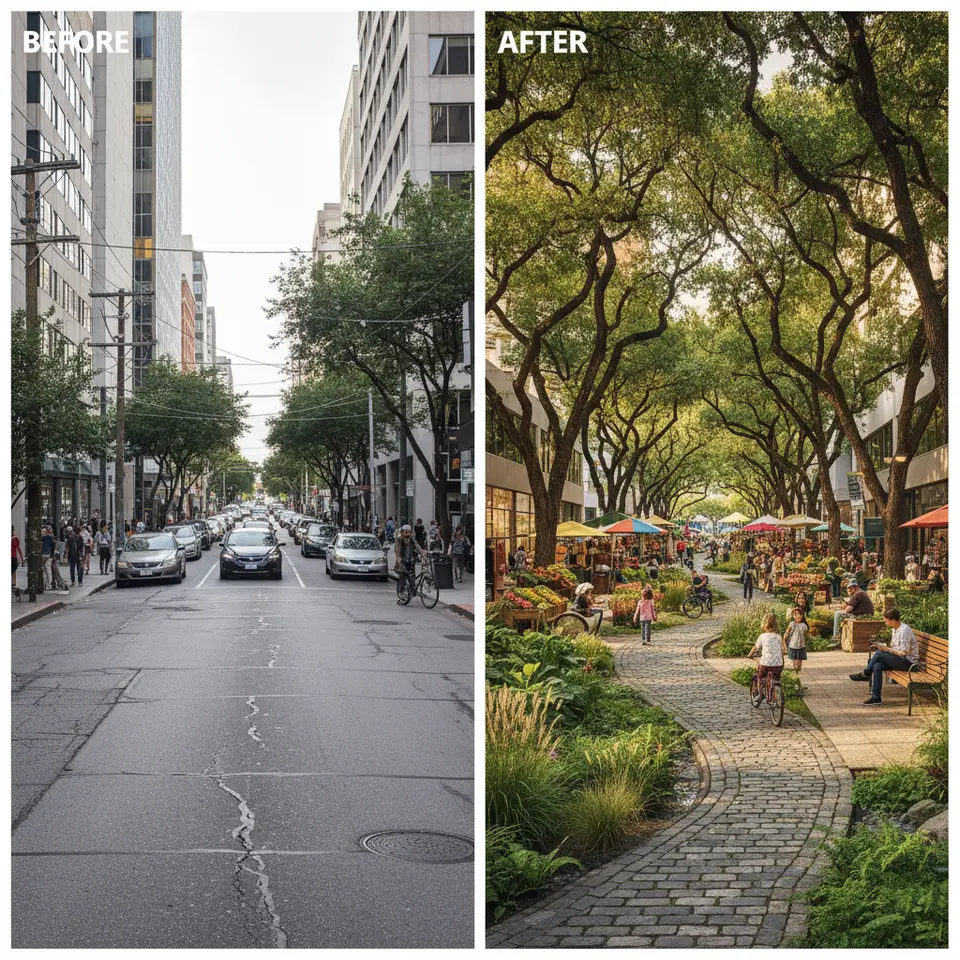
A shining example of green infrastructure in action is the Green Streets initiative in a mid-sized urban center, where a former arterial roadway was transformed into a lush corridor featuring bioswales, stormwater planters, and permeable sidewalks. Post-construction monitoring revealed a 35 percent reduction in peak runoff volumes during major storms, while the enhanced tree canopy and vegetated features provided inviting public spaces for local markets and community gatherings.
In a suburban riverside neighborhood, residents collaborated to establish a rain garden network that intercepted rooftop and driveway runoff before it overwhelmed aging drainage systems. With support from local authorities, homeowners received design templates and cost-sharing grants to install 60 interconnected gardens. Within two years, the program managed over 1.8 million gallons of stormwater annually and achieved a 55 percent drop in localized flooding incidents.
Implementing green infrastructure at scale can surface obstacles such as regulatory barriers, maintenance uncertainties, and skepticism about performance. To address these challenges, municipalities have revised ordinances to accommodate flexible stormwater solutions and developed centralized maintenance frameworks that delineate roles for city crews, contractors, and civic volunteers. Pilot projects demonstrating tangible benefits also help win public support and attract further investments.
Drawing from these cases, best practices emerge: prioritize multifunctional designs that blend stormwater control, recreation, and habitat creation; select native, drought-resistant plants to minimize upkeep; incorporate community feedback at every stage; and leverage forecasts and climate data from trusted sources like NOAA to tailor designs for extreme weather patterns. By committing to adaptive management and continuous learning, practitioners can ensure that green infrastructure remains a resilient and cost-effective asset throughout its lifespan.
FAQ
What is green infrastructure? Green infrastructure is an interconnected network of natural and engineered elements—such as trees, green roofs, rain gardens, and permeable pavements—designed to manage stormwater, improve air and water quality, and enhance urban biodiversity.
What are the primary benefits of green infrastructure? Key benefits include reduced flooding and peak stormwater flows, improved water quality through natural filtration, mitigation of urban heat islands, enhanced wildlife habitat, better public health outcomes, and long-term economic savings.
How can municipalities support green infrastructure implementation? Cities can update zoning and building codes to require or incentivize green infrastructure, secure diverse funding sources like grants or green bonds, engage stakeholders through workshops, and establish monitoring and maintenance programs to ensure performance.
Conclusion
Green infrastructure offers a holistic framework for reshaping how we manage water, mitigate climate impacts, and foster healthier communities. By embedding natural processes into urban and suburban landscapes, these systems alleviate pressures on conventional drainage networks, reduce urban heat islands, and enhance biodiversity. The interconnected benefits—ranging from improved water quality and public health to economic growth and social cohesion—underscore the versatility of green infrastructure solutions in meeting multifaceted objectives.
As cities and towns continue to seek sustainable pathways, embracing green infrastructure initiatives provides a roadmap for resilience in today’s digital landscape. This year (2026), stakeholders across government, private sector, and grassroots organizations are well-positioned to harness nature-based strategies to navigate environmental uncertainties and create vibrant public spaces. Investing in green infrastructure not only addresses immediate environmental concerns but also signals a commitment to innovative urban stewardship. By prioritizing these living systems, communities can unlock new economic opportunities, strengthen civic pride, and lay the groundwork for enduring resilience in the face of rapid change.