
Understanding Green Infrastructure
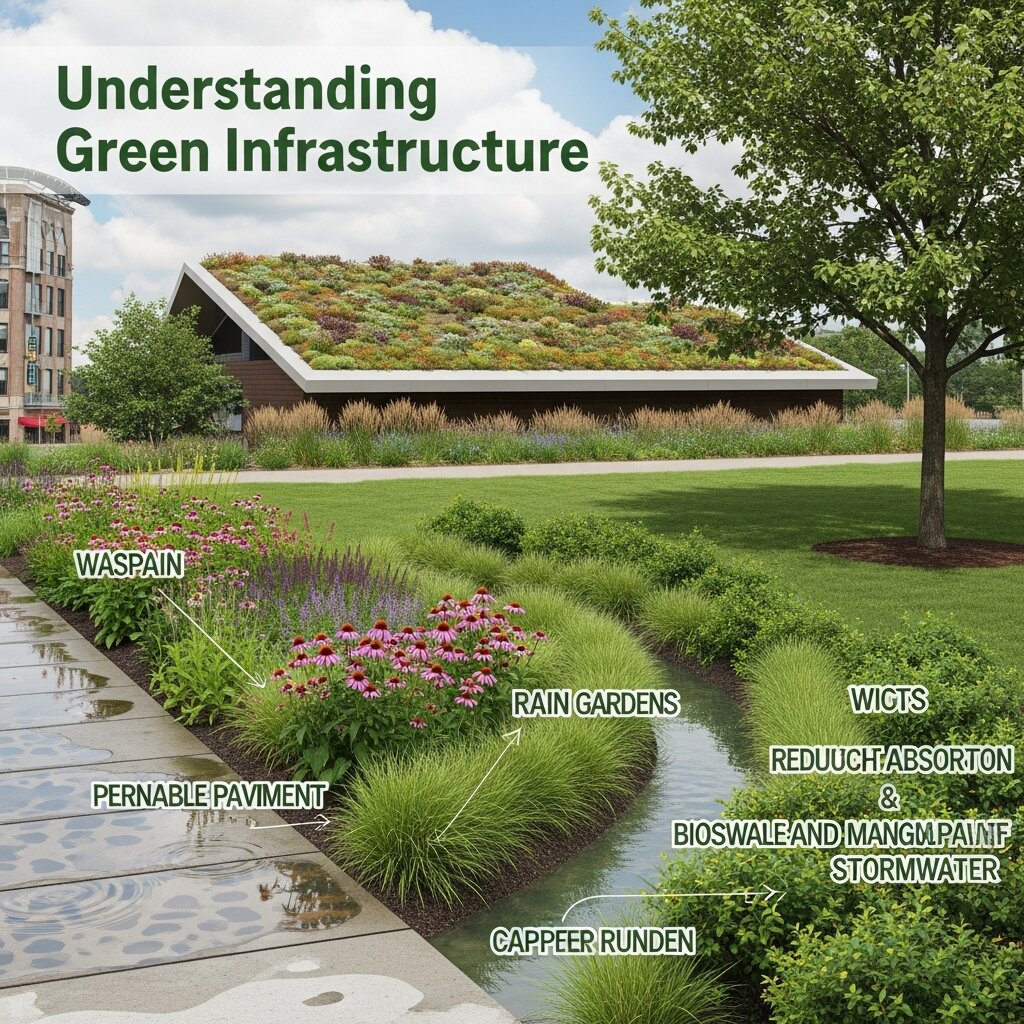
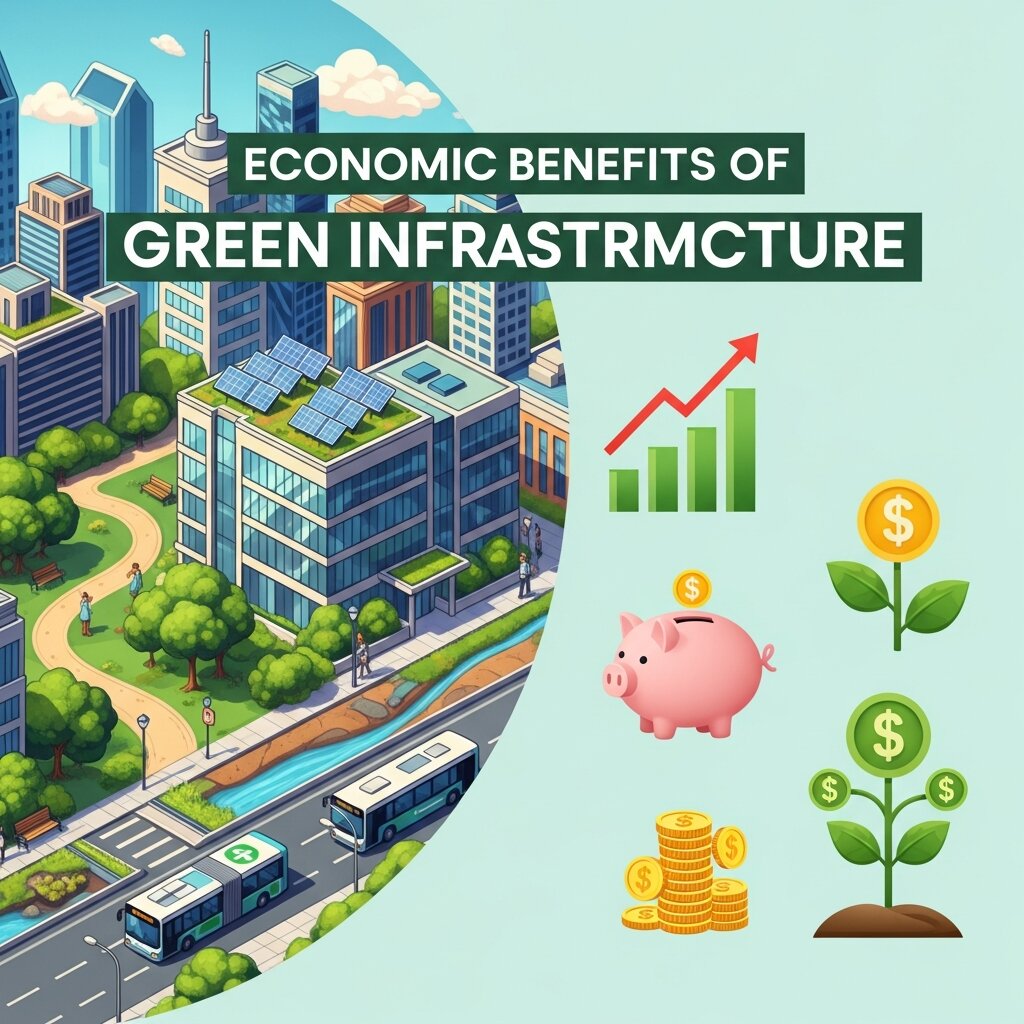
Green infrastructure refers to a connected network of natural and semi-natural systems that deliver environmental, social, and economic benefits. Unlike conventional development, it works in harmony with nature instead of replacing it. It includes urban forests, parks, green roofs, rain gardens, wetlands, and permeable surfaces that allow water to naturally absorb into the ground. These systems help manage stormwater, reduce pollution, and support biodiversity in urban and rural areas. Beyond environmental benefits, they also create pleasant public spaces for recreation and relaxation. By integrating ecological design into city planning, communities can improve air quality, enhance aesthetics, and promote healthier lifestyles. This approach is also cost-effective, offering long-term sustainability while improving overall ecosystem balance and supporting human wellbeing.
Green Infrastructure and Community Resilience
Nature-based systems play a major role in helping communities adapt to climate challenges and environmental stress. Increasing floods, heatwaves, and pollution require adaptive solutions that strengthen local stability. Natural elements like trees, wetlands, and green spaces help absorb excess rainwater, reduce flooding risks, and cool down overheated urban areas. These improvements make neighborhoods safer and more livable during extreme weather conditions. At the same time, shared outdoor spaces encourage social interaction, cooperation, and stronger community bonds. This enhances social strength alongside environmental protection. By integrating these systems into planning, communities become better prepared for disasters while also improving quality of life, public safety, and long-term environmental stability in both urban and rural settings.
Urban Planning and Green Infrastructure Integration
Modern city development increasingly incorporates nature-based solutions into planning strategies. Urban designers now focus on balancing construction with environmental preservation by integrating parks, green corridors, rooftop gardens, and natural drainage systems into city layouts. These features help improve airflow, reduce traffic congestion, and create healthier neighborhoods. Such planning also supports biodiversity by providing habitats for birds, insects, and small wildlife within urban environments. In addition, properties near green zones often experience increased value and investment interest. This approach not only enhances environmental conditions but also improves public health by reducing pollution and heat stress. It represents a shift toward smarter, more sustainable urban growth that aligns infrastructure development with ecological responsibility and community wellbeing.
Stormwater Management through Natural Systems
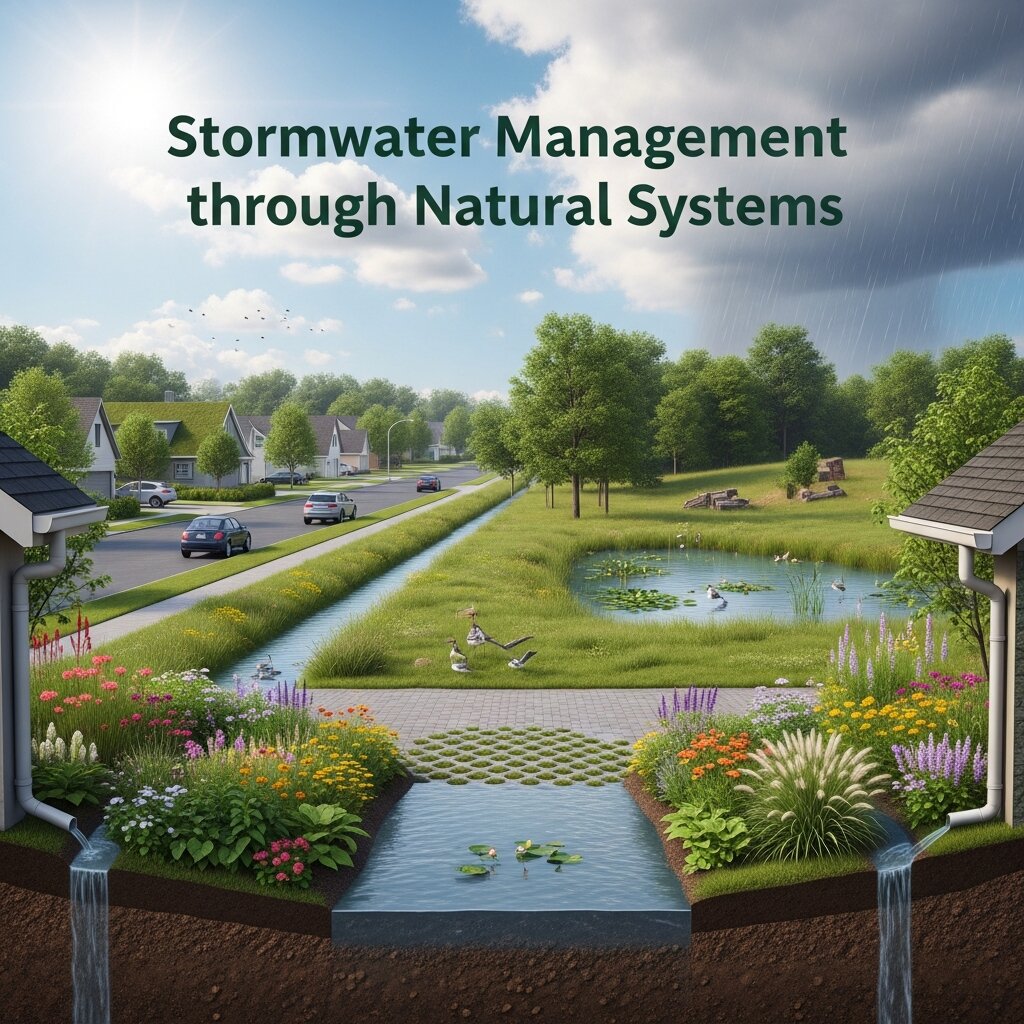
Managing heavy rainfall in urban areas is a growing challenge due to rapid development and reduced natural land absorption. Nature-based drainage systems provide an effective solution by slowing, absorbing, and filtering rainwater. Features such as rain gardens, bioswales, green roofs, and permeable pavements allow water to naturally seep into the ground instead of overwhelming drainage systems. This reduces flooding risks, prevents water pollution, and protects urban infrastructure from damage. It also helps replenish underground water reserves, maintaining natural hydrological cycles. Compared to traditional advertising strategies for drainage systems, these solutions are more sustainable and require less long-term maintenance. By working with natural processes, cities can better manage water resources while improving environmental resilience and reducing infrastructure costs over time.
Reducing Urban Heat and Improving Public Health
Urban areas often experience higher temperatures due to concrete structures and limited vegetation, creating what is known as heat island effects. Introducing natural elements like trees, shaded parks, and vegetated rooftops helps lower surface temperatures and improve air quality. This makes outdoor environments more comfortable and reduces heat-related health risks, especially during extreme weather conditions. Cleaner air also supports better respiratory health and reduces pollution-related illnesses. In addition to physical benefits, access to natural environments supports mental well-being by reducing stress, anxiety, and fatigue. People living near green spaces tend to have higher overall life satisfaction and better social interaction. These combined benefits contribute to healthier, more livable cities that prioritize both environmental and human wellbeing.
Community Tool Libraries and Local Engagement
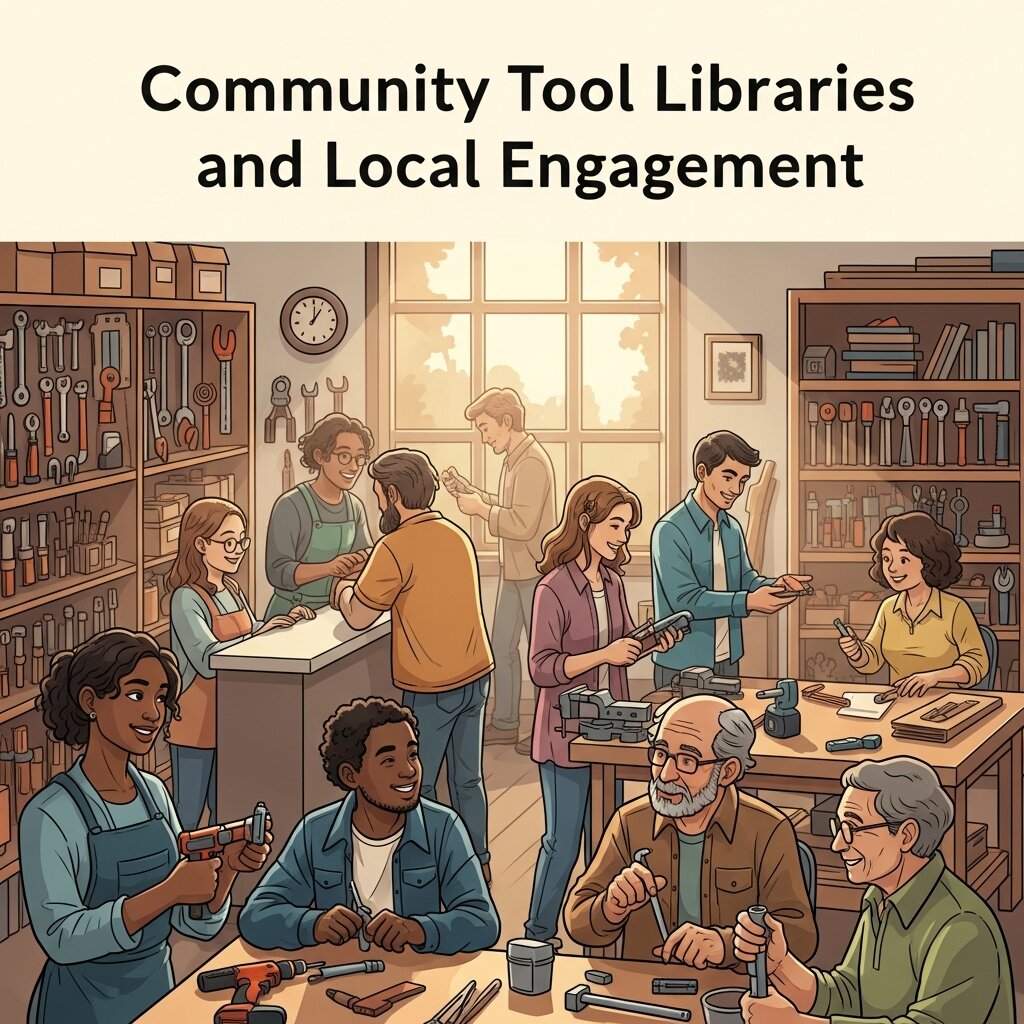
Shared resource systems like tool libraries empower residents to actively participate in local environmental projects. By providing access to gardening tools, planting equipment, and maintenance supplies, these community hubs make sustainability efforts more affordable and accessible. Residents can use shared tools to build rain gardens, plant trees, and maintain shared green spaces without needing to invest individually. This encourages collective responsibility and increases participation in neighborhood improvement projects. It also promotes skill-sharing, where community members learn from each other through hands-on experience. Such initiatives strengthen social connections and foster a sense of ownership over local environments. Over time, they help transform neighborhoods into more sustainable, self-reliant, and environmentally conscious communities focused on long-term improvement.
Explore more: Community Tool Libraries
Policy and Government Support for Green Infrastructure
Government policies play a crucial role in promoting sustainable urban development through nature-based solutions. Many cities now include ecological planning in their climate action strategies to reduce environmental risks and improve public well-being. Policy support ensures funding, regulation, and long-term maintenance of urban nature systems. It also encourages private sector participation and community involvement. When governments prioritize sustainable planning, cities become more resilient, healthier, and better prepared for climate challenges. Strong policies help integrate nature into infrastructure development, making environmental protection a core part of urban growth and long-term community resilience.
Key Points:
- Supports long-term environmental planning
- Encourages public and private collaboration
- Provides funding for sustainable projects
- Strengthens climate adaptation strategies
- Improves urban health and safety
| Policy Area | Key Benefit | Community Impact |
|---|---|---|
| Climate Action Plans | Reduces environmental risks | Safer living conditions |
| Urban Planning Laws | Integrates nature into cities | Healthier environments |
| Funding Programs | Supports green projects | Increased community participation |
| Environmental Regulations | Controls pollution and waste | Cleaner air and water |
Harnessing Community Champions for Sustainability
Local leaders and motivated individuals often play a crucial role in encouraging environmental awareness and action. These community-driven advocates organize activities such as tree planting events, clean-up drives, and educational workshops. Their efforts help raise awareness about sustainable living practices and encourage wider participation. They also act as a bridge between residents and local authorities, ensuring that environmental initiatives are effectively communicated and implemented. Through consistent engagement, they inspire others to take responsibility for their surroundings and adopt eco-friendly habits. Their leadership builds trust within communities and motivates collective action. As a result, environmental responsibility becomes a shared effort rather than an individual task, strengthening long-term commitment to sustainable development goals.
Learn more: Harnessing Community Champions
Community Solar Cooperatives and Sustainable Living
Collaborative renewable energy projects are becoming an important part of sustainable community development. These shared energy systems allow residents to collectively invest in solar power solutions, reducing dependence on fossil fuels and lowering energy costs. When combined with nature-based planning, solar installations can be integrated into rooftops, open landscapes, and shared community spaces. This approach maximizes land use efficiency while supporting clean energy generation. It also improves energy accessibility for households that may not be able to install systems individually. By encouraging shared ownership, these cooperatives promote fairness, cooperation, and environmental responsibility. Together, renewable energy and nature-based planning create more efficient, low-carbon communities that are better prepared for future energy and climate challenges.
Read more about this topic: Community Solar Cooperatives