
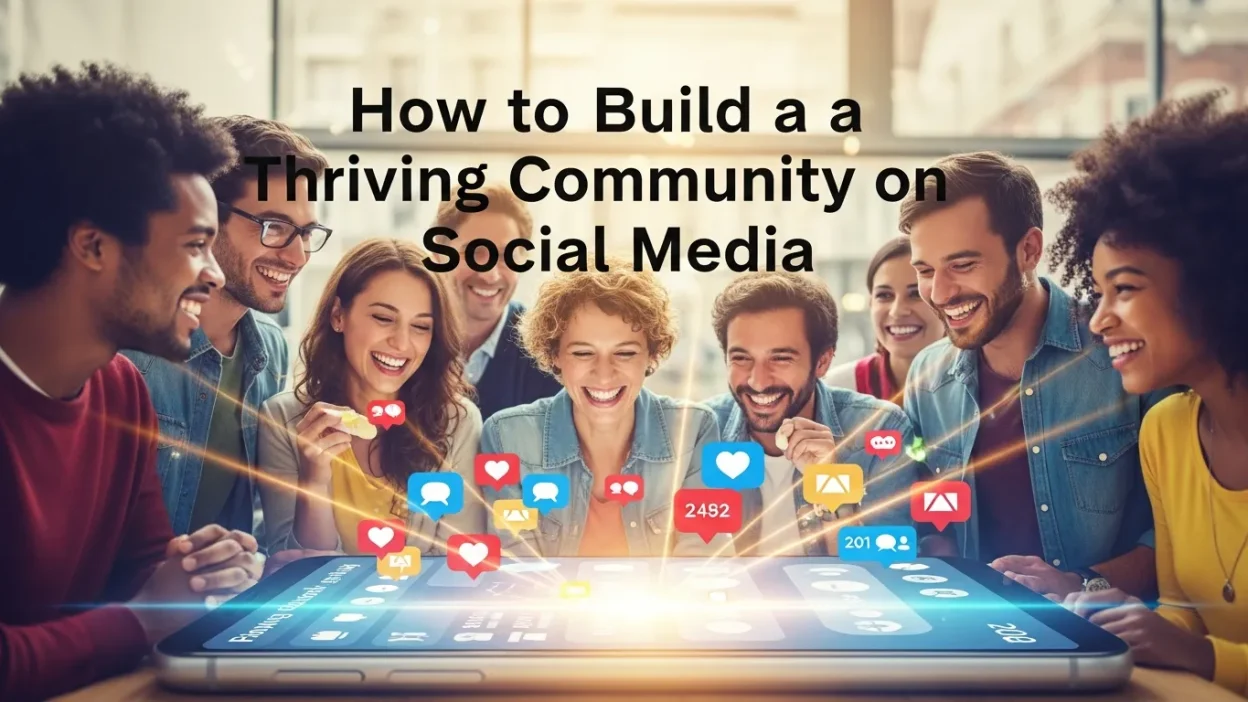
Building a strong community on social media goes far beyond gaining followers or increasing likes. It requires shared values, consistent engagement, authentic interaction, and structured moderation. By understanding your audience, encouraging participation through interactive content and user-generated contributions, and measuring meaningful engagement metrics, brands can transform passive audiences into loyal advocates. A well-nurtured community on social media creates deeper trust, stronger relationships, and long-term brand growth.
Social media has transformed how brands connect with their audiences. Gone are the days when businesses could simply broadcast messages and hope for conversions. Audiences now expect meaningful interactions, shared values, and a sense of belonging. Building a genuine community on social media has become essential for long-term success.
But what does it actually mean to build community? And how can you shift from collecting followers to cultivating engaged advocates who champion your brand?
What Is a Social Media Community?
A community on social media is much more than simply having followers, likes, or other vanity metrics. While these numbers can signal reach, they do not reflect the depth of engagement or the quality of connections. A true social media community is a vibrant, interactive ecosystem where people come together around shared interests, values, or goals connected to your brand or industry.
Members of such a community:
-
Share common interests or values – They are united not just by your products or services but by principles, passions, or topics that matter to them.
-
Engage actively – They comment, participate in discussions, and interact with both your content and other community members.
-
Feel a sense of belonging – Members identify with the community, seeing it as a place where they can connect with like-minded individuals.
-
Advocate organically – They promote your brand through recommendations, shares, and authentic endorsements without prompting.
True members don’t passively consume content—they contribute, spark conversations, create their own posts, and collaborate with others. They treat your social channels as a gathering space, a hub for meaningful interaction, rather than a one-way broadcast from the brand.
The key distinction between an audience and a community lies in participation and connection. An audience simply listens or observes, whereas a community engages, contributes, collaborates, and grows together, often creating content and interactions that extend beyond what the brand produces. Communities also foster trust, loyalty, and advocacy—elements that are difficult to achieve through traditional marketing alone.
In essence, a social media community transforms your digital presence from a platform for messages into a dynamic ecosystem where relationships, shared experiences, and collective engagement drive sustainable growth.
Identifying Your Core Audience and Shared Values
Before you can successfully build a community on social media, it’s crucial to first understand exactly who you’re trying to reach and engage. Knowing your audience ensures that your strategies resonate deeply, encourage active participation, and foster long-term loyalty.
Define Your Ideal Community Members
Start by asking key questions about your audience:
-
What specific problems does your product or service solve for them?
-
What values and principles does your brand represent?
-
Who benefits most from your offerings?
-
Beyond your product, what shared interests or passions bring these people together?
Once you’ve answered these questions, create detailed profiles of your ideal members. Go beyond basic demographics like age, gender, or location. Dive into their:
-
Pain points and challenges – Understand the obstacles or frustrations they face in your industry or niche.
-
Aspirations and goals – Know what they hope to achieve personally or professionally.
-
Content preferences – Identify whether they prefer videos, blog posts, podcasts, live streams, or short-form social media content.
-
Communication styles – Learn how they engage online, whether they participate in discussions, comment actively, or share content.
-
Other communities they participate in – This helps uncover where they spend time online and how you might connect with them.
This in-depth understanding allows you to create content, conversations, and experiences that truly resonate with your audience, rather than generic posts that get ignored.
Establish Shared Values
A thriving community on social media is built on shared beliefs and principles. Members are more likely to engage consistently and advocate for your brand when they feel aligned with your values. Consider identifying values such as:
-
Sustainability and environmental responsibility – Shows that your brand cares about the world beyond profit.
-
Innovation and creativity – Appeals to audiences looking for fresh ideas and forward-thinking solutions.
-
Health and wellness – Resonates with communities focused on personal development and wellbeing.
-
Personal growth and learning – Attracts members who are curious and eager to improve.
-
Social justice and equality – Engages audiences who value fairness, inclusivity, and ethical behavior.
Aligning your brand’s values with those of your audience creates a strong emotional connection. Members don’t just see your social channels as places for information—they see them as a gathering space where their beliefs and interests are understood and shared. This alignment transforms followers into active participants who contribute content, engage in discussions, and ultimately become loyal advocates for your brand. reading more Measuring Community Success
Engagement Tactics That Foster Belonging
Once you’ve identified your core audience, implement strategies that encourage active participation and connection.
Use Interactive Content Formats
Interactive content invites participation rather than passive consumption:
- Polls and surveys: Ask for opinions on industry trends, product features, or content topics
- Question stickers: Encourage followers to share their experiences and challenges
- Quizzes: Create fun, shareable assessments related to your niche
- Challenges: Launch hashtag challenges that inspire user-generated content
Host Live Sessions
Live video creates real-time connections that recorded content can’t match:
- Q&A sessions: Answer community questions and provide expert advice
- Behind-the-scenes tours: Show the human side of your brand
- Expert interviews: Bring in guests who add value to your community
- Product demonstrations: Showcase features while addressing questions live
Live sessions feel more personal and create opportunities for spontaneous, authentic interactions.
Leverage User-Generated Content
User-generated content (UGC) transforms community members into co-creators:
- Feature customer stories: Share testimonials, case studies, and success stories
- Repost member content: Celebrate community contributions with proper credit
- Create branded hashtags: Make it easy for members to share and discover related content
- Run contests: Incentivize content creation with prizes or recognition
UGC validates community members and shows potential members what they can expect when they join.
Respond Consistently and Authentically
Engagement is a two-way street. Your community needs to know you’re listening:
- Reply to comments within 24 hours whenever possible
- Acknowledge contributions with specific, personalized responses
- Ask follow-up questions to deepen conversations
- Thank members for their participation and support
Authentic engagement demonstrates that you value community input and aren’t just broadcasting messages.
Consistency and Moderation Best Practices
Healthy communities require ongoing maintenance and clear guidelines.
Establish Community Guidelines
Set clear expectations for behavior and participation:
- Outline acceptable and unacceptable conduct
- Explain consequences for guideline violations
- Communicate your commitment to inclusivity and respect
- Make guidelines easily accessible
Well-defined guidelines protect community culture and help members understand how to contribute positively.
Maintain a Consistent Posting Schedule
Consistency builds trust and keeps your community engaged:
- Post regularly at times when your audience is most active
- Balance content types (educational, entertaining, inspirational, promotional)
- Maintain your brand voice across all interactions
- Show up even when you’re not selling
Regular presence signals your commitment to the community beyond business objectives.
Moderate Proactively
Effective moderation preserves community health:
- Monitor conversations for spam, harassment, or inappropriate content
- Address conflicts quickly and fairly
- Empower community members to self-moderate with reporting tools
- Stay neutral in contentious discussions unless they violate guidelines
Proactive moderation prevents small issues from escalating and maintains a welcoming environment for all members.
Recognize and Reward Active Members
Acknowledgment encourages continued participation:
- Highlight top contributors in posts or stories
- Offer exclusive perks to engaged community members
- Create ambassador programs for your most passionate advocates
- Celebrate milestones (membership anniversaries, contribution counts)
Recognition makes community members feel valued and motivates others to increase their engagement.
Measuring Success Beyond Vanity Metrics

Follower counts and likes don’t tell the full story of community health. Track metrics that reflect genuine engagement and connection.
Monitor Meaningful Interaction Rates
Look beyond surface-level metrics:
- Comment quality and depth: Are people having conversations or just dropping emojis?
- Conversation threads: How many back-and-forth exchanges happen in comments?
- Share rates: Are community members amplifying your content to their networks?
- Direct message volume: Are people reaching out for genuine conversations?
These indicators reveal whether your community feels comfortable engaging authentically.
Track Sentiment and Brand Perception
Understand how community members feel about your brand:
- Analyze comment sentiment using social listening tools
- Monitor brand mentions across platforms
- Survey community members regularly about their experience
- Track Net Promoter Score (NPS) to measure advocacy
Positive sentiment and strong advocacy signal a healthy, engaged community.
Measure User-Generated Content Volume
UGC creation demonstrates deep engagement:
- Count hashtag uses for your branded tags
- Track mentions and tags in member posts
- Monitor review and testimonial submissions
- Measure participation rates in challenges and contests
High UGC volume indicates that community members feel invested in your brand story.
Assess Long-Term Retention
Community building is a marathon, not a sprint:
- Track follower retention rates over time
- Measure repeat engagement from the same users
- Monitor community growth velocity alongside retention
- Analyze customer lifetime value for community members versus non-members
Strong retention and increasing customer value demonstrate that your community strategy drives business results.
How Community Building Drives Sustainable Growth
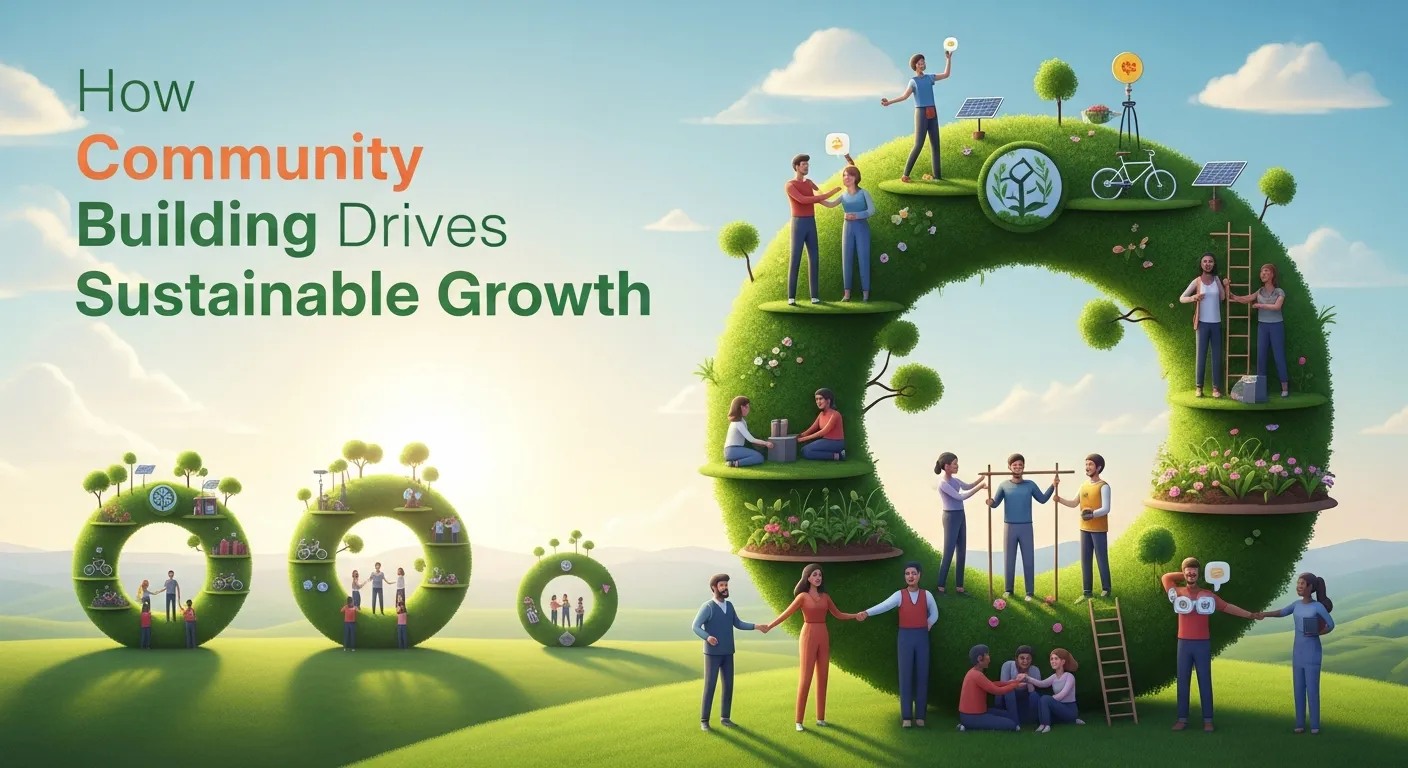
Investing in community on social media delivers returns that extend far beyond immediate sales.
Loyal community members become your most effective marketers. They recommend your products organically, defend your brand during crises, and provide valuable feedback that shapes your offerings.
Communities also provide a competitive advantage that’s difficult to replicate. While competitors can copy your products or pricing, they can’t duplicate the relationships and culture you’ve built with your audience.
Start small. Focus on depth of connection rather than breadth of reach. Engage authentically, listen actively, and create spaces where people feel valued and heard.
The communities you build today will fuel your brand’s growth for years to come.
Conclusion
Creating a thriving community on social media is a long-term investment in relationships rather than short-term visibility. When brands prioritize connection over promotion, listening over broadcasting, and participation over vanity metrics, they cultivate loyalty that competitors cannot easily replicate. With clear values, consistent engagement, proactive moderation, and ongoing measurement, your community becomes more than a marketing channel—it becomes a powerful ecosystem of advocacy, trust, and sustainable growth.
Frequently Asked Questions
1. What is a community on social media?
A community on social media is a group of people who actively engage with your brand and with each other based on shared interests, values, or goals, rather than simply following your account.
2. Why is building a community on social media important for brands?
It strengthens trust, increases loyalty, encourages organic advocacy, and creates long-term customer relationships that go beyond transactional interactions.
3. How is a community different from an audience?
An audience consumes content passively, while a community participates in discussions, contributes content, and builds relationships within the ecosystem.
4. Which platforms are best for building a community on social media?
Platforms like Facebook Groups, Instagram, LinkedIn, TikTok, and X (Twitter) can all support community building, depending on where your target audience is most active.
5. How can interactive content strengthen a community on social media?
Polls, Q&A sessions, challenges, quizzes, and live streams encourage participation, making members feel heard and valued.
6. What role does user-generated content play in community building?
User-generated content increases authenticity, encourages participation, and shows that members are actively involved in shaping the brand narrative.
7. How often should brands engage with their community?
Consistent daily engagement—responding to comments, messages, and discussions—helps maintain trust and keeps the community active.
8. How do you handle negativity or conflict within a community?
Clear guidelines, proactive moderation, respectful communication, and fair enforcement of rules help maintain a safe and welcoming environment.
9. What metrics indicate a healthy community on social media?
Meaningful engagement rates, conversation depth, user-generated content volume, positive sentiment, retention rates, and advocacy levels are strong indicators.
10. Can small businesses build a strong community on social media?
Yes. Small businesses often succeed because they can engage more personally and authentically with their members.
11. How long does it take to grow a community on social media?
Community building takes time and consistency. While engagement can begin quickly, strong loyalty and advocacy typically develop over several months.
12. How does community building contribute to long-term growth?
A well-developed community increases customer lifetime value, improves retention, generates referrals, and provides valuable feedback that supports continuous improvement.