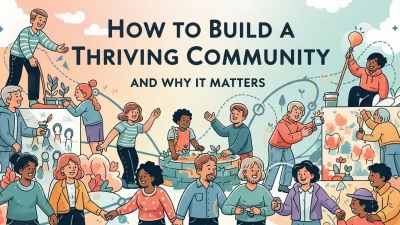

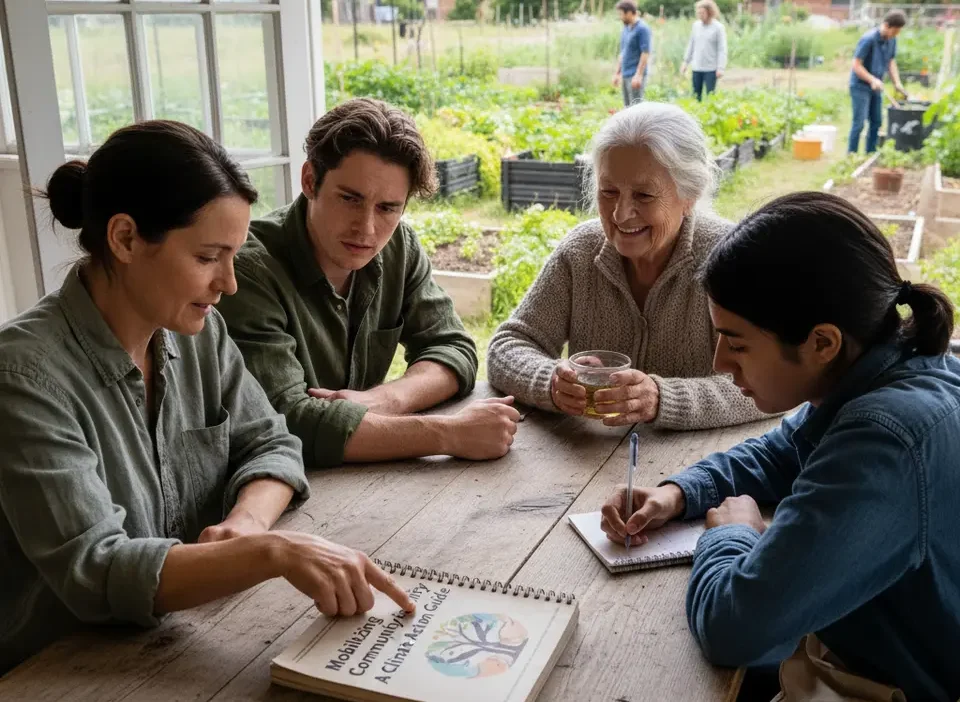
Climate patterns are shifting across the globe, presenting local populations with more frequent storms, prolonged droughts, and heat extremes. Municipal budgets, critical infrastructure, and public health services are increasingly strained under these pressures. Against this backdrop, communities must cultivate a robust capacity to absorb disturbances and recover swiftly after shocks. This concept, known as community resilience, has emerged as a cornerstone for safeguarding livelihoods and strengthening social bonds in the face of climate volatility.
Today, local leaders, planners, and residents are exploring strategies that blend traditional knowledge with modern technology. In today’s digital landscape, tools like satellite monitoring, crowd-sourced data platforms, and real-time analytics support decision-making and foster transparent communication. By integrating economic, social, and environmental perspectives, people can design comprehensive plans that limit harm and promote swift recovery following adverse events.
This year (2026), building community resilience requires more than reactionary measures; it demands proactive, collaborative approaches. From urban centers to rural settlements, stakeholders at all levels are called upon to coordinate efforts, share expertise, and allocate resources equitably. The following sections outline a systematic framework for defining, assessing, planning, implementing, and refining resilience initiatives that can stand the test of evolving climate challenges.
Whether you are a member of a grassroots organization, a municipal policymaker, or a concerned citizen, understanding the principles and practices of resilience-building can empower you to make tangible contributions today. Let us embark on this guide to discover how harnessing collective strengths can transform vulnerability into adaptability and ensure communities thrive despite environmental uncertainties.
Defining Community Resilience
At its core, community resilience refers to the collective ability of a locality to anticipate pressures, absorb disruptions, respond effectively, and recover with minimal long-term harm. This multi-dimensional concept bridges social networks, economic foundations, and environmental systems. In today’s rapidly changing climate, resilient communities can adapt to hazards, safeguard essential services, and preserve quality of life. Their capacity to learn from past events and adjust future actions distinguishes them from those that remain vulnerable.
Social Cohesion and Networks
Strong interpersonal ties and inclusive leadership form the backbone of social resilience. Neighbors who look out for one another can quickly mobilize assistance during heatwaves, flash floods, or other emergencies. Local organizations, faith-based groups, and volunteer associations also play critical roles by sharing resources, disseminating alerts, and providing emotional support. Research from the National Academy of Sciences emphasizes that robust social capital accelerates recovery timelines and enhances community well-being (source: National Academies).
Adaptive Infrastructure and Land Use
Infrastructure that can flexibly accommodate changing conditions—such as elevated roadways, flood-resistant utilities, and drought-tolerant water systems—serves as a key asset. Thoughtful land-use planning can reduce exposure by limiting development in high-risk zones. Incorporating permeability in urban design, deploying rain gardens, and reinforcing shorelines are examples of nature-based solutions that support both functionality and ecosystem health.
Inclusive Governance and Resource Management
Transparent decision-making processes ensure that diverse voices shape resilience agendas. Equitable governance involves formal structures for community input and accountability. Budget allocations, permit reviews, and emergency protocols should reflect the needs of marginalized populations, who often bear a disproportionate share of climate impacts. A report by the United Nations Office for Disaster Risk Reduction highlights that participatory governance fosters trust and improves the effectiveness of adaptation measures (source: UNDRR).
Ecosystem Stewardship and Sustainability
Protecting and restoring natural habitats enhances a community’s buffer against extreme events. Wetlands, forests, and coastal marshes can absorb storm surges, store carbon, and regulate local temperatures. Sustainable resource management practices—such as agroforestry, regenerative agriculture, and urban greening—bolster biodiversity while maintaining vital ecosystem services. By viewing the landscape as an interconnected system, decision-makers can integrate environmental health into resilience planning.
Assessing Local Climate Risks
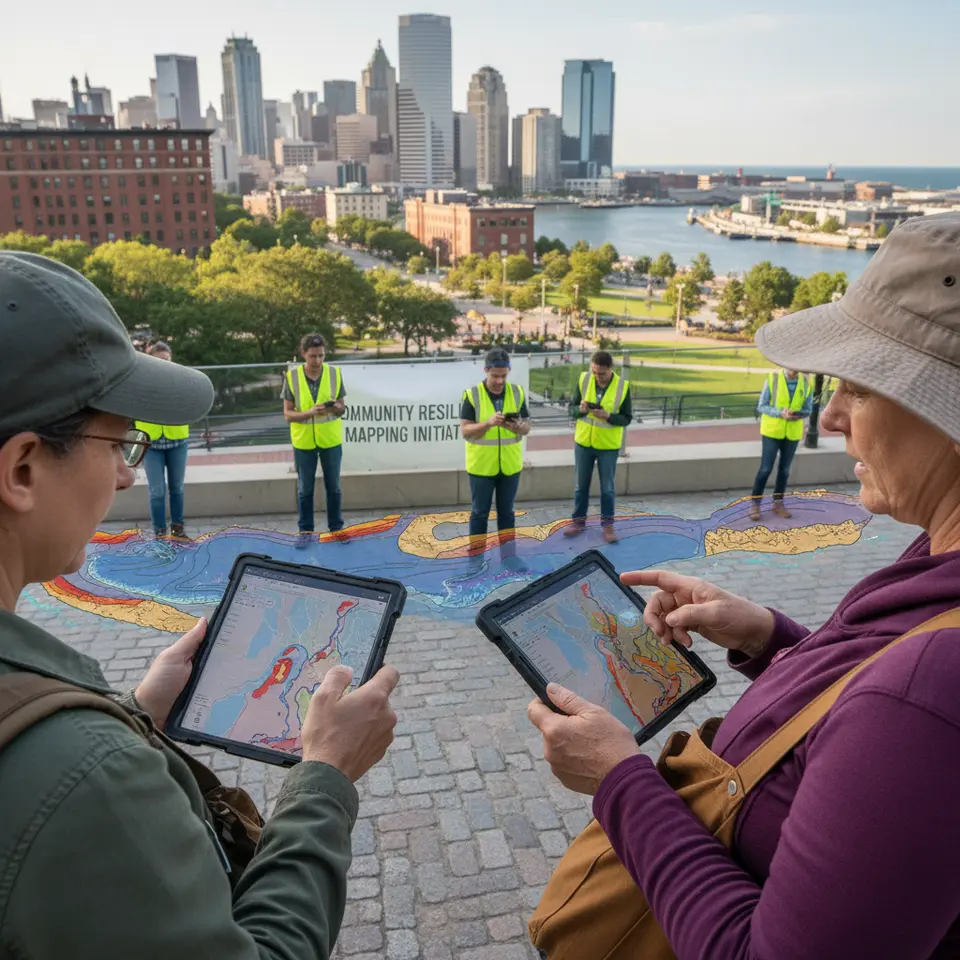
Thorough risk assessment is the foundation upon which effective resilience strategies are built. Communities need to identify hazards like flooding, extreme heat, severe storms, and drought to anticipate potential impacts. This year (2026), integrating high-resolution climate projections with local data is easier than ever, thanks to advanced tools from agencies such as the National Oceanic and Atmospheric Administration. By combining scientific models with grassroots insights, planners can formulate more accurate scenarios and prioritize resources accordingly.
Hazard Identification and Mapping
The first step involves cataloging the types and frequencies of climate-related events that pose threats. Geographic Information Systems (GIS) and remote sensing can produce detailed maps highlighting flood plains, heat islands, wildfire risks, and coastal erosion zones. Engaging volunteers in participatory mapping exercises ensures that local knowledge—such as undocumented drainage problems or historical flood sites—is captured. When digital tools collide with community expertise, the result is a nuanced understanding of vulnerabilities.
Analyzing Socioeconomic and Infrastructure Vulnerabilities
Risk is not solely determined by the magnitude of natural hazards but also by the susceptibility of populations and infrastructure. Older housing stock, limited access to healthcare, and low-income neighborhoods often face higher exposure. Assessing factors such as building conditions, transportation networks, and critical facilities (hospitals, schools, emergency shelters) reveals potential points of failure. This multi-layered analysis informs where to focus mitigation investments to bolster community resilience.
Community Engagement in Data Collection
Citizen science initiatives play a pivotal role in enriching quantitative data with qualitative insights. Residents can report real-time observations of water levels, heat stress, or landslide precursors through mobile apps and social media platforms. Establishing a common database, regularly updated by local contributors, improves situational awareness. Such participatory approaches reaffirm ownership and ensure that resilience planning is grounded in lived experiences.
Prioritizing Risks and Allocating Resources
Once hazards and vulnerabilities are mapped, decision-makers can conduct cost-benefit analyses to rank interventions. Low-cost, high-impact measures—such as upgrading drainage systems or launching early warning campaigns—often deliver quick gains. More extensive projects, like relocating critical infrastructure or constructing seawalls, require long-term planning and funding. Clear documentation of risk assessments helps communities make transparent, data-driven choices that enhance overall resilience.
Engaging Stakeholders Through Inclusive Planning
Securing buy-in from diverse stakeholders is essential to ensure that resilience initiatives achieve lasting success. Collaborative planning processes bring together residents, local businesses, non-profits, academic institutions, and government entities to co-create shared visions and action plans. By engaging multiple perspectives, communities can identify synergies, avoid duplication, and foster a sense of collective responsibility.
Building Trust and Ownership
Trust emerges when people see their experiences and opinions respected. Starting with small workshops or town-hall meetings can lay the groundwork for more extensive engagements. Facilitators encourage participants to express concerns, share local stories, and propose solutions. When community members feel integral to the process, they are more likely to champion resilience measures and volunteer during crises.
Leveraging Digital Platforms
In today’s digital landscape, interactive tools play a significant role in widening participation. Online surveys, crowd-mapping applications, and virtual public forums allow individuals who cannot attend in-person events to contribute meaningfully. Platforms that support real-time polling or collaborative whiteboards make it easier to synthesize feedback. Ensuring mobile accessibility and multilingual interfaces enhances inclusivity across age groups and cultural backgrounds.
Engaging Marginalized Groups
Inclusive planning must proactively reach out to those who are often underrepresented, such as low-income households, older adults, ethnic minorities, and people with disabilities. Partnering with community liaisons, faith leaders, and local NGOs can bridge cultural barriers and language gaps. Providing childcare, transportation vouchers, or stipends for participation can remove logistical obstacles. When all voices are heard, resilience plans better reflect the needs of the entire population.
Establishing Collaborative Governance Structures
Formalizing roles and responsibilities through advisory councils or resilience committees ensures accountability. These bodies can oversee project implementation, track progress, and recommend course corrections. Regular meetings, transparent reporting, and open data portals reinforce credibility and maintain momentum. By codifying collaboration in official charters or memoranda of understanding, communities embed resilience into their organizational fabric.
By weaving together grassroots initiatives, public policies, and private-sector partnerships, communities harness diverse skill sets and resources. Collaborative governance that prioritizes shared decision-making not only yields more robust designs but also accelerates funding and technical support. When stakeholders unite around a common goal, the collective energy can transform ambitious resilience concepts into tangible improvements.
Implementing Sustainable Local Initiatives
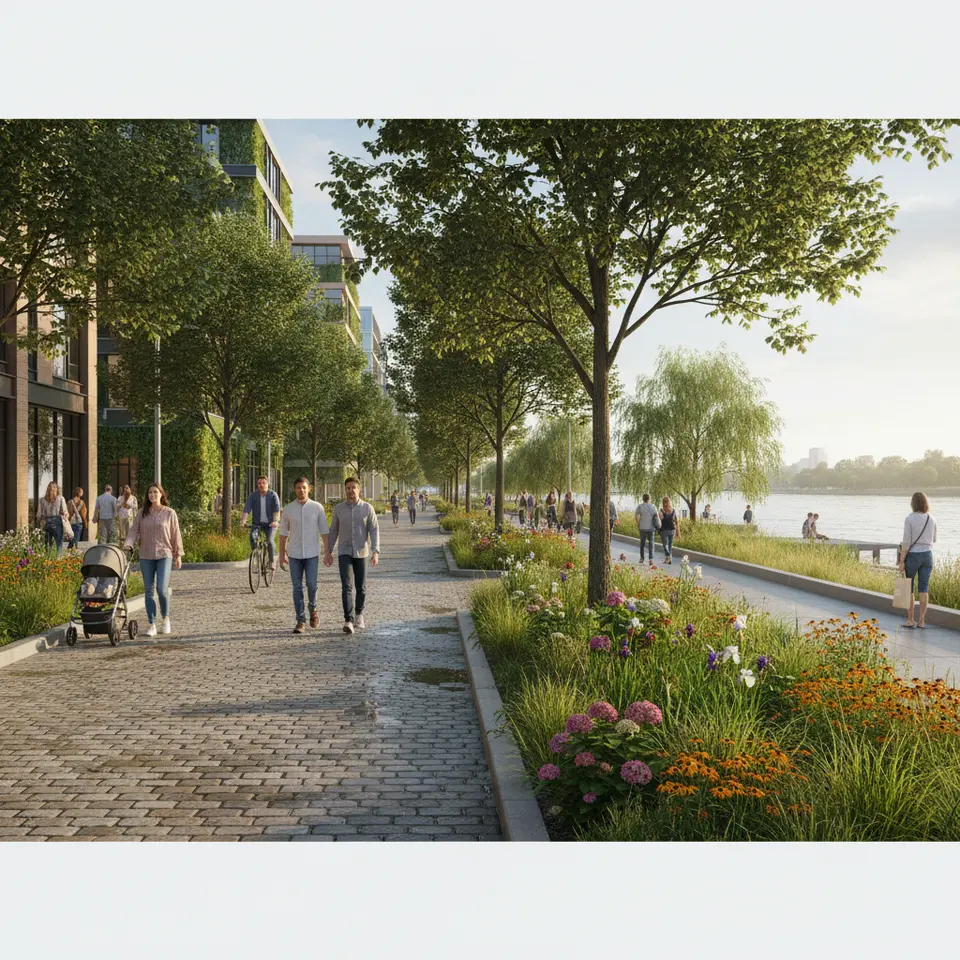
Translating plans into action requires concrete projects that address identified risks while delivering additional community benefits. Sustainable interventions often combine environmental restoration and infrastructure enhancement to strengthen community resilience. By selecting initiatives that yield co-benefits—such as improved public health, economic development, and social cohesion—municipalities amplify returns on investment.
Green Infrastructure and Nature-Based Solutions
Installing permeable pavements, bioswales, and urban tree canopies reduces stormwater runoff and moderates urban heat islands. Rain gardens and constructed wetlands mimic natural filtration processes, improving water quality and supporting biodiversity. Green buffers along rivers and coastlines act as living seawalls, absorbing wave energy and reducing erosion. Drawing on guidance from research centers and federal agencies, these nature-based approaches deliver scalable resilience and ecological gains.
Renewable Energy Cooperatives
Community-owned solar arrays and small-scale wind turbines empower local stakeholders to generate clean power. Profits are reinvested into neighborhood projects, such as energy bill assistance or public lighting upgrades. By pooling resources, residents achieve economies of scale and attract technical expertise, which enhances energy security during grid disruptions. Such cooperatives also serve as educational hubs for promoting energy literacy and fostering environmental stewardship.
Community Gardens and Agroforestry
Local food systems play a vital role in both nutrition and resilience. Establishing community gardens, farmer–community partnerships, and agroforestry plots ensures that people have access to fresh produce, even when supply chains are interrupted. Urban farms can integrate permaculture practices to improve soil health, store carbon, and build knowledge sharing among participants. These projects also deliver recreational spaces, mental health benefits, and stronger social ties.
Emergency Preparedness and Response Networks
Preparation is key to surviving and rebounding from extreme events. Training volunteer teams, conducting simulation exercises, and creating communication networks for warnings and updates are fundamental steps. Stockpiling essential supplies—such as water purification kits, medical equipment, and emergency rations—allows faster mobilization during crises. Partnerships with local hospitals, fire departments, and non-governmental relief agencies streamline coordination and amplify community resilience.
Successful implementation relies on multi-sector collaboration, sound project management, and adaptive financing mechanisms. Grant programs, public–private partnerships, and community fundraising drives provide vital resources. By documenting lessons learned and celebrating small victories, stakeholders reinforce commitment and sustain momentum for long-term resilience-building efforts.
Monitoring Progress and Adapting Over Time
Community resilience is not a one-off achievement but a continuous cycle of action, learning, and refinement. Establishing clear performance metrics allows neighborhoods to assess whether interventions are meeting their goals. Currently, many municipalities are adopting dashboards that track indicators like flood damage costs, energy savings, social participation rates, and ecosystem health.
Defining Measurable Indicators
Metrics should align with local priorities and available data sources. Quantitative indicators—such as reduced emergency response times or lower hospitalization rates during heat waves—offer concrete evidence of success. Qualitative measures—like resident satisfaction surveys—capture intangible benefits, such as trust and psychological well-being. By combining these perspectives, communities gain a holistic view of progress.
Regular Evaluation and Reporting
Periodic reviews—quarterly, semi-annually, or annually—help stakeholders identify successes and setbacks. Transparent reporting to the public through websites, town halls, and newsletters fosters accountability. Visual tools like graphs and interactive maps can make complex data accessible. Partnering with academic institutions or research centers ensures methodological rigor and facilitates third-party validation when needed.
Adaptive Management and Iterative Improvement
As climate patterns shift and local conditions evolve, plans must be flexible. Adaptive management embraces change by establishing feedback loops: data inform decisions, adjustments are made, and outcomes are re-evaluated. Initiatives can be scaled up if they prove effective or phased out if they underperform. This iterative process ensures that community resilience strategies remain relevant and impactful.
Celebrating Milestones and Building Momentum
Recognizing achievements—large or small—reinforces community engagement. Award ceremonies, public acknowledgments, and media coverage highlight the collective contributions of residents and partners. Sharing success stories with neighboring jurisdictions can inspire replication and foster regional networks of resilience. Today’s victories lay the groundwork for tomorrow’s innovations.
By embedding monitoring and adaptability into governance structures, communities ensure that resilience remains an evolving priority rather than a static plan. This dynamic approach prepares societies to navigate emerging threats and seize new opportunities, securing a more resilient future for all.
FAQ
What is community resilience?
Community resilience is the capacity of a community to anticipate, withstand, adapt to, and recover from adverse events such as natural disasters and climate change impacts. It encompasses social, economic, and environmental dimensions to support sustainable recovery and long-term well-being.
Why is assessing local climate risks important?
Assessing local climate risks helps communities identify vulnerabilities and hazards specific to their region. This information guides resource allocation, informs planning, and ensures that mitigation and adaptation measures target the most pressing threats to minimize harm and enhance preparedness.
How can communities engage marginalized groups effectively?
Effective engagement requires proactive outreach, partnerships with trusted local organizations, and accommodations such as translation services, stipends, and accessible venues. Building relationships and demonstrating respect for diverse perspectives foster inclusion and ensure that resilience plans reflect the needs of all residents.
How are progress and success measured in resilience initiatives?
Progress is measured through quantitative indicators (e.g., reduced response times, lower damage costs) and qualitative feedback (e.g., resident satisfaction). Regular monitoring, transparent reporting, and adaptive management allow stakeholders to evaluate performance and refine strategies over time.
Conclusion
Building community resilience is a multifaceted endeavor that requires collaboration, innovation, and continuous learning. By defining clear objectives, rigorously assessing climate risks, engaging all stakeholders, and implementing targeted interventions, communities can transform vulnerability into strength. The strategies outlined here offer a roadmap for municipalities, organizations, and citizens committed to safeguarding their environments and each other.
Regular monitoring and adaptive management ensure that resilience plans stay responsive to emerging challenges and opportunities in today’s dynamic environment. Celebrating achievements and sharing knowledge further amplifies impact, inspiring broader networks to adopt similar practices. Ultimately, a resilient community is one that not only withstands shocks but also thrives in their aftermath.
Whether you are initiating risk assessments, organizing neighborhood workshops, or rolling out sustainable projects, your role is integral. Start today by leveraging local insights, tapping into digital tools, and forging partnerships across sectors. As we navigate the complexities of climate change this year (2026), every action, no matter how small, contributes to a safer and more adaptive society.
Embrace the collective journey toward resilience. Together, we can build a future where communities are not merely surviving environmental uncertainties but flourishing through them, demonstrating that unity and foresight are our greatest assets.