

The Neuroscience of Belonging reveals that social connection is essential not just for emotional well-being but for brain health. Positive relationships stimulate neurochemicals like oxytocin and dopamine, strengthen neural pathways for trust, empathy, and resilience, and improve cognitive function. Conversely, isolation activates stress responses, reduces brain-derived neurotrophic factor (BDNF), and can impair memory, emotional regulation, and white matter integrity. Belonging literally rewires the brain, enhances the default mode network, and protects against cognitive decline. Engaging in meaningful communities—whether in-person or digital—supports neuroplasticity, promotes emotional balance, and strengthens overall brain function.
Our brains evolved in social environments. From prehistoric tribes to modern digital communities, humans have always sought connection. But what happens in our brains when we experience belonging? And how does isolation affect our neural pathways? The science reveals a profound relationship between community and cognitive health that extends beyond psychology into the physical architecture of our minds.
The Brain on Belonging
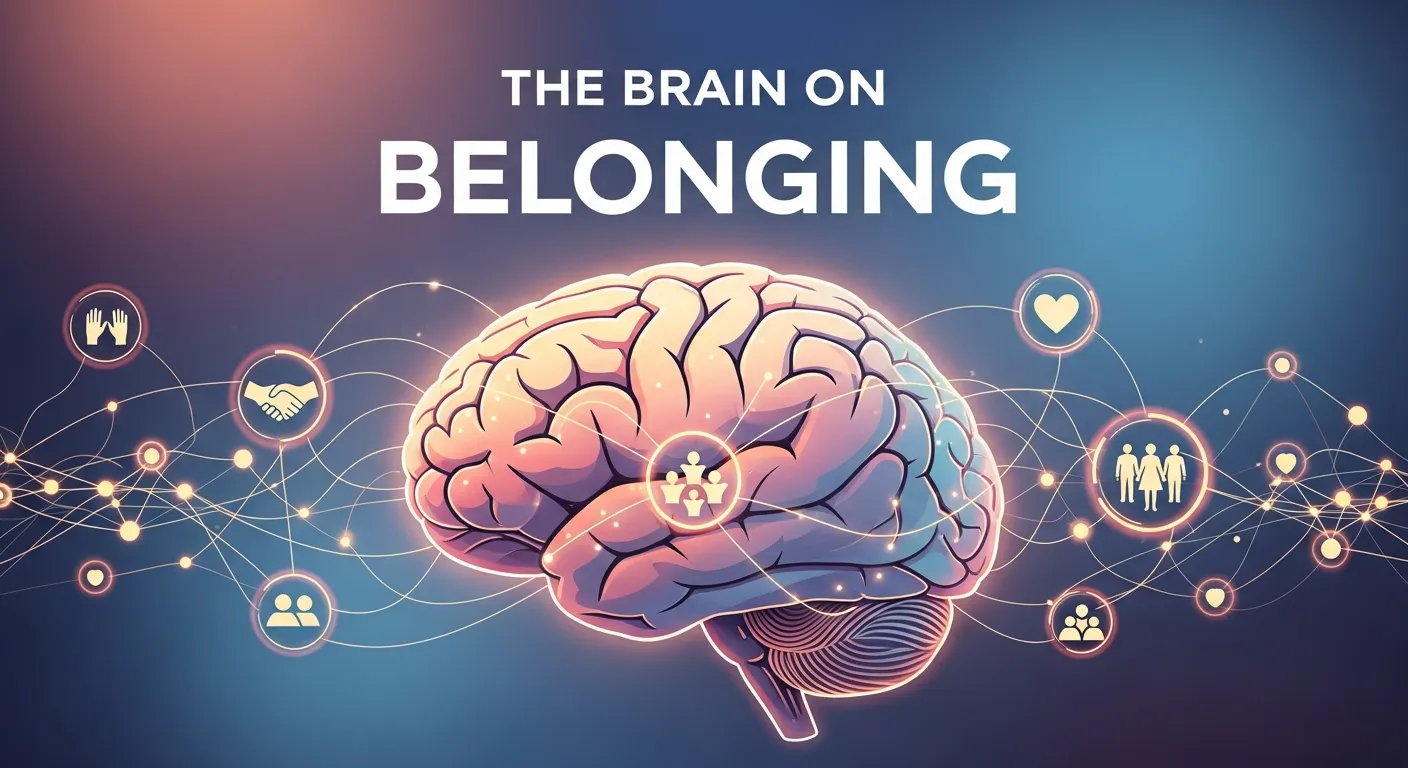
When we feel accepted within a community, our brains release a cascade of neurochemicals that regulate stress and enhance well-being. Oxytocin—often called the “bonding hormone”—surges during positive social interactions, reducing anxiety and promoting trust. This neurochemical response isn’t merely pleasurable; it actively protects brain tissue from inflammation and oxidative stress.
Research from UCLA’s Social Neuroscience Laboratory has demonstrated that perceived social support correlates with reduced activity in the dorsal anterior cingulate cortex and anterior insula—regions that process physical and emotional pain. Simply put, knowing we belong to a supportive community literally helps our brains process pain differently.
The default mode network (DMN), a brain system active during rest and self-reflection, functions more efficiently in people with robust social connections. This network plays crucial roles in memory consolidation, emotional processing, and our sense of identity. When we lack social belonging, this network often becomes dysregulated, contributing to rumination and negative thought patterns.
Neuroplasticity and the Adaptive Power of Social Connection
One of the most hopeful insights within the Neuroscience of Belonging is the brain’s remarkable capacity for change. Neuroplasticity—the brain’s ability to reorganize itself by forming new neural connections—demonstrates that social experiences continuously shape our neural architecture. Every interaction, from casual conversations to deep, meaningful connections, influences the strength and efficiency of the brain circuits that govern trust, empathy, and emotional regulation. Over time, repeated experiences of acceptance and belonging reinforce these neural pathways, making resilience, social confidence, and positive emotional responses more automatic and enduring.
The impact of social connection is not purely emotional—it is fundamentally neurological. Positive, supportive relationships stimulate the release of neurochemicals such as oxytocin and dopamine, which further strengthen neural pathways related to reward, motivation, and social bonding. This creates a feedback loop where the brain learns to seek connection, reinforcing adaptive behaviors and enhancing overall well-being.
Conversely, prolonged isolation or chronic social stress can reshape neural networks in less adaptive ways. Pathways associated with threat detection, hypervigilance, and social anxiety may become more dominant, making it harder to trust, empathize, or regulate emotions. Yet these patterns are not fixed. Through deliberate re-engagement in supportive communities—whether in-person or virtual—the brain can recalibrate its stress responses, weaken maladaptive circuits, and rebuild connections that promote emotional balance and social competence.
This adaptability highlights a central principle of the Neuroscience of Belonging: connection is not only protective, it is restorative. Every new experience of acceptance, encouragement, or shared purpose provides an opportunity for the brain to strengthen resilience, deepen empathy, and enhance emotional flexibility. In essence, belonging rewires the brain, enabling individuals to navigate social challenges with greater confidence, creativity, and compassion.
Engaging in communities—through conversation, collaboration, and co-creation—becomes a form of mental exercise, training the brain to respond to social environments with trust and openness rather than fear and withdrawal. The more individuals actively participate in nurturing relationships, the more their neural architecture aligns with connection, reinforcing a lifelong capacity for growth, adaptation, and thriving.
The Evolutionary Foundations of the Neuroscience of Belonging
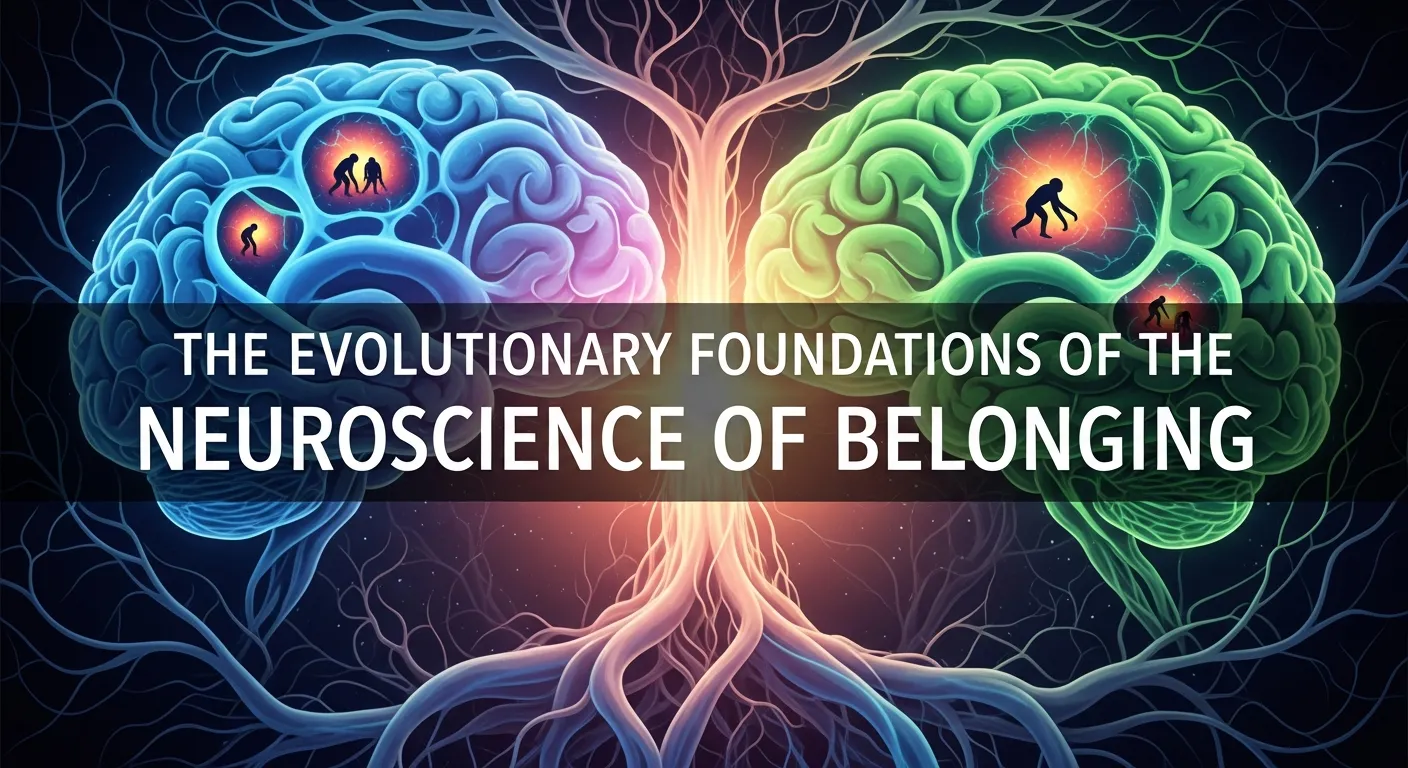
The Neuroscience of Belonging is deeply rooted in human evolution. For early humans, social exclusion was not merely uncomfortable—it was life-threatening. Survival depended on group membership for protection, shared resources, and collective problem-solving. As a result, the human brain evolved to treat social rejection similarly to physical danger. This is why even subtle signs of exclusion can trigger strong emotional responses. Our neural circuitry does not easily distinguish between ancient survival threats and modern social disconnect.
Modern neuroimaging studies reveal that social acceptance activates the brain’s reward system, particularly areas associated with dopamine release. This reinforces prosocial behavior and motivates individuals to seek ongoing connection. Belonging, therefore, is not just emotionally rewarding—it is biologically incentivized. The Neuroscience of Belonging demonstrates that our brains are wired to pursue connection as a fundamental survival strategy rather than a secondary emotional preference.
Isolation: The Neural Consequences
Social disconnection triggers neurobiological alarm systems that evolved to warn us of danger. Chronic loneliness activates the hypothalamic-pituitary-adrenal axis, flooding the body with cortisol. This stress hormone, when chronically elevated, damages the hippocampus—a brain region essential for memory formation and emotional regulation.
A landmark study in Neuroscience & Biobehavioral Reviews found that social isolation increased the risk of cognitive decline by nearly 50%. The mechanisms behind this striking statistic involve reduced brain-derived neurotrophic factor (BDNF), a protein that supports neuron growth and synaptic plasticity. Without adequate social stimulation, BDNF production diminishes, compromising the brain’s capacity to form new neural connections.
The inflammatory response triggered by chronic loneliness further damages white matter integrity—the brain’s communication superhighways. This deterioration affects everything from processing speed to emotional regulation, creating a neurobiological environment conducive to anxiety and depression.
Social Pain and Physical Pain: Shared Neural Pathways
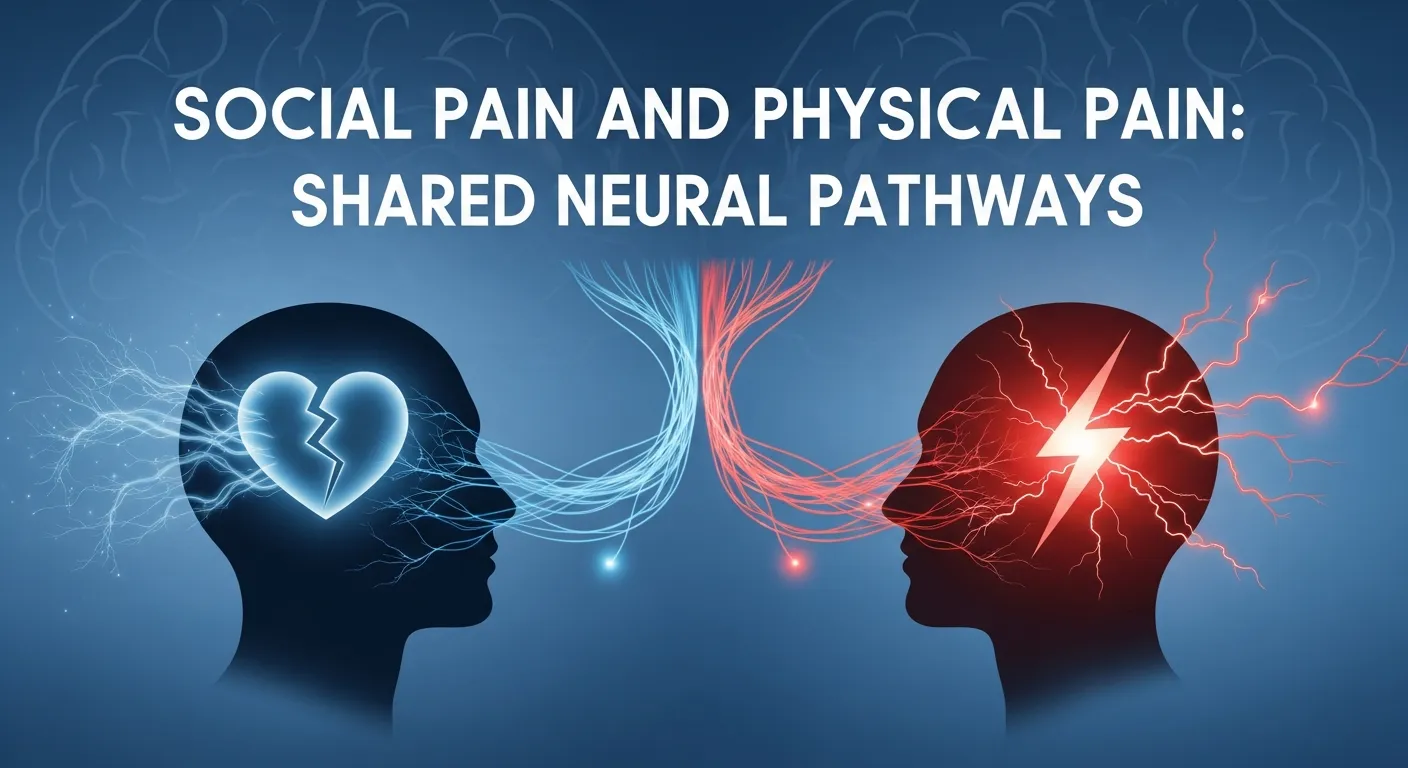
One of the most compelling discoveries in the Neuroscience of Belonging is that social pain and physical pain share overlapping neural networks. Brain scans show that rejection or exclusion activates many of the same regions involved in processing physical injury. This overlap explains why phrases like “hurt feelings” or “broken heart” resonate so strongly—they reflect measurable neural activity rather than metaphor alone.
The implications are significant:
- Social rejection can amplify physical pain sensitivity
- Chronic loneliness may heighten inflammatory responses
- Positive social bonds can reduce perceived pain intensity
- Emotional support can accelerate physical recovery
Understanding this connection reframes belonging as a physiological regulator. When individuals feel securely connected, their nervous systems shift into states of safety and repair. When belonging is threatened, the brain shifts toward vigilance and stress. The Neuroscience of Belonging shows that connection directly influences how our bodies interpret and respond to the world.
Building Belonging for Better Brain Health
The good news? Our neural architecture demonstrates remarkable plasticity, even in adulthood. Meaningful social integration can reverse many negative effects of previous isolation. When we actively participate in communities, whether geographic, interest-based, or professional networks, our brains respond with increased neurogenesis and enhanced connectivity between regions.
At BuildBonding we understand that community isn’t just a psychological need—it’s a neurobiological necessity. Every meaningful connection contributes to brain resilience and cognitive vitality. Even brief authentic interactions trigger positive neurochemical responses that accumulate over time.
Community involvement increases cognitive reserve—the brain’s resilience against age-related decline and neurodegenerative disease. Social engagement demands complex cognitive skills, creating a natural form of brain training that strengthens neural networks. Conversations require linguistic processing, perspective-taking exercises theory of mind, and navigating group dynamics builds executive function.
From Science to Practice
Understanding the neuroscience of belonging invites us to approach community not as a luxury but as essential brain maintenance. Regular meaningful social interaction deserves priority alongside nutrition, exercise, and sleep in our health regimens.
Simple practices can enhance these neurological benefits. Genuine face-to-face interactions generally provide stronger neurochemical responses than digital communications. Collaborative activities that combine social connection with physical movement or learning offer multiplied benefits, activating several brain-protective mechanisms simultaneously.
Vulnerability—sharing authentic thoughts and feelings—particularly stimulates oxytocin release, strengthening social bonds and their associated brain benefits. This explains why superficial interactions rarely satisfy our need for belonging; our neurochemistry responds most powerfully to genuine connection.
Practical Applications of the Neuroscience of Belonging
Translating the Neuroscience of Belonging into daily practice means intentionally designing environments that foster safety, trust, and shared identity. Whether in workplaces, educational institutions, or online communities, small structural changes can significantly impact neural health.
| Environment Type | Belonging Strategy | Brain-Based Benefit |
|---|---|---|
| Workplace | Peer recognition systems | Boosts dopamine and motivation |
| Schools | Collaborative learning groups | Strengthens memory and emotional regulation |
| Online Communities | Structured meaningful discussions | Enhances social reward circuitry |
| Families | Regular open conversations | Reduces stress hormone levels |
By applying insights from the Neuroscience of Belonging, leaders and individuals alike can create conditions that promote resilience, cognitive vitality, and emotional stability. When belonging is intentionally cultivated, the brain responds with stronger connectivity, improved regulation, and enhanced overall function.
Conclusion
The science is clear: our brains function optimally when we feel we belong. Community doesn’t simply make us feel better—it literally shapes our neural architecture, influences cognitive function, and protects against decline. As we navigate increasingly digitized and sometimes isolating modern environments, cultivating authentic community becomes not just a social preference but a neurobiological imperative.
By understanding the profound relationship between belonging and brain health, we can make informed choices about prioritizing community in our lives. Each meaningful connection contributes to a healthier brain, enhanced cognitive resilience, and ultimately, a more vibrant experience of being human.
FAQs – Neuroscience of Belonging
1. What is the Neuroscience of Belonging?
The Neuroscience of Belonging studies how social connection, inclusion, and meaningful community experiences shape the brain’s structure, neural function, and overall cognitive health. It explores how belonging affects emotional regulation, resilience, and motivation, highlighting the biological necessity of human connection for both mental and physical well-being.
2. How does belonging affect the brain?
Belonging activates neural circuits associated with trust, empathy, cooperation, and emotional regulation. It also triggers the release of neurochemicals like oxytocin and dopamine, which reduce stress, enhance reward pathways, and reinforce prosocial behavior. Over time, consistent social connection strengthens these neural pathways, improving emotional stability and cognitive performance.
3. What happens to the brain during social isolation?
Prolonged social isolation activates stress pathways, elevates cortisol levels, lowers brain-derived neurotrophic factor (BDNF), and impairs neuroplasticity. This can diminish memory, executive function, and emotional regulation, and increase the risk of anxiety, depression, and cognitive decline. Isolation can also disrupt white matter integrity, affecting the brain’s communication efficiency.
4. Can social connection reverse the effects of isolation?
Yes. Reconnecting with supportive communities, engaging in friendships, mentorship, or collaborative activities can rebuild weakened neural pathways. Neuroplasticity allows the brain to recalibrate stress responses, strengthen emotional resilience, and restore adaptive social and cognitive functions, even later in adulthood.
5. How are social pain and physical pain connected?
Social rejection or exclusion activates many of the same brain regions involved in processing physical pain, such as the anterior cingulate cortex and anterior insula. This explains why loneliness or social exclusion can feel physically painful and why supportive social bonds can reduce both emotional distress and perceived physical pain.
6. What role does neuroplasticity play in belonging?
Neuroplasticity allows the brain to adapt to experiences. Positive social interactions strengthen beneficial circuits for trust, empathy, and emotional regulation, while maladaptive patterns formed during isolation can be rewired through supportive community engagement and repeated social connection.
7. How does belonging impact cognitive resilience?
Regular engagement in social and community activities enhances cognitive reserve, which protects against age-related decline and neurodegenerative disease. Conversations, collaborative problem-solving, and community participation strengthen memory, executive function, and emotional regulation, keeping the brain adaptable and resilient.
8. Why is oxytocin important for social connection?
Oxytocin, often called the “bonding hormone,” is released during positive social interactions. It reduces stress, increases feelings of safety, fosters trust, and strengthens neural pathways associated with attachment, reinforcing the emotional and physiological benefits of belonging.
9. How does the default mode network (DMN) relate to social health?
The DMN, active during self-reflection, memory consolidation, and perspective-taking, functions more efficiently in individuals with strong social connections. Social isolation or exclusion can dysregulate the DMN, leading to rumination, negative thought patterns, and reduced emotional resilience.
10. Can digital communities provide similar brain benefits?
Yes. Meaningful, structured online interactions can stimulate neurochemical responses and strengthen social neural circuits. While digital connections can’t fully replicate in-person sensory and emotional cues, they still provide valuable engagement for fostering belonging, trust, and collaboration.
11. What practical steps enhance belonging for brain health?
Foster authentic conversations, collaborative projects, mentorship opportunities, peer recognition, and inclusive participation. Small actions like active listening, expressing appreciation, and encouraging diverse voices strengthen social circuits, reduce stress, and support emotional and cognitive well-being.
12. Is belonging essential for mental and physical health?
Absolutely. The Neuroscience of Belonging confirms that strong social connections reduce chronic stress, improve immune function, enhance emotional regulation, and protect cognitive performance. Belonging is a neurobiological imperative, making intentional community engagement critical for lifelong mental and physical health.