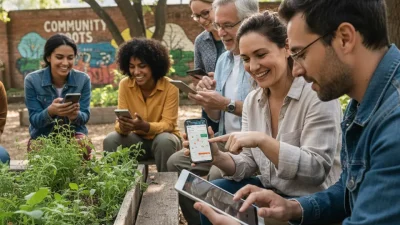

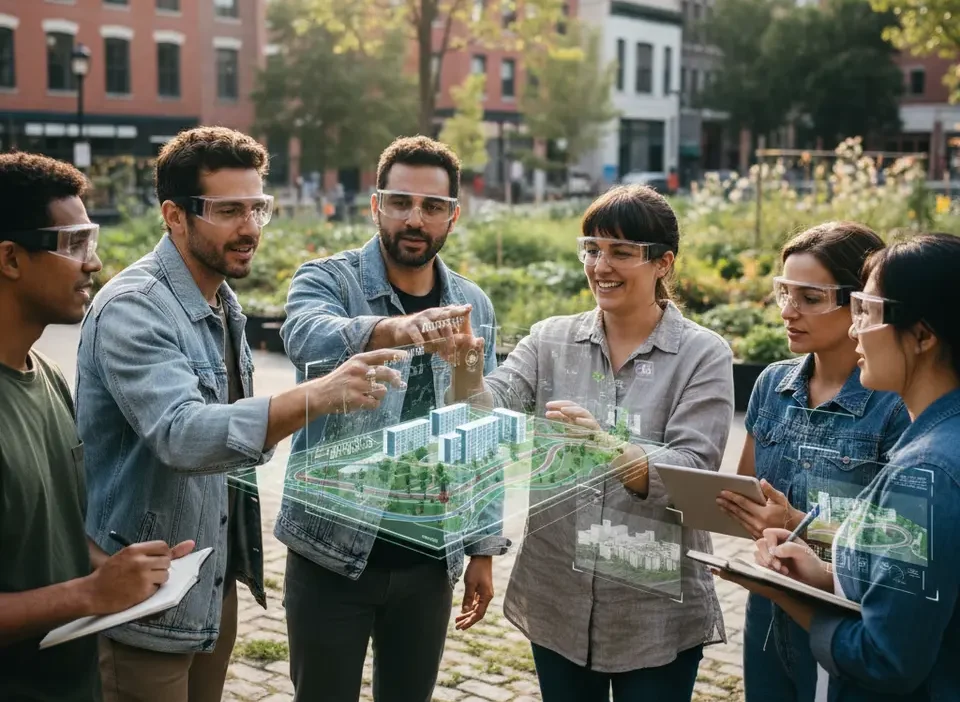
Today, community leaders, urban planners, and nonprofit organizers are discovering the power of augmented reality in community development. As technology advances and devices become more accessible, local stakeholders can overlay digital information on physical spaces to engage citizens, prototype designs, and share real-time data. In today’s digital landscape, this immersive approach bridges the gap between abstract plans and tangible experiences, fostering deeper connections among participants and elevating civic engagement. Whether you are designing a new public park, preserving cultural heritage, or visualizing environmental data, augmented reality brings ideas to life in vivid detail.
By integrating AR into public processes, cities can move beyond traditional presentations, enabling residents to walk through virtual models, interact with proposed changes, and provide informed feedback. This year (2026), advancements in mobile applications, affordable headsets, and open-source frameworks make it easier than ever to pilot AR initiatives. In this comprehensive article, we explore how augmented reality in community development is reshaping collaboration, highlight its key benefits, examine practical examples, outline step-by-step implementation strategies, and address common challenges. Drawing on insights from research institutions like MIT and guidance from agencies such as the Environmental Protection Agency, you will gain actionable knowledge to launch and sustain AR projects that leave a lasting, positive impact.
Embracing AR for Community Engagement
Augmented reality in community development begins with rethinking how residents interact with plans and proposals. Rather than static posters or slide decks, AR applications present 3D models in the context of actual streets, parks, and buildings. For example, municipal agencies can deploy mobile apps that allow users to scan a neighborhood block and instantly view conceptual renderings of street furniture, green corridors, or public art installations. This immediacy transforms passive observers into active participants, empowering them to explore options, share comments, and vote for preferred designs—all within a matter of minutes.
Collaborative workshops leverage AR glasses or tablets to place virtual prototypes in real places. Local nonprofits, schools, and community centers can host hands-on sessions where participants adjust building heights, color schemes, and landscaping elements. This co-creation process fosters a sense of ownership and ensures that final proposals reflect collective vision rather than top-down mandates. In today’s digital landscape, such immersive sessions help reduce misunderstandings, since stakeholders can experiment with variations and compare outcomes side by side.
Beyond design feedback, AR can gamify civic surveys and public consultations. By turning survey questions into interactive quests—such as locating a virtual water fountain or placing markers for bike lanes—planners boost participation among younger demographics and tech-savvy audiences. These playful experiences yield richer data, as users spend more time engaging and exploring different scenarios. According to findings at a leading institution like United Nations, gamified civic tech tools can increase response rates by up to 40%, making them an effective complement to traditional outreach methods.
AR also enhances accessibility and inclusivity. Integrating audio narration, multilingual text overlays, and haptic feedback ensures that users with varying abilities and language backgrounds can fully participate. In multi-cultural neighborhoods, these features break down barriers and foster more equitable dialogue. When community members feel heard and represented, trust grows—laying the foundation for smoother approvals and stronger partnerships between residents and local authorities.
Core Advantages of Augmented Reality in Local Projects
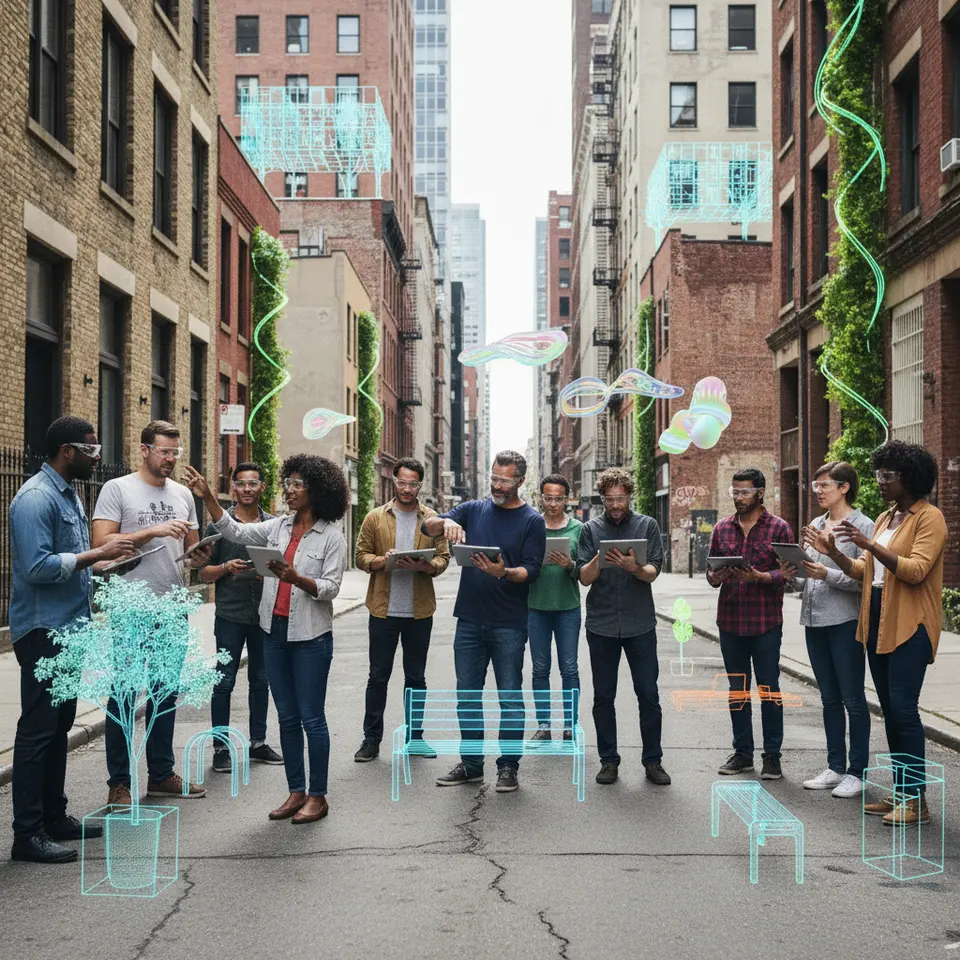
Augmented reality in community development delivers tangible advantages across planning, engagement, and implementation phases. One of the most significant benefits is improved understanding of complex concepts. Visualizing traffic flow changes, stormwater management systems, or proposed zoning adjustments in situ helps non-experts grasp the implications more effectively than written reports or 2D maps. This clarity accelerates decision-making and minimizes costly miscommunications.
Another key advantage lies in prototyping and cost savings. By overlaying digital models of benches, lighting fixtures, or playground equipment onto real streetscapes, planners can test multiple layouts before committing funds. This virtual experimentation reduces the need for physical mock-ups, cutting resource expenditures and environmental impact. Communities can also gauge public reactions early in the process, identifying features that resonate or require refinement.
Data integration is yet another strength. AR interfaces can tap into live feeds—such as air quality sensors, noise monitors, or pedestrian counters—to visualize metrics on-the-ground. Users walking through a park can point their devices at trees and view current biodiversity indices or species information. Environmental organizations often partner with research institutes like the National Aeronautics and Space Administration for geospatial datasets, enriching local initiatives with authoritative insights. This fusion of real-time data and spatial context empowers residents to advocate for evidence-based interventions, whether tackling pollution hotspots or improving public transportation.
Moreover, AR fosters cultural preservation by reviving historical narratives in their original settings. Tourists and locals can follow heritage trails where virtual historians narrate stories, while archival photographs and 3D reconstructions appear seamlessly on site. This layered approach deepens appreciation for local identity and stimulates cultural tourism, generating economic benefits for small businesses. When communities see their heritage celebrated through immersive storytelling, a stronger sense of place takes root, inspiring ongoing stewardship of landmarks and traditions.
Real-World Applications of Augmented Reality
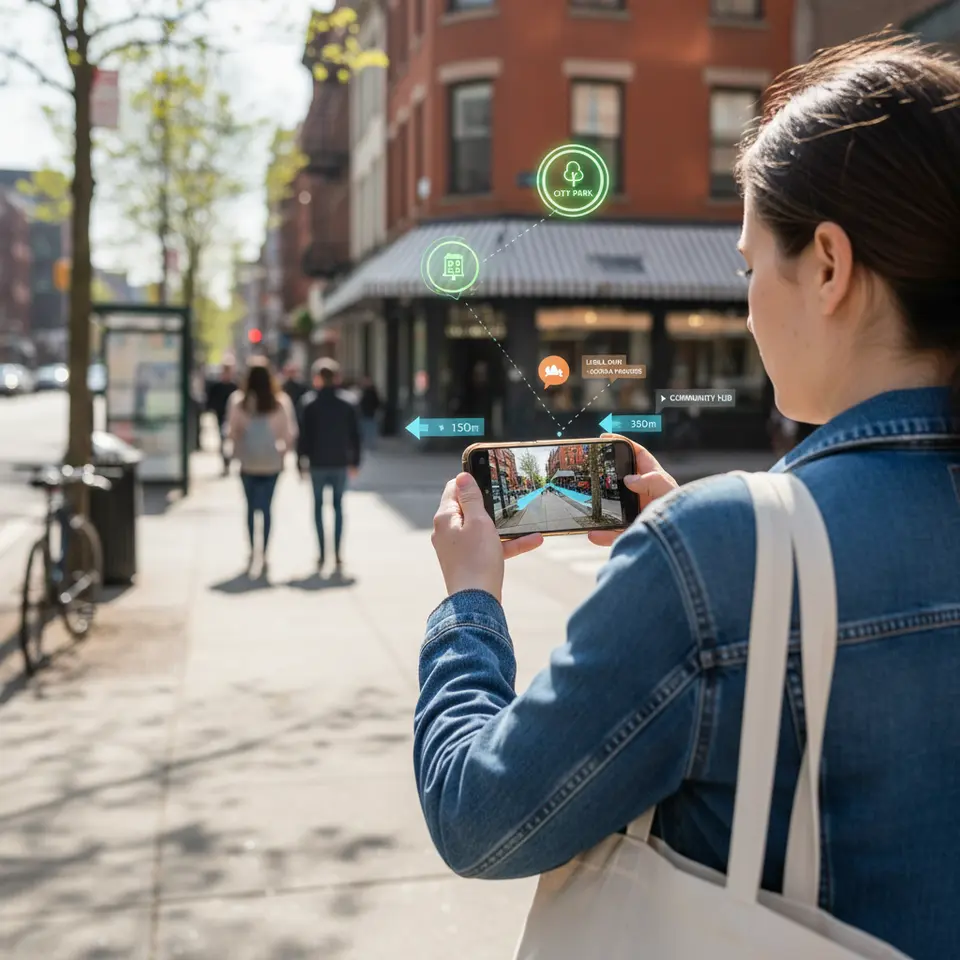
Across urban centers and rural towns alike, augmented reality in community development is finding diverse applications. One prominent example is AR-driven wayfinding. City governments deploy location-based apps that guide users to parks, community centers, and neighborhood businesses. Virtual arrows, distance markers, and point-of-interest descriptions overlay the camera feed, making navigation intuitive. This approach not only improves visitor experiences but also directs foot traffic to underutilized areas, supporting local commerce.
In heritage preservation, cultural organizations collaborate with historians and local elders to craft AR walking tours. Users scan smartphones at marked locations and unlock layered content—oral histories, archival films, and 3D reconstructions. Projects such as the ‘‘Digital Heritage Trail’’ in major cities demonstrate how augmented reality can amplify storytelling without altering physical structures. By partnering with local universities, these initiatives benefit from research expertise while creating educational opportunities for students.
Environmental educators leverage AR applications in field studies. Teachers lead students through wetlands or urban green spaces, where digital overlays display water quality readings, native species information, and conservation tips. This hands-on learning sparks curiosity and empowers youth to monitor local ecosystems. Government agencies often provide open data portals—such as those offered by the U.S. Government—that feed into AR platforms, ensuring accuracy and transparency.
Public art and creative placemaking also embrace AR. Artists design virtual murals visible only through dedicated apps. These installations can evolve over time, reacting to weather, time of day, or social media inputs. Communities host ‘‘AR art walks’’ that animate streetscapes, encouraging residents to explore and interact with digital performances. Such projects democratize creativity, allowing anyone with a smartphone to experience site-specific art without permanent alterations to public property.
Steps to Launching an AR Initiative
Successful deployment of augmented reality in community development requires strategic planning. First, define clear objectives: are you aiming to increase public participation, test design prototypes, or educate stakeholders? Articulate specific goals and key performance indicators—such as app downloads, session lengths, or feedback submissions—to measure impact objectively.
Next, engage stakeholders early and often. Host co-design workshops that bring together residents, local businesses, academic partners, and government representatives. This collaborative approach ensures cultural relevance and identifies technical requirements, from preferred devices to accessibility features. Encouraging diverse voices minimizes obstacles and fosters broad ownership of the project.
Select the right platform and technology stack based on budget and audience. Mobile-first applications reach the widest user base, while AR glasses offer hands-free immersion for specialized workshops. Open-source frameworks like AR.js can reduce licensing costs, while commercial engines such as Unity provide advanced rendering capabilities. Balance sophistication with usability to maximize adoption.
Content creation is critical. Partner with local artists, historians, and educators to craft authentic narratives and visuals. High-quality 3D models, accurate data visualizations, and engaging storytelling elevate user experiences. Pilot small-scale versions of the app in selected neighborhoods or community centers, gathering feedback on performance, ease of use, and accessibility. Iterative development based on user input will refine features and fix usability issues before wider rollout.
Finally, measure and share outcomes. Track quantitative metrics—downloads, average session durations, user conformance rates—and collect qualitative feedback through interviews or focus groups. Document successes, challenges, and lessons learned in a public report or open dataset. Celebrating milestones and publishing transparent updates keeps the community informed and fosters sustained engagement.
Addressing Challenges in AR Deployment
Despite its promise, augmented reality in community development can face hurdles. Technical literacy varies widely among residents. To bridge this gap, host hands-on demos, device-loan programs, and multilingual tutorials. Partner with local libraries or schools to offer drop-in sessions where participants practice using AR apps and share tips. Building familiarity lowers the barrier to entry and increases participation.
Funding constraints are common. Seek grants from civic innovation programs, foundation awards, or local government innovation funds. Collaborate with universities for research grants and in-kind support. Academic partners can assist with user studies, model creation, and data analysis, reducing development costs. Local businesses may sponsor content in exchange for exposure, generating goodwill in the process.
Data privacy and security must also be addressed. Clearly document what user data is collected, how it is stored, and who has access. Implement opt-in mechanisms and anonymize personal information wherever possible. Transparent privacy policies build trust and comply with regulations. For sensitive projects—such as those involving youth or vulnerable populations—consult legal advisors and follow institutional review board (IRB) guidelines.
Hardware compatibility presents another challenge. Test the AR experience on a variety of devices—from budget smartphones to higher-end models—to ensure smooth performance. Optimize 3D assets by reducing polygon counts and compressing textures to minimize loading times and battery drain. Offer performance settings that adjust graphical fidelity according to device capabilities.
To sustain engagement beyond the initial launch, refresh content regularly. Introduce seasonal themes, highlight user-generated contributions, or tie experiences to local festivals and events. Share success stories on social media and in local press to maintain momentum. Establish an advisory board or steering committee that meets periodically to provide guidance, ensure cultural sensitivity, and align AR initiatives with evolving community priorities.
FAQ
Here are some frequently asked questions about implementing augmented reality in community development:
What equipment is needed to run AR applications for community projects?
Most AR initiatives can start with smartphones and tablets using mobile-first platforms. For more immersive workshops, consider AR glasses or headsets. Ensure your application supports a range of devices by optimizing graphics settings and testing on different hardware.
How can small organizations afford AR development?
Look for grants from civic innovation funders, partner with universities for research discounts, and leverage open-source frameworks like AR.js. Crowdfunding and local business sponsorships can also offset costs while building community buy-in.
What are best practices for ensuring accessibility in AR experiences?
Include features such as audio narration, multilingual text overlays, and haptic feedback. Provide tutorials, device loan programs, and on-site support at community centers to assist users with varying technical abilities.
How do I measure the impact of my AR project?
Track quantitative metrics such as app downloads, session durations, and feedback submissions. Complement these with qualitative methods like focus groups and interviews to understand user satisfaction and areas for improvement.
Conclusion
Augmented reality in community development is more than a technological trend—it is a versatile catalyst for deeper civic engagement, inclusive design, and data-driven decision-making. By overlaying virtual content on our shared environment, stakeholders can visualize proposals, interact with heritage narratives, and access real-time insights in ways that resonate with diverse audiences. This year (2026), accessible tools and established best practices make it feasible for municipalities, nonprofits, and grassroots groups to pilot AR projects with manageable budgets and clear return on investment.
Implementing AR initiatives requires thoughtful planning: defining objectives, co-designing with stakeholders, selecting appropriate platforms, and iterating based on feedback. Addressing challenges—such as technical literacy, funding, and privacy—ensures the longevity of these projects. With collaborative governance, open data integration, and capacity building, communities can sustain vibrant AR ecosystems that reflect local identity and aspirations. Embrace augmented reality in community development to co-create resilient, inclusive public spaces that thrive in today’s interconnected world.