
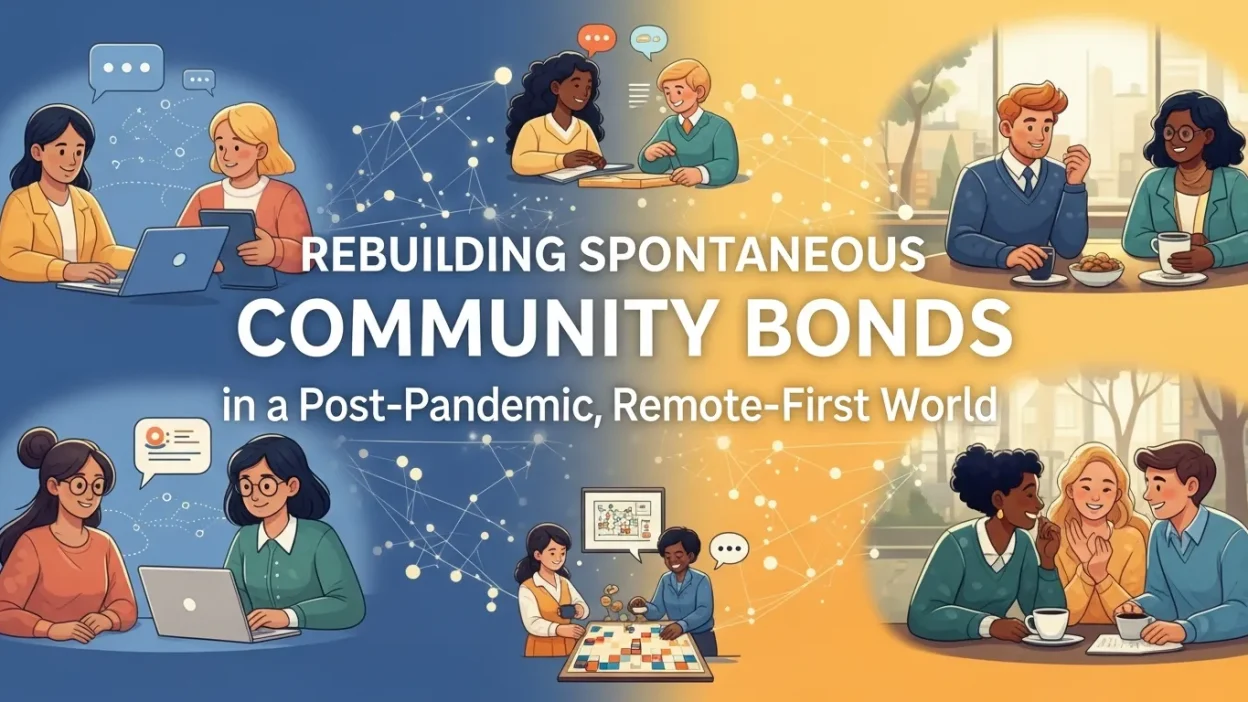
Rebuilding Community Bonds has become essential as remote work, digital communication, and changing social habits reduce everyday interactions. By intentionally creating opportunities for connection through digital platforms, shared spaces, and local initiatives, communities can restore trust, belonging, and social resilience. Thoughtful engagement helps people reconnect and rebuild meaningful relationships in modern society.
The fabric of human connection has changed dramatically. What once happened naturally—through office conversations, neighborhood encounters, and casual meetups—now requires intentional effort and creative approaches. In this new landscape, rebuilding community bonds has become essential to restore the sense of belonging we all crave.
The shift to remote work, social distancing, and digital-first interactions has left many feeling isolated, even as technology connects us more than ever. This paradox presents both challenges and opportunities for strengthening community ties, fostering strong community networks, and supporting the recovery of social bonds that are vital for thriving communities. By focusing on thoughtful engagement and purposeful interactions, we can actively participate in rebuilding community bonds and nurturing meaningful connections once again.
The Lost Art of Casual Connection
Before the pandemic reshaped our social landscape, spontaneous connections happened everywhere. Colleagues chatted by the coffee machine, neighbors met while walking dogs, and strangers struck up conversations in line at the grocery store. These brief interactions created a web of weak ties that research shows are crucial for both individual well-being and community resilience.
Remote work eliminated many of these touchpoints. The commute that once provided opportunities for brief interactions with fellow travelers disappeared. Office spaces that facilitated impromptu conversations became virtual meeting rooms with structured agendas.
Even our leisure activities shifted online. Book clubs moved to video calls, fitness classes became streamed workouts, and social gatherings transformed into scheduled video hangouts. While these adaptations kept us connected during the crisis, they lacked the organic quality that makes relationships feel effortless and natural.
The challenge now is recreating these spontaneous moments in a world that has become more intentional about when and how we interact with others.
Understanding What We’ve Lost
Spontaneous community bonds serve purposes beyond simple social interaction. They create a sense of belonging and shared identity that helps people feel rooted in their environment. These connections provide informal support networks that people rely on during both everyday challenges and major life events.
Research in social psychology demonstrates that weak ties often provide more diverse information and opportunities than close friendships. The neighbor who mentions a job opening, the acquaintance who shares a helpful resource, or the casual friend who introduces you to new interests all contribute to personal growth and community vitality.
These interactions also build social capital, the invisible currency that makes communities function smoothly. When people know and trust each other, even slightly, they’re more likely to cooperate, help during emergencies, and work together to solve shared problems.
The loss of spontaneous connection has created communities that feel more fragmented and individuals who feel less embedded in their social environment.
Why Rebuilding Community Bonds Matters More Than Ever
Rebuilding community bonds is no longer optional—it is essential for social well-being and collective resilience. When communities lack strong interpersonal connections, individuals experience loneliness, reduced trust, and a weakened sense of belonging. Strong community bonds help people feel supported, seen, and valued in their everyday lives.
- Encourages emotional well-being and reduces social isolation
- Builds trust and cooperation among neighbors and groups
- Strengthens collective response during crises or emergencies
Beyond emotional benefits, rebuilding community bonds also contributes to economic stability and civic engagement. Connected communities are more likely to support local businesses, volunteer for shared causes, and collaborate on solutions to common challenges.
Digital Platforms as Community Catalysts
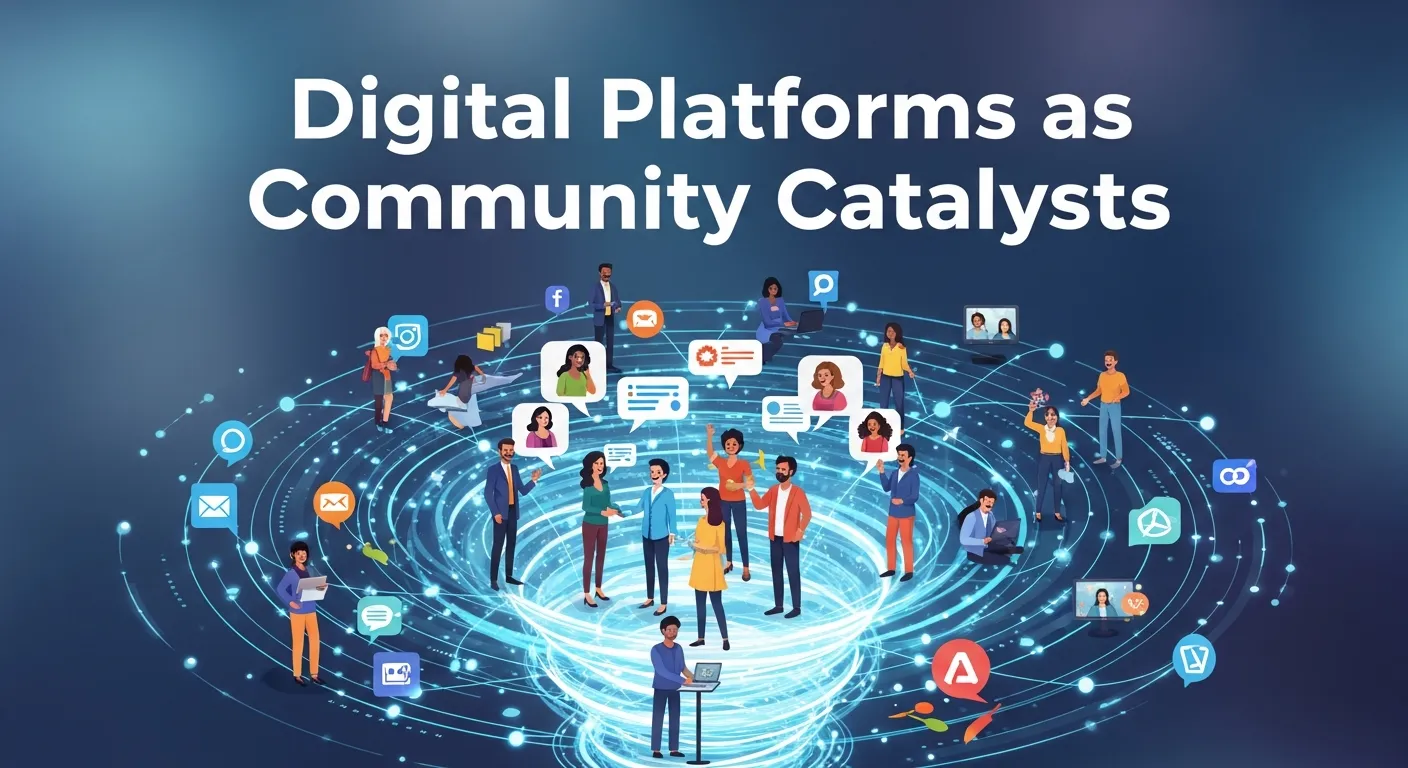
Technology companies have recognized this gap and developed platforms specifically designed to facilitate local connections. Neighborhood apps like Nextdoor attempt to recreate the casual information sharing that once happened over backyard fences. Professional networking platforms incorporate features that highlight shared interests and mutual connections.
Dating apps have evolved beyond romantic relationships to include friendship-focused platforms that help people find others with similar hobbies or life circumstances. These tools acknowledge that adult friendship requires more intentional effort than it did in previous generations.
Virtual reality and augmented reality technologies are beginning to create shared experiences that feel more spontaneous than traditional video calls. Virtual coworking spaces allow remote workers to experience the ambient social presence of working alongside others, even when physically alone.
Gaming platforms have become unexpected community builders, with multiplayer games creating genuine friendships that extend beyond the digital realm.
Digital Tools Supporting Rebuilding Community Bonds
Digital platforms play a critical role in rebuilding community bonds by lowering barriers to connection. While online interactions cannot fully replace face-to-face contact, they can act as bridges that initiate, maintain, and strengthen relationships across distances and schedules.
- Community apps help neighbors share updates, resources, and support
- Social platforms enable interest-based groups to form easily
- Messaging tools keep connections active between in-person meetings
When used intentionally, digital tools can enhance inclusivity and participation. They allow people who may feel hesitant about in-person interaction to engage gradually, building confidence and familiarity before deeper social involvement.
Reimagining Physical Spaces for Connection
Urban planners and architects are rethinking how physical spaces can encourage spontaneous interaction. The concept of “third places” – spaces that aren’t home or work but facilitate social connection – has gained renewed importance in post-pandemic design.
Coffee shops are experimenting with communal tables and conversation-friendly layouts. Libraries are expanding their role as community hubs, offering not just books but maker spaces, meeting rooms, and programming that brings diverse groups together.
Co working spaces have evolved beyond simple desk rental to become community platforms that host events, facilitate introductions, and create opportunities for collaboration between members from different industries.
Parks and public spaces are being designed with more areas for lingering and casual interaction, recognizing that brief encounters in beautiful environments can spark lasting connections.
The Role of Intentional Spontaneity
This might sound contradictory, but creating space for spontaneous connection now requires deliberate planning. Communities that successfully rebuild bonds often do so by creating structured opportunities for unstructured interaction.
Regular community events like farmers’ markets, street festivals, and outdoor movie nights provide frameworks within which spontaneous conversations can flourish. The key is creating enough structure to bring people together while leaving plenty of room for organic interaction.
Walking groups, community gardens, and volunteer opportunities offer shared activities that naturally facilitate conversation without making socializing the primary goal. When people work together toward common objectives, connections form naturally.
Business districts that organize regular street closures for pedestrian activities create opportunities for neighbors to encounter each other in relaxed settings where conversation feels natural rather than forced.
Strategies for Rebuilding Community Bonds at the Local Level
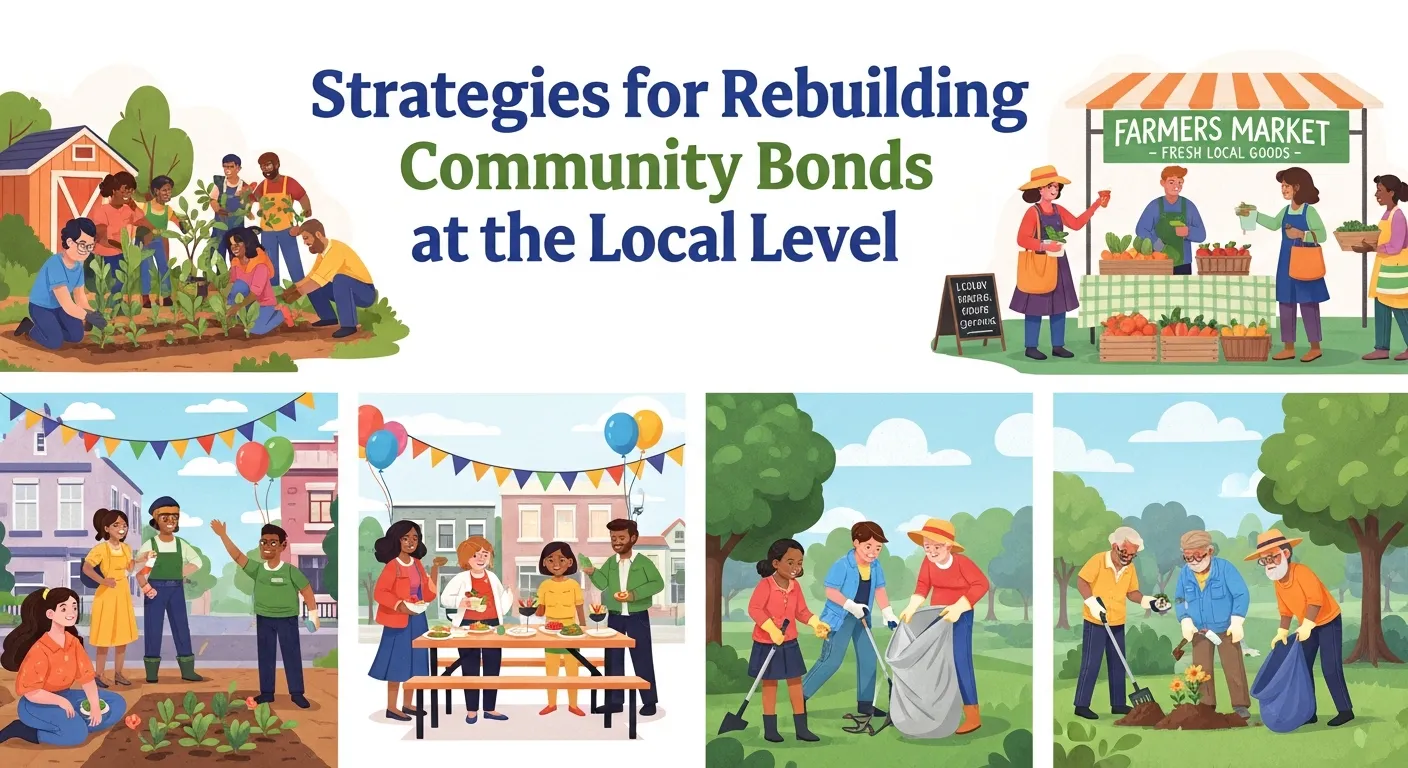
Effective rebuilding of community bonds happens through simple, repeatable actions rather than grand initiatives. Local-level strategies that prioritize consistency and accessibility are more likely to succeed in fostering organic relationships.
- Host recurring low-pressure events like open walks or casual meetups
- Create shared spaces that invite conversation and lingering
- Encourage community-led initiatives rather than top-down programs
Table: Community Strategies and Their Impact
| Strategy | Example | Community Impact |
|---|---|---|
| Shared Activities | Community gardens | Natural conversation and trust |
| Open Events | Local markets | Increased social mixing |
| Volunteer Programs | Clean-up drives | Shared purpose and cooperation |
| Informal Spaces | Public seating areas | Casual daily interactions |
These approaches create environments where connection feels natural, not forced—key to rebuilding community bonds sustainably.
Building Bridges Across Digital and Physical Realms
The most successful community building efforts combine online and offline elements. Digital platforms can facilitate initial connections and ongoing communication, while physical meetups provide the deeper bonding that comes from shared presence.
Facebook groups focused on local interests often spawn real-world gatherings. Reddit communities organized around geographic locations frequently organize meetups that bring online friendships into the physical world.
Professional associations have found success in hybrid events that accommodate both remote and in-person participation, allowing connections to form across different levels of engagement.
Even simple tools like group messaging apps can help maintain connections between sporadic in-person encounters, keeping relationships warm during periods of physical separation.
Overcoming Barriers to Connection
Many people have developed social anxiety around in-person interaction after extended periods of isolation. Rebuilding community bonds requires acknowledging and addressing these challenges rather than assuming people will naturally return to pre-pandemic interaction patterns.
Economic barriers also prevent some Creating Pathways for Community Participation in activities that require financial investment. Successful community building efforts prioritize accessibility and create multiple ways for people to engage regardless of their financial circumstances.
Time constraints remain a significant challenge, especially for working parents and caregivers. Effective community initiatives recognize these limitations and create opportunities for connection that fit into busy schedules rather than requiring additional time commitments.
Cultural and linguistic differences can create invisible barriers to participation. Communities that successfully rebuild bonds make intentional efforts to include diverse voices and create welcoming environments for people from different backgrounds.
The Workplace as Community Hub
Community Building in Remote Work has eliminated the workplace as a primary source of social connection for many people. Some companies are responding by reimagining their role in employee community building, recognizing that social well-being affects both individual performance and company culture.
Progressive employers are organizing local meetups for remote workers, creating opportunities for colleagues to connect in person even when they don’t share an office. These gatherings often extend beyond work topics to include shared meals, outdoor activities, and cultural events.
Coworking stipends allow remote employees to work from shared spaces where they can experience casual social interaction with others, even if those others aren’t their direct colleagues.
Company-sponsored community involvement initiatives give employees opportunities to volunteer together in their local communities, building both internal bonds and external community connections.
Measuring Success in Community Building
Traditional metrics for community engagement often miss the subtle indicators of spontaneous connection. Successful community building isn’t just about event attendance or membership numbers, but about the quality and frequency of unplanned interactions.
Surveys that ask about chance encounters, casual conversations, and feelings of belonging provide better insights into community health than simple participation statistics. Social network analysis can reveal how connections are forming and whether they’re creating resilient community structures.
Long-term tracking of community indicators like volunteerism, local business support, and neighborhood safety can show whether spontaneous connections are translating into broader community engagement.
The most meaningful measure might be whether community members report feeling a sense of serendipity in their daily lives – those pleasant surprises that come from unexpected encounters with familiar faces.
Looking Forward: Sustainable Community Building
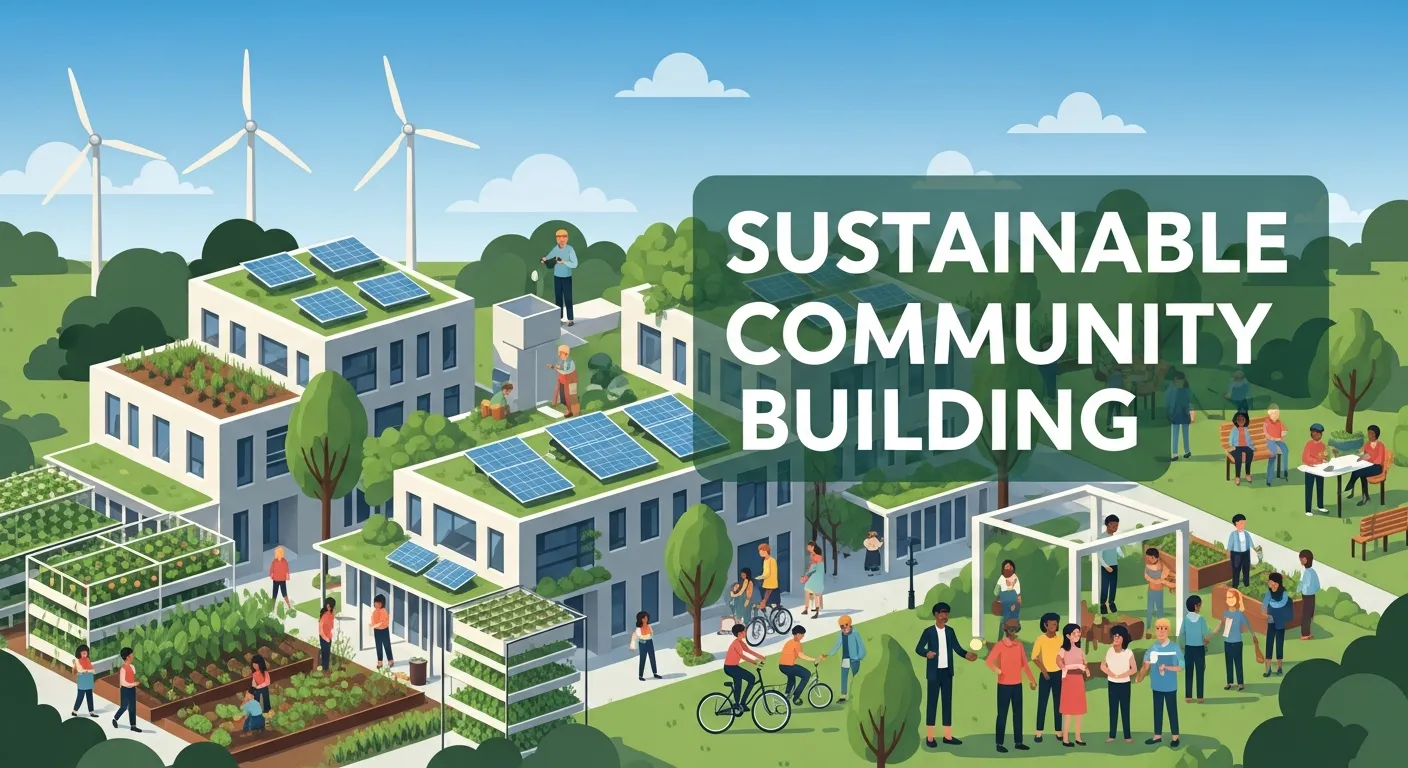
Rebuilding spontaneous community bonds requires sustained effort and adaptive strategies. What works in one community may not work in another, and approaches that succeed initially may need modification as circumstances change.
The most resilient communities are those that develop multiple pathways for connection, recognizing that different people connect in different ways and that individual needs for community engagement vary significantly.
Success in rebuilding community bonds ultimately depends on recognizing that while the methods may be new, the human need for connection remains constant. By thoughtfully combining digital tools with physical spaces, structured opportunities with organic encounters, and individual initiative with collective effort, we can create communities that provide both the efficiency of modern life and the warmth of genuine human connection.
Conclusion
Rebuilding Community Bonds is not a temporary response to social change—it is a long-term necessity for healthy, resilient communities. While spontaneous interactions may no longer happen effortlessly, they can be recreated through intentional design, inclusive participation, and consistent community efforts. By blending digital tools with physical spaces and encouraging organic interaction, rebuilding community bonds can restore the sense of belonging and human connection that communities need to thrive.
Frequently Asked Questions (FAQs)
1. What is meant by Rebuilding Community Bonds?
Rebuilding Community Bonds means restoring trust, meaningful social connections, and a shared sense of belonging among people within a community. It focuses on strengthening relationships that support cooperation, empathy, and collective well-being.
2. Why is Rebuilding Community Bonds important today?
Rebuilding Community Bonds is important today because modern lifestyles, remote work, and digital communication have increased social isolation. Strong community bonds help reduce loneliness, improve mental health, and create more resilient societies.
3. How has digital life affected Rebuilding Community Bonds?
Digital-first interactions have reduced face-to-face communication and spontaneous encounters, making rebuilding community bonds more intentional. While technology connects people quickly, it often lacks the depth of in-person relationships.
4. How can technology support Rebuilding Community Bonds?
Technology supports rebuilding community bonds by enabling people to discover shared interests, organize local events, and maintain ongoing communication between in-person interactions through digital platforms.
5. Can online interaction help in Rebuilding Community Bonds?
Yes, online interaction can help in rebuilding community bonds when used as a bridge to real-world engagement. Digital spaces can initiate connections that later grow stronger through physical interaction.
6. What role do public spaces play in Rebuilding Community Bonds?
Public spaces play a vital role in rebuilding community bonds by encouraging casual encounters, informal conversations, and shared experiences that naturally strengthen social ties.
7. How can local events help in Rebuilding Community Bonds?
Local events help rebuilding community bonds by bringing people together around common activities, creating opportunities for organic interaction and a shared sense of community identity.
8. What challenges affect Rebuilding Community Bonds?
Challenges such as social anxiety, limited time, financial constraints, and cultural differences can slow rebuilding community bonds and reduce participation in community activities.
9. How can workplaces contribute to Rebuilding Community Bonds?
Workplaces contribute to rebuilding community bonds by organizing social meetups, supporting coworking spaces, and encouraging employee participation in local community initiatives.
10. How does Rebuilding Community Bonds improve mental health?
Rebuilding Community Bonds improves mental health by reducing feelings of isolation, increasing emotional support, and fostering a sense of belonging and purpose.
11. Is Rebuilding Community Bonds a long-term process?
Yes, rebuilding community bonds is a long-term process that requires consistent effort, adaptability, and ongoing participation from both individuals and organizations.
12. How can success in Rebuilding Community Bonds be measured?
Success in rebuilding community bonds can be measured through increased participation, stronger trust, frequent social interaction, and a greater sense of belonging within the community.