
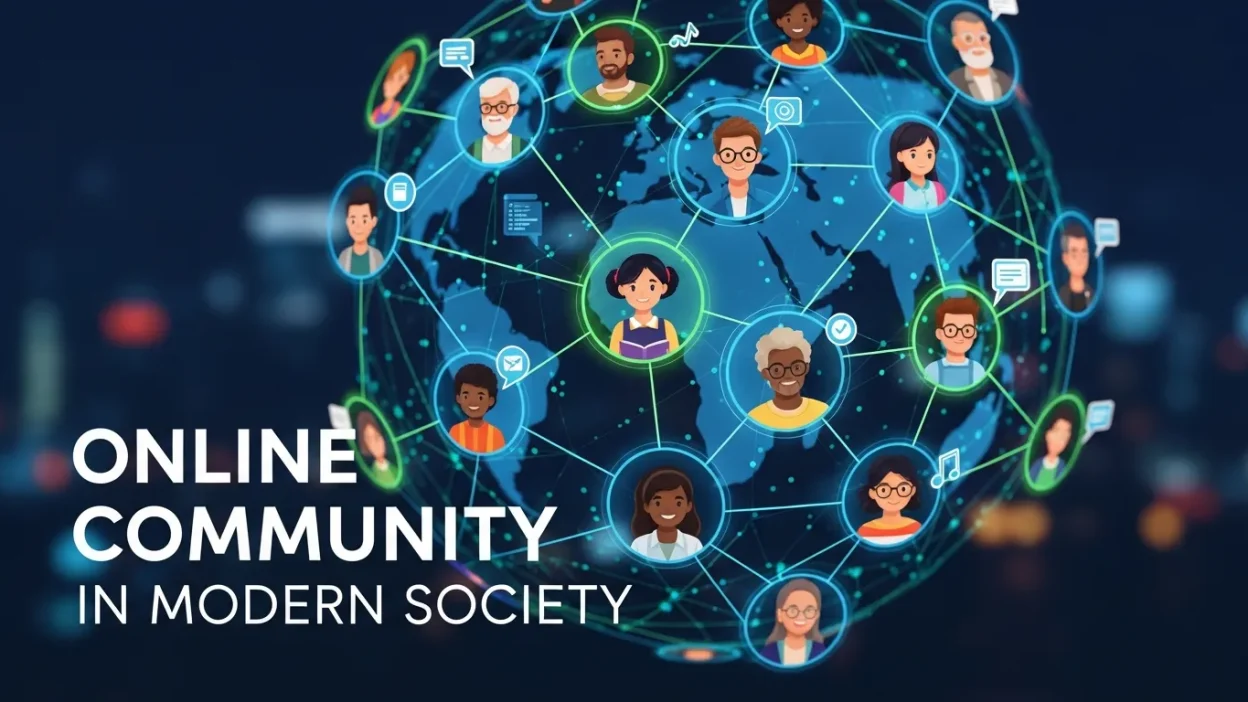
An online community in modern society has become a vital part of the digital age, connecting people across geographies, interests, and cultures. These communities foster human connection, provide emotional and professional support, and amplify marginalized voices. They enable crowdsourcing, skill-building, knowledge sharing, networking, and advocacy. While challenges like misinformation, echo chambers, digital burnout, and inclusivity remain, clear rules, diversity, digital literacy, and interactive engagement can help online communities thrive. Ultimately, they play a pivotal role in shaping social, cultural, and professional landscapes today.
Online communities have become an integral part of the digital age. Whether you’re seeking like-minded individuals who share your hobbies, professional networks to accelerate your career, or forums to exchange knowledge, online communities are bridging gaps in ways previously unimagined.
But these digital hubs go far beyond casual chatting. They foster connection, support growth, and influence larger societal changes. This blog will explore the vital role online communities play in today’s world, from encouraging collaboration to amplifying diverse voices.
The Power of Connection in a Digital Sphere
Human Connection Without Boundaries
One of the most impactful roles of the online community in modern society is its ability to serve as a bridge for individuals across geographical and cultural differences. Regardless of location, people can join forums, social Media Community, or niche interest sites and build meaningful relationships with others who share their experiences or passions.
For example, platforms like Reddit connect millions of users through “subreddits” that cater to topics ranging from gardening hacks to astrophysics discussions. These connections mean that someone in Paris can exchange advice on plant care with someone in Tokyo, globalizing even the most specific interests.
Online communities in modern society also serve as a haven for those who may feel isolated in their immediate surroundings, such as individuals in niche fandoms or those facing social stigmas, providing a sense of belonging and support.
Building Support Systems
The online community in modern society serves as a vital support network, especially in areas like health, mental wellness, and personal challenges. Forums such as Inspire or Facebook groups connect individuals living with chronic illnesses, caregivers, and those navigating life-altering circumstances.
These online communities in modern society allow members to share experiences, provide advice, and offer emotional encouragement, creating a crucial lifeline for many. The camaraderie within these spaces highlights the impact of the online community in modern society in fostering empathy, mutual care, and meaningful human connections.
Amplifying Diverse Voices
Online communities empower minority groups and marginalized voices, giving them platforms to share their stories, advocate for change, and educate others. Social media movements such as #MeToo and #BlackLivesMatter gained traction through collective action in digital spaces by rallying individuals worldwide to raise awareness and push for justice.
Here, tradition-defying conversations thrive, enabling marginalized voices to access audiences that, otherwise, they might not reach.
The Role of Online Community in Modern Society
Online Community in Modern Society is no longer just a digital hangout—it has become a central hub for learning, networking, and social support. These communities connect people across cultures, geographies, and interests, offering spaces for collaboration and shared growth.
They provide:
- Emotional support for those facing personal or health challenges
- Professional networking to accelerate careers
- Platforms for education and skill-building
- Channels for advocacy and amplifying marginalized voices
By fostering connections, online communities help individuals overcome isolation, gain new knowledge, and participate in broader social movements.
A Catalyst for Growth and Knowledge Sharing
Crowdsourcing Innovation
Online community in modern society unlocks unique opportunities for collaboration and creativity. Platforms like GitHub allow developers to crowdsource ideas and projects, leading to groundbreaking developments and open-source tools. Similarly, online marketplaces like Etsy connect creative entrepreneurs with audiences eager for one-of-a-kind products.
By inviting diverse expertise and perspectives, online communities in modern society often spark innovation more efficiently than traditional in-person gatherings, fostering collective problem-solving and creative growth.
Education Beyond Borders
Online communities in modern society with educational missions are breaking barriers to knowledge. From Stack Overflow, which lets developers troubleshoot code, to Coursera groups formed around shared learning goals, these platforms make education more accessible than ever. Whether learning a new language, gaining coding skills, or mastering a cooking recipe, there is an online community in modern society tailored to every learning need.
This approach not only democratizes education but also turns learning into a community-oriented activity, helping members stay motivated while honing their skills.
Professional Advancement
For professionals, online communities in modern society are vital tools for innovation, networking, and career growth. Sites like LinkedIn or industry-specific Slack groups connect professionals globally, giving access to mentors, collaborators, and job opportunities.
These online communities in modern society allow industry professionals to exchange best practices, attend virtual conferences, and stay ahead of trends, ultimately helping them excel in their careers and expand their professional influence.
How Online Communities Drive Learning and Innovation
Online Community in Modern Society plays a pivotal role in professional and educational growth. These spaces encourage collaboration, information sharing, and innovation at a scale impossible offline.
Key ways online communities foster growth:
- Crowdsourcing Ideas: Platforms like GitHub allow developers to collaborate on open-source projects.
- Skill Development: Forums like Stack Overflow or Coursera groups enable learners to solve problems and learn from peers.
- Entrepreneurial Support: Marketplaces like Etsy help small businesses connect with audiences and improve products.
- Professional Networking: LinkedIn groups and industry Slack channels facilitate mentorship, job opportunities, and trend tracking.
By providing access to collective knowledge, online communities enable individuals and businesses to grow faster and smarter than ever before.
Challenging the Norms
Advocacy and Cultural Change
Online communities have played a monumental role in advocacy over the last decade, challenging social norms and reshaping societal conversations. Whether they are rallying for climate action, petitioning governments for legislation, or simply raising awareness about crucial issues, these communities demonstrate the power of collective voice.
Take Change.org, a platform that enables individuals globally to start petitions and bring attention to critical issues. Countless initiatives have gained traction through this platform, showing the ability of like-minded digital citizens to enact tangible change.
Encouraging Accountability
Influencers, brands, and even governments are more accountable today, thanks to the reach of online communities. Public sentiment voiced on platforms like Twitter or Instagram can shape corporate behavior, from pressuring brands to reduce environmental harm to advocating for ethically sourced goods.
Reviews, forums, and social chatter contribute to transparency, ensuring that individuals and businesses operate with integrity under the watchful eye of their digital communities.
The Challenges of Online Communities
While their impact is significant, the online community in modern society is not without its challenges.
Disinformation and Echo Chambers
One drawback of the interconnectedness of online spaces is the risk of spreading misinformation. Without proper oversight, online communities in modern society can amplify false information or controversial ideologies. Additionally, “echo chambers” may form when individuals engage only with like-minded members, limiting critical thinking and nuanced conversations.
Digital Burnout
Over-reliance on online communities in modern society may lead to digital burnout. Constant access to virtual spaces can overwhelm individuals with a never-ending flow of information and community obligations, emphasizing the need for a healthy balance between online and offline life.
Ensuring Inclusivity
Another challenge for the online community in modern society is maintaining inclusivity and respect. Effective moderation, clear policies, and community guidelines are essential to ensure that these digital spaces remain diverse, safe, and welcoming for all members.
Best Practices for Thriving Online Communities
For communities to thrive in the modern digital age, they must be inclusive, engaging, and well-managed. Online Community in Modern Society is most effective when leaders and members follow clear strategies.
Effective strategies include:
- Establishing clear community guidelines to encourage respectful participation
- Promoting member diversity to bring multiple perspectives and experiences
- Educating members on digital literacy, fact-checking, and avoiding misinformation
- Hosting interactive events like AMAs, webinars, or virtual challenges to build engagement
These practices ensure communities remain productive, inclusive, and supportive, enhancing their impact on participants and society.
Creating Stronger Digital Communities
For those who manage or participate in online communities, several measures can enhance their effectiveness and inclusivity:
- Establish Clear Rules: Community guidelines that encourage respect and constructive participation help keep discussions positive.
- Foster Member Diversity: Actively work to include a variety of voices and perspectives. Diverse communities are richer in ideas and experiences.
- Promote Digital Literacy: Educate members on verifying sources and identifying disinformation to improve the quality of discussions.
- Support Interaction: Activities like AMAs (Ask Me Anything), webinars, or group challenges can strengthen connections among members.
Where to Go from Here
Online communities are more than places for connection; they are hubs for collaboration, learning, and advocacy. Whether they’re changing cultural narratives or helping someone brew the perfect cup of coffee, their role in society is profound.
For businesses, professionals, and individuals, online communities offer unique opportunities to connect, learn, and grow. In particular, community building in education plays a vital role in creating supportive learning environments that foster collaboration and student success. By nurturing these spaces and addressing the challenges they face, we can ensure they continue to thrive and positively impact society.
Conclusion
The online community in modern society is far more than a casual digital space—it is a hub for collaboration, learning, support, and societal impact. It empowers individuals, drives innovation, amplifies voices, and ensures accountability in social and professional spheres. By addressing challenges such as disinformation and inclusivity, and promoting engagement, education, and diversity, online communities can continue to positively influence modern society. For individuals, businesses, and educators, active participation in well-managed online communities opens opportunities for growth, networking, and meaningful societal contribution.
FAQs: Online Community in Modern Society
1. What is an online community in modern society?
An online community in modern society is a digital platform where individuals with shared interests, goals, or experiences come together. Members collaborate, exchange knowledge, provide support, and create networks that transcend geographical boundaries, making it easier to build meaningful relationships in the digital age.
2. Why are online communities important in modern society?
Online communities play a crucial role by fostering connection, collaboration, learning, and social support. They provide access to knowledge, professional networks, peer mentorship, and platforms for advocacy, allowing individuals to grow personally and professionally in ways that traditional offline communities may not offer.
3. How do online communities foster human connection in modern society?
They bridge cultural, linguistic, and geographic gaps, enabling meaningful relationships among people who might never meet in person. By connecting like-minded individuals, online communities create spaces for discussion, collaboration, and emotional support, fostering a sense of belonging and reducing social isolation.
4. What types of support do online communities provide?
Online communities offer multiple forms of support, including emotional encouragement, guidance for personal or health challenges, mentorship for career growth, collaborative problem-solving, and access to shared experiences. Platforms like health forums or professional groups provide tailored support to meet diverse member needs.
5. How do online communities in modern society drive learning and innovation?
They act as hubs for crowdsourcing ideas, sharing expertise, and collaborating on projects. Platforms like GitHub, Stack Overflow, or Coursera communities facilitate skill development, knowledge exchange, and innovation by bringing together people with diverse perspectives, accelerating learning and creativity in ways that offline methods cannot.
6. Can online communities influence social change in modern society?
Absolutely. Online communities have become powerful tools for advocacy and activism. Movements like #MeToo and #BlackLivesMatter leveraged digital spaces to amplify marginalized voices, mobilize supporters globally, raise awareness, and drive tangible social and cultural changes.
7. How do online communities benefit professionals in modern society?
Professionals benefit through networking, mentorship, industry insights, collaborative projects, and access to virtual events. Communities on platforms like LinkedIn, Slack, or specialized industry forums enable knowledge exchange, trend tracking, and professional growth, helping members advance their careers more effectively.
8. What challenges do online communities face in modern society?
Challenges include the spread of misinformation, echo chambers that limit diverse perspectives, digital burnout from overuse, harassment or trolling, and the difficulty of maintaining inclusivity and respectful behavior among members. Addressing these issues is essential for the long-term health of communities.
9. How can online communities maintain inclusivity in modern society?
Inclusivity can be maintained through clear community guidelines, active moderation, promoting diverse membership, and encouraging respectful discussion. Educating members on digital etiquette, fact-checking, and anti-bias practices ensures that communities are welcoming and accessible to all.
10. What role does digital literacy play in online communities in modern society?
Digital literacy equips members with the skills to verify information, identify scams, fact-check content, and engage safely. It ensures that online communities remain reliable sources of knowledge and collaboration while minimizing risks associated with misinformation or fraudulent activity.
11. How can online communities remain engaging and productive in modern society?
Communities stay active and valuable by hosting interactive activities like webinars, AMAs (Ask Me Anything), virtual challenges, and discussion forums. Encouraging participation, providing recognition for contributions, and fostering collaboration help sustain engagement and create a vibrant digital ecosystem.
12. Why are online communities essential in modern society?
Online communities are essential because they connect people across distances, foster knowledge sharing, support professional and personal growth, drive innovation, and amplify voices for social change. They provide a platform for learning, networking, collaboration, and advocacy, making them a cornerstone of participation in today’s digital era.