
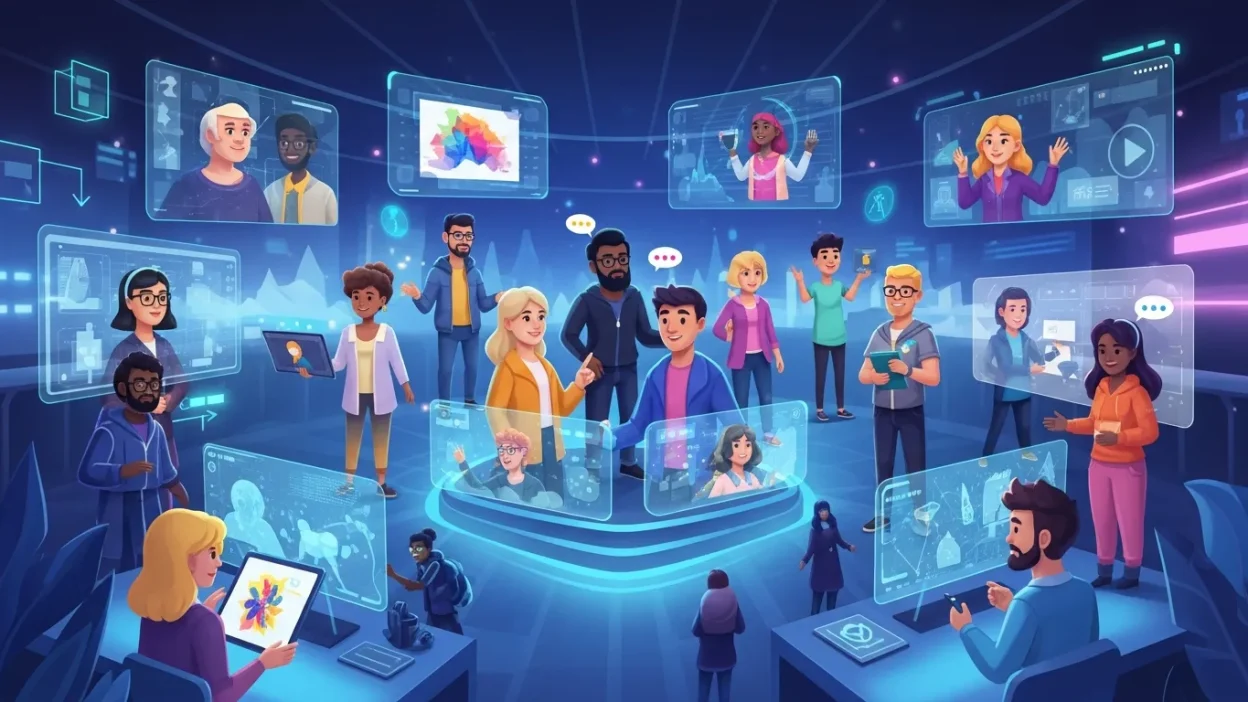
The nature of how people interact remains ever-changing—and the emergence of virtual communities has brought with it new possibilities to nurture relationships and inspire collaboration in vibrant, digital environments. If you’re an entrepreneur, a creator, or a super passionate individual for a specific niche, knowing how exactly to create and manage engaging virtual communities is a necessity
Why Virtual Communities Are Important
Virtual spaces have evolved beyond social media into cause-based spaces for coalescing with folks of similar mindsets. And that’s why they are more important than ever:
- World Connection: Virtual spaces break the limitation of geography allowing people from all over the world to meet and interact.
- Common Purpose: Shared goal helps participants to identify with the group.
- Growth and Brand Loyalty: For companies, they can create a deep connection with their audience, both delivering growth and creating brand loyalty.
Let’s consider Discord, which began as a tool for gamers and has metastasized into a platform for brands, creators, and amateurs to cultivate dense, vibrant communities around topics such as fitness, finance, fandoms, and more.
The Role of Virtual Networking in Community Growth

Virtual networking is one of the strongest drivers behind maintain engaging virtual communities. When members are encouraged to connect beyond surface-level interaction, communities evolve into meaningful networks. Structured networking opportunities—such as breakout rooms, interest-based channels, or themed discussion days—help members build real relationships. These connections increase retention and transform digital communities into trusted spaces for collaboration and shared growth.
The Fundamentals of Creating an Online Community
Define Your Purpose
Every successful community begins with a clearly defined purpose. Ask yourself:
- Will this community fill a need or serve an interest?
- Who is the ideal audience?
Running with a purpose is how members know why they should join and engage. For example, a fitness group could offer workout tips, accountability challenges, or live Q&A sessions with instructors.
Select the Platform for Your Needs
Your choice of platform can make or break your virtual community. They all have different features that are designed for different sets of people and different goals.
- Facebook Groups: Great for global reach.
- Discord: Perfect for quirky, niche, interactive communities.
- Reddit: Great for open discussion forums, especially around niche subjects.
- Slack: Ideal for business and professional communities.
Select a platform according to your audience.
Choosing the Right Online Community Platforms for Engagement
Not all Online Community Platforms are built equally. Selecting the right platform plays a critical role in maintaining engaging virtual communities. Platforms with features like real-time chat, notifications, content moderation, and analytics make engagement easier to sustain. Whether it’s Discord for niche interaction or Facebook Groups for reach, the platform should support both conversation and scalability as your digital community grows.
Get Them Onboard with an Unforgettable Onboarding Process
How you greet new members of your community is how you influence the tone.
- Have a catchy welcome message that says what the group is about.
- Offer easy ways for people to get involved such as rules or how to engage in discussions.
- Provide quick wins such as free resources, a welcome Q&A, or a lively “Introduce Yourself” thread to get the conversations started.
How to Keep Your Virtual Community Engaged

Creating a digital community is just the start. It is important to maintain the interest and involvement of members to achieve success over the long term.
Content Strategy for Maintaining Engaging Virtual Communities
Consistent, value-driven content is the backbone of every successful social media community. Educational posts, discussion prompts, weekly themes, and exclusive updates keep members returning. A clear content calendar helps balance promotional, educational, and interactive posts—ensuring your digital communities remain active without feeling overwhelming or repetitive.
Set Clear Boundaries and Rules
- Post rules to keep spam, personal attacks, and stay focused on the purpose.
- Post these rules where participants can see them.
Foster an Inclusive Dialogue
Your fans need to feel appreciated and involved:
- Help foster an open and welcoming community by considering a broad spectrum of topics and views.
- Make use of polls, quizzes, icebreakers to get participation going.
- Reply to members as soon as possible to acknowledge their contribution.
Building Trust and Psychological Safety in Digital Communities
To maintain engaging virtual communities, members must feel safe expressing their opinions. Establishing trust through respectful moderation, inclusive language, and transparent decision-making encourages deeper participation. When people feel heard and respected, digital communities naturally become more active, collaborative, and loyal over time.
Schedule Events and Activities
Virtual events can drive engagement and provide members with an incentive to look forward to something regularly.
Ideas include:
- Live webinars from top industry professionals.
- AMA (Ask Me Anything) events to stimulate community conversation.
- Fun competitive events to ensure creativity and competition.
For instance, a book club might bring together a group of literary enthusiasts once a month, creating an event around the selected book, such as live observations by the book’s author.
Leveraging Live Experiences to Strengthen Virtual Communities
Live experiences such as virtual networking sessions, workshops, or panel discussions add energy to online spaces. These real-time interactions humanize digital communities and create shared memories. Regular live events also reinforce routine engagement, helping communities stay vibrant rather than passive or content-only.
Acknowledge and Incentivize Engaged Members
Recognize your top engaged community members as they often are the catalysts that motivated others to join in the first place.
- Shout out about their lower-level contributions.
- Make a leaderboard or do a “Community Champion” acknowledgment at the next meeting.
- Give out little perks, such as free products or premium content.
Promote User-Generated Content (UGC)
Getting to co-create is a way that members feel they have a stake in the community. Encourage members to share:
- Success stories.
- Questions and polls.
- Personal tips or resources.
This not only generates engagement but yields organic content that is representative of the community.
Empowering Members Through Ownership and Co-Creation
One of the most effective ways to maintain engaging virtual communities is by giving members a sense of ownership. Allowing members to host sessions, moderate discussions, or contribute featured content increases emotional investment. This co-creation approach strengthens social media communities and turns passive users into active community advocates.
The Advantages of Availing Virtual Communities

There will be some number of “committed virtual communities” that provide years of value for both the producers and the consumers.
Measuring Engagement Success in Digital Communities
Tracking engagement metrics is essential to understand what’s working. Metrics like active members, comment frequency, event attendance, and retention rates help evaluate community health. Using analytics tools provided by online community platforms allows creators and brands to continuously improve engagement strategies and maintain long-term growth.
Strengthened Relationships
Strong community creates real connection between people, and this establishes trust and loyalty. For businesses, they make brands feel more human, more interactive.
Increased Knowledge Sharing
A community helps you keep learning from other members and activate shared expertise. Whether it’s teaching them how to code or sharing parenting recommendations, there’s nothing more powerful than the exchange of knowledge.
Enhanced Growth Opportunities
For businesses or creators, communities make word-of-mouth marketing swell and organic growth ignite. Lots of people become advocates, and then tell another group of people about the space.
Hurdles to Expect (and Clear)
Keeping Engagement Sustained
As participation drops off, communities can go dormant. Schedule consistent, value-add activities such as weekly polls or exclusive content to re-engage members.
Managing Community Rules
Some people won’t follow the rules entirely. Specific rules and having moderators can help keep the environment positive.
Navigating Platform Changes
Platforms can change quite quickly, so make sure your community is adaptable by expanding your presence or at least keeping up with changes to tools and policies.
Common Mistakes That Hurt Virtual Community Engagement
Even strong communities can lose momentum due to common mistakes such as over-promotion, lack of moderation, or ignoring member feedback. To maintain engaging virtual communities, it’s crucial to listen actively, adapt content strategies, and avoid treating the community as a one-way broadcast channel. Healthy digital communities prioritize conversation over control.
Where Virtual Communities Are Going
The next stage for virtual communities is deeper integrations, AI enhancements, and more personalization:
- AI-Powered Features: Chatbots and predictive polls will add another layer of automation to engagement while ensuring that fan interaction stays fun.
- Micro-Communities in Niche: Will thrive as people look for exclusive channels that speak to their interests or industry.
- Hybrid Experiences: Will break down the barriers of virtual and in-person events, providing unprecedented flexibility and new opportunities to interact for all participating parties.
The key to the success of any virtual community is that the technology must be married with humanity, to ensure that it does not become a place where people feel like numbers or misunderstood. Utilizing these trends, you will make a place people never want to leave.
Start Your Web Space With Us Today

Forming a virtual community might require a little work, but the payoff is invaluable. Whether you’re turning a passion into a great product or service, fostering loyalty and love for a brand, you’re creating a brand the right way and mindset will help set you up for success.
Don’t know how to jump-start your virtual community? Start small—but dream big. Try things out, check out platforms, and most important of all, listen to your audience. Just a few steps to a thriving, engaging digital enclave.
The Power of Community-Led Growth
Strong moderation, inclusive dialogue, and member-driven participation strengthen digital communities. When people feel heard and empowered to contribute, virtual communities evolve into active ecosystems that encourage loyalty, knowledge sharing, and long-term engagement.
Conclusion
Creating a virtual community is only the first step—maintaining engaging virtual communities is what ensures lasting success. Through meaningful virtual networking, thoughtful content strategies, active moderation, and member-driven experiences, digital communities can evolve into powerful ecosystems of trust and collaboration.
As online interactions continue to grow, communities that prioritize humanity, inclusivity, and engagement will stand out. Whether you are building a social media community or managing a niche digital network, focusing on connection over promotion will help your community not just survive—but truly thrive.
Frequently Asked Questions (FAQ)
1. What are virtual communities?
Virtual communities are online spaces where people with shared interests, goals, or values connect, interact, and collaborate using digital platforms like social media groups, forums, or community apps.
2. Why is it important to maintain engaging virtual communities?
Maintaining engaging virtual communities helps improve member retention, trust, and participation. Active communities create stronger relationships and long-term value for both members and brands.
3. How does virtual networking support community growth?
Virtual networking enables deeper connections between members through discussions, events, and collaboration. These interactions transform digital communities into meaningful and supportive networks.
4. Which online community platforms are best for engagement?
Popular online community platforms include Discord, Facebook Groups, Slack, and Reddit. The best platform depends on your audience, goals, and the type of engagement you want to encourage.
5. How can I keep members active in my digital community?
Consistent content, live events, clear rules, recognition programs, and user-generated content are effective ways to keep digital communities active and engaging.
6. What role does content play in maintaining engaging virtual communities?
Content is the backbone of engagement. Educational posts, discussion prompts, polls, and exclusive updates help sustain interest and encourage participation in social media communities.
7. How important is onboarding in virtual communities?
A strong onboarding process sets expectations, introduces community values, and helps new members feel welcome—making them more likely to stay engaged long-term.
8. How can trust be built in digital communities?
Trust is built through respectful moderation, transparent rules, inclusive discussions, and consistent communication. Psychological safety encourages members to participate openly.
9. What are common mistakes that hurt virtual community engagement?
Over-promotion, lack of moderation, ignoring feedback, and inconsistent activity are common mistakes that can cause engagement to drop in virtual communities.
10. How do live events improve virtual community engagement?
Live events such as webinars, AMAs, and virtual networking sessions create real-time interaction, shared experiences, and stronger emotional connections among members.
11. How can brands benefit from virtual communities?
Brands benefit from increased loyalty, organic growth, valuable feedback, and stronger relationships by maintaining engaging virtual communities.
12. What is the future of virtual communities?
The future of virtual communities includes AI-powered engagement tools, niche micro-communities, and hybrid experiences combining online and offline interaction.