
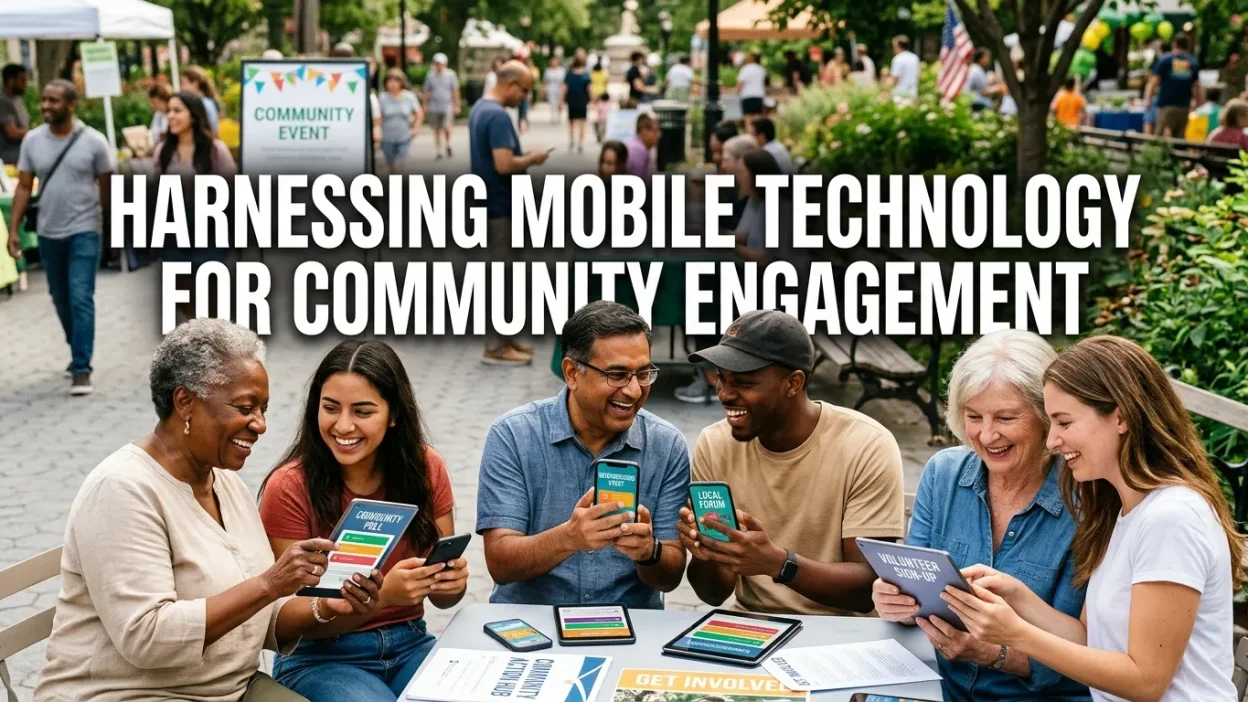
Dive into the modern era of connection where mobile technology empowers leaders to build stronger, more active, and highly engaged communities across the globe.
Discover actionable strategies for community engagement in the digital age. This comprehensive guide covers essential features, common pitfalls, and expert insights to help you foster meaningful relationships, improve communication, and measure the long-term success of your digital ecosystem using targeted outreach.
The Evolution of Digital Connections
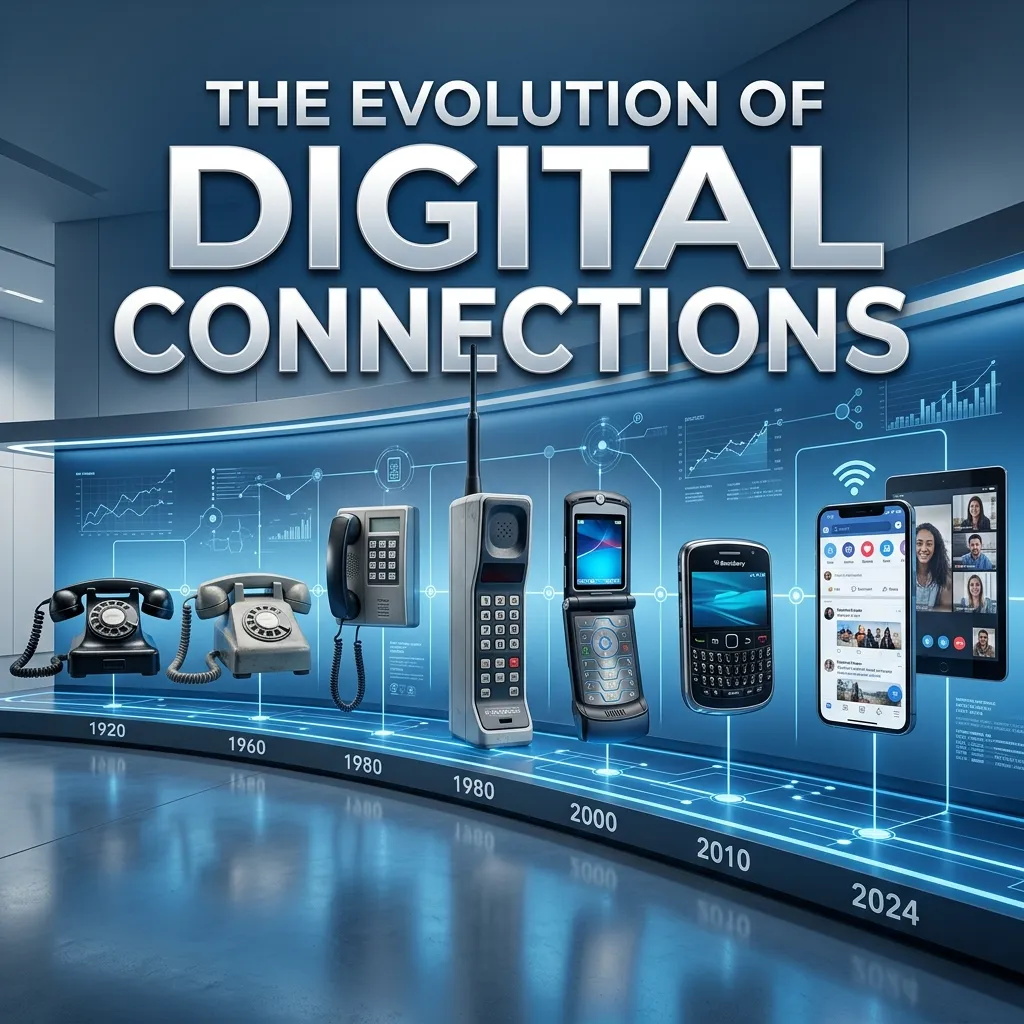 The way we connect has fundamentally shifted. Gone are the days when public forums and physical bulletin boards were the primary methods of interaction. Today, individuals look to digital platforms to share ideas, coordinate events, and participate in local governance. This shift presents a massive opportunity for organizations to connect with their audience where they spend the majority of their time: their smartphones. By integrating mobile technology into your communication strategy, you bridge the gap between physical distance and digital intimacy.
Building a thriving digital ecosystem requires more than just launching an application. It demands a deep understanding of user behavior, cultural nuances, and structural accessibility. Leaders who successfully harness this dynamic can foster an environment where every voice feels heard and valued. The incorporation of digital engagement tools creates a robust foundation for ongoing dialogue, transforming passive observers into active participants who drive the collective mission forward.
The Role of Accessibility and Inclusivity
A critical advantage of digital platforms is their ability to democratize participation. In traditional settings, loud voices often dominate town halls or group meetings, leaving quieter individuals sidelined. Furthermore, physical meetings present logistical challenges for working parents, individuals with disabilities, and those living in remote areas.
Utilizing mobile technology removes these barriers, creating an equitable playing field. Surveys, polls, and discussion boards allow introverted members to share their perspectives thoughtfully. Language translation features built into many modern platforms enable cross-cultural integration, breaking down communication silos. By focusing on inclusive participation networks, organizations ensure that their decisions reflect the diverse makeup of their entire population, rather than just a vocal minority.
Core Features of Effective Platforms
To truly captivate an audience, your platform must offer features that provide tangible value. Simply pushing information one way is insufficient. The most successful deployments function as interactive hubs.
Real-Time Push Notifications
When used judiciously, push notifications are incredibly powerful. They cut through the noise of crowded email inboxes to deliver urgent updates, event reminders, or direct messages. However, relevance is key. Sending localized alerts about a nearby gathering creates serendipitous connections, whereas bombarding users with generic updates leads to notification fatigue and app uninstalls.
Interactive Feedback Mechanisms
People want to know their opinions matter. Integrating polls, surveys, and comment sections allows for instant feedback. When local governments or organizational leaders use mobile technology to gather sentiment data, they can make informed, rapid decisions. Showing users that their input directly influences outcomes is the strongest catalyst for sustained participation.
Member Directories and Networking
A core human desire is to connect with like-minded individuals. Providing a secure, searchable directory allows members to find each other based on shared interests, geographic proximity, or professional backgrounds. Enabling peer-to-peer networking transforms a top-down broadcasting channel into a self-sustaining web of relationships.
Integrating Physical and Digital Experiences
The goal of digital tools is not to replace face-to-face interaction but to enhance it. The most vibrant communities operate on a hybrid model, using digital spaces to facilitate physical gatherings.
Event management features, such as RSVPs, interactive maps, and live check-ins, streamline the administrative burden of hosting meetups. Following an event, the platform serves as a space to share photos, continue discussions, and build upon the momentum generated in person. By leveraging mobile technology to connect the physical and digital realms, organizers create a continuous loop of engagement that keeps members invested year-round.
Data-Driven Decision Making
 One of the most significant benefits of transitioning to digital platforms is the wealth of data generated. Every interaction, click, and comment provides a puzzle piece detailing what your audience cares about.
Tracking metrics such as daily active users, session frequency, and feature-specific engagement allows administrators to refine their strategies. For example, if data reveals that a specific discussion forum is highly active, leaders can allocate more resources to that topic. Conversely, if an event calendar sees little traffic, it may require better visibility or different content. Utilizing data-driven community insights ensures that your efforts are consistently aligned with your members’ actual interests and behaviors.
Structuring Your Engagement Strategy
Launching an app is merely the first step. Without a cohesive strategy, even the best software will become a digital ghost town. Your strategy must encompass onboarding, content creation, and continuous value delivery.
Begin with a clear onboarding process. When a user first opens the application, they should immediately understand its value and how to navigate it. Guide them to complete their profile, join relevant subgroups, and introduce themselves. Following onboarding, maintain a consistent content calendar. Blend educational resources, interactive questions, and user-generated content to keep the feed dynamic.
As you weave mobile technology into your operational framework, empower your most active members to become ambassadors. Volunteer community leaders can moderate discussions, welcome new members, and host micro-events, distributing the workload and fostering a more organic culture.
Expert Insights
To maximize the impact of your initiatives, it pays to listen to those who have successfully navigated this landscape. Experts emphasize that technology should always serve the human element, not overshadow it.
First, focus on solving real problems. If your audience struggles to find affordable housing resources, ensure your platform makes that information easily accessible. Second, embrace iteration. Your first launch will not be perfect. Gather user feedback relentlessly and be willing to pivot your approach based on what the community actually needs.
Finally, maintain authenticity. In an era of automated bots and generic corporate messaging, genuine human connection stands out. When administrators interact on the platform, they should do so with a conversational, empathetic tone. This authentic approach to mobile technology builds the trust required for long-term loyalty.
Measuring Long-Term Success
Success looks different for every organization, but certain universal metrics indicate a healthy ecosystem. Look beyond vanity metrics like total downloads and focus on retention and depth of interaction.
A high ratio of daily active users to monthly active users signifies that your platform has become a daily habit. High engagement rates on specific features, such as direct messaging or specialized forums, indicate that members are finding deep, personal value. Furthermore, track qualitative data. Are the conversations respectful? Are members collaborating to solve problems? By analyzing these qualitative engagement metrics, you gain a holistic view of your community’s health.
Comparing Approaches: A Strategic View
Understanding how different tools stack up helps in making informed decisions. Below is a structured comparison of various engagement methodologies.
Engagement Methods Comparison Table
|
Feature |
Traditional Methods |
Social Media Platforms |
Dedicated Mobile Apps |
|---|---|---|---|
|
Accessibility |
Low (Requires physical presence) |
High |
Very High (On-the-go access) |
|
Data Ownership |
N/A |
Low (Owned by the network) |
High (Fully owned by the organization) |
|
Distraction Level |
Low |
High (Competing with global feeds) |
Low (Focused environment) |
|
Customization |
Moderate |
Low |
High (White-label branding) |
|
Direct Communication |
Slow (Mail/Email) |
Variable (Algorithm dependent) |
Instant (Push Notifications) |
Building a Culture of Trust
At the heart of every thriving network is trust. Members must trust that their data is secure, their voices will be heard, and the environment will remain respectful.
Communicate your privacy policies clearly. Let members know exactly how their data will be used and give them granular control over their privacy settings. When organizations are transparent about their mobile technology practices, members feel safer sharing their authentic selves. Trust is further cultivated through consistent, reliable leadership. When leaders follow through on promises made within the digital space, it validates the platform’s purpose and encourages deeper participation.
Fostering Collaborative Innovation
When you bring diverse minds together in an accessible digital space, innovation naturally follows. Crowdsourcing ideas for neighborhood improvements, product development, or organizational restructuring becomes infinitely easier.
Create dedicated spaces within your platform for brainstorming and collaboration. Use upvoting features to let the community highlight the best ideas. When members see their suggestions implemented in the real world, it creates a powerful sense of ownership. This collaborative spirit, fueled by mobile technology, transforms your audience from passive consumers into active co-creators of your shared future.
Expanding Reach Beyond Borders
 Historically, communities were bound by geography. Today, shared interests and professional goals are the primary unifying factors. Digital platforms allow you to scale your reach globally without losing the intimacy of a small group.
By creating localized subgroups within a larger global network, you offer the best of both worlds: the vast resources of a massive community and the personalized touch of a local chapter. This scalable approach to mobile technology empowers organizations to grow their impact exponentially while maintaining the core values that drew members to them in the first place.
The Future of Civic and Social Interaction
Looking ahead, the integration of artificial intelligence and location-based services will further personalize the user experience. AI can help surface relevant content, connect individuals with complementary skills, and even moderate discussions in real-time.
Local governments are already utilizing these advancements to gather hyper-local feedback on infrastructure projects, while professional associations use them to facilitate global mentorship programs. As mobile technology continues to evolve, the organizations that stay ahead of the curve will be the ones that view these tools not just as software, but as essential infrastructure for human connection. Emphasizing strategic digital adoption ensures you remain relevant in a rapidly shifting landscape.
Conclusion
Building a deeply connected audience requires moving beyond outdated communication methods. By embracing innovative strategies, ensuring inclusive design, and fostering genuine trust, you can create a thriving digital ecosystem. Implement mobile technology thoughtfully to turn passive audiences into active, passionate contributors. Ready to transform your organizational impact? Start designing your digital engagement strategy today.
Frequently Asked Questions
1. What is the primary benefit of utilizing digital platforms for audience connection?
The primary benefit is accessibility. It allows users to interact, share feedback, and connect with peers seamlessly from anywhere, overcoming the limitations of physical geography and scheduled meetings.
2. How do push notifications improve communication?
Push notifications cut through the noise of crowded email inboxes to deliver timely, relevant alerts directly to a user’s device. When used strategically, they drive immediate action and keep the platform top-of-mind.
3. What are the common pitfalls to avoid when launching an application?
Common mistakes include over-notifying users, launching with a confusing user interface, failing to moderate discussions, and ignoring analytics. Avoiding these ensures a smoother user experience and higher retention.
4. How can I ensure my platform is inclusive for all members?
Inclusivity is achieved by providing features like language translation, ensuring accessibility for individuals with disabilities (such as screen reader compatibility), and offering multiple ways to participate, like polls and text forums.
5. Why is a dedicated app better than a social media group?
A dedicated application offers complete control over your data, removes the distractions of algorithms and competitor advertisements, and allows for white-label branding, creating a more focused and professional environment.
6. How do I measure the success of my digital strategy?
Success is measured by tracking metrics such as daily and monthly active users, feature-specific engagement, session frequency, and qualitative feedback gathered through member surveys and forum interactions.
7. What role do volunteer moderators play?
Volunteer moderators help distribute the workload by managing discussions, welcoming new members, and hosting micro-events. They foster an organic, peer-led culture that is essential for sustainable growth.
8. How does data analytics improve the user experience?
By analyzing how users interact with the platform, administrators can identify which features are most popular, understand what content resonates, and make data-driven decisions to continually refine and improve the ecosystem.
9. Can digital tools enhance physical events?
Yes. Digital tools streamline event management through RSVPs and interactive maps. Post-event, the platform provides a space to share media and continue conversations, extending the lifecycle of the physical gathering.
10. How frequently should I update my content strategy?
Your content strategy should be reviewed and updated regularly based on analytics and user feedback. An agile approach ensures your platform remains relevant, engaging, and aligned with your members’ evolving needs.