
Understanding Your Mission and Vision
A successful non profit business plan begins with a clear mission and vision statement. Your mission defines why your organization exists, while your vision explains the long-term impact you want to achieve. These elements act as the backbone of your entire strategy. Without clarity in purpose, it becomes difficult to attract donors, volunteers, or partners. A strong mission should be simple, focused, and solution-oriented, addressing a specific social, environmental, or community problem. Your vision should inspire and guide future growth. When developing your non profit business plan, ensure both mission and vision are aligned with your core values and measurable goals. This clarity will help you stay consistent and focused throughout your organization’s journey.
Identifying Target Audience and Community Needs
Every effective non profit business plan must clearly define the target audience and community needs. Understanding who you are serving allows you to design better programs and deliver meaningful impact. Start by researching the specific problems your community faces and identifying gaps in existing services. This helps ensure your organization provides real value instead of duplicating efforts. A strong analysis of demographics, behaviors, and local challenges will make your non profit business plan more strategic and data-driven. Engaging with community members through surveys, interviews, or field visits can provide deeper insights. When you clearly understand your audience, you can design programs that are more effective, measurable, and aligned with real-world needs, increasing your chances of long-term success.
Setting Clear Goals and Objectives
 Setting clear goals and objectives is a crucial step in building a successful non profit business plan. Goals define what your organization wants to achieve, while objectives break those goals into actionable and measurable steps. These should follow the SMART framework—Specific, Measurable, Achievable, Relevant, and Time-bound. Well-defined goals help track progress and evaluate success over time. In your non profit business plan, ensure each objective aligns with your mission and addresses a real community need. For example, instead of saying “help the poor,” define measurable outcomes like “provide food support to 500 families within 12 months.” Clear goals not only guide internal decision-making but also increase donor confidence and improve funding opportunities for your organization.
Developing Programs and Services
Programs and services are the heart of any non profit business plan. This section outlines how your organization will deliver value to the community. Each program should directly support your mission and be designed to solve specific problems. When developing services, focus on practicality, sustainability, and impact. Consider how each initiative will be implemented, who will manage it, and what resources are required. A strong non profit business plan clearly explains the structure, timeline, and expected outcomes of each program. It is also important to ensure flexibility so your programs can evolve based on feedback and changing needs. Well-designed services not only improve community impact but also strengthen credibility with donors and stakeholders.
Creating a Funding Strategy
A solid funding strategy is essential in any non profit business plan. Without financial stability, even the best ideas cannot succeed. Your funding model may include grants, donations, sponsorships, crowdfunding, or partnerships with organizations. It is important to diversify income sources to reduce risk and ensure long-term sustainability. A strong non profit business plan should clearly explain how funds will be raised, managed, and allocated. Transparency plays a key role in building trust with donors and supporters. You should also include a fundraising timeline and estimated budget for each activity. By developing a realistic and well-structured funding strategy, your non-profit can maintain operations while expanding its reach and impact over time.
Building Organizational Structure
 An effective non profit business plan must include a clear organizational structure. This defines roles, responsibilities, and reporting relationships within your organization. A well-organized structure ensures smooth operations and better accountability. Typically, a non-profit includes a board of directors, executive leadership, and operational teams. Each role should be clearly defined to avoid confusion and overlap. Your non profit business plan should also highlight leadership skills, volunteer involvement, and governance policies. Strong governance ensures ethical decision-making and long-term stability. Additionally, outlining hiring plans and volunteer management strategies helps in building a reliable team. A structured organization improves efficiency, strengthens internal communication, and supports sustainable growth for your mission-driven initiatives.
Marketing and Outreach Strategy
Marketing and outreach are essential components of a non profit business plan because they help raise awareness and attract supporters. A strong strategy includes digital marketing, social media campaigns, community engagement, and public relations activities. Your goal is to communicate your mission effectively and build emotional connections with your audience. In a non profit business plan, clearly define how you will reach donors, volunteers, and beneficiaries. Storytelling is a powerful tool that helps showcase real impact and inspire action. Consistent branding and messaging also improve recognition and trust. By combining online and offline outreach methods, your organization can expand visibility, increase engagement, and strengthen its overall presence in the community.
Legal Compliance and Registration
A non-profit business plan must include legal compliance and registration details to ensure the organization operates lawfully and maintains credibility. Every country has specific rules for registering a non-profit, including documentation, tax exemptions, and governance requirements. A clear legal structure protects the organization from risks and builds trust with donors and stakeholders. In a non profit business plan, outlining compliance steps helps avoid future legal issues and ensures smooth operations. Proper registration also improves eligibility for grants and partnerships, making it easier to expand activities and gain recognition in the social sector.
Key Points:
- Register the organization under relevant non-profit laws
- Apply for tax-exempt status if available
- Maintain proper documentation and financial records
- Follow government reporting requirements
- Ensure transparency in governance and operations
| Area | Requirement Example | Importance Level |
|---|---|---|
| Registration | NGO/Charity certification | High |
| Tax Exemption | Apply for nonprofit tax status | High |
| Financial Records | Annual audit reports | High |
| Reporting | Government compliance filings | Medium |
| Governance | Board structure documentation | High |
Financial Planning and Budgeting
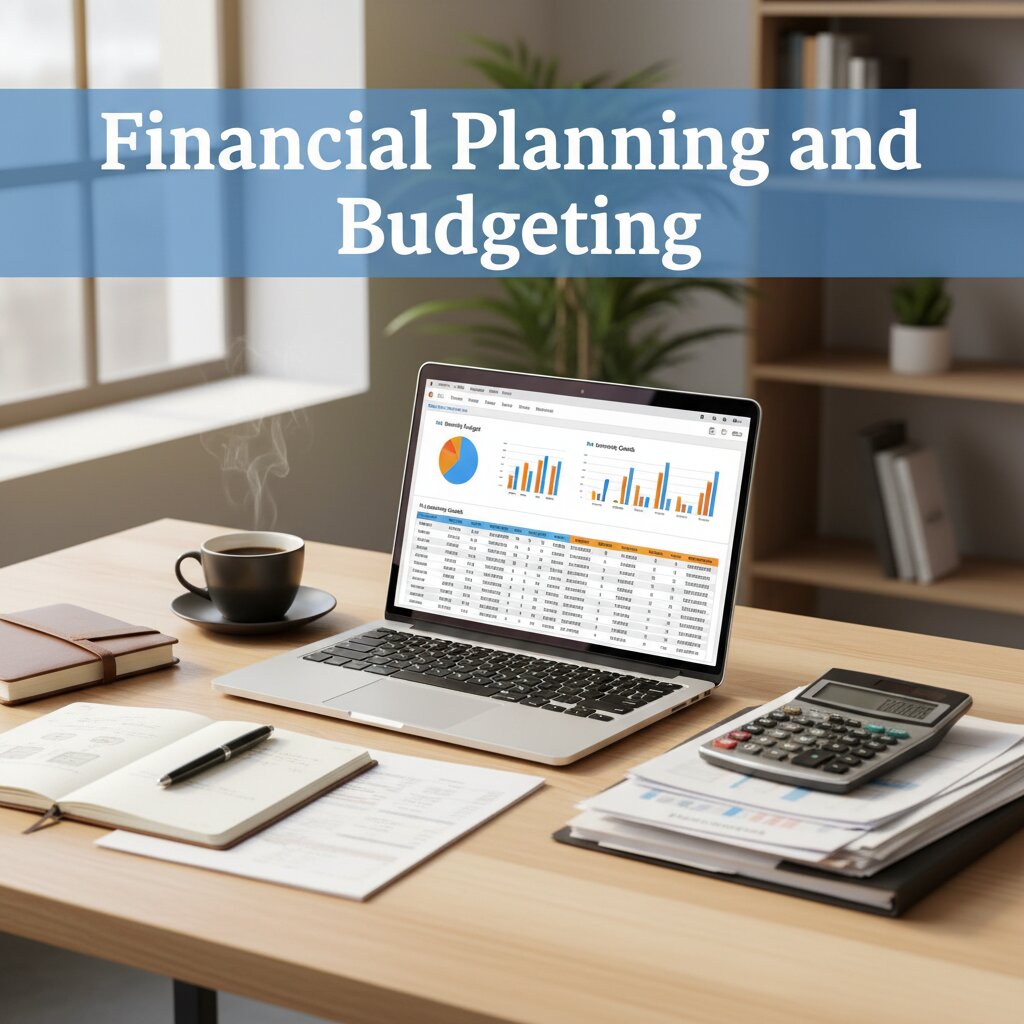 Financial planning is a critical part of any non-profit business plan. It ensures your organization can operate efficiently and sustainably. This section includes budgeting, expense tracking, and financial forecasting. You should clearly outline expected income sources and planned expenditures. A detailed non-profit business plan also includes cash flow projections and contingency plans for financial risks. Transparency in financial reporting builds trust with donors and regulatory bodies. Proper budgeting helps prioritize essential activities and avoid unnecessary spending. It is also important to regularly review financial performance to ensure alignment with goals. Strong financial planning allows your non-profit to remain stable, accountable, and prepared for future growth opportunities.
Monitoring and Evaluation System
A monitoring and evaluation system is essential in a non profit business plan to measure success and improve performance. It helps track progress toward goals and ensures accountability. Key performance indicators (KPIs) should be defined for each program and activity. Regular evaluation allows organizations to identify strengths, weaknesses, and areas for improvement. A well-structured non-profit business plan includes feedback systems from beneficiaries, donors, and stakeholders. Data collection methods such as surveys, reports, and field assessments are important tools for evaluation. Continuous improvement ensures that programs remain effective and relevant. This process strengthens credibility and helps organizations demonstrate measurable impact to supporters and funding partners.
Partnership and Collaboration Strategy
A strong non-profit business plan includes partnerships and collaborations to increase impact and resources. Working with other organizations, businesses, and community groups helps expand reach and improve service delivery. Partnerships can provide funding, expertise, volunteers, and shared resources. A non-profit business plan should clearly define how collaborations will be formed and managed. Strategic alliances also help reduce costs and improve efficiency while creating a stronger community impact. By building meaningful partnerships, non-profits can scale their programs faster and achieve long-term sustainability more effectively.
Key Points:
- Collaborate with NGOs and community groups
- Partner with corporate sponsors for funding
- Build relationships with local government bodies
- Share resources to reduce operational costs
- Engage volunteers through partner networks
| Partner Type | Contribution Example | Benefit to Non-Profit |
|---|---|---|
| NGOs | Shared programs & expertise | Increased impact |
| Corporations | Funding & CSR support | Financial stability |
| Government Bodies | Grants & policy support | Legal and operational support |
| Volunteers Groups | Manpower assistance | Reduced operational costs |
| Local Communities | Engagement & feedback | Better program effectiveness |
Sustainability and Growth Strategy

Long-term sustainability is a key focus of a successful non profit business plan. This section outlines how your organization will continue to grow and maintain impact over time. Sustainability strategies may include expanding funding sources, building partnerships, and scaling successful programs. A strong non-profit business plan also considers capacity building, staff development, and innovation. Growth should be strategic, ensuring that expansion does not compromise quality or mission focus. Planning for the future helps organizations remain resilient in changing environments. By focusing on sustainability, your non-profit can continue delivering value to the community while adapting to new challenges and opportunities in the social sector.