

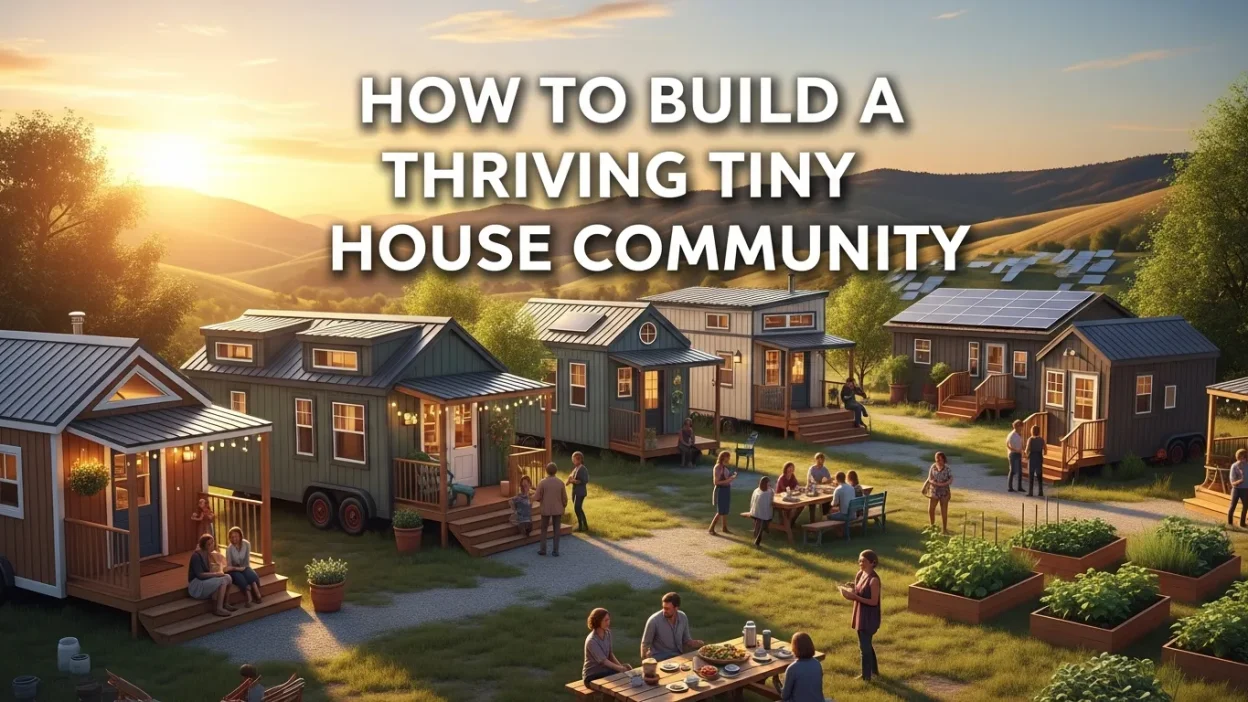
A Tiny House Community is more than a cluster of small homes—it’s a lifestyle focused on sustainability, affordability, and social connection. Successfully building such a community involves careful planning, including defining your vision and goals, securing suitable land, planning infrastructure, establishing design guidelines, and fostering a strong social culture. Shared amenities, collaborative activities, and consistent engagement help residents feel connected. Marketing and outreach attract like-minded residents who align with the community’s values. By blending thoughtful design with intentional living, a Tiny House Community becomes both a functional neighborhood and a model for sustainable future housing.
In recent years, the tiny house movement has increasingly gained prominence given that people want living conditions which are simpler and more sustainable. Whether you dream of making a place At home where tiny house enthusiasts can gather or are contributing to affordable and environmentally friendly buildings, building a tiny house community not only represents an artistic practice but one should think carefully about what comes next. And to get that right takes a lot of careful planning or effort.
Why Build a Tiny House Community?
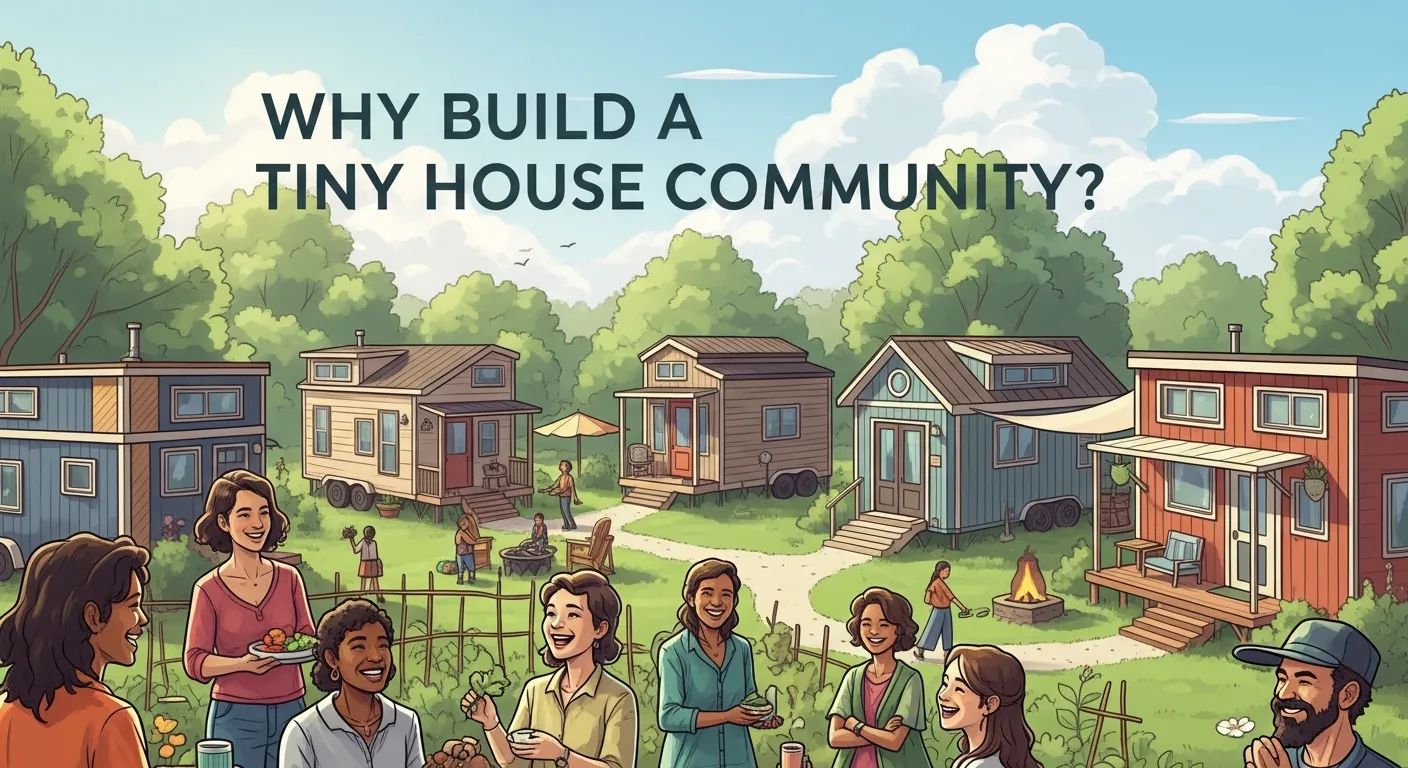
Before jumping into the “how,” it’s important to understand the “why.” Tiny house communities offer more than just a collection of small dwellings. They represent a shift toward sustainability, intentional living, and community-focused spaces. Here are a few key benefits of building such a community:
- Affordability: Tiny homes typically cost a fraction of traditional houses, making homeownership more accessible.
- Sustainability: Smaller homes use fewer resources, and community-wide initiatives (like shared solar energy or gardens) further reduce environmental impact.
- Community Living: Unlike sprawling neighborhoods, tiny house communities foster close social connections by design.
It’s no wonder that tiny house communities are attracting interest from retirees, singles, young couples, and even families. Now, onto how you can turn this vision into a reality.
Understanding the Tradition in Building Community
Before modern tiny house communities became popular, traditional methods of building communities emphasized shared values, mutual support, and participation in communal life. Incorporating this tradition into a Tiny House Community ensures that residents feel connected not only physically but socially and culturally. These traditions can include shared meals, community decision-making, celebrations, or collaborative maintenance. By acknowledging the past, your tiny house project benefits from proven strategies for creating cohesion and long-term stability.
Step 1: Define Your Vision and Goals
Every successful community starts with a clear purpose. Ask yourself these questions to define your vision:
- What is your mission? Are you focusing on sustainable living, affordable housing, or creating an intentional social community?
- Who is your target audience? Will your community cater to families, retirees, digital nomads, or a diverse mix?
- What amenities will your community offer? Consider essentials like parking, shared spaces, gardens, or community centers.
Write down your goals and revisit them often as you move through the planning process. Clear goals not only guide your decisions but also help attract like-minded residents.
Step 2: Secure Land
Finding the right location for your community is one of the most critical steps. Keep these factors in mind when looking for land:
- Zoning Laws and Regulations: Research local zoning laws to ensure that tiny homes are allowed. Some cities have specific rules about minimum house sizes and mobile homes.
- Cost: Determine your budget for purchasing land and any associated costs, such as utility hookups or permits.
- Accessibility: Choose a location that’s convenient for residents, whether it’s close to public transportation, amenities, or job opportunities.
- Size: Make sure the plot is large enough to accommodate the number of homes you plan to include, while leaving room for shared spaces.
- Environmental Considerations: Look for land that supports sustainable living, such as good soil for a community garden or access to renewable energy sources like wind and solar.
To save costs, consider partnering with local governments or nonprofit organizations that support affordable housing projects.
Step 3: Plan the Infrastructure

Once you’ve secured land, it’s time to plan the logistics for your tiny house community. Proper infrastructure ensures that the community is both functional and comfortable for residents. Focus on these areas:
Utilities and Services
- Water and Plumbing: Decide whether homes will have individual plumbing systems or share communal facilities. Installing a septic tank or connecting to city plumbing is an important early step.
- Electricity: Explore renewable energy options like solar panels or wind turbines to power the community, or connect to the local power grid if feasible.
- Waste Management: Develop systems for trash disposal, recycling, and composting to minimize waste and maintain cleanliness.
Roads and Pathways
Create accessible roads, walking paths, and parking areas within the community. Depending on your location, you might need to account for weather conditions that could affect roadways.
Shared Amenities
Determine what communal spaces will enhance your community. Some popular options include:
- A community garden
- A central gathering area or clubhouse
- Shared laundry facilities
- A playground or outdoor recreation facilities
Security
Install fencing or natural barriers around the property and consider secure entry points for residents. Security cameras or a neighborhood watch can further ensure the safety of your community.
Core Infrastructure Considerations
- Water, plumbing, and sanitation systems that balance convenience with sustainability
- Energy solutions, including renewable sources like solar or wind, to maintain eco-friendly living
- Waste management protocols to encourage recycling, composting, and minimal environmental impact
- Walkways, roads, and accessibility features that ensure safety and ease of movement
- Shared amenities, such as gardens, community centers, or playgrounds, to strengthen social bonds
Prioritizing these core infrastructure elements lays a solid foundation for a thriving Tiny House Community where both comfort and sustainability coexist.
Step 4: Establish Design Guidelines
While the charm of tiny house communities often lies in their variety, some basic guidelines ensure cohesion and maintain property values. Common design considerations include:
- Maximum House Size: Set a limit on square footage to ensure homes fit within the tiny housing ethos.
- Aesthetic Harmony: Encourage complementary styles or materials while allowing room for individual creativity.
- Placement: Standardize the spacing, layout, and orientation of homes to create a pleasing and functional flow.
Step 5: Build a Thriving Culture
A tiny house community thrives on shared values and relationships. Here are some tips to create a sense of belonging among residents:
- Organize regular community events, like barbecues, potlucks, or yoga classes.
- Encourage collaborative projects, such as maintaining the garden or building shared structures.
- Create a forum or communication channel where residents can share news and ideas.
Having a clear community charter that outlines expectations, rules, and conflict resolution processes can help maintain harmony.
Nurturing Social Bonds
The strength of a Tiny House Community depends on the relationships between its residents. Organizing regular events, collaborative projects, and open forums can help foster a sense of belonging. Encouraging members to share knowledge, participate in community decisions, and celebrate milestones together strengthens cohesion. Maintaining clear expectations and a community charter further ensures that social bonds are resilient even in challenging times.
Step 6: Market Your Community
Finally, you’ll need to attract residents who share your vision. Use these strategies to spread the word about your tiny house community:
- Social Media: Share your progress and invite followers to join the community. Platforms like Instagram and Facebook are great for posting photos and updates.
- Host Open Houses: Once the first few homes are built, invite potential residents to tour the community and see what it’s like to live there.
- Collaborate with Influencers: Partner with tiny house bloggers or YouTubers to showcase your community to a wider audience.
- Build a Website: A dedicated website with professional photos, floor plans, and an FAQ section is essential to attracting interest.
Highlight the benefits of joining your community, from sustainable living to the strong social connections residents can expect.
Long-Term Vision for a Sustainable Tiny House Community
Successful Tiny House Community projects balance growth with long-term sustainability. Beyond marketing and attracting residents, consider how the community will evolve over years, including upgrades to infrastructure, integration of new sustainable technologies, and cultural activities that keep residents engaged. A vision grounded in both tradition in building community and innovation ensures your tiny house project remains a model for others.
Tiny Living, Big Dreams
Building a tiny house community is not just about creating affordable housing, but fostering a lifestyle that puts sustainability, simplicity and relationships first. With proper planning, vision and a commitment to your goals you can create a space which serves well both the needs of residents and also is an inspiration for others that “home” can mean different things entirely.
If you’re still exploring the field or need a guide to turn your dream into reality, contact tiny house experts or local professionals who can take you step by step through the process. You could be the beginning of something big for small residents Your tiny house community.
Tiny House Communities as Models for Future Living
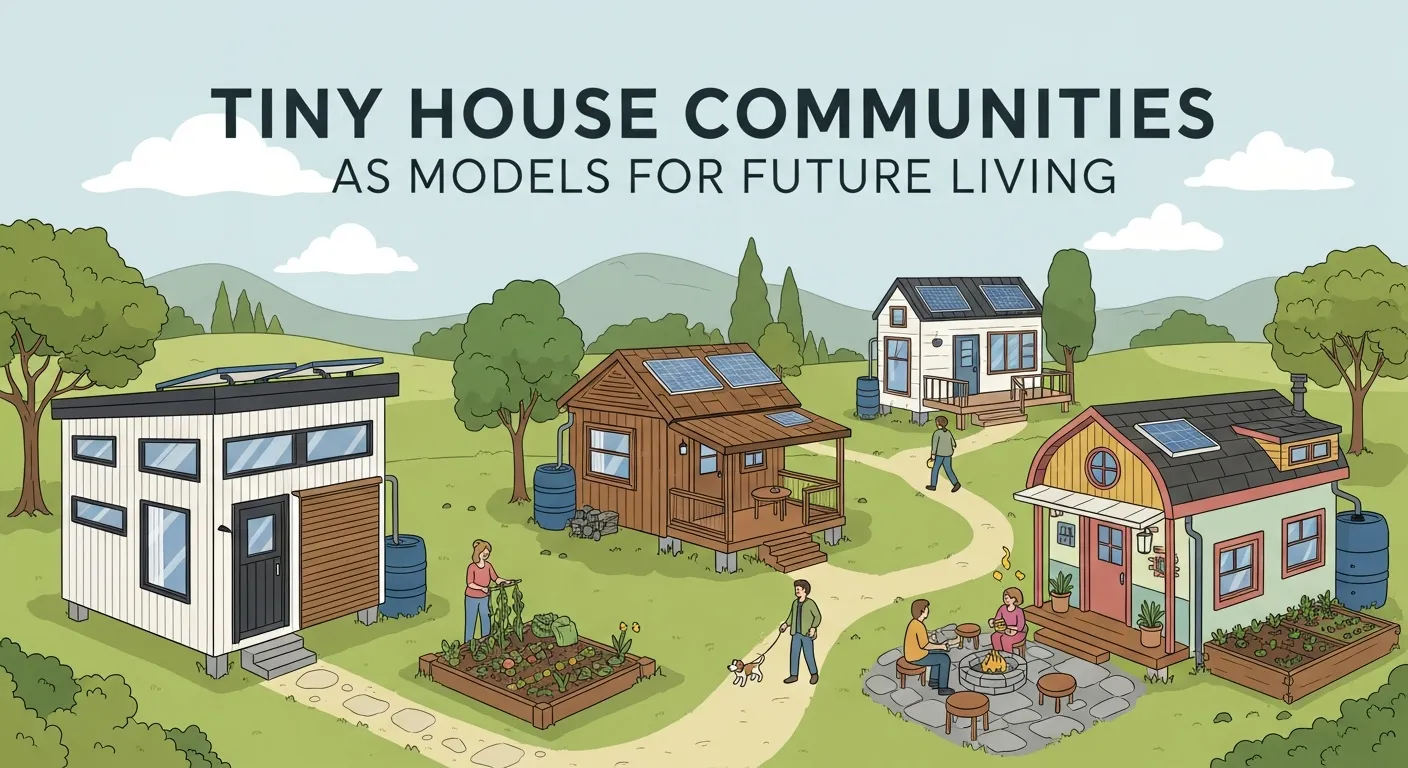
Tiny house communities demonstrate that small-scale living can be highly impactful when designed thoughtfully. They combine affordability, environmental responsibility, and social connectivity. By respecting traditions in building community while embracing modern solutions, these communities can serve as a blueprint for future housing initiatives that are both sustainable and socially enriching.
Conclusion
Building a Tiny House Community requires foresight, strategy, and dedication, but the rewards are significant. Beyond providing affordable and eco-friendly housing, these communities cultivate meaningful relationships, promote sustainable living, and create a sense of belonging among residents. With clear goals, well-planned infrastructure, and a strong cultural foundation, a tiny house community can thrive for years, inspiring others to embrace intentional, small-scale living. Long-term success comes from balancing sustainability, affordability, and social cohesion.
FAQs About Tiny House Community
1. What is a Tiny House Community?
A Tiny House Community is a planned neighborhood of small, sustainable homes designed for affordability and intentional living. It fosters close social connections through shared spaces, communal activities, and eco-friendly practices, creating a supportive, connected, and purpose-driven lifestyle.
2. Why should I build a Tiny House Community?
Tiny house communities promote cost-effective housing, environmentally friendly living, and opportunities for social interaction, making them ideal for people seeking intentional, community-focused lifestyles.
3. Who typically lives in a Tiny House Community?
Residents include retirees, singles, young couples, digital nomads, and families—anyone drawn to simplicity, sustainability, and community-oriented living.
4. How do I choose land for a Tiny House Community?
Consider zoning regulations, cost, accessibility, plot size, and environmental factors like soil quality, solar potential, or space for gardens and shared amenities.
5. What infrastructure is needed in a Tiny House Community?
Key elements include water and plumbing, electricity (ideally renewable energy), waste management, roads and pathways, security, and shared amenities like gardens or community spaces.
6. How do I establish design guidelines for a Tiny House Community?
Set limits on house size, encourage complementary aesthetics, and standardize home placement and orientation to maintain harmony while allowing creativity.
7. How can I foster a strong culture in a Tiny House Community?
Organize regular events, collaborative projects, and communication forums. Implement a community charter outlining rules, responsibilities, and conflict resolution practices.
8. How do I attract residents to a Tiny House Community?
9. Can sustainability be integrated into a Tiny House Community?
Yes. Sustainability can be fully integrated into a Tiny House Community by using energy-efficient appliances, solar or wind power, water-saving systems, community gardens, composting, and recycling programs, creating an environmentally friendly, resource-conscious, and self-sustaining neighborhood.
10. How do I maintain long-term engagement in a Tiny House Community?
Continuously update infrastructure, introduce new sustainable technologies, organize events, and encourage resident participation in decision-making and community projects.
11. How does a Tiny House Community differ from traditional neighborhoods?
Unlike conventional developments, tiny house communities focus on intentional living, smaller ecological footprints, affordability, and social cohesion rather than just housing density.
12. What is the biggest challenge when building a Tiny House Community?
Balancing regulations, infrastructure costs, sustainability goals, and fostering strong social bonds among residents is the main challenge. Proper planning and community-building strategies are key to overcoming it.