
To Build a Facebook Community effectively, you need more than just a page or group—you need strategy, consistency, and genuine engagement. Define your audience and purpose, choose between a Facebook Page or Group based on your goals, and consistently share valuable content such as educational posts, polls, behind-the-scenes updates, and live videos. Encourage interaction, recognize active members, and empower participants to take ownership. Using analytics and collaborating with other creators further strengthens your community. When done right, your Facebook community becomes a space where members feel valued, inspired, and connected.
Facebook remains a significant platform as it hosts over 2.9 billion active users worldwide. You are a small business, a grassroots organization leader, comic enthusiast–no matter who you are, building a following on Facebook can help get the word out in your voice, bring together kindred souls, and cultivate closer relationships between your audience and art.
But simply launching a Facebook group or page is not enough; to be successful, you also need a static plan of action, tireless dedication, and the ability to create genuine relationships with others on the site. Below are practical movements anyone can make to start or sustain the growth of their Facebook community.
Why Building a Facebook Community Matters
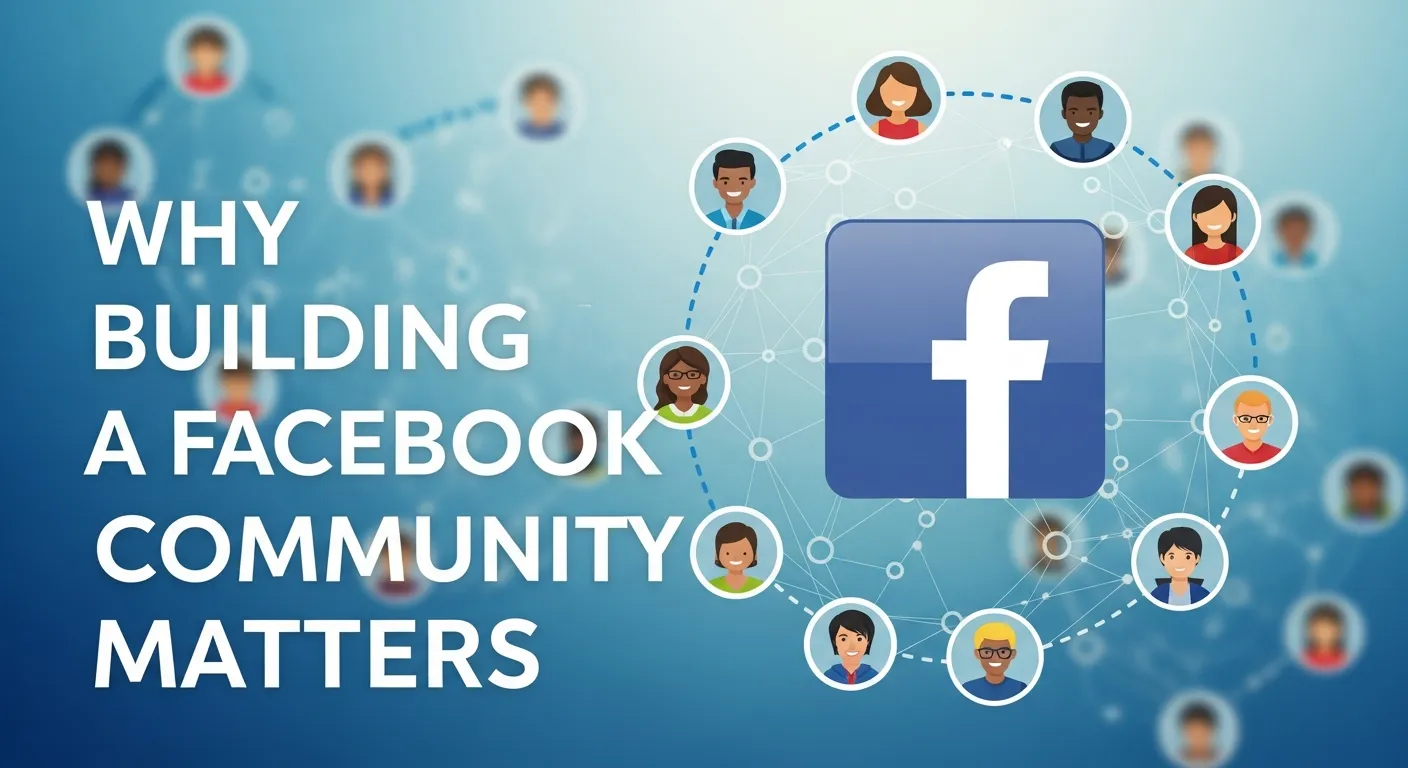
Before we jump into the steps, it’s important to understand why building a Facebook community is worth your time.
- Stronger Engagement: Facebook optimizations meaningful interactions in news feeds. This means that posts friends like or comment on active communities will be more likely to show up in news feeds as well.
- Direct Connection: Engaging in a conversation currency. Create consistent speaking opportunities with your clients, and soon enough, they start to trust your genuine interest in what is on their mind; it will take time, but at last, there arises an appreciative audience that eagerly shares its interest with others.
- Valuable Insights: Having a conversation with your community allows you to understand their demands, choices, and pain points.
- Cost-Effective Marketing: Unlike traditional advertisements, organic community engagement is free. Additionally, active members are often eager to promote your group or pages themselves, providing you with free exposure.
Now, here’s how to turn a simple idea into a thriving community on Facebook.
Define Your Purpose and Audience
Before creating your Facebook community, ask yourself these key questions:
- Who is this community for?
- What value will this group or page provide?
- What goals am I trying to achieve?
Psychology Behind a Successful Facebook Community
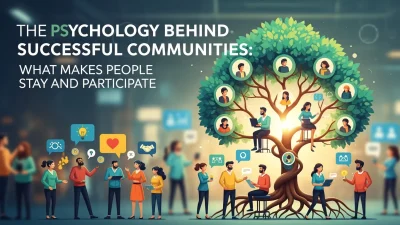
Understanding the psychology behind successful online communities can help you build a Facebook group or page that truly resonates with your members. People join communities for connection, validation, and a sense of belonging. When your content and engagement strategies align with these psychological drivers, members are more likely to participate actively and become loyal advocates. Recognizing human behavior patterns—such as responding to social proof, enjoying recognition, or contributing to group discussions—can dramatically improve the effectiveness of your community-building efforts.
Choose Between a Page or a Group
Facebook offers two main options for building a community: Pages and Groups. Each has its own strengths, so the best choice depends on your strategy.
Facebook Pages
- Good for: Brands, businesses, and public figures.
- Features: Public visibility, advertising tools, and analytics like reach and engagement.
- Best for reaching: Broad audiences.
Facebook Groups
- Good for: Fostering direct interaction and conversations.
- Features: Membership settings (public, private, or hidden), discussion threads, and member notifications.
- Best for fostering: Intimacy and community-driven activity.
Not sure which to pick? If you’re looking to focus on close-knit discussions, go for a group. If visibility and scale are your priorities, a page might be the better option.
Create a Space That Stands Out

For Groups:
Focus on creating a strong, engaging description in the “About” section. Outline the purpose of the group, membership guidelines, and what makes this community unique. Use a welcome post to share your group’s goals and encourage new members to introduce themselves.
For Pages:
Choose a memorable profile picture (e.g., your logo) and an engaging cover banner. Craft an “About” section that tells your audience who you are and what makes your page worth following.
Consistently Share Valuable Content
The lifeblood of any Facebook community is content. Here’s what works best:
- Educational Posts: Tutorials, guides, or how-to tips that solve your community’s pain points.
- Behind-the-Scenes Updates: Give members a peek into your work or personal life.
- Questions: Encourage conversations by posing thought-provoking questions (e.g., “What’s the best marketing tactic you’ve used this year?”).
- Polls and Surveys: Easy-to-interact-with posts that gauge opinions or preferences.
- Live Videos: These get more organic traction and help you connect in real time.
Types of Content That Drive Engagement
- Educational content that solves real problems or answers questions
- Behind-the-scenes updates that humanize your brand
- Interactive polls and surveys to encourage participation
- Live videos for real-time connection and authenticity
Focusing on these types of content can help your Facebook community thrive, keeping members engaged and coming back for more.
Consistency is Key
Stick to a regular posting schedule. Your audience should know when to look forward to new updates. Use tools like Facebook Creator Studio to plan and schedule posts in advance.
Foster Genuine Engagement
Having members isn’t enough; you need to nurture relationships to build an engaged community. Here’s how:
Proactively Encourage Participation:
- Respond promptly to comments.
- Tag members to ask for their input (e.g., “@Jessica could really offer insights on this topic!”).
- Start challenges (like “Share your creative hacks for the week”) and acknowledge participants.
Create a Safe and Active Space:
For Groups, establish clear rules to ensure discussions remain respectful and productive. Appoint moderators to help enforce these guidelines as your community grows.
Show Appreciation:
Highlight active members through “Member Spotlights” or shoutouts. Acknowledgment makes members feel valued while encouraging others to engage more.
Encouraging Member Ownership
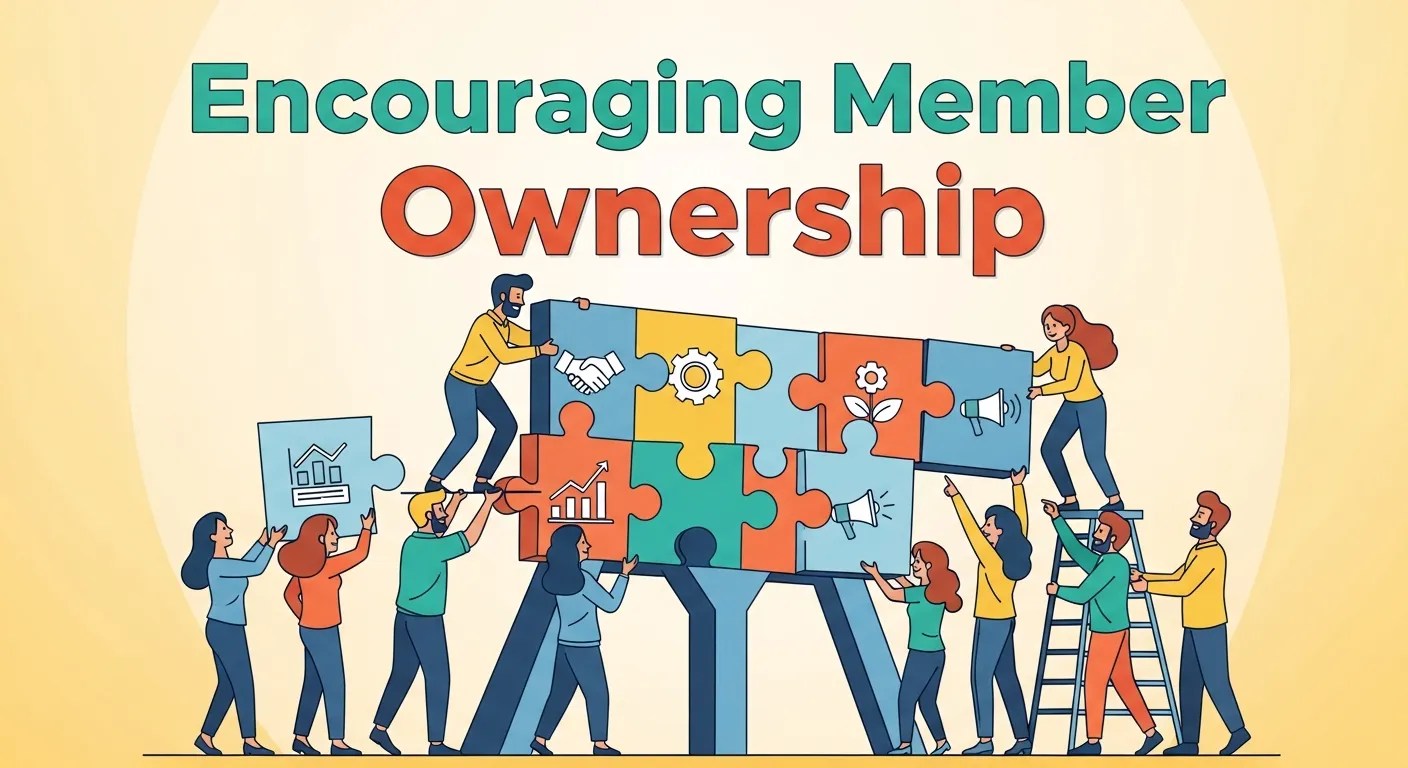
Empower your community members to take ownership of the space. When members feel they can contribute ideas, lead discussions, or host mini-events, they become invested in the community’s success. Encouraging ownership not only boosts engagement but also spreads the responsibility of maintaining a positive and active environment, making your Facebook community more sustainable in the long run.
Use Analytics to Fine-Tune Your Efforts
Facebook provides invaluable tools to track your community’s performance:
- Group Insights for Groups gives you data on member activity, engagement types, and growth trends.
- Page Insights for Pages tracks post reach, clicks, and demographic data about your audience.
Pay attention to which types of content perform the best. Optimize your strategy to focus on posts that consistently deliver high engagement.
Key Metrics Table for Community Insights
| Metric | Purpose | Why It Matters |
|---|---|---|
| Engagement Rate | Measures likes, comments, and shares | Shows how active your members are |
| Growth Rate | Tracks new member additions | Indicates expansion and reach |
| Post Reach | Number of people seeing posts | Helps optimize visibility |
| Interaction Type | Types of engagement (comments vs. reactions) | Understands member behavior patterns |
| Member Retention | How long members stay active | Reflects loyalty and satisfaction |
This table helps track the performance of your Build a Facebook Community efforts and guides strategy adjustments.
Collaborate and Network
Cross-promoting with other brands, pages, or groups related to your niche can significantly broaden your reach. Consider collaborations such as:
- Guest posts or webinars
- Joint giveaways
- Sharing each other’s content
Additionally, don’t hesitate to foster strategic partnerships. By teaming up with other creators or organizations, you can offer even more value to your community members.
Cross-Platform Learning from Community on Twitter
While focusing on Facebook, it can be useful to observe strategies from a thriving community on Twitter. Successful Twitter communities often excel in real-time interaction, rapid content sharing, and conversational engagement. Adapting these tactics to Facebook, like hosting timely discussions, encouraging user-generated content, or spotlighting active members, can enhance your group’s vibrancy and participation.
Elevate Your Facebook Community Today
The rewards are well worth the effort, though building a Facebook community takes time and dedication. There is an art to it.
If you follow these steps, you can provide a space where members feel valued, inspired, and spurred into action. This is not just a group or page – you are creating something that may help promote your brand, generate long-term relationships, and foster the shared passion to which others can subscribe.
Defining who your audience is and what the purpose of your group is at this point in time is crucial. With the right strategy, your Facebook community, combined with other online community platforms, could become an invaluable part of your business’s success!
Building Long-Term Value in Your Facebook Community
Building a Facebook community is more than just gaining followers—it’s about creating long-term value for both you and your members. When you focus on meaningful conversations, acknowledge contributions, and provide consistent value, your group becomes a hub where ideas, advice, and passion circulate freely. Over time, this fosters loyalty, advocacy, and a supportive environment that strengthens your brand and mission.
Conclusion
Building a Facebook community takes time, dedication, and a focus on relationships rather than numbers. By prioritizing meaningful interactions, sharing consistent value, and fostering a sense of belonging, your group or page transforms into a hub of engagement, loyalty, and advocacy. A well-maintained Facebook community supports your brand, amplifies your reach, and creates long-term opportunities for growth and collaboration. Sustainable success comes from connection first, visibility second.
FAQs About Build a Facebook Community
1. What does it mean to build a Facebook community?
Building a Facebook community means creating a space—either a group or a page—where people actively engage with your content, share ideas, ask questions, and connect around a shared interest, mission, or brand. It goes beyond followers: members feel involved, valued, and part of a collective conversation rather than passive observers.
2. Why is building a Facebook community important?
A strong Facebook community drives engagement, trust, and loyalty. Members provide feedback, share their experiences, and become advocates for your brand. It also allows you to understand audience needs, test ideas, and gain organic reach as members promote your content within their networks—all without extra advertising costs.
3. Should I use a Facebook Page or Group to build a community?
It depends on your goals:
-
Pages are public and ideal for broad visibility, brand awareness, and promotions. They come with analytics and advertising options.
-
Groups foster more intimate, interactive conversations and stronger member relationships. Privacy settings (public, private, or hidden) help control the community environment.
Some creators even use both: Pages to attract followers, Groups to nurture loyal engagement.
4. How do I define my audience when building a Facebook community?
Identify your target audience by asking: Who will benefit from this community? What problems can I solve or value can I provide? What interests or passions do they share? Knowing your audience ensures content resonates, encourages participation, and attracts members who stay long-term.
5. What type of content drives engagement in a Facebook community?
Content that educates, entertains, or connects works best:
- Educational posts and tutorials that solve member problems.
- Behind-the-scenes updates to humanize your brand.
- Interactive posts like polls, surveys, and discussion questions.
- Live videos to engage members in real time.
This mix keeps members coming back and encourages them to contribute their own experiences.
6. How often should I post to grow a Facebook community?
Consistency is key. Posting regularly—whether daily, a few times per week, or on a set schedule—helps members anticipate and engage with your content. Tools like Facebook Creator Studio allow scheduling posts in advance, so your community stays active even if you can’t post manually every day.
7. How can I encourage participation in my Facebook community?
Encourage engagement by making members feel heard and involved:
- Reply to comments thoughtfully and tag members for input.
- Launch challenges or themed discussions (e.g., “Share your top productivity hack this week”).
- Spotlight active members with shoutouts or “Member of the Week.”
- Ensure the space is safe and welcoming, with clear guidelines for respectful interaction.
8. What role does member ownership play in a Facebook community?
When members feel ownership—by leading discussions, sharing their content, or hosting mini-events—they become more invested. This not only increases participation but also distributes the responsibility of maintaining an active, positive environment, helping your community grow sustainably.
9. How can I measure the success of my Facebook community?
Focus on engagement and interaction, not just numbers:
- Engagement Rate: Likes, comments, and shares show how active members are.
- Growth Rate: New member additions indicate reach expansion.
- Post Reach & Interaction Type: Shows which content resonates and how members interact.
- Member Retention: Loyal members reflect satisfaction and a strong sense of belonging.
10. How can collaborations help in building a Facebook community?
Collaborating with other creators, pages, or groups exposes your community to new audiences and adds value:
- Guest posts or shared webinars
- Joint giveaways
- Sharing each other’s content for mutual benefit
Collaborations can boost engagement and attract relevant, high-quality members.
11. Can strategies from a Twitter community be applied to Facebook?
Yes. Successful Twitter communities often excel at real-time interaction and conversation-driven engagement. Adapting these strategies to Facebook—like hosting timely discussions, spotlighting active members, or encouraging user-generated content—can make your Facebook community more dynamic and participatory.
12. What is the biggest mistake when building a Facebook community?
The biggest mistake is prioritizing follower numbers over engagement and value. Simply growing a large audience without nurturing interaction, encouraging contributions, or delivering consistent value can result in a disengaged community. Focus on relationships, not just metrics, for long-term success.