
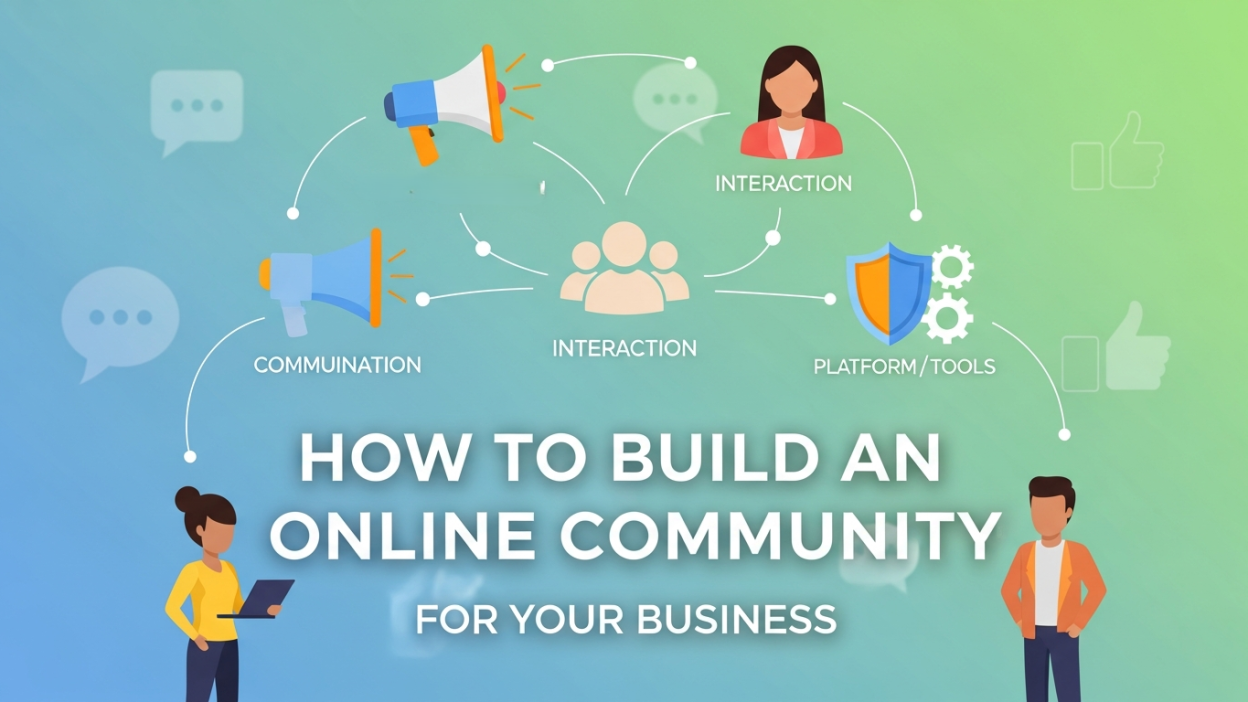
Building an online community for your business transforms customers into loyal brand advocates. This comprehensive guide explores how to create, nurture, and grow a thriving digital space where your audience connects over shared interests and values. From selecting the right platform to measuring success, you’ll discover proven strategies for establishing a community that drives long-term growth and deepens customer relationships.
Business isn’t just about selling anymore. The most successful brands recognize that cultivating meaningful connections with their customers creates value far beyond a single transaction. An online community for your business serves as a digital gathering place where customers engage with your brand, share experiences, and build relationships with others who share their interests.
Companies that invest in building robust online communities see remarkable returns. Members spend more, stay longer, and become vocal advocates who amplify your brand message organically. These communities generate valuable insights into customer needs, preferences, and pain points—information that would cost thousands in traditional market research.
The shift toward community-based business models reflects a fundamental change in consumer expectations. People crave authentic connections and want to support brands that align with their values. When you build an online community for your business, you’re creating a space where these connections flourish naturally.
Define Your Community’s Core Purpose
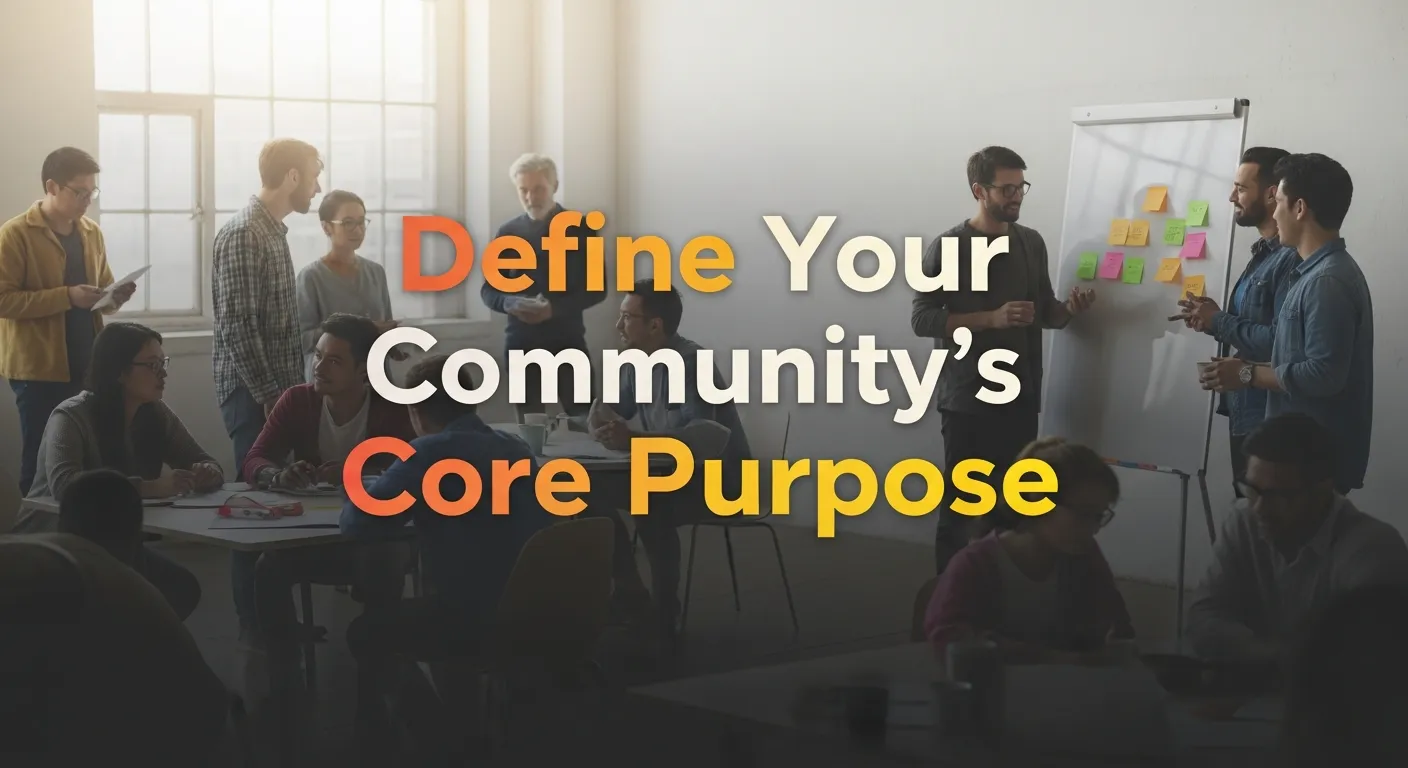
Before launching any platform, clarify exactly who you’re bringing together and why. Your community needs a clear identity that resonates with the right people.
Start by identifying your ideal members. Who are they? What challenges do they face? What goals are they pursuing? The more specific you can be, the stronger your community foundation becomes. A fitness brand might target busy professionals looking for efficient workouts, while a software company could focus on power users seeking advanced tips and tricks.
Next, pinpoint the shared values that will unite your members. These might include:
- Professional growth and skill development
- Sustainable living and environmental consciousness
- Creative expression and artistic collaboration
- Financial independence and wealth building
- Health optimization and wellness practices
Your community’s purpose statement should articulate both who it serves and what value it provides. “A space for freelance designers to share client management strategies and portfolio feedback” works better than a vague “community for creatives.”
Document the specific problems your community solves. Maybe members struggle to find trustworthy product recommendations, lack peer support during career transitions, or simply want to connect with others who share niche interests. Addressing these pain points directly makes your community indispensable.
Choose the Right Platform for Your Audience
The platform you select dramatically impacts participation rates and member satisfaction. Each option comes with distinct advantages and limitations.
Hosted Forums and Community Platforms
Dedicated community platforms like Circle, Mighty Networks, or Discourse give you complete control over the member experience. You own the data, customize the interface, and integrate with your existing business tools. These platforms work exceptionally well for communities built around courses, memberships, or premium content.
The downside? Members must visit a separate destination rather than engaging within their existing social media habits. This creates friction but also builds exclusivity—members who make the effort tend to be more committed. Find Out More Measuring Community Success
Social Media Groups
Facebook Groups, LinkedIn Groups, and similar social platforms offer zero barrier to entry. Most potential members already have accounts, making it frictionless to join. The built-in notification systems and mobile apps encourage regular engagement.
However, you’re building on rented land. Platform algorithm changes can devastate reach overnight. You have limited customization options and virtually no data ownership. Content discovery depends on unpredictable feeds rather than organized forums.
Community Apps
Platforms like Slack, Discord, and Geneva provide real-time chat environments perfect for active, engaged communities. The conversational format encourages spontaneous interaction and quick responses.
These work best for communities where members genuinely want daily engagement. The constant stream of messages can overwhelm casual participants, so they suit highly motivated audiences better than broad customer bases.
Hybrid Approaches
Many successful communities use multiple platforms strategically. You might host core content on a dedicated platform while maintaining a Facebook Group for casual conversation and a Discord server for live events. This meets members where they are while maintaining a central hub you control.
Develop a Content and Engagement Strategy
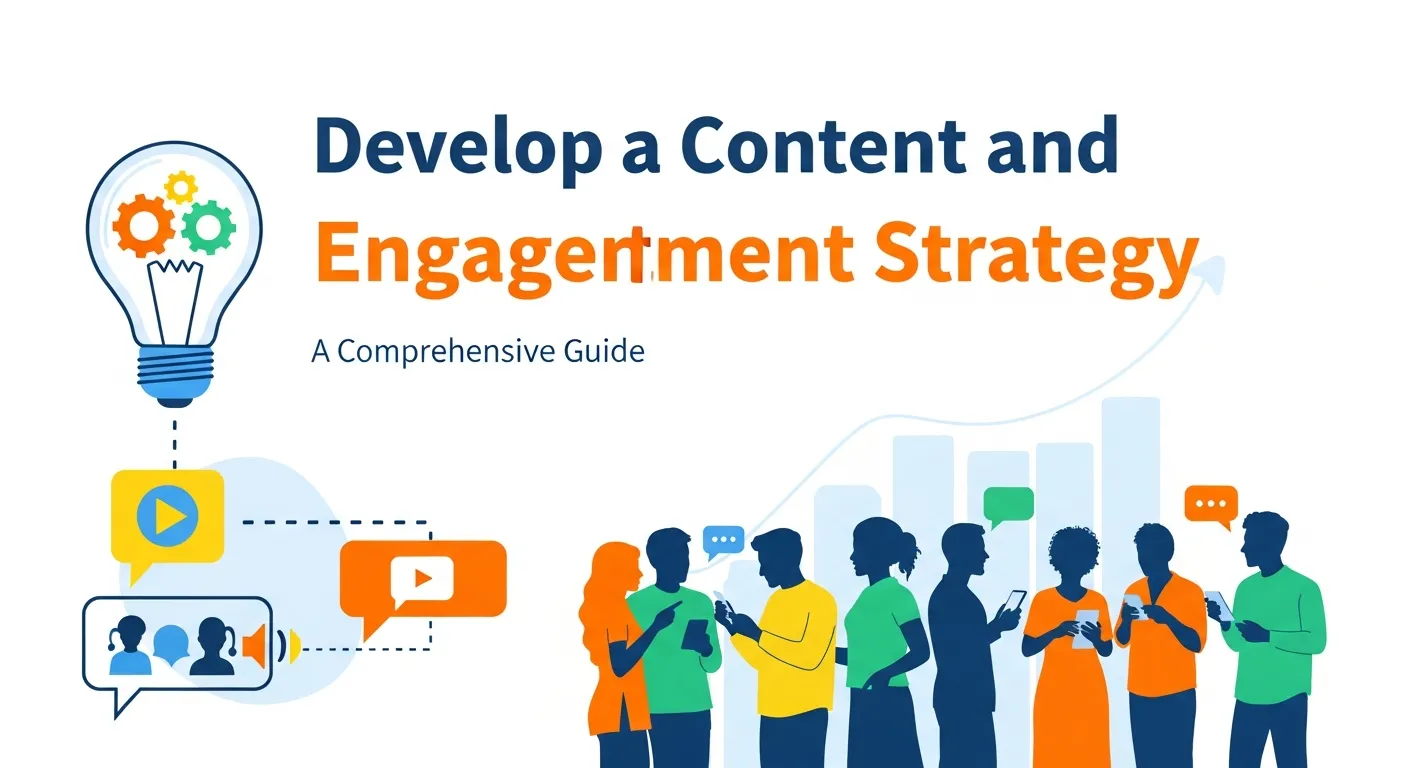
Even the best platform sits empty without compelling reasons to participate. Your content strategy determines whether members visit once or become daily contributors.
Create a content calendar that mixes different formats and purposes. Educational posts establish your expertise and provide immediate value. Discussion prompts encourage members to share experiences and advice. Behind-the-scenes content makes members feel like insiders. Member spotlights celebrate contributions and inspire others.
Exclusive content gives members concrete reasons to join and stay active. This might include:
- Early access to product launches or features
- Member-only discounts and promotions
- Expert Q&A sessions and workshops
- Industry reports and research findings
- Template libraries and resource collections
Ask questions that spark genuine conversations rather than requiring simple yes/no responses. “What’s your biggest challenge with email marketing?” generates more engagement than “Do you like email marketing?”
Encourage user-generated content by making it easy and rewarding. Create specific threads or channels for members to share their wins, ask questions, or showcase their work. Recognize valuable contributions publicly to motivate continued participation.
Host regular live events like AMAs (Ask Me Anything), workshops, or virtual meetups. Real-time interaction strengthens connections and gives members scheduled reasons to show up.
Establish Clear Community Guidelines
A thriving community needs boundaries. Well-crafted guidelines create psychological safety while preventing behaviors that drive valuable members away.
Your community guidelines should address:
- Respectful communication standards
- Prohibited content and behaviors
- Self-promotion policies
- Privacy and confidentiality expectations
- Consequences for violations
Make guidelines easily accessible and reference them when onboarding new members. Frame rules positively when possible—”We encourage constructive feedback” lands better than “Don’t be negative.”
Be explicit about what happens when members violate guidelines. A graduated approach typically works best: first violation earns a warning, repeated violations result in temporary suspension, and serious or persistent problems lead to permanent removal.
Create a simple process for reporting problematic behavior. Members should know exactly how to flag concerning content and feel confident that reports will be handled promptly and fairly.
Implement Effective Moderation Practices
Consistent, fair moderation keeps your community healthy as it grows. Without active oversight, toxic behaviors proliferate and drive away the very members you want to retain.
For smaller communities, founder-led moderation works well. You set the tone directly and members appreciate the personal touch. As you scale, recruit volunteer moderators from your most engaged members. They already understand the community culture and feel invested in maintaining quality.
Provide moderators with clear responsibilities and decision-making authority. Document common scenarios and preferred responses so moderation stays consistent across different team members.
AI-powered moderation tools can handle routine tasks like spam filtering and profanity detection. Tools like Akismet or built-in platform features catch obvious problems automatically, freeing human moderators to address nuanced situations requiring judgment.
However, never rely entirely on automated systems. AI struggles with context, sarcasm, and culturally-specific language. Human oversight remains essential for maintaining the nuanced tone that makes communities welcoming.
Check in with your moderation team regularly. Moderators face constant negativity and conflict, which leads to burnout. Rotate responsibilities, provide adequate breaks, and ensure moderators have support when dealing with particularly challenging situations.
Deploy Strategic Growth Tactics
Building an online community for your business requires deliberate growth strategies, especially in the early stages when momentum matters most.
Start with your existing customer base. Send personalized invitations to customers who’ve shown high engagement with your brand. They already trust you and are more likely to become active participants.
Offer compelling incentives for joining during the launch phase. Limited-time founding member perks, exclusive bonuses, or early-bird pricing create urgency while rewarding early adopters who help establish community culture.
Leverage your content marketing channels to promote community benefits. Blog posts, podcasts, videos, and email newsletters should all mention relevant community discussions and highlight member success stories.
Create shareable moments that members want to broadcast. When someone gets value from the community—a question answered, a connection made, a resource discovered—make it easy for them to share that win externally. This organic word-of-mouth drives high-quality new members.
Implement referral loops that reward members for inviting others. This might be as simple as recognition and status or include tangible rewards like extended subscriptions or exclusive perks.
Partner with complementary brands or influencers to cross-promote communities. Guest expert sessions or collaborative content introduce your community to aligned audiences likely to appreciate what you’ve built.
Don’t obsess over rapid growth. A smaller, highly engaged community provides more value than a large, inactive one. Focus on creating remarkable experiences for early members—they’ll become your most effective recruiters.
Measure What Matters for Community Success
Vanity metrics like total member counts tell you little about community health. Track metrics that reveal genuine engagement and value creation.
Active Participation Rates
Monitor what percentage of members engage weekly or monthly. A community with 500 members and 300 weekly active participants outperforms one with 5,000 members and 200 weekly actives.
Content Contribution
Track how many members create content versus simply consuming it. The 90-9-1 rule suggests 90% of users lurk, 9% contribute occasionally, and 1% create most content. Healthier communities shift this ratio by encouraging broader participation.
Response Times
Measure how quickly questions get answered and discussions receive engagement. Faster responses indicate active, helpful communities where members feel supported.
Member Retention
Calculate how many members remain active after 30, 60, and 90 days. High retention signals that your community delivers ongoing value rather than just initial curiosity.
Sentiment Analysis
Pay attention to the tone of conversations. Are members supportive and encouraging? Do discussions stay constructive even during disagreements? Positive sentiment indicates culture bonding communities.
Business Impact Metrics
Connect community participation to business outcomes. Do community members have higher lifetime value? Better retention rates? Lower support costs? Increased purchase frequency? These connections demonstrate ROI to stakeholders.
Survey members periodically to gather qualitative feedback. Ask what value they receive, what improvements they’d suggest, and whether they’d recommend the community to others. Net Promoter Scores specifically for your community reveal member satisfaction levels.
Learn from Successful Community-Led Brands
Examining established communities reveals patterns worth replicating in your own space.
Glossier’s Community Foundation
Beauty brand Glossier built its entire business model around community input. Founder Emily Weiss launched with a beauty blog that attracted passionate commenters. She transformed those readers into product co-creators, asking for input on everything from formulations to packaging. The community felt ownership over products they helped develop, turning them into vocal advocates who drove explosive growth through authentic word-of-mouth.
Peloton’s Digital Tribe
Peloton cultivated a passionate community that extends far beyond its hardware. Members connect through hashtags, Facebook groups, and in-person meetups organized without official company involvement. The company supports these organic connections by featuring member milestones during classes and facilitating local studio rides. This community transformed expensive exercise equipment into a lifestyle brand with remarkably loyal customers.
Notion’s Power User Network
Productivity software Notion empowered expert users to become ambassadors and educators. These community leaders create templates, tutorials, and courses that help new users unlock the platform’s potential. Notion provides resources and recognition to these ambassadors while they dramatically reduce customer education costs. The community effectively handles tier-one support while generating endless content that attracts new users.
Sephora’s Beauty Insider Community
Sephora transformed its loyalty program into a thriving community where members share reviews, tutorials, and recommendations. The community generates authentic user content that influences purchase decisions more effectively than traditional marketing. Members earn badges and status for contributions, gamifying participation while providing Sephora with valuable product feedback and trend insights.
Each of these brands recognized that community isn’t just a marketing channel—it’s a fundamental business asset that creates competitive moats through network effects and authentic advocacy.
The Lasting Value of Community Investment
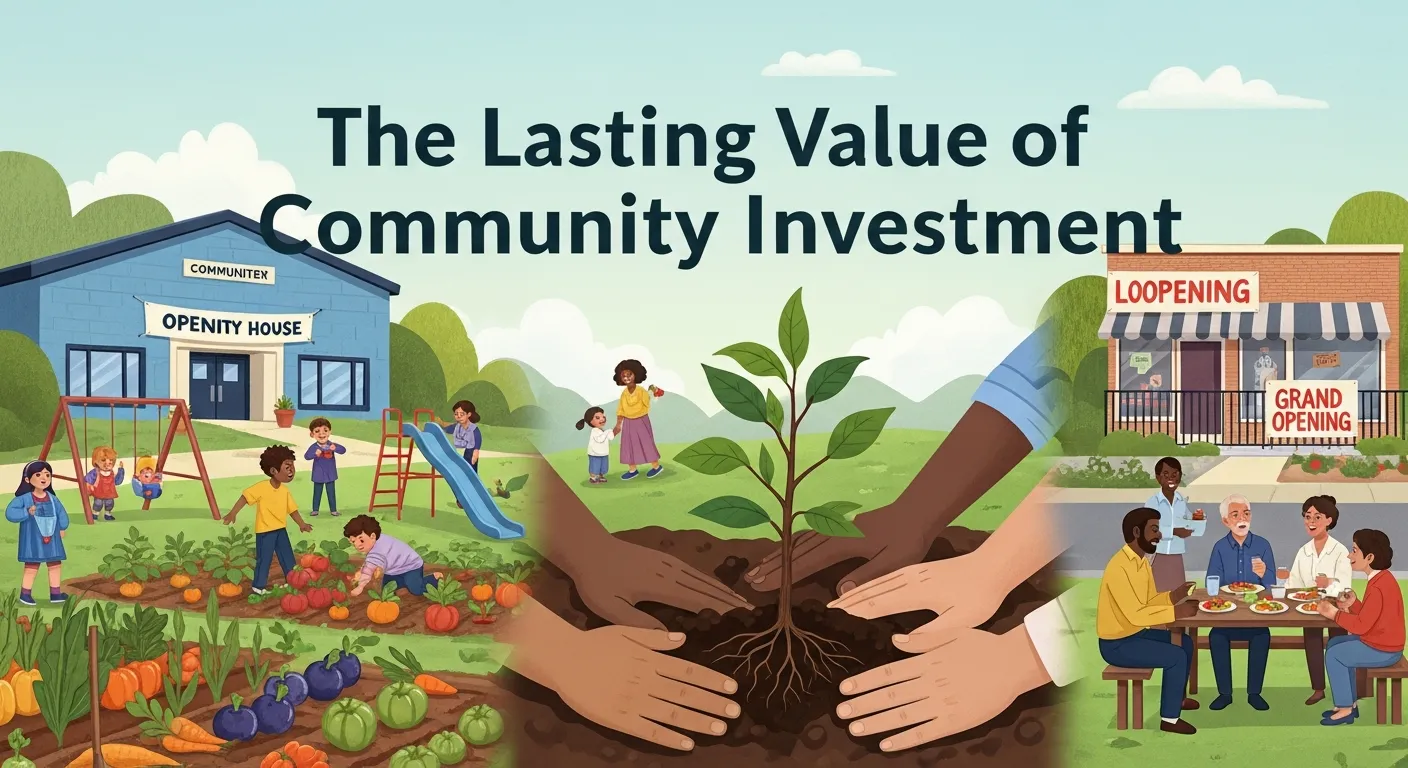
Building an online community for your business requires sustained effort and patience. The returns, however, compound dramatically over time in ways that paid advertising never replicates.
Communities generate organic growth through member referrals and user-generated content that attracts newcomers. They reduce customer acquisition costs while simultaneously increasing customer lifetime value. Members who feel connected to a community stick around longer and spend more than isolated customers.
The collective intelligence within your community provides continuous feedback for product development, content creation, and strategic decisions. You gain direct access to customer thinking without expensive research initiatives or focus groups.
Communities also create resilience against market disruptions. When algorithm changes tank your social media reach or economic downturns shrink advertising budgets, your community keeps conversations flowing and connections growing. You own that relationship in ways platform-dependent strategies never allow.
Most importantly, communities transform transactional relationships into meaningful connections. Members don’t just buy from you—they belong with you. That sense of belonging creates loyalty that transcends price comparisons and competitive offers.
Start small, stay consistent, and prioritize genuine value over growth metrics. Listen to what members need and adapt as the community evolves. The effort you invest now in building an online community for your business will pay dividends for years to come through strengthened brand loyalty, reduced marketing costs, and the collective wisdom of customers who genuinely care about your success.
Conclusion
Building an Online Community for Your Business is not just a marketing strategy—it’s a long-term growth investment. When you create a space where customers connect, share, and feel valued, your Online Community for Your Business becomes a powerful engine for loyalty, trust, and organic brand advocacy. Focus on clear purpose, consistent engagement, and real value, and your community will grow into a sustainable asset that strengthens both your brand and your customer relationships over time.
Frequently Asked Questions About Building an Online Community for Your Business
1. How long does it take to build an Online Community for Your Business?
An Online Community for Your Business usually takes 6–12 months to gain momentum. Growth is slow at first, but engagement increases once you reach around 100–200 active members.
2. What’s the ideal size for an Online Community for Your Business?
There’s no perfect size. A small, highly engaged Online Community for Your Business can be more valuable than a large but inactive one. Focus on quality engagement over numbers.
3. How much time should I invest?
In the early stage, spend 5–10 hours weekly building your Online Community for Your Business. As it grows, 3–5 hours may be enough for strategy and moderation.
4. Should my Online Community for Your Business be paid or free?
A paid Online Community for Your Business brings committed members but grows slower. A free one grows faster but needs stronger moderation. Many businesses start free and add paid tiers later.
5. How do I encourage participation?
Make it easy to engage in your Online Community for Your Business:
- Post simple questions and polls
- Create introduction threads
- Recognize new contributors
A safe and welcoming space boosts activity.
6. How do I handle negativity?
Address issues quickly in your Online Community for Your Business. Set clear rules, moderate consistently, and move conflicts to private discussions if needed.
7. How do I control self-promotion?
Set clear guidelines for your Online Community for Your Business. Allow promotion in specific threads and enforce rules fairly to maintain trust.
8. Can I create multiple communities?
Yes, but build one strong Online Community for Your Business first. Splitting too early can reduce engagement.
9. How do I keep it active long-term?
Keep your Online Community for Your Business engaged by:
- Posting consistently
- Hosting live events
- Celebrating milestones
- Listening to feedback
10. What shows my Online Community for Your Business is healthy?
Look for daily activity, strong responses, member-led discussions, positive conversations, and high retention. If members perform better as customers, your Online Community for Your Business is working.