
Circular Economy for Sustainable community development offers a practical pathway to reduce waste, strengthen local economies, and protect the environment. By promoting reuse, repair, and regeneration, communities can build resilient systems that support social inclusion, economic growth, and long-term sustainability while reducing dependence on limited natural resources.
Community development in the 21st century is increasingly intertwined with sustainability. As traditional linear economic models lead to resource depletion and environmental strain, forward-thinking communities are embracing the principles of the circular economy to foster resilience and long-term sustainability. By reimagining how resources are sourced, used, and recovered, circular economy strategies can transform waste streams into opportunities. This holistic approach not only benefits the environment but also fosters social cohesion, encourages local entrepreneurship, and creates new opportunities for economic development. In this blog post, we will explore the fundamentals of the circular economy, outline actionable strategies for community implementation, and highlight best practices from around the world that can serve as inspiration for planners, civic leaders, and engaged residents.
Understanding the Circular Economy in Community Development
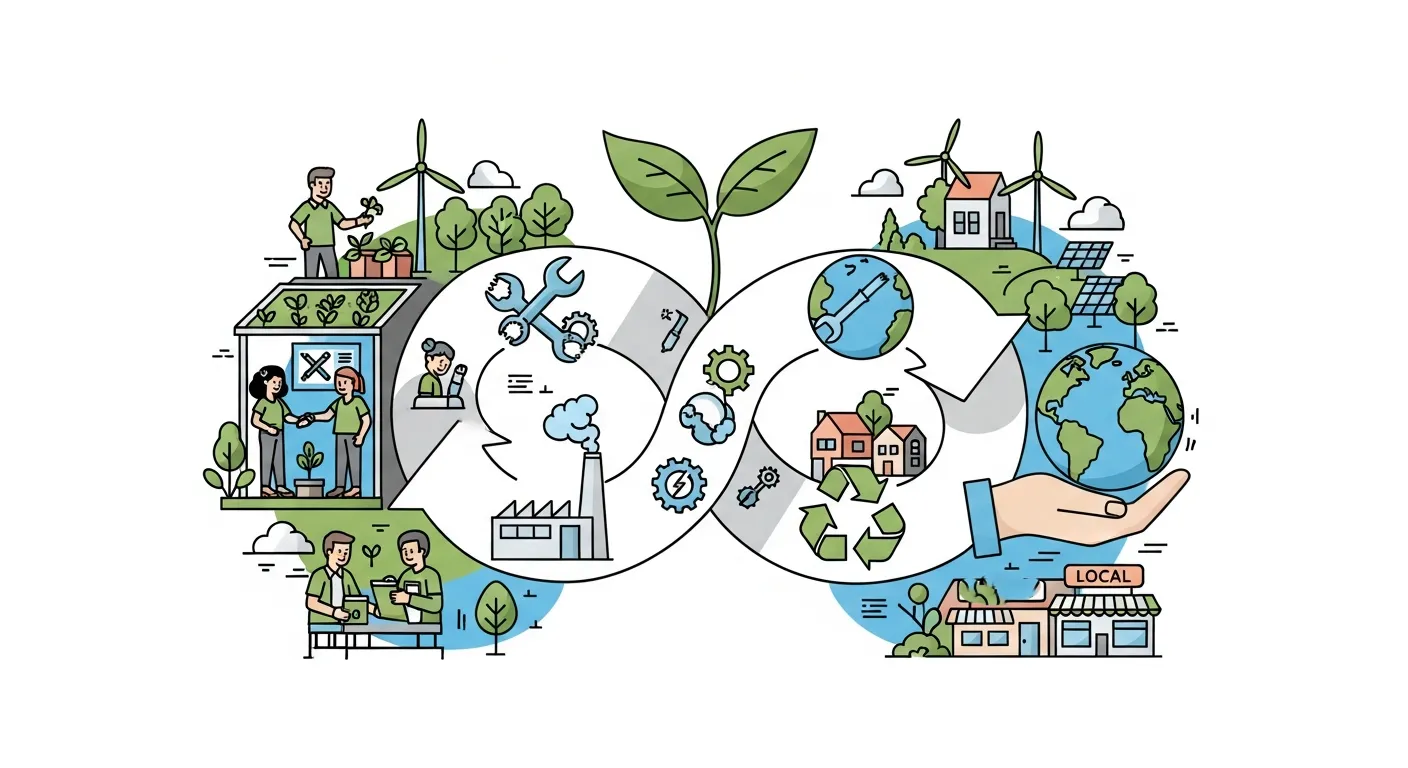
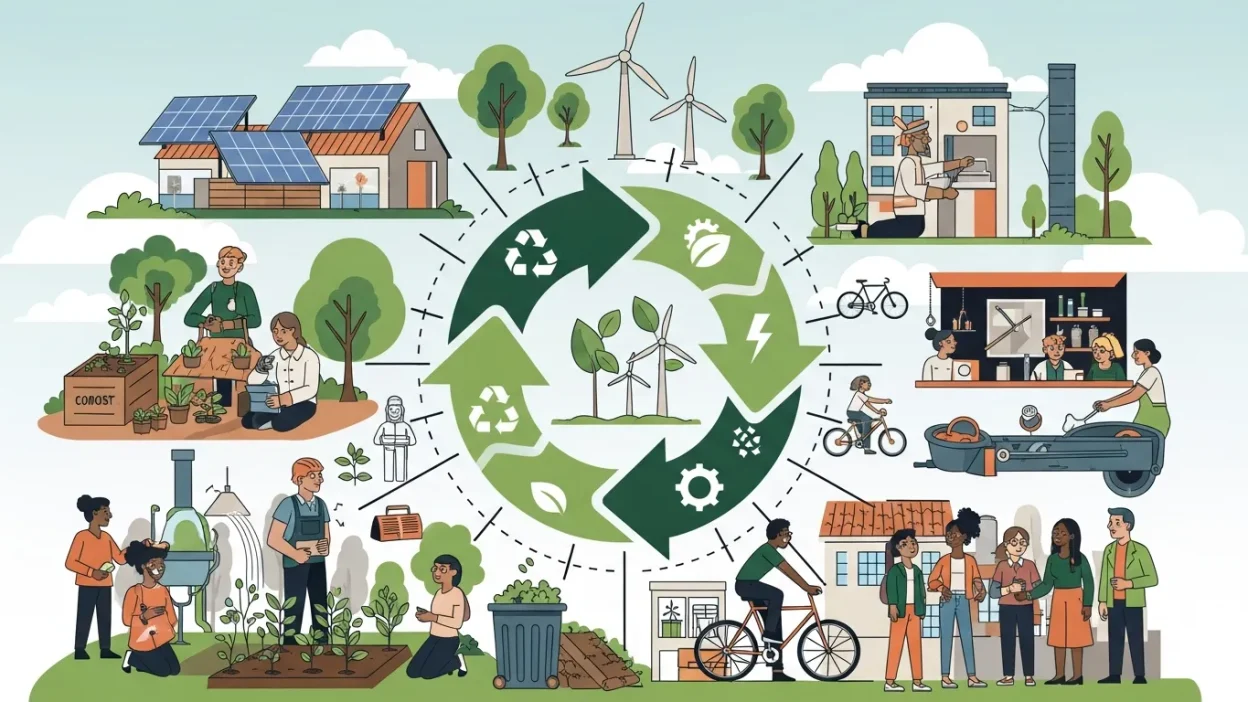
At its core, the circular economy is a regenerative system designed to minimize waste and make the most of existing resources. Unlike the take-make-dispose mindset of a linear economy, the circular model emphasizes closed-loop cycles in which materials are reused, remanufactured, or recycled back into the production stream. For communities, adopting circular economy principles means redesigning local supply chains, building infrastructure for material recovery, and fostering a culture of repair and reuse. This paradigm shift can help towns and cities reduce landfill pressure, lower carbon emissions, and generate new economic opportunities for residents and businesses alike.
Key Principles of the Circular Economy
The circular economy is built on three foundational principles: designing out waste and pollution, keeping products and materials in use, and regenerating natural systems. Designing out waste involves selecting materials and production methods that produce minimal byproducts. Keeping products in use extends their life through repair, refurbishment, and sharing platforms. Regenerating natural systems focuses on restoring ecosystem health by replenishing soil nutrients and preserving biodiversity. By incorporating these principles into community development plans, local governments can develop strategies that strike a balance between economic growth and environmental stewardship.
Strategies to Implement Circular Economy at the Community Level
Implementing circular economy practices requires a multi-pronged approach. First, conduct a resource flow analysis to identify high-volume waste streams and key local industries. Second, engage stakeholders—from municipal departments to small businesses and resident groups—to co-design solutions that fit the community’s unique context. Third, pilot targeted projects that showcase the benefits of closed-loop processes, such as community repair cafés or neighborhood composting hubs. Fourth, establish incentives, like tax breaks or grants, to encourage businesses to adopt circular design practices. Finally, build partnerships with research institutions, NGOs, and neighboring municipalities to share knowledge, pool resources, and scale successful models regionally.
Circular Economy for Sustainable Local Economies
Circular Economy for Sustainable local economies strengthens communities by keeping resources, skills, and value circulating locally. Instead of relying heavily on external supply chains, communities can build self-sufficient economic systems based on reuse, repair, and regeneration. This approach supports small businesses, creates green jobs, and improves long-term economic resilience. Local enterprises benefit from reduced material costs, while residents gain access to affordable, sustainable products and services.
Economic benefits include:
-
Growth of local repair and reuse businesses
-
Reduced dependency on imported materials
-
Job creation in recycling and upcycling sectors
-
Stronger resilience during economic disruptions
Mapping Community Assets and Waste Streams
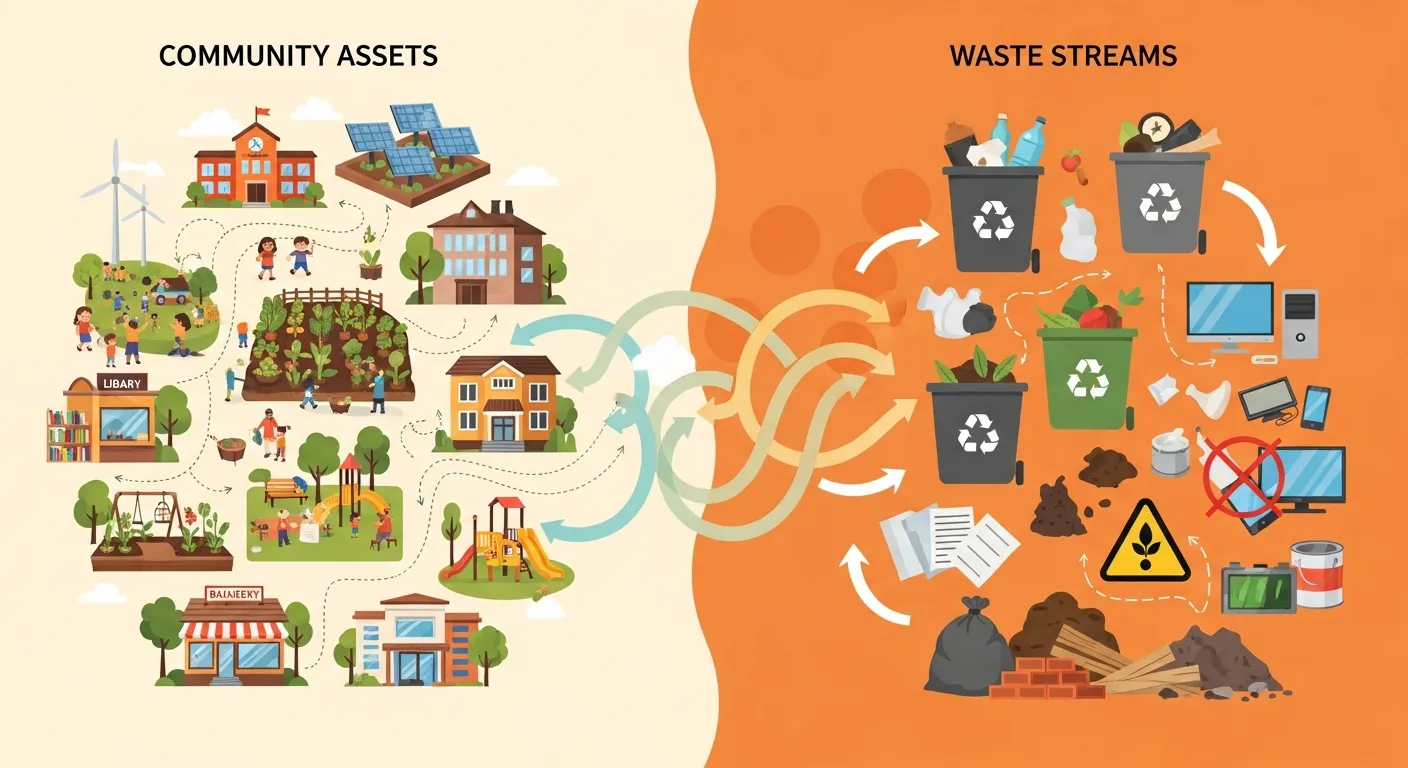
A critical first step in any circular economy initiative is creating an accurate map of community assets and waste streams. This involves cataloging local industries, material inputs, byproducts, and end-of-life flows. For example, a region with a thriving furniture manufacturing sector might see large volumes of sawdust and wood offcuts. By identifying potential end users—such as biomass energy plants or artisanal workshops—these byproducts can be diverted from landfills and repurposed in a productive manner. Mapping in this way uncovers “urban mines” of secondary resources and lays the groundwork for efficient material exchanges between businesses and civic programs.
Circular Economy for Sustainable Resource Management
Circular Economy for Sustainable resource management transforms waste into valuable inputs for new production cycles. Communities that manage resources efficiently reduce landfill use, lower emissions, and protect natural ecosystems. Organic waste can support local agriculture, while industrial byproducts can fuel new business opportunities. Over time, sustainable resource systems lower municipal costs and improve environmental quality.
Examples of circular resource use:
-
Food waste → compost → community gardens
-
Wood scraps → biomass or crafts → local markets
-
Textile waste → upcycled goods → small enterprises
Fostering Public-Private Partnerships
Public-private partnerships (PPPs) are essential for scaling circular economy solutions. Municipalities can offer incentives, such as low-interest loans or streamlined permitting processes, to businesses that integrate recycled materials into their manufacturing processes. In turn, private enterprises can invest in shared infrastructure—such as material recovery facilities or centralized repair centers—that benefit multiple stakeholders. By aligning community economics development goals with sustainability objectives, PPPs help redistribute risk and leverage expertise across sectors. This collaborative approach accelerates the adoption of circular practices, spreading costs and benefits equitably throughout the community.
Circular Economy for Sustainable Communities: Key Activities
Circular Economy for Sustainable development becomes practical through community-driven activities. These initiatives encourage participation while delivering measurable environmental and economic benefits.
| Circular Activity | Purpose | Community Benefit |
|---|---|---|
| Repair Cafés | Fix broken items | Waste reduction & skill sharing |
| Sharing Platforms | Share tools and vehicles | Lower consumption |
| Composting Centers | Process organic waste | Healthier soil |
| Upcycling Workshops | Create new products | Local entrepreneurship |
These activities help communities turn sustainability goals into real-world action.
Launching Pilot Projects to Demonstrate Impact
Pilot projects serve as visible proof points that circular economy strategies can be successfully implemented at scale. For instance, launching a community bike-share program built on refurbished parts reduces transportation emissions and creates local jobs in repair and maintenance. Similarly, establishing a neighborhood textile recycling cooperative can divert clothing waste while supporting small-business workshops that upcycle fabrics into new products. These pilots not only test technical feasibility but also engage residents directly, building momentum and public buy-in for broader community initiatives.
Engaging Residents Through Education and Outreach
Sustainable behavior change hinges on education and outreach. Hosting workshops on zero-waste living, distributing informational guides on home composting, or organizing material exchange events can empower residents to participate actively in circular initiatives. Schools, libraries, and community centers serve as ideal venues for hands-on demonstrations and interactive seminars. By cultivating a sense of shared responsibility, communities can turn individuals into ambassadors of circular practices, driving grassroots adoption that complements top-down policies.
Circular Economy for Sustainable Social Inclusion
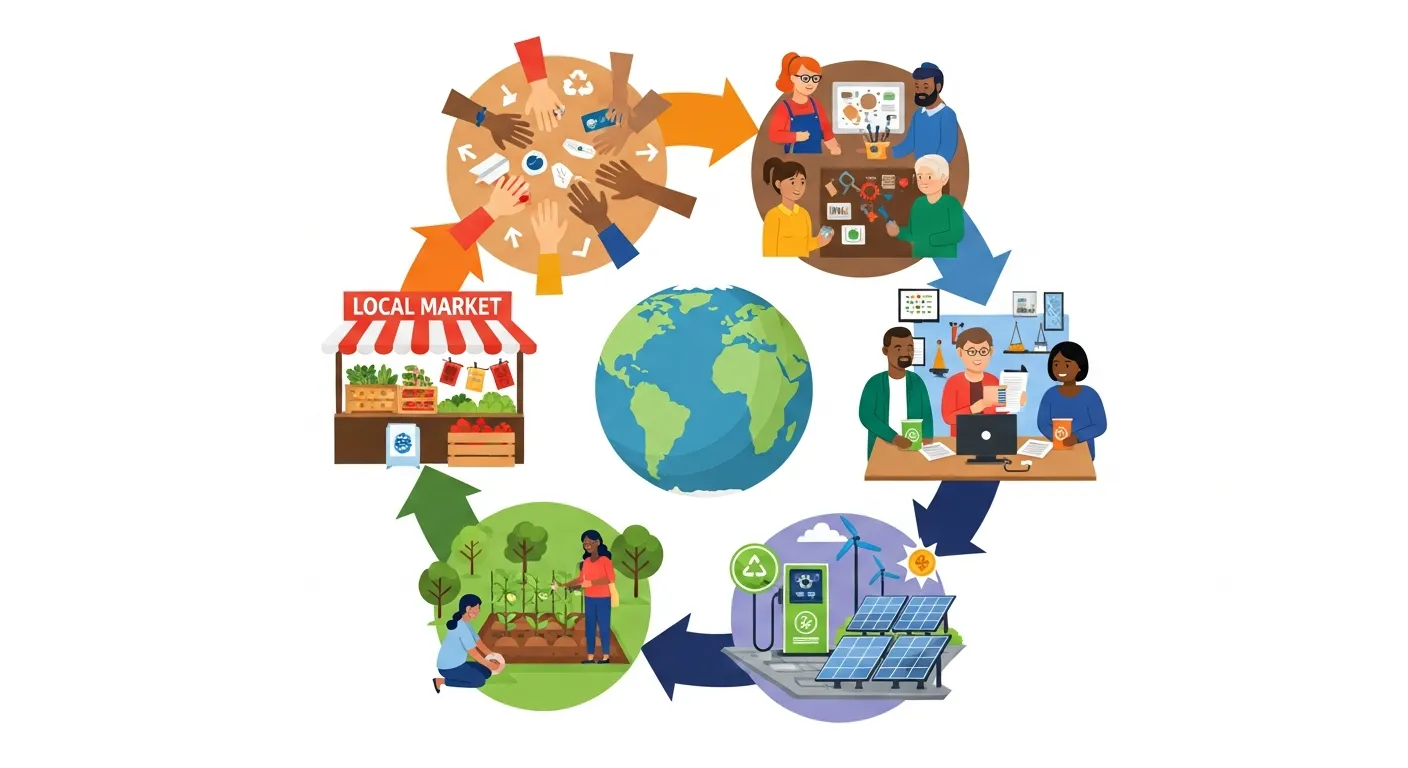
Circular Economy for Sustainable communities promotes fairness and inclusion by making essential goods and services more accessible. Repair programs, cooperative recycling, and sharing initiatives reduce household expenses while creating learning and employment opportunities. By involving youth, low-income groups, and local artisans, circular systems strengthen social bonds and encourage collective responsibility.
Social advantages include:
- Affordable access to reused goods
- Skill development and job pathways
- Stronger community relationships
- Inclusive participation in sustainability efforts
Measuring Impact and Iterating for Continuous Improvement
Rigorous monitoring and evaluation are crucial for refining circular economy interventions. Key performance indicators (KPIs) may include waste diversion rates, greenhouse gas emission reductions, the number of new jobs created in the circular sector, and citizen engagement metrics. Regular reporting fosters transparency and accountability, while data-driven insights enable the identification of bottlenecks and opportunities for scaling successful pilots. Iterative feedback loops—where lessons learned inform policy adjustments and program enhancements—ensure that community strategies evolve to maximize environmental, social, and economic benefits over time.
Circular Economy for Sustainable Policy and Governance
Strong governance ensures the long-term success of Circular Economy for Sustainable initiatives. Local authorities can embed circular principles into planning, procurement, and regulatory frameworks. Incentives and transparent reporting systems encourage participation while ensuring accountability. When communities align policy with sustainability goals, circular practices scale faster and deliver lasting impact.
Effective policy tools include:
- Circular procurement guidelines
- Business incentives for sustainable design
- Community awareness programs
- Data-driven monitoring systems
Case Study: A Small Town’s Zero-Waste Journey
Consider the example of Greenfield, a town of 25,000 residents that launched a circular economy roadmap five years ago. By converting its former landfill site into a materials recovery park, Greenfield diverted 70% of household waste from landfills within three years. Local startups now manufacture building materials made from recycled content, and a thriving repair café network fosters community ties across generations. Greenfield’s success demonstrates how targeted investments, robust stakeholder collaboration, and transparent impact reporting can transform a small community into a leader in the circular economy—and inspire neighboring regions to follow suit.

Conclusion: Building Resilient, Regenerative Communities
Embracing the circular economy offers a powerful pathway for communities to reconcile economic development with environmental responsibility. By mapping local assets, forging public-private partnerships, piloting innovative projects, and engaging residents through education and community-building activities, communities can close resource loops and build more resilient, regenerative systems. As the global push for sustainability intensifies, municipalities that adopt circular strategies today will lead the way in shaping tomorrow’s prosperous, inclusive, and eco-friendly economies.
Frequently Asked Questions (FAQs)
1. What is a circular economy in community development?
A circular economy in community development focuses on reducing waste and maximizing resource efficiency by reusing, repairing, and recycling materials locally. It aims to create sustainable systems that benefit the environment, economy, and society simultaneously.
2. How does the circular economy support sustainable communities?
It supports sustainable communities by lowering environmental impact, creating green jobs, strengthening local resilience, and promoting responsible consumption and production practices that reduce long-term resource dependency.
3. Why is circular economy important for local development?
The circular economy keeps economic value within the community, reduces operational costs, supports local businesses, and ensures long-term environmental protection while encouraging inclusive economic growth.
4. What are common examples of circular economy practices?
Common practices include recycling programs, repair cafés, composting systems, sharing platforms, upcycling initiatives, reuse centers, and community-based renewable energy projects.
5. Can small communities adopt circular economy models?
Yes. Small communities can adopt circular economy models through low-cost initiatives such as community composting, tool-sharing libraries, repair workshops, and local reuse markets.
6. How does circular economy reduce waste?
It reduces waste by extending product lifecycles, encouraging reuse and repair, and transforming waste materials into reusable inputs for new products or services.
7. What role do local governments play in circular economy adoption?
Local governments play a key role by creating supportive policies, offering incentives, investing in infrastructure, and raising public awareness to encourage sustainable practices.
8. How does circular economy benefit local businesses?
It helps local businesses reduce material costs, access new markets, innovate sustainably, and build resilient supply chains while meeting growing consumer demand for eco-friendly products.
9. Is circular economy only about recycling?
No. Recycling is only one part of the circular economy. It also includes redesigning products, reusing materials, repairing goods, sharing resources, and regenerating natural systems.
10. How does circular economy promote social inclusion?
It promotes social inclusion by providing affordable access to goods and services, creating skill-building opportunities, and generating community-based employment for diverse groups.
11. What challenges do communities face when adopting circular economy models?
Challenges include limited awareness, lack of funding, technical constraints, resistance to change, and the need for strong coordination among stakeholders.
12. Is circular economy a long-term solution for sustainability?
Yes. The circular economy offers a long-term solution by balancing environmental protection, economic stability, and social well-being, ensuring sustainable development for future generations.