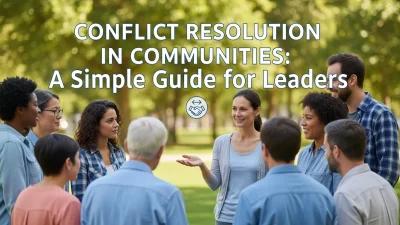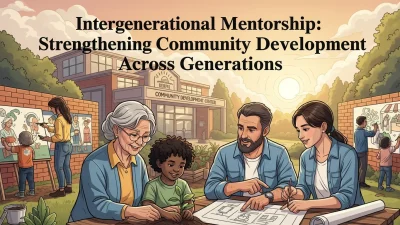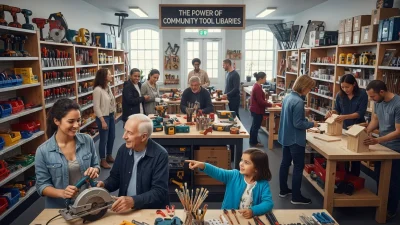

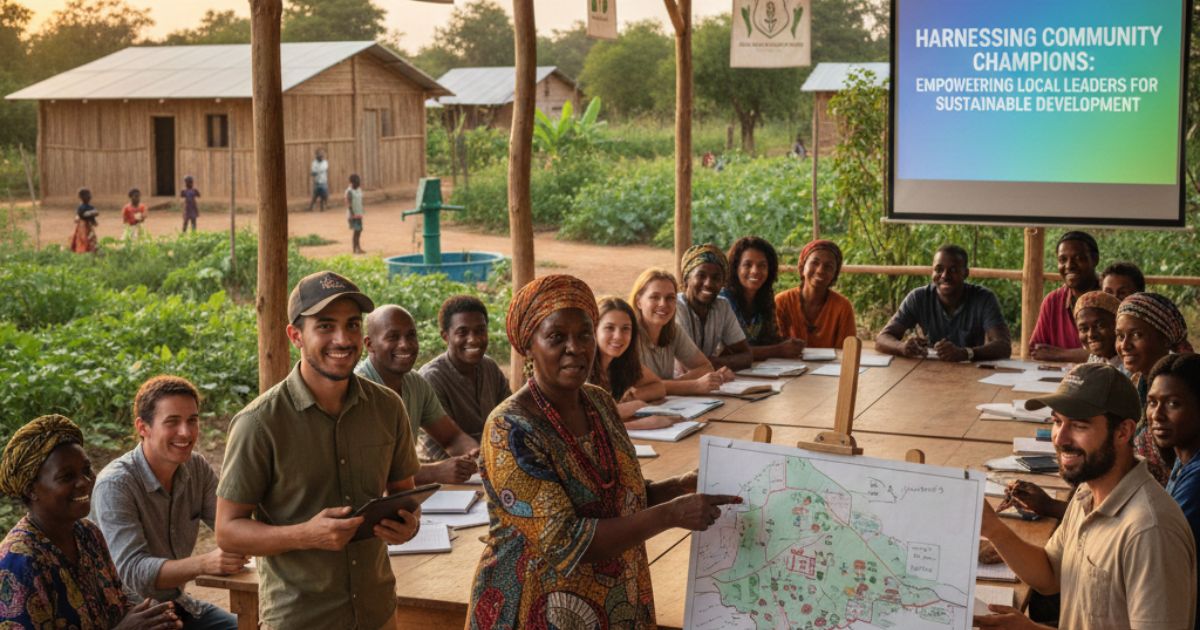
Communities grow stronger when everyday people step forward to lead meaningful change. These Community Champions—local leaders who demonstrate passion, resilience, and a deep commitment to their communities—play a powerful role in shaping sustainable development. They are often the bridge between community needs and long-term solutions, using their local knowledge, trust, and influence to mobilize others.
Community Champions help spark collective action, promote civic engagement, and encourage neighbors to participate in decision-making. Whether they are youth organizers, women leaders, volunteers, activists, or respected elders, these individuals bring people together, create safe spaces for dialogue, and motivate others to contribute to shared goals.
When community leaders are properly supported, they can drive initiatives in areas like education, healthcare, environmental protection, digital inclusion, and economic development. They help communities adapt to change, recover from crises, and plan for the future with confidence.
This guide explores the practical steps needed to identify, empower, and sustain Community Champions. You’ll learn how to recognize leadership potential, provide training and mentorship, create collaborative networks, and design opportunities that help local leaders thrive. By investing in these individuals, communities can build long-lasting resilience and create systems that serve generations to come.
What Are Community Champions?
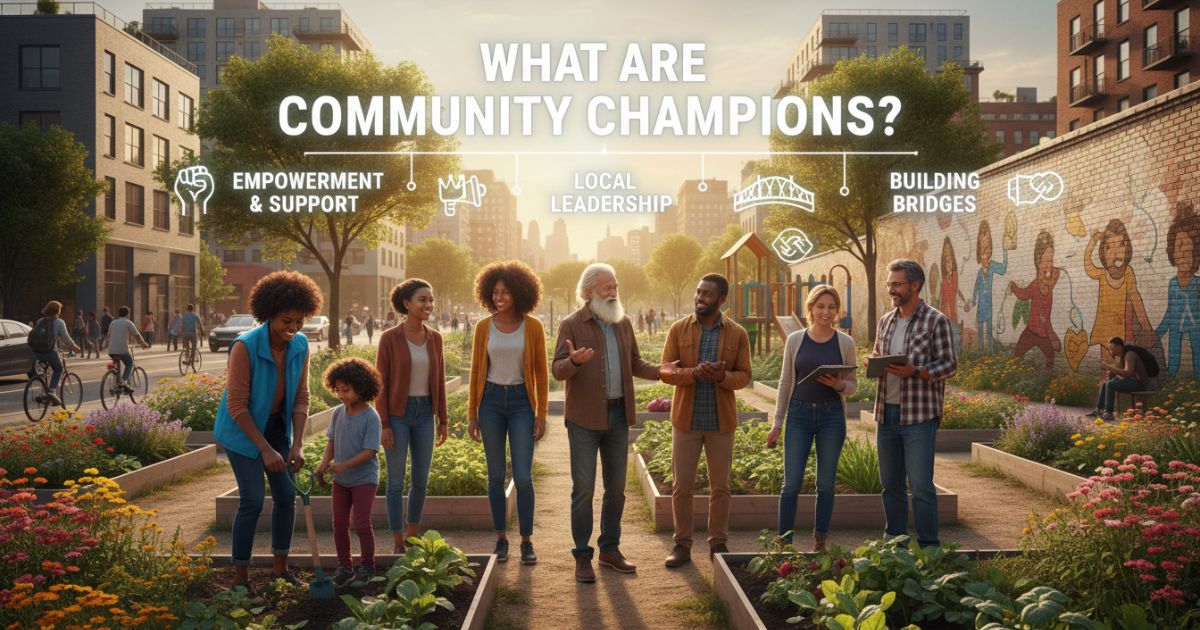
Community Champions are local individuals who step forward to drive positive change in their neighborhoods, towns, or interest-based groups. They are often the bridge between community members, local government, and development organizations. These champions don’t always hold formal positions—they lead through passion, trust, and consistent action.
Some champions emerge organically through their involvement, while others are identified by local councils, nonprofits, grassroots organizations, or community development agencies. Programs like UNDP Community Engagement initiatives, UN-Habitat, and local municipal leadership programs often support the development of such leaders.
What sets Community Champions apart are key qualities such as:
-
Strong communication skills that help them share ideas clearly and motivate others.
-
Empathy and emotional intelligence, enabling them to listen, mediate conflicts, and understand diverse needs.
-
Credibility and trustworthiness, earned through fairness, consistency, and active participation.
-
Local knowledge and cultural awareness, helping them design solutions suited to their environment.
These leaders understand the real challenges faced by their communities—whether related to safety, youth engagement, public health, or environmental sustainability. By empowering them with resources, training, and recognition, organizations unlock grassroots leadership that drives long-term community success.
Community Champions often lead or support initiatives such as:
-
Urban gardens and food security projects
-
Youth leadership and mentorship programs
-
Environmental conservation and climate resilience campaigns
-
Social inclusion and accessibility initiatives
-
Digital literacy workshops or community innovation hubs
Many of these initiatives align closely with the UN Sustainable Development Goals (SDGs)—especially SDG 11 (Sustainable Cities and Communities), SDG 4 (Quality Education), SDG 13 (Climate Action), and SDG 10 (Reduced Inequalities).
Why Champions Matter for Sustainable Development?
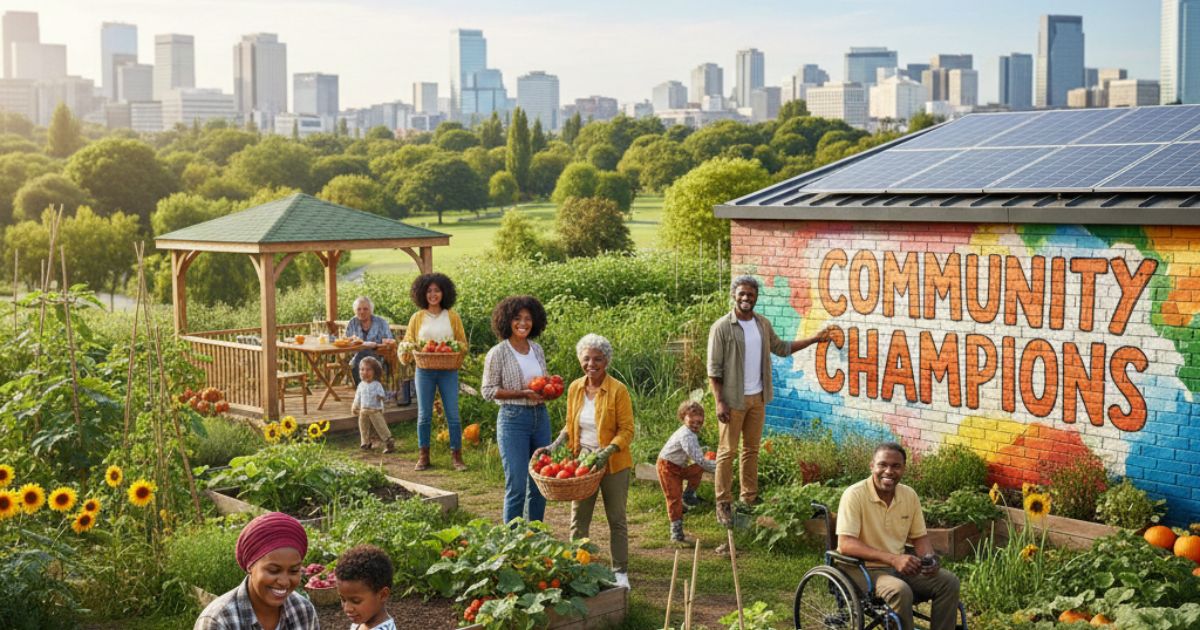
Community Champions play a critical role in sustainable development because lasting change requires community ownership, shared responsibility, and long-term commitment. Unlike outside consultants or short-term programs, champions are rooted in the community—they understand local history, cultural context, and daily challenges. This makes their leadership more trusted and impactful.
How Community Champions Support Sustainable Development
1. Build Trust and Cultural Understanding
Champions communicate in familiar language, respect local customs, and bridge gaps between residents and institutions. This builds trust and reduces misunderstandings.
2. Mobilize Volunteers and Strengthen Participation
Because they have strong personal networks and credibility, champions can gather volunteers faster and motivate neighbors to participate in projects.
3. Reduce Resistance Through Co-Design
Champions encourage co-creation by involving residents in planning and decision-making. When people help design solutions, they feel more ownership and less resistance to change.
4. Maintain Momentum Beyond Funding Cycles
Many projects lose progress once funding ends. Champions keep initiatives alive by offering continuity, leadership, and local stewardship even when external support fades.
Why This Approach Strengthens Sustainable Development?
When Community Champions lead or support initiatives, they bring authenticity, adaptability, and deep understanding of what the community truly needs. This leads to better outcomes across the three pillars of sustainable development:
-
Environmental: supporting clean-up drives, climate action, and urban greening
-
Social: improving inclusion, safety, youth engagement, and conflict resolution
-
Economic: encouraging local entrepreneurship, skills training, and job resilience
Programs that work closely with champions—such as UNDP Local Governance initiatives, UN-Habitat community programs, World Bank social development projects, and municipal community leadership frameworks—show higher success rates and stronger community trust.
By centering community champions, organizations build grassroots leadership, strengthen community resilience, and create long-term social impact that continues even after external stakeholders step back.
Identifying Your Community’s Champions
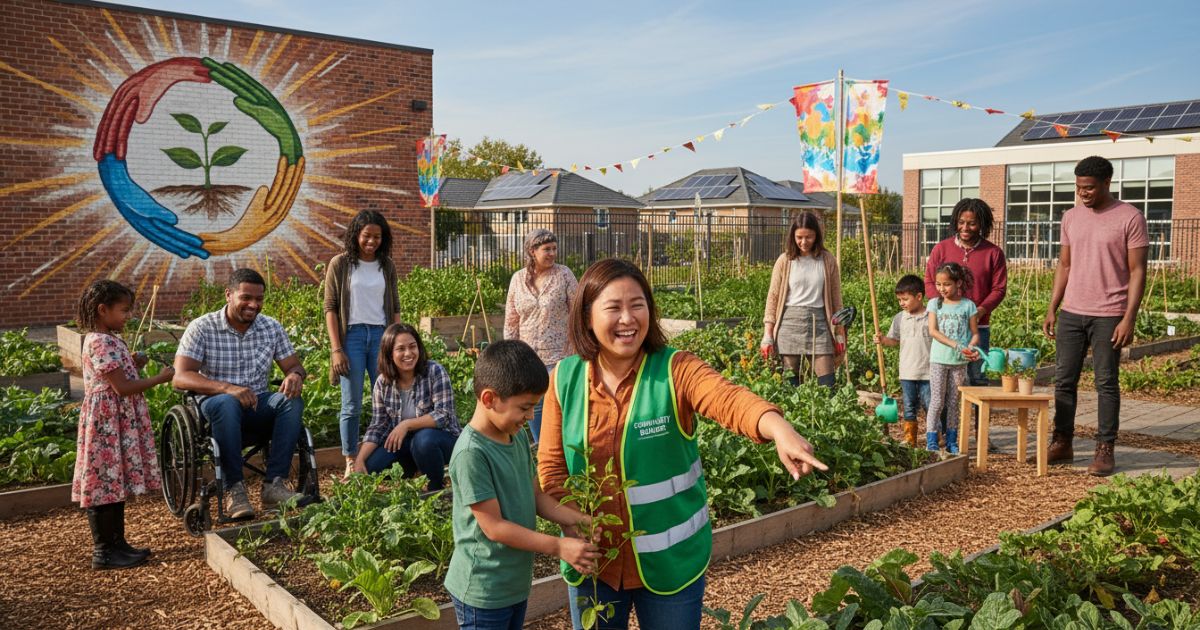
Finding the right Community Champions starts with careful observation and meaningful outreach. These local leaders often show initiative, empathy, and a strong commitment to community well-being. By using structured methods, organizations and local councils can identify individuals who are ready to support sustainable development, civic engagement, and grassroots leadership.
1. Mapping Local Networks
Look at where influence naturally flows in your community.
You can explore:
-
Local Facebook groups
-
WhatsApp community chats
-
Neighborhood associations
-
Religious groups
-
Local clubs, cooperatives, and youth councils
-
Community events and town hall meetings
These spaces help you find connectors, informal leaders, and trusted organizers who already bring people together.
2. Soliciting Community Nominations
Invite residents to nominate individuals who inspire teamwork, solve problems, or support vulnerable groups.
You can gather nominations through:
-
Surveys
-
Community forums
-
Suggestion boxes
-
Online nomination forms
This allows hidden leaders—people who quietly contribute but may not be publicly visible—to emerge.
3. Analyzing Past Community Successes
Look at who organized or contributed to successful community projects such as:
-
Clean-up drives
-
Health awareness campaigns
-
Youth workshops
-
Cultural programs
-
Food distribution initiatives
These individuals often show consistency, reliability, and strong leadership qualities.
4. Conducting One-on-One Interviews
Personal conversations help you understand a potential champion’s:
-
Motivations
-
Strengths
-
Interests
-
Time availability
-
Preferred roles
-
Areas of concern (e.g., safety, environment, youth, women empowerment)
Ask simple questions like:
-
“What community issues matter most to you?”
-
“What kind of support would help you lead effectively?”
These interviews help match champions to the right responsibilities.
Documenting Findings in a Stakeholder Matrix
Organize your insights in a stakeholder matrix that includes:
-
Names
-
Roles or influence
-
Skills
-
Past contributions
-
Potential impact
-
Level of engagement
This tool helps development teams and local organizations plan partnerships, training, and leadership roles more strategically.
Empowerment Strategies for Community Champions
Once Community Champions are identified, the next step is to empower them with the right tools, training, and support. Strong empowerment strategies help champions lead confidently, build momentum, and drive long-term sustainable development in their communities.
1. Capacity Building
Give champions the skills they need to lead effectively. Provide training in:
-
Project management
-
Grant writing and fundraising
-
Conflict resolution and mediation
-
Public speaking and storytelling
-
Data collection and community assessment
These skills help champions design better projects, communicate clearly, and measure impact.
2. Resource Provision
Champions need access to tools that make their work easier. Support them with:
-
Seed funding or micro-grants
-
Safe meeting spaces and work areas
-
Digital tools like project trackers or communication apps
-
Marketing resources such as posters, templates, or social media materials
Providing resources increases motivation and allows champions to carry out sustainable projects.
3. Mentorship Programs
Connect emerging champions with experienced leaders. Mentors can offer:
-
Guidance on community organizing
-
Help with decision-making
-
Access to networks and partnerships
-
Emotional support during difficult phases
A mentorship model helps new champions grow faster and feel supported.
4. Collaborative Planning
Include champions in key planning and decision-making processes. Invite them to join:
-
Advisory councils
-
Steering committees
-
Co-design workshops
-
Policy discussions
-
Participatory budgeting sessions
When champions help shape solutions, the outcomes become more inclusive and trusted.
5. Recognition and Visibility
Acknowledging efforts motivates champions and inspires others. You can offer recognition through:
-
Social media spotlights
-
Certificates or awards
-
Local newspaper features
-
Community events that celebrate achievements
-
Nomination for regional awards or leadership programs
Public visibility strengthens credibility and encourages long-term engagement.
Building Collaborative Ecosystems

Strong and sustainable community development depends on partnerships. Community Champions thrive when they are supported by a network of organizations, institutions, and local stakeholders. These collaborative ecosystems provide resources, credibility, and shared responsibility—making projects more effective and long-lasting.
Nonprofits and NGOs
Partnering with nonprofits gives champions access to expertise, volunteers, and funding opportunities. These organizations often focus on key social issues such as:
-
Youth development
-
Climate action and environmental protection
-
Food security and urban agriculture
-
Public health and wellness
-
Social inclusion and gender equality
These partnerships help champions design programs that align with broader community goals.
Local Businesses
Small businesses and community-based companies can support projects through:
-
Sponsorships
-
Financial donations
-
Event venues
-
In-kind contributions such as printing, supplies, or refreshments
This builds local economic ties and strengthens community ownership.
Government Agencies
Working with government bodies helps champions access:
-
Policy support
-
Public spaces such as parks and community centers
-
Permits for events and projects
-
Technical expertise or data
Government collaboration ensures long-term sustainability and alignment with community development goals.
Academic Institutions
Colleges and universities offer valuable resources, including:
-
Research support
-
Student volunteers and interns
-
Experts for training and evaluation
-
Access to educational facilities
Working with academics strengthens project quality and helps measure impact.
Using MOUs and Joint Planning
To ensure smooth collaboration, use tools like:
-
MOUs (Memoranda of Understanding) to clarify roles
-
Joint-planning sessions to align goals
-
Shared timelines to track progress
-
Regular check-ins to solve issues early
Clear agreements reduce misunderstandings and support long-term teamwork.
Measuring Impact and Ensuring Accountability
Assessment helps refine strategies and sustain engagement. Track clear Key Performance Indicators (KPIs) across:
Engagement Metrics
-
Number of volunteers
-
Event participation
-
Social media interactions
Outcome Metrics
-
Land restored
-
Youth reached
-
Policy changes supported
Sustainability Metrics
-
Funding diversity
-
Project longevity
-
Leadership transitions
Use surveys, focus groups, and dashboards to monitor progress. Share updates monthly or quarterly for transparency.
Case Study: Green Streets Neighborhood Initiative
In Riverside Heights, a small team of champions launched the “Green Streets” project to convert vacant lots into community gardens. Key actions included:
- Partnering with the city’s parks department for land access
- Securing a $5,000 micro-grant for soil and saplings
- Hosting weekend workshops on organic gardening
- Building a leadership pipeline by recruiting youth apprentices
Within a year, the initiative engaged over 120 volunteers, yielded 800 pounds of produce for local food banks, and inspired three neighboring blocks to start similar gardens—demonstrating how champion-driven models can scale rapidly.
Best Practices Checklist
- Identify champions through nominations and network mapping
- Invest in leadership training and mentorship
- Provide resources: funding, venues, digital tools
- Forge cross-sector partnerships with clear agreements
- Set SMART KPIs and report progress regularly
- Celebrate milestones and recognize contributions
- Plan for succession and leadership turnover
Overcoming Common Challenges
Even with strong champions, roadblocks arise. Address them by:
- Conflict Resolution: Facilitate mediation workshops to navigate disagreements.
- Resource Constraints: Diversify funding by applying for grants, hosting fundraisers, and engaging sponsors.
- Burnout Prevention: Rotate leadership roles and enforce reasonable time commitments.
- Maintaining Momentum: Break large goals into short-term milestones with visible wins.
Conclusion
Community champions are the heartbeat of sustainable development, local empowerment, and grassroots leadership. They keep communities strong, resilient, and motivated during change. When you identify passionate local leaders and give them skills and resources, their impact grows. Build simple partnerships and support teamwork to keep projects moving. Start small. Host a listening session. Launch a pilot project. Offer a workshop that introduces Participatory Budgeting for Community Development. As champions gain confidence, they inspire others. They turn shared ideas into real changes that help the whole community thrive.
FAQs
1. What is a community champion in local development?
A community champion is a trusted local leader who motivates residents, supports community projects, and bridges communication between the community and organizations.
2. How do you identify community champions in a neighborhood?
You can identify champions by mapping local networks, observing who organizes events, reviewing past project leaders, and asking residents for nominations.
3. Why are community champions important for sustainable development?
They ensure community ownership, reduce resistance to change, mobilize volunteers, and help projects continue long after external funding ends.
4. What skills do effective community champions need?
Communication, empathy, organizing skills, problem-solving, cultural understanding, and basic project management skills.
5. How can organizations support or train community champions?
Through workshops, mentorship, funding support, leadership training, and involving them in planning and decision-making.
6. Can youth become community champions?
Yes. Many youth leaders drive social innovation, environmental action, and digital community engagement, especially with proper mentoring.