
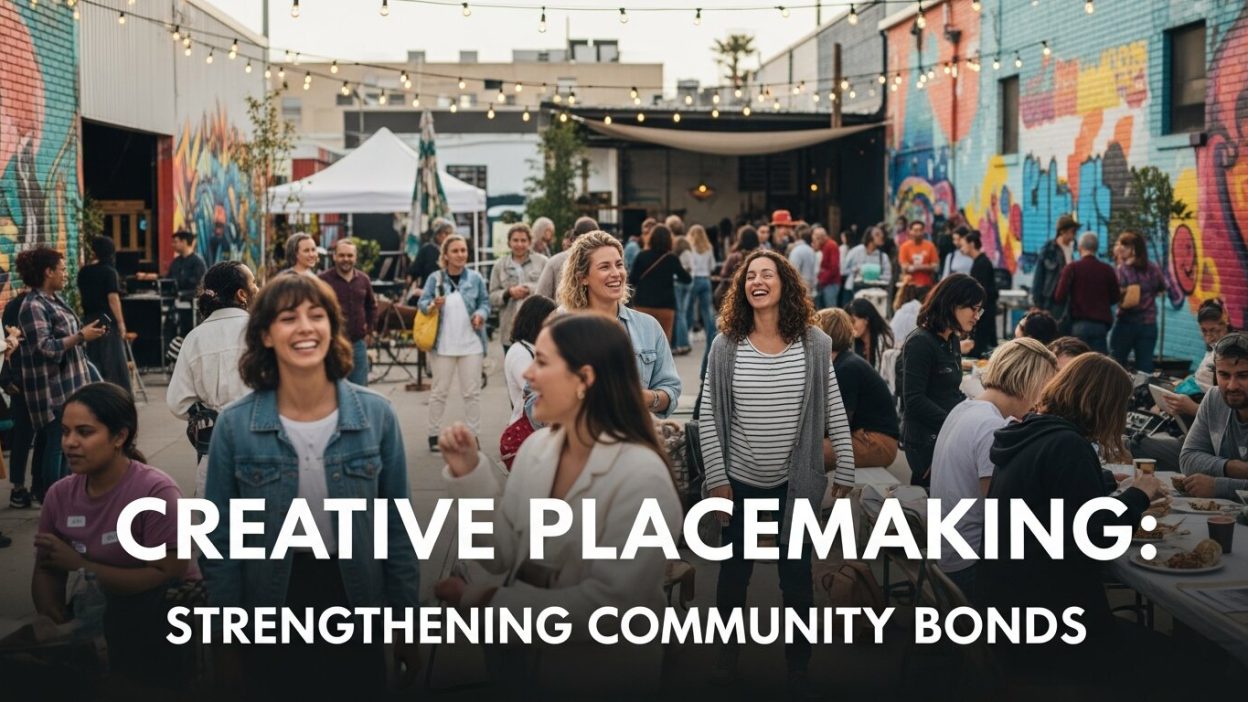
Creative placemaking transforms public spaces through art and community collaboration, fostering inclusion, cultural identity, and social connection. It strengthens engagement, supports sustainability, and helps build vibrant, resilient communities where people feel connected and valued.
Creative placemaking is a dynamic approach that uses art, culture, and design to shape meaningful public spaces. It brings communities together, encourages participation, and reflects local identity. By transforming everyday environments into engaging places, it fosters connection, inclusivity, and shared experiences. This approach helps build stronger, more vibrant communities where people feel connected, valued, and inspired to interact, collaborate, and contribute to a shared sense of belonging and purpose.
Understanding Creative Placemaking
Creative placemaking is a community-driven approach that blends arts, culture, and urban development to create meaningful and engaging public spaces. It focuses on people, their shared experiences, and the identity of a place. By involving artists, planners, and residents, communities can design spaces that reflect local culture and values. This process transforms underused areas into vibrant hubs that encourage interaction and belonging. It also strengthens emotional connections among residents, building trust and unity. When applied effectively, creative placemaking goes beyond physical design—it becomes a tool for social transformation. It integrates creativity into daily life, improves how people interact with their environment, and supports long-term community development through inclusive and thoughtful planning.
Role of Arts in Community Engagement
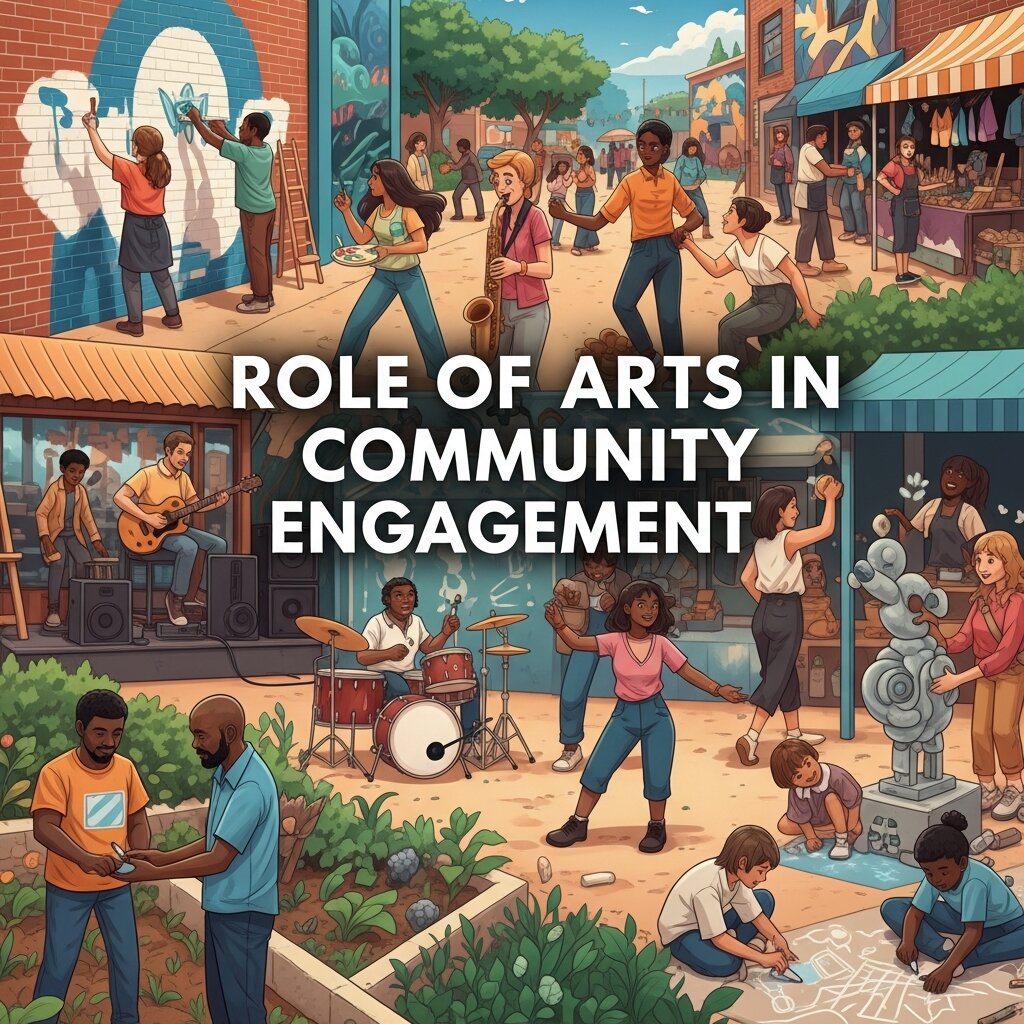
Arts play a vital role in enhancing community engagement by giving people a platform to express identity and shared values. Through murals, performances, exhibitions, and installations, communities can connect in meaningful and creative ways. These artistic elements encourage participation and open dialogue among residents from different backgrounds. Public art also makes spaces more inviting and relatable, helping individuals feel represented and included. Integrating art into urban environments strengthens emotional connections and promotes social interaction. It allows communities to celebrate their history and culture while fostering creativity. Ultimately, the use of arts in public spaces helps build stronger relationships, making neighborhoods more vibrant, inclusive, and connected through shared cultural experiences and collaborative expression.
Building Ambient Community Connections
Ambient community building focuses on creating environments that naturally encourage interaction without forcing it. Thoughtfully designed spaces such as parks, sidewalks, and public squares can inspire casual conversations and shared experiences. Elements like seating areas, lighting, greenery, and art installations contribute to a welcoming atmosphere. These subtle features make people feel comfortable and open to connection. Everyday interactions in such spaces help build trust and familiarity among residents. Over time, these small moments strengthen social networks and create a sense of belonging. By blending design, culture, and functionality, communities can transform ordinary places into lively environments. This approach supports long-term social cohesion and enhances the overall quality of life in neighborhoods.
Intergenerational Community Building
Intergenerational mentorship building brings together people of different age groups to share experiences, knowledge, and perspectives. Inclusive public spaces and programs encourage children, youth, adults, and seniors to interact meaningfully. Activities such as storytelling, workshops, and cultural events create opportunities for learning and collaboration across generations. These interactions help bridge age gaps, promote mutual respect, and strengthen social bonds. They also allow traditions and values to be passed down while embracing new ideas and innovation. Creating spaces that support all age groups ensures that everyone feels included and valued. This approach builds stronger, more connected communities where relationships thrive across generations, fostering continuity, understanding, and long-term social harmony.
Cross-Cultural Community Integration
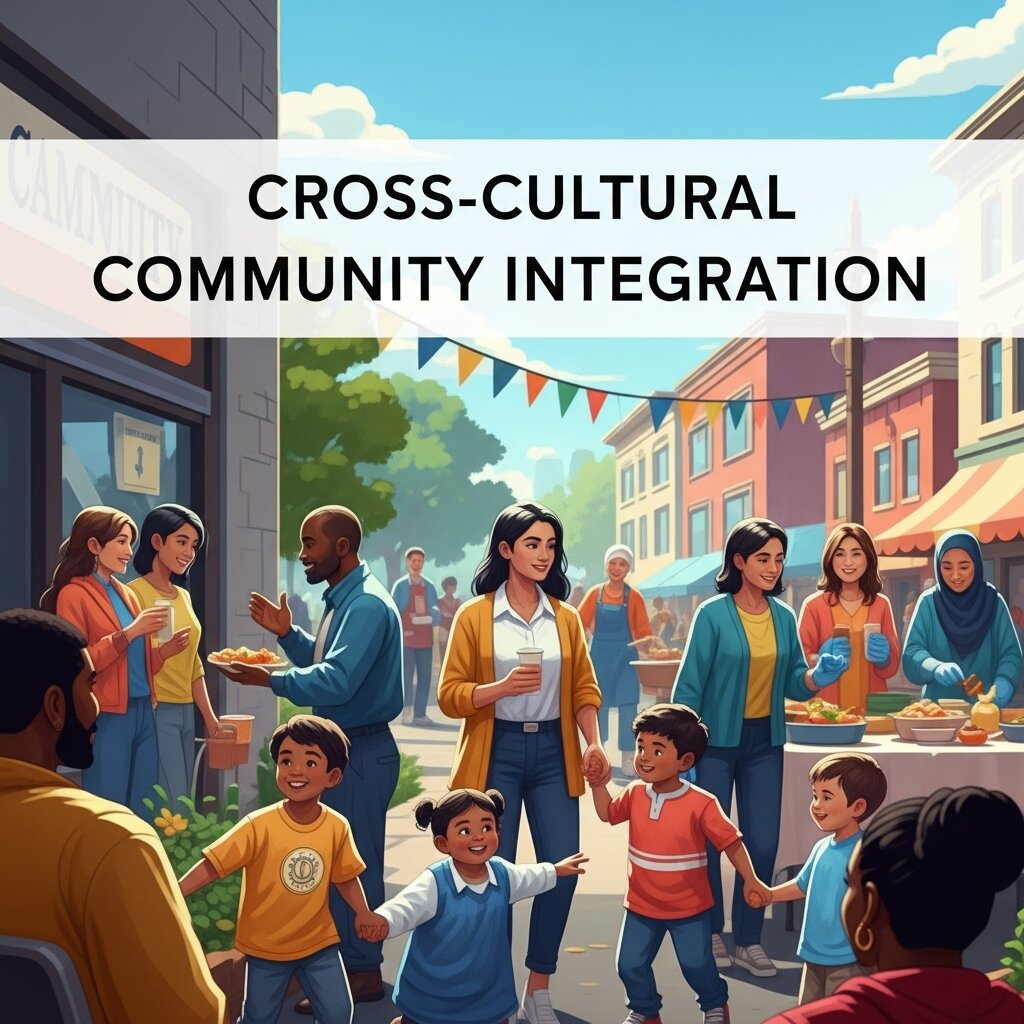
Cross-cultural community integration focuses on celebrating diversity and promoting inclusion within shared spaces, making Cross-Cultural Community Building an essential part of community development. By representing different cultures through art, design, and public programs, communities can highlight unique traditions, languages, and stories. This fosters mutual respect and understanding among diverse groups. Inclusive environments support Cross-Cultural Community Building by encouraging collaboration and reducing cultural barriers, allowing people from different backgrounds to connect more easily. Cultural festivals, exhibitions, and community projects create opportunities for shared experiences and dialogue. These initiatives strengthen Cross-Cultural Community Building, helping communities build unity while respecting individuality. By embracing diversity, communities become more welcoming, harmonious, and socially connected.
Urban Spaces and Community Identity
Urban spaces play a crucial role in shaping community identity and reflecting local heritage. Parks, streets, and public areas can become storytelling platforms that showcase a neighborhood’s culture and history. Engaging residents in the design process fosters a sense of ownership and pride. When people see their values and traditions represented in their surroundings, they feel more connected to their community. These spaces go beyond functionality—they become symbols of identity and belonging. Well-designed urban environments encourage interaction, creativity, and participation. By embedding cultural elements into public spaces, communities can preserve their uniqueness while adapting to change, ensuring that identity remains strong and relevant over time.
Community Participation in Creative Placemaking
Community participation is a vital element in successful creative placemaking initiatives. When residents actively contribute ideas, feedback, and creativity, public spaces become more meaningful and representative of local identity. Engaging community members in planning and execution builds trust, ownership, and long-term commitment. It also ensures that projects address real needs rather than assumptions. Open collaboration between stakeholders, including artists, local authorities, and citizens, leads to more sustainable and inclusive outcomes. By prioritizing participation, creative placemaking strengthens relationships and empowers individuals to shape their environment, resulting in vibrant spaces that reflect shared values, encourage interaction, and support continuous community growth.
Key Points:
- Encourages local ownership and pride
- Builds trust among stakeholders
- Ensures inclusive decision-making
- Reflects real community needs
- Strengthens long-term engagement
| Participation Method | Description | Key Benefit |
|---|---|---|
| Public Workshops | Community idea-sharing sessions | Inclusive planning |
| Surveys & Feedback | Collecting opinions and insights | Better decision-making |
| Collaborative Art | Group murals or installations | Stronger social bonds |
| Local Events | Festivals and gatherings | Increased engagement |
| Digital Platforms | Online community input tools | Wider participation |
Economic Impact of Creative Placemaking
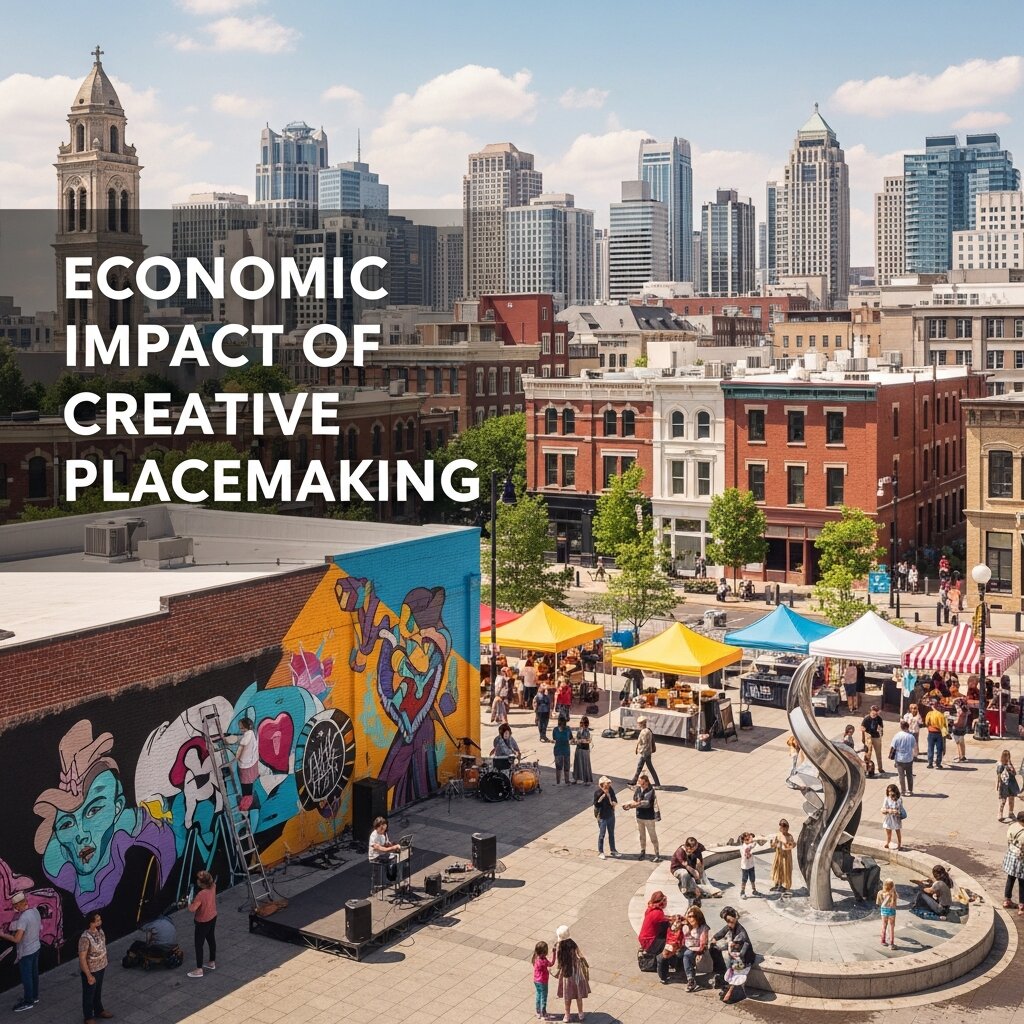
Creative placemaking contributes to economic growth by making communities more attractive to visitors, businesses, and investors. Vibrant public spaces increase foot traffic, which benefits local shops and small enterprises. Cultural events, markets, and performances create opportunities for income generation and tourism. Supporting local artists and entrepreneurs also boosts economic activity within the community. Improved public spaces can increase property values and encourage sustainable development. At the same time, it is important to maintain inclusivity to ensure that growth benefits all residents. By balancing cultural enrichment with economic opportunities, communities can achieve long-term financial stability while preserving their identity and supporting local talent and innovation.
Sustainability and Community Well-being
Sustainability is essential for creating healthy and resilient communities. Environmentally friendly design elements such as green spaces, renewable materials, and energy-efficient infrastructure improve both environmental quality and quality of life. Walkable neighborhoods and accessible public areas encourage physical activity and reduce stress. Social well-being is also enhanced when people feel connected and engaged in their surroundings. Sustainable practices help preserve resources for future generations while supporting present needs. By combining environmental care with social connection, communities can create balanced and thriving environments. This approach ensures long-term well-being, where people not only live comfortably but also feel a strong sense of belonging and responsibility toward their environment.
Challenges and Solutions in Creative Placemaking
While creative placemaking offers many benefits, it also comes with challenges that communities must address. Limited funding, lack of community engagement, and unequal representation can affect project success. Additionally, balancing development with cultural preservation can be difficult. However, these challenges can be managed through strategic planning and inclusive practices. Encouraging diverse participation, securing partnerships, and maintaining transparency are key to overcoming obstacles. Sustainable funding models and community education also play an important role. By addressing these issues proactively, creative placemaking can remain effective and impactful, ensuring that projects benefit all members of the community while maintaining cultural authenticity and long-term viability.
Key Points:
- Funding limitations can restrict projects
- Lack of awareness may reduce participation
- Cultural imbalance may create exclusion
- Need for long-term planning
- Importance of transparency and collaboration
| Challenge | Impact | Solution |
|---|---|---|
| Limited Funding | Project delays or limitations | Grants and partnerships |
| Low Community Engagement | Weak participation | Awareness campaigns |
| Cultural Exclusion | Lack of diversity | Inclusive planning strategies |
| Maintenance Issues | Decline in space quality | Community stewardship programs |
| Lack of Coordination | Inefficient execution | Strong leadership and planning |
Future of Community-Centered Design
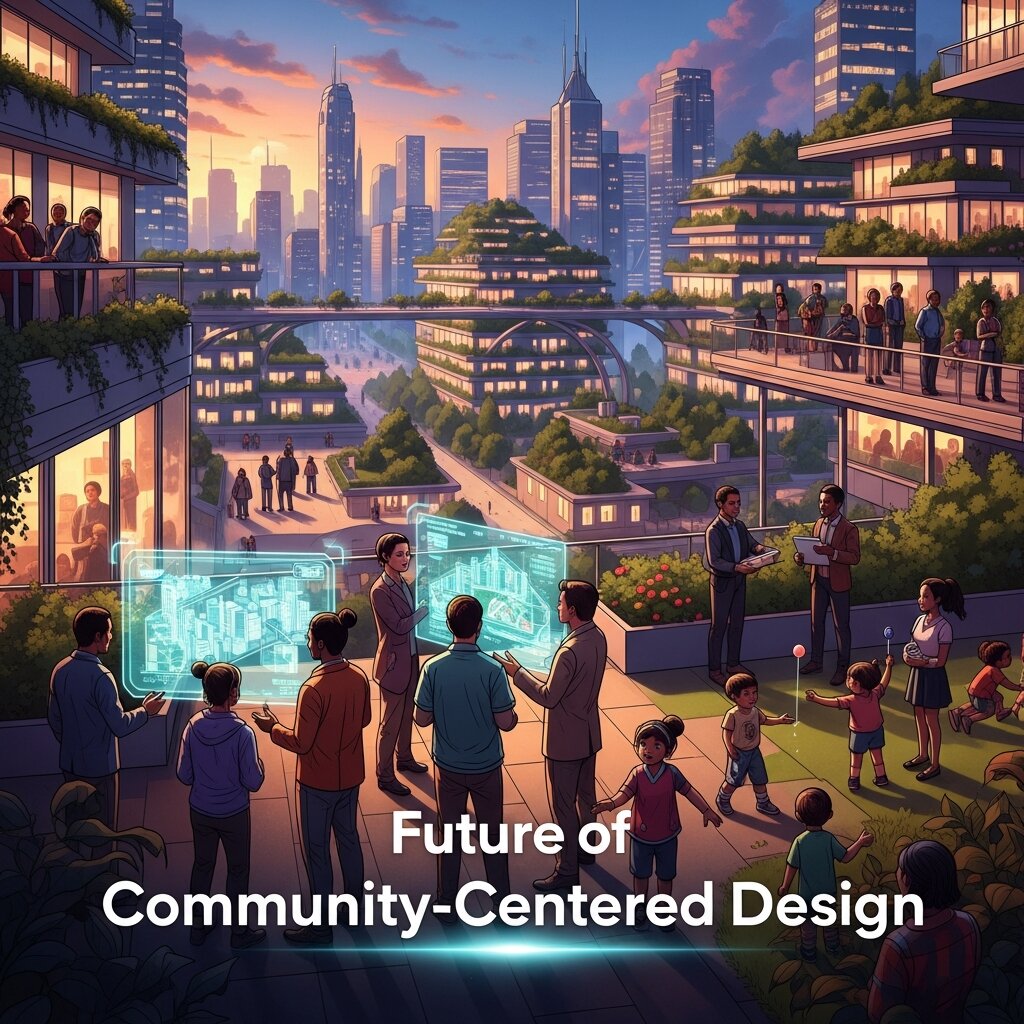
The future of community-centered design focuses on inclusivity, innovation, and collaboration. As cities grow, there is increasing emphasis on designing spaces that prioritize human needs and experiences. Technology is playing a key role, allowing communities to participate in planning through digital marketing tools and platforms. This encourages transparency and shared decision-making. Sustainable practices and cultural integration will continue to shape modern urban development. Communities will become more adaptable and resilient by embracing change while maintaining their identity. The focus will remain on creating spaces that foster connection, creativity, and well-being. This forward-thinking approach ensures that future environments are not only functional but also meaningful and engaging for everyone.
Conclusion
Creative placemaking is a powerful approach that connects people through culture, design, and shared experiences. It strengthens relationships, promotes inclusion, and transforms public spaces into meaningful and engaging environments. By encouraging collaboration and creativity, communities can build stronger identities and lasting connections. This approach also supports local culture, economic growth, and social interaction in diverse settings. It helps residents feel a sense of belonging while improving the quality of public spaces. As urban areas continue to evolve, creative placemaking will remain essential for creating vibrant, sustainable, and people-centered communities that support both social well-being, cultural expression, and long-term economic development.
Frequently Asked Questions
1. What is creative placemaking?
Creative placemaking is a community-focused approach that uses arts, culture, and design to transform public spaces. It encourages collaboration among residents, artists, and planners to create meaningful environments that reflect local identity, foster engagement, and strengthen social connections within communities.
2. Why is creative placemaking important?
Creative placemaking is important because it enhances community engagement, promotes inclusivity, and strengthens local identity. It transforms underused spaces into vibrant areas that encourage interaction, support cultural expression, and improve overall quality of life for residents in diverse communities.
3. How does creative placemaking build community bonds?
Creative placemaking builds community bonds by encouraging shared experiences through art, culture, and design. It creates spaces where people interact, collaborate, and connect, fostering trust, belonging, and stronger relationships among residents from different backgrounds and age groups.
4. What are examples of creative placemaking projects?
Examples include public murals, community gardens, cultural festivals, interactive installations, and revitalized parks. These projects bring people together, enhance public spaces, and reflect local culture, making communities more engaging, inclusive, and visually appealing for residents and visitors alike.
5. Who is involved in creative placemaking?
Creative placemaking involves artists, urban planners, local governments, community organizations, and residents. Collaboration among these groups ensures that projects reflect community needs, encourage participation, and create inclusive spaces that benefit everyone within the neighborhood or city.
6. How does creative placemaking support sustainability?
Creative placemaking supports sustainability by promoting eco-friendly design, walkable spaces, and green infrastructure. It encourages the use of local resources and community involvement, helping create environmentally responsible spaces that improve well-being while supporting long-term social and ecological balance.
7. What is ambient community building in placemaking?
Ambient community building refers to creating spaces that naturally encourage social interaction without forcing it. Through thoughtful design elements like seating, lighting, and art, people feel comfortable connecting, leading to stronger relationships and a more welcoming community environment.
8. How does creative placemaking support cultural diversity?
Creative placemaking supports cultural diversity by showcasing different traditions, languages, and stories through art and public programs. It creates inclusive environments where diverse groups feel represented, fostering mutual respect, understanding, and stronger connections across cultural communities.
9. What challenges does creative placemaking face?
Creative placemaking faces challenges such as limited funding, low community participation, and cultural imbalance. Addressing these issues requires inclusive planning, strong partnerships, and effective communication to ensure projects are sustainable, representative, and beneficial for the entire community.
10. What is the future of creative placemaking?
The future of creative placemaking focuses on innovation, inclusivity, and sustainability. With the use of technology and community collaboration, it will continue to shape people-centered spaces that promote engagement, resilience, and cultural expression in rapidly evolving urban environments.