
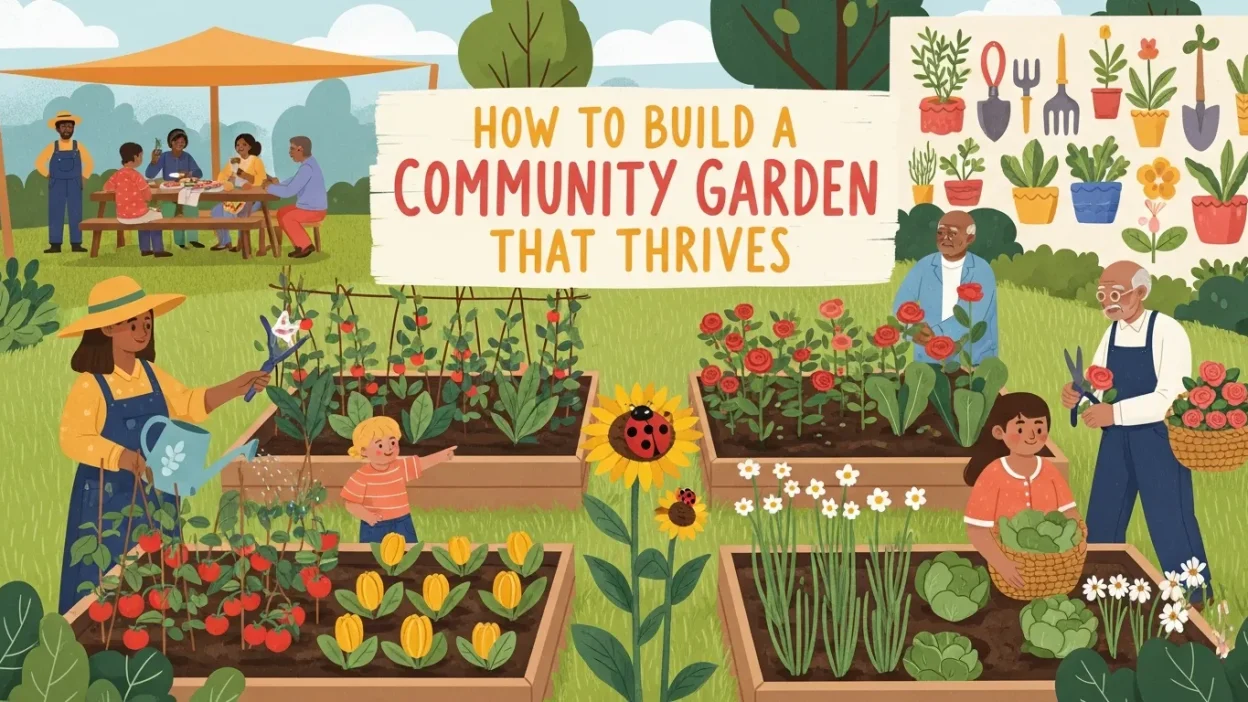
Community gardens transform vacant lots into vibrant green spaces where neighbors connect, children learn about nature, and fresh produce grows abundantly. This comprehensive guide walks you through every step needed to build a community garden—from securing land and gathering supporters to maintaining momentum for years to come. Whether you’re rallying neighbors on social media or implementing referral marketing strategies to expand your gardener base, you’ll discover practical tips for creating a thriving space that brings people together.
Starting a community garden might seem overwhelming at first. You need land, tools, volunteers, and a plan that keeps everyone engaged. But thousands of neighborhoods have successfully launched gardens that became cornerstones of their communities—and yours can too.
Community gardens offer more than fresh vegetables. They create gathering spaces where isolated neighbors become friends, where kids discover that carrots grow underground, and where retired teachers share decades of gardening wisdom with young families. These spaces reduce food insecurity, beautify neighborhoods, and give people a sense of ownership over their environment.
This guide provides a roadmap for transforming your vision into reality. You’ll learn how to find the perfect plot, rally supporters, design an effective layout, and keep your garden flourishing through changing seasons and shifting volunteer availability. By following these steps, you’ll build a community garden that serves your neighborhood for generations.
Find the Right Location

The foundation of any successful community garden starts with securing appropriate land. Look for vacant lots, unused corners of public parks, or underutilized spaces near schools or community centers. The ideal plot receives at least six hours of direct sunlight daily and has access to water.
Contact your city’s parks department, local land trusts, or property owners about temporary or long-term use agreements. Many municipalities have programs specifically designed to support community gardens on public land. Private landowners sometimes welcome gardens on their property, especially if the space currently attracts litter or feels unsafe.
Test the soil before committing to a location. Previous uses matter—former gas stations or industrial sites may have contaminated soil requiring remediation or raised bed solutions. Your local cooperative extension office often provides inexpensive soil testing services.
Consider accessibility for all potential gardeners. Gardens near public transportation or within walking distance of residential areas attract more consistent participation than remote locations requiring cars to reach.
Gather Your Core Team
No one builds a thriving community alone. Start by identifying 5-10 passionate individuals who will form your garden’s leadership team. These early supporters will help with everything from paperwork to publicity.
Host an informal meeting at a local coffee shop or community center to gauge interest. Share your vision and listen to what others hope to gain from the garden. Some may want organic vegetables, others seek a space for their children to play, and many simply crave connection with neighbors.
Leverage social media to build a thriving community on Twitter and build a thriving community on LinkedIn by sharing your progress. Post photos of potential sites, celebrate small wins like securing your first donation, and use hashtags that help local residents discover your project. These platforms help you reach beyond your immediate circle and attract diverse volunteers with varied skills.
Create a simple sign-up sheet collecting names, contact information, and specific interests (fundraising, carpentry, outreach, etc.). Matching tasks to talents prevents volunteer burnout and ensures critical jobs get done.
Establish Clear Guidelines and Structure
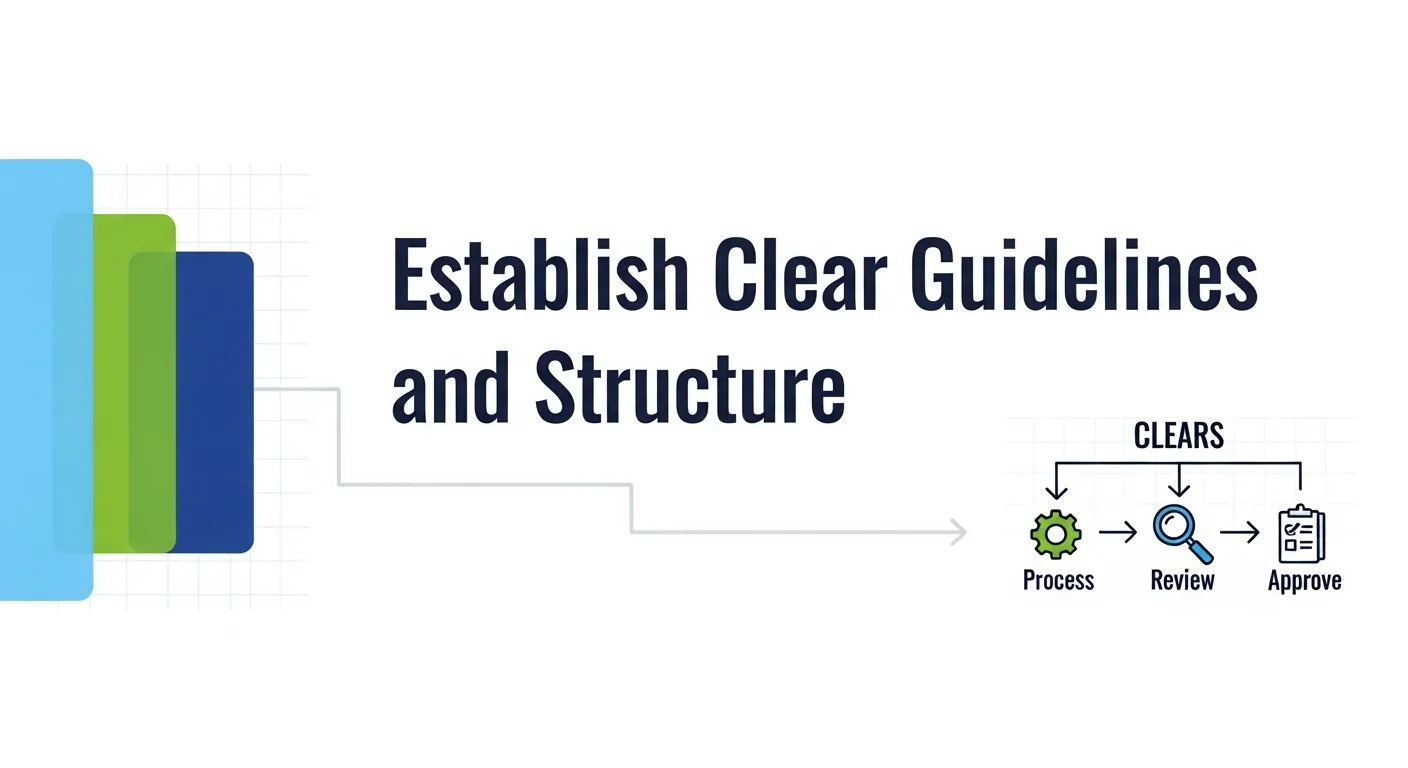
Successful gardens need structure without excessive bureaucracy. Draft simple guidelines covering:
- Plot assignments: Will you allocate individual plots or maintain communal growing spaces?
- Work requirements: How many volunteer hours should each gardener contribute monthly?
- Organic standards: Will you prohibit synthetic pesticides and fertilizers?
- Maintenance responsibilities: Who waters communal areas, mows paths, and maintains tools?
- Conflict resolution: How will you address disputes over plot boundaries or rule violations?
Consider forming a simple organizational structure. Many gardens succeed with a volunteer coordinator, treasurer, and plot manager who serve one-year terms. Keep leadership accessible and rotate responsibilities to prevent burnout.
Create a basic membership agreement that gardeners sign. This doesn’t need legal complexity—a one-page document outlining expectations and responsibilities works perfectly. Having something in writing prevents misunderstandings later.
Design Your Garden Layout
Thoughtful design maximizes growing space while creating an inviting atmosphere. Walk the site with your core team and sketch potential layouts considering:
Paths and accessibility: Create wide main paths (at least 4 feet) that accommodate wheelchairs, strollers, and wheelbarrows. Narrower paths (2-3 feet) can separate individual plots.
Communal spaces: Designate areas for shared activities like a tool shed, compost bins, and a gathering space with benches. These become natural spots for impromptu conversations that strengthen community bonds.
Water access: Position spigots or rain barrels strategically so no plot sits more than 50 feet from water. Dragging hoses across an entire garden exhausts volunteers and damages plants.
Children’s areas: If families will participate, create a dedicated kids’ section with easy-to-grow plants like sunflowers, cherry tomatoes, and pumpkins. Add a small sandbox or designated play space.
Sketch your design on graph paper or use free online garden planning tools. Share the draft with members for feedback before finalizing plot assignments.
Secure Funding and Resources
Most community gardens operate on modest budgets, but you’ll need initial funds for basics like soil, tools, fencing, and water access. Explore multiple funding sources:
Grants: Many nonprofits, garden organizations, and local businesses offer small grants ($500-$5,000) specifically for community gardens. Search your city’s community foundation website and national organizations like the American Community Gardening Association.
Crowdfunding: Platforms like GoFundMe or Kickstarter work well for community projects. Create a compelling campaign with photos of your site, testimonials from excited neighbors, and specific funding goals.
In-kind donations: Local nurseries might donate seedlings, hardware stores could contribute tools, and landscaping companies may deliver free mulch. Don’t hesitate to ask—businesses appreciate supporting visible community initiatives.
Membership fees: Charging modest annual dues ($25-$50 per plot) creates sustainable funding while ensuring committed participants. Offer sliding scale fees or work-trade options for lower-income residents.
Implement referral marketing strategies by offering existing members reduced fees for bringing in new gardeners. This organic growth approach builds your community while maintaining financial stability.
Prepare the Site
Transform your bare lot into a garden through systematic preparation:
- Clear the space: Remove trash, invasive plants, and debris. Organize a cleanup day that doubles as a team-building event—provide gloves, trash bags, snacks, and music.
- Improve soil quality: Till existing soil or build raised beds filled with a mix of topsoil, compost, and aged manure. Raised beds (typically 4×8 feet and 12 inches deep) work brilliantly for contaminated sites or poor soil conditions.
- Install infrastructure: Set up fencing to deter deer and vandalism, establish water access, and build a secure tool storage shed. Consider adding a bulletin board for announcements and a mailbox for shared seed packets.
- Create pathways: Define clear routes using wood chips, gravel, or simply mowed grass. Well-maintained paths signal that someone cares for this space.
- Add signage: Install a welcoming entrance sign with your garden’s name, basic rules, and contact information. Individual plot markers help gardeners find their spaces.
Launch With a Kickoff Event
Generate excitement and recruit additional members through a celebratory launch event. Plan activities that appeal to diverse interests:
- Garden plot assignments and orientation for new members
- Workshops on topics like composting, seed starting, or organic pest control
- A kids’ corner with planting activities and garden-themed crafts
- Food sharing (potluck or simple refreshments)
- Live music from local musicians
- Tours showing garden features and future plans
Invite local media to cover your kickoff. Neighborhood newspapers and community radio stations love positive local stories. This publicity attracts new members and potential donors while signaling to the broader community that your garden is serious and organized.
Document the event with photos and videos. Share these across social media platforms to build a thriving community on Twitter and other networks where your neighbors gather online.
Establish Ongoing Maintenance Systems
Gardens thrive when regular maintenance becomes routine rather than crisis management. Create simple systems that distribute work fairly:
Work days: Schedule monthly communal workdays where everyone tackles shared spaces—weeding paths, refreshing mulch, repairing fencing, and maintaining compost bins. Make these social events with music and snacks.
Plot monitoring: Assign a volunteer to walk the garden weekly, noting abandoned plots or rule violations. Address issues promptly but compassionately—life circumstances change and sometimes gardeners need flexibility.
Tool maintenance: Designate someone to clean, sharpen, and organize shared tools monthly. Well-maintained tools last longer and make gardening more enjoyable.
Seasonal tasks: Create a calendar noting when to plant cool-season crops, when to mulch for winter, and when to prepare for spring planting. Share this with all members so everyone understands the garden’s rhythm.
Build Community Through Programming

The strongest gardens extend beyond individual plots to become true community hubs. Consider programming that deepens connections:
Educational workshops: Host sessions on topics like seed saving, season extension, or pollinator gardens. Invite master gardeners or experienced members to lead these.
Harvest celebrations: Organize potlucks featuring garden-grown ingredients. Sharing food grown together creates powerful bonds.
Kids’ programs: Partner with schools or youth organizations for field trips, after-school clubs, or summer camps centered on gardening and nature.
Food donations: Dedicate plots or a portion of harvest to local food banks. This gives purpose beyond personal benefit and addresses food insecurity.
Cross-cultural exchange: Encourage members to grow traditional plants from their heritage and share cultural knowledge about preparation and preservation.
Navigate Common Challenges
Even well-planned gardens encounter obstacles. Anticipate these common issues:
When marketing goes wrong: Sometimes outreach attracts more interest than available plots. Create a waitlist and consider expanding your garden or helping interested neighbors start satellite gardens nearby.
Volunteer burnout: Rotate leadership roles, celebrate contributions publicly, and don’t let a few people carry the entire load. If someone needs to step back, thank them genuinely and make space for new leaders.
Plot abandonment: Life happens and gardeners sometimes lose capacity mid-season. Have a clear policy (typically plots untended for 3-4 weeks get reassigned after contacting the gardener) and a waitlist ready.
Theft or vandalism: While rare, these incidents discourage participants. Install simple security like motion-sensor lights, engage neighbors in informal oversight, and report serious incidents to police while maintaining a welcoming atmosphere.
Disagreements: From plot boundary disputes to debates about pesticide use, conflicts emerge in any group. Address them promptly, stick to written guidelines, and facilitate compromise when possible.
Sustain Momentum Long-Term
Building a community garden is one achievement—keeping it vibrant for years requires different skills:
Document institutional knowledge: Create a simple binder or shared online document with your garden’s history, guidelines, contact lists, funding sources, and seasonal task calendars. This prevents knowledge loss when leaders transition.
Celebrate milestones: Mark your garden’s anniversary, total pounds of produce grown, or number of families served. Recognition sustains motivation.
Stay connected during off-season: In cold climates, maintain community through winter planning meetings, seed swaps, or social events. Don’t let relationships wither along with the plants.
Evolve thoughtfully: As your community’s needs change, be willing to adapt. Maybe you’ll add a tool-lending library, install a rainwater collection system, or create a permanent art installation. Growth keeps people engaged.
Mentor new gardens: Once established, share your knowledge with groups starting gardens in nearby neighborhoods. This generosity strengthens the broader urban agriculture movement.
Why Community Gardens Matter More Than Ever
Community gardens address multiple crises simultaneously. They improve food access in neighborhoods where fresh produce is scarce or expensive. They create green spaces in concrete-heavy urban areas, reducing heat islands and providing habitat for pollinators. They give people control over their food supply—increasingly important as climate change disrupts agriculture.
Perhaps most critically, they rebuild the social fabric that modern life tends to fray. You’ll know your neighbors’ names, their children, their stories. You’ll share surplus tomatoes and advice about aphids. You’ll watch families photograph their first-ever homegrown watermelon and see teenagers develop responsibility by maintaining their plots.
These connections matter. Study after study shows that strong community ties predict health, happiness, and resilience during difficult times. Your garden provides the infrastructure for those relationships to form naturally.
Grow Something Beautiful Together

Starting a community garden requires vision, persistence, and collaboration. You’ll navigate bureaucracy, weather challenges, and the occasional personality conflict. But you’ll also experience the profound satisfaction of transforming unused land into productive, beautiful space that serves your neighborhood.
Begin with small, achievable steps. Identify one potential site this week. Talk to three neighbors about your idea next week. Attend a city council meeting the following month. Progress compounds when you maintain consistent effort.
The garden you build won’t just grow vegetables—it will grow relationships, skills, and hope. It will give children memories of dirt under their fingernails and the taste of sun-warmed strawberries. It will provide elders a place to share wisdom and stay active. It will offer everyone proof that working together creates something none of you could build alone.
Your neighborhood needs this green space, this gathering place, this reminder that good things grow when we nurture them together. So gather your neighbors, find your plot, and start building.
Frequently Asked Questions
How much does it cost to build a community garden?
Initial costs typically range from $1,000-$5,000 depending on your site’s condition and size. Budget for soil, tools, fencing, water access, and a storage shed. Ongoing annual costs usually run $500-$2,000 for supplies, water bills, and insurance.
How do I find land for a community garden?
Contact your city’s parks department, land trusts, schools, churches, and private property owners about unused spaces. Many municipalities maintain lists of vacant lots available for community use. Drive through your target neighborhood noting empty parcels, then research ownership through public records.
What if my soil is contaminated?
Build raised beds at least 12 inches deep filled with clean soil, compost, and aged manure. This creates a barrier between contaminated ground soil and your plants. Get your soil tested through your cooperative extension office before deciding on remediation strategies.
How many people do I need to start a community garden?
Begin with a core team of 5-10 committed individuals who will handle initial organizing tasks. You can launch a small garden with 10-15 member households and expand as interest grows.
How do I handle plot assignments fairly?
Create clear criteria for plot assignment (first-come-first-served, lottery, priority for neighborhood residents, etc.) and communicate this transparently. Maintain a waitlist for when plots become available. Consider reserving some plots for low-income residents or new gardeners.
What rules should a community garden have?
Essential rules typically cover: organic growing standards, work hour requirements, plot maintenance expectations, water usage, acceptable fencing/structures, prohibited activities, and consequences for rule violations. Keep rules simple and focused on preventing common problems.
How do I prevent my community garden from failing?
Establish clear leadership structure, maintain regular communication with members, distribute work fairly, celebrate successes publicly, and address problems promptly. Gardens fail most often from leadership burnout or poor communication—not lack of gardening knowledge.
Can community gardens operate year-round?
In mild climates, yes. Cold-climate gardens can extend seasons using cold frames, row covers, and winter-hardy crops like kale and spinach. Even in harsh winters, maintain community through indoor planning meetings, seed swaps, and social events.
How do I attract diverse participants to my community garden?
Actively recruit in multiple languages, partner with cultural organizations, ensure your leadership team reflects neighborhood diversity, allow traditional crops from various cultures, and address barriers like cost, transportation, and inflexible work schedules.
What insurance does a community garden need?
Most gardens obtain general liability insurance ($300-$600 annually) protecting against injuries on garden property. If you incorporate as a nonprofit, directors and officers insurance protects leadership. Check whether your sponsoring organization’s insurance covers garden activities.
How do I fundraise for a community garden?
Combine approaches: apply for grants from community foundations and garden organizations, run crowdfunding campaigns, solicit in-kind donations from local businesses, charge modest membership fees, and organize fundraising events like plant sales or garden tours.
What happens if gardeners abandon their plots mid-season?
Create a written policy (typically warning after 2 weeks of neglect, reassignment after 4 weeks) and apply it consistently. Maintain a waitlist of people ready to take over plots. Life circumstances change—enforce policies compassionately while keeping the garden productive.