
Building a thriving community strengthens customer loyalty, generates quality leads online, and amplifies your brand’s reach. This guide explores actionable strategies for creating engaged communities on social media platforms, nurturing authentic connections, and transforming members into passionate advocates for your business.
Communities have become the backbone of successful brands. They create spaces where customers connect, share experiences, and become genuine advocates for your products or services. Whether you’re launching a startup or scaling an established business, understanding how to build a thriving community can transform your marketing efforts and create lasting relationships with your audience.
But what exactly makes a community thrive? It’s more than just gathering followers or increasing engagement metrics. A truly vibrant community fosters meaningful interactions, provides real value to its members, and creates a sense of belonging that keeps people coming back. When done right, community building becomes one of your most powerful marketing assets—one that generates quality leads online while reducing your reliance on traditional advertising.
Understanding What Makes Communities Thrive
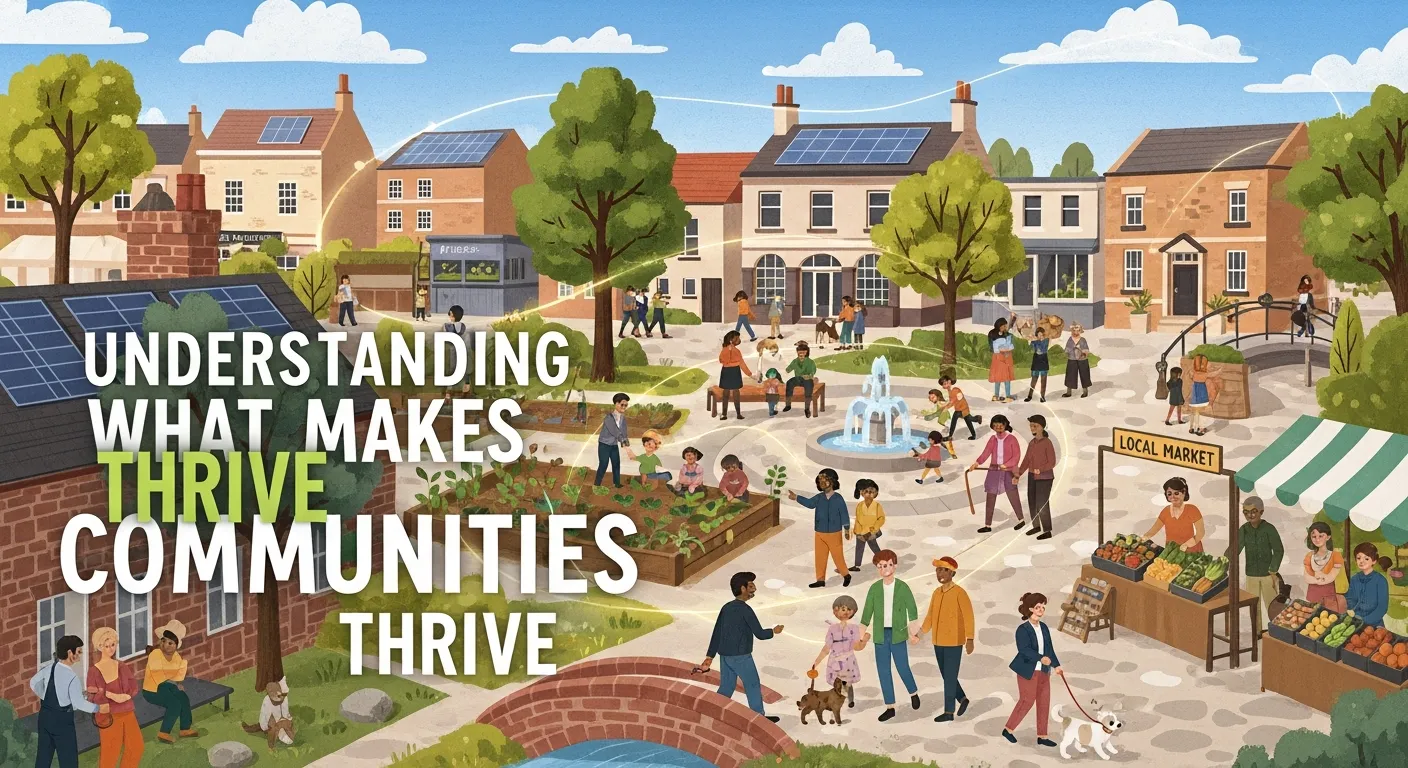
Before diving into tactics, it’s important to understand the fundamental elements that separate thriving communities from those that struggle to gain momentum.
Shared Purpose and Values
Every successful community rallies around a common purpose. Your members need to understand why the community exists and what value it provides. This shared purpose becomes the foundation for all interactions and helps attract the right people to your space.
Active Participation
A thriving community requires more than passive observers. Members should feel encouraged to contribute, share their experiences, and help one another. This active participation creates the dynamic energy that makes communities feel alive and valuable.
Consistent Leadership
Communities need dedicated leaders who set the tone, enforce guidelines, and ensure the space remains welcoming and productive. Your role as a community builder extends beyond simply creating the platform—you must actively nurture and guide the community’s growth.
Identifying Your Ideal Community Members
Building a thriving community starts with understanding exactly who you’re building it for. Generic communities that try to appeal to everyone often end up resonating with no one.
Start by creating detailed profiles of your ideal community members. Consider their:
- Goals and aspirations
- Challenges and pain points
- Current habits and behaviors
- Preferred communication styles
- Values and beliefs
This clarity will inform every decision you make, from choosing the right platform to crafting your community guidelines. An online community for your business should reflect the specific needs and preferences of the people you’re trying to serve.
Choosing the Right Platform for Your Community
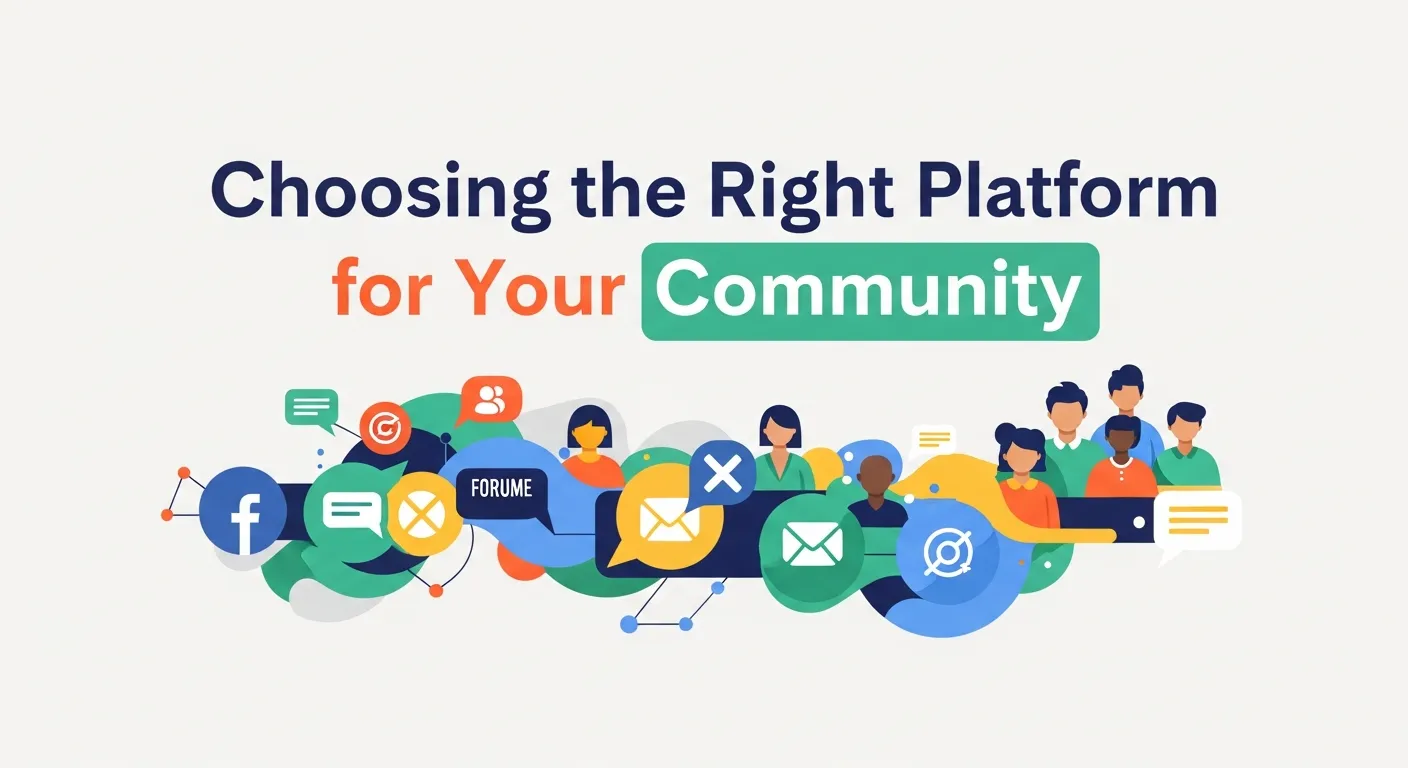
The platform you choose significantly impacts your community’s success. Different platforms offer unique advantages depending on your goals and audience preferences.
Social Media Communities
Creating a thriving community on social media offers immediate access to large audiences. Platforms like Facebook Groups, LinkedIn Groups, and Reddit communities provide built-in discovery features that help new members find you. A thriving community on Twitter can be particularly effective for real-time conversations and quick exchanges, though it requires consistent engagement to maintain momentum.
However, social media platforms come with limitations. You don’t own the platform, algorithm changes can affect your reach, and you’re competing with countless distractions.
Dedicated Community Platforms
Platforms like Slack, Discord, Circle, and Mighty Networks give you more control over the member experience. These spaces feel more intimate and exclusive, which can increase engagement and loyalty. Members who join dedicated platforms typically demonstrate higher commitment levels because they’ve taken an extra step to participate.
Hybrid Approaches
Many successful brands use multiple platforms strategically. They might maintain a thriving community on social media for broad reach and awareness while cultivating a more engaged core community on a dedicated platform. This approach lets you meet members where they are while gradually guiding committed participants toward deeper involvement.
Creating Compelling Community Content
Content serves as the fuel that keeps your community active and engaged. Without consistent, valuable content, even the most well-intentioned communities will stagnate.
Start Meaningful Conversations
Pose questions that encourage members to share their experiences and perspectives. Open-ended questions work better than those with simple yes-or-no answers. Instead of asking “Do you like this feature?” try “How has this feature changed your workflow?”
Share Educational Resources
Position your community as a learning hub where members can develop new skills and knowledge. This might include tutorials, case studies, industry insights, or expert interviews.Educational resources content establishes your community as a valuable resource worth returning to regularly.
Highlight Member Success Stories
Celebrate the wins of community members. These stories inspire others while making featured members feel valued and recognized. Success stories also demonstrate the tangible benefits of community participation, encouraging lurkers to become active contributors.
Create Interactive Experiences
Move beyond static posts with polls, challenges, live Q&A sessions, and collaborative projects. Interactive content transforms passive consumption into active participation, strengthening the bonds between community members.
Establishing Clear Community Guidelines
Every thriving community needs boundaries that protect its culture and ensure positive interactions. Clear guidelines help members understand what’s expected and create a safe environment for authentic engagement.
Your community guidelines should address:
- Acceptable and unacceptable behavior
- Consequences for guideline violations
- How to report problems or concerns
- Expectations around promotional content
- Privacy and confidentiality standards
Make these guidelines easily accessible and reference them when onboarding new members. Consistent enforcement demonstrates that you take community culture seriously and helps maintain the quality of interactions over time.
Fostering Authentic Engagement
Engagement metrics matter, but authentic engagement matters more. A community where members genuinely connect and help one another will always outperform one focused solely on increasing comment counts.
Respond Promptly and Personally
When members post questions or share experiences, respond quickly and authentically. Personal responses from community leaders signal that participation is valued and noticed. This responsiveness encourages others to contribute as well.
Connect Members to Each Other
Your role includes facilitating connections between members who might benefit from knowing each other. Tag relevant members in conversations, introduce people with complementary skills or interests, and create opportunities for direct collaboration.
Recognize and Empower Super Fans
Every community has particularly engaged members who consistently add value. Recognize these super fans publicly and consider giving them special roles or responsibilities. This recognition motivates them while inspiring others to increase their participation.
Leveraging Your Community for Business Growth
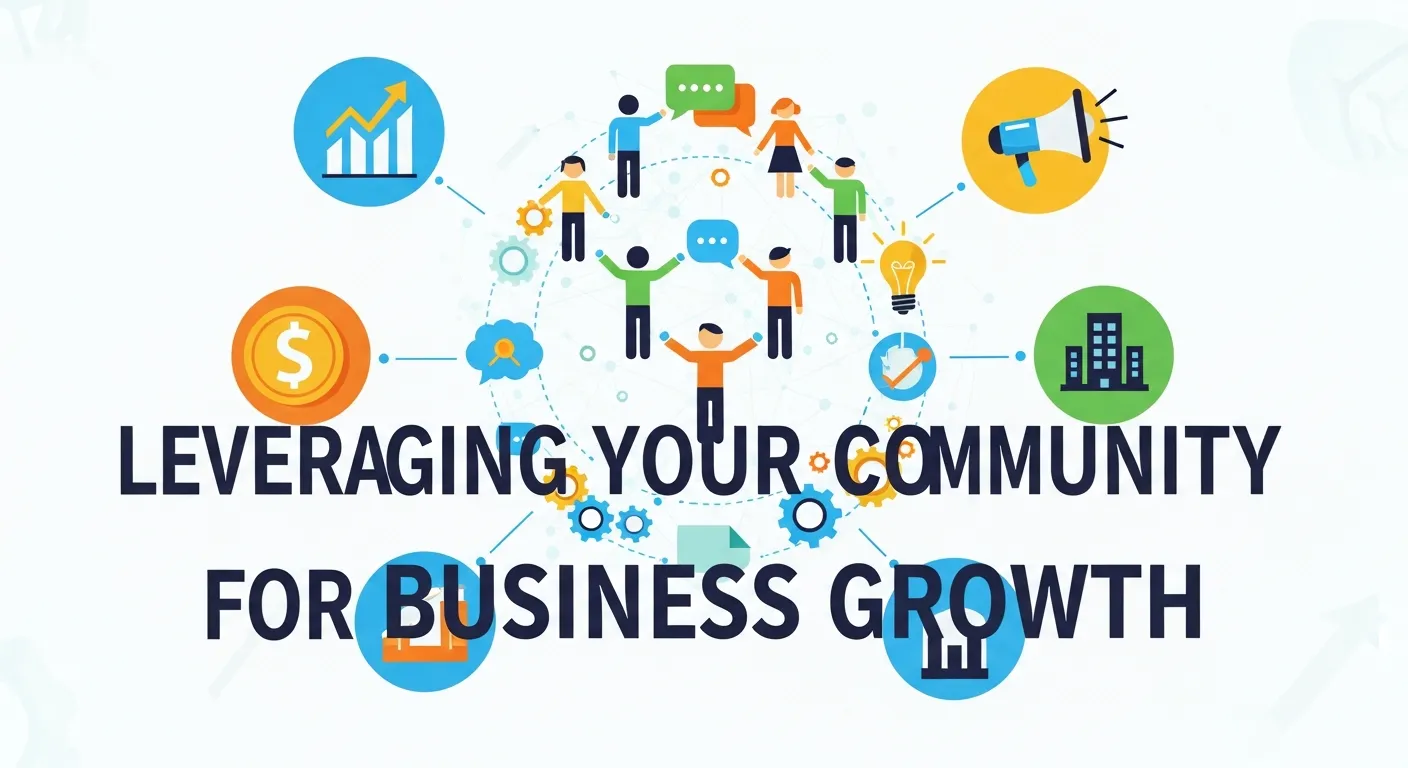
While building genuine relationships should remain your primary focus, a thriving community naturally creates business opportunities when approached thoughtfully.
Generate Quality Leads Online
Community members who experience consistent value become warm leads for your products or services. They’ve already built trust with your brand and understand what you offer. This foundation makes them far more likely to convert than cold prospects reached through traditional advertising.
Rather than aggressive selling, focus on identifying members whose challenges align with your solutions. Offer helpful advice first, and when appropriate, introduce relevant products or services as potential solutions.
Understand Customer Needs Deeply
Your community serves as an ongoing focus group that provides invaluable insights into customer needs, preferences, and pain points. Pay attention to recurring questions, common challenges, and feature requests. This feedback should inform product development, content creation, and business strategy.
Harness the Power of Marketing Impulse Buying
Active communities create social proof and FOMO (fear of missing out) that can trigger marketing impulse buying behaviors. When members see others benefiting from your products or services, they’re more likely to make quick purchasing decisions. Limited-time offers shared exclusively with community members can amplify this effect while rewarding loyal participants.
Turn Members into Brand Advocates
Satisfied community members become your most effective marketers. They recommend your brand organically, defend you against criticism, and create user-generated content that attracts new customers. This authentic advocacy carries far more weight than traditional advertising ever could.
Measuring Community Health and Success
To build a thriving community that continues growing, you need to track the right metrics and adjust your approach based on what the data reveals.
Engagement Metrics
Monitor how actively members participate through metrics like:
- Daily/weekly active users
- Average posts per member
- Response rates to questions
- Time spent in the community
- Member-to-member interactions (versus member-to-brand only)
Growth Metrics
Track both the quantity and quality of new members joining. Rapid growth means little if new members don’t engage or quickly leave.
Sentiment Analysis
Pay attention to the overall tone of community conversations. Are members supportive and positive? Do they express frustration or dissatisfaction? Sentiment shifts can signal emerging issues before they become serious problems.
Business Impact Metrics
Connect community participation to business outcomes like:
- Lead generation from community members
- Conversion rates of community members versus non-members
- Customer lifetime value of active community participants
- Customer support tickets saved through peer-to-peer help
Scaling Your Community Without Losing Intimacy

As your community grows, maintaining the personal touch that made it special becomes increasingly challenging. Successful scaling requires intentional strategies.
Create Subgroups or Channels
Divide your community into smaller, interest-based groups where members can have more focused conversations. This structure helps prevent information overload while allowing people to connect around specific topics.
Develop a Team of Moderators
You can’t personally manage every interaction as your community expands. Recruit trusted members to serve as moderators who can help facilitate discussions, answer questions, and enforce guidelines.
Implement Onboarding Sequences
New members need guidance to become active participants. Create structured onboarding experiences that introduce community norms, highlight valuable resources, and encourage early engagement.
Maintain Regular Touchpoints
Even as you delegate responsibilities, maintain visible presence in your community. Regular touchpoints from leadership remind members that real humans care about their experience and success.
Conclusion: Your Community, Your Competitive Advantage
Learning how to build a thriving community represents one of the most valuable investments you can make in your business. Unlike paid advertising that stops working when you stop spending, communities create compounding returns over time. Each meaningful interaction strengthens relationships, each success story attracts new members, and each loyal advocate extends your reach organically.
The effort required to build a thriving community shouldn’t be underestimated. It demands consistent attention, genuine care for your members, and patience as relationships develop. However, the businesses that commit to this work gain an asset that competitors can’t easily replicate—a group of passionate people who believe in what you’re building and want to see you succeed.
Start small, focus on providing real value, and let your community grow organically from there. Whether you’re cultivating a thriving community on social media or building an online community for your business on a dedicated platform, the principles remain the same: listen to your members, facilitate meaningful connections, and never lose sight of the human relationships at the heart of every successful community.