

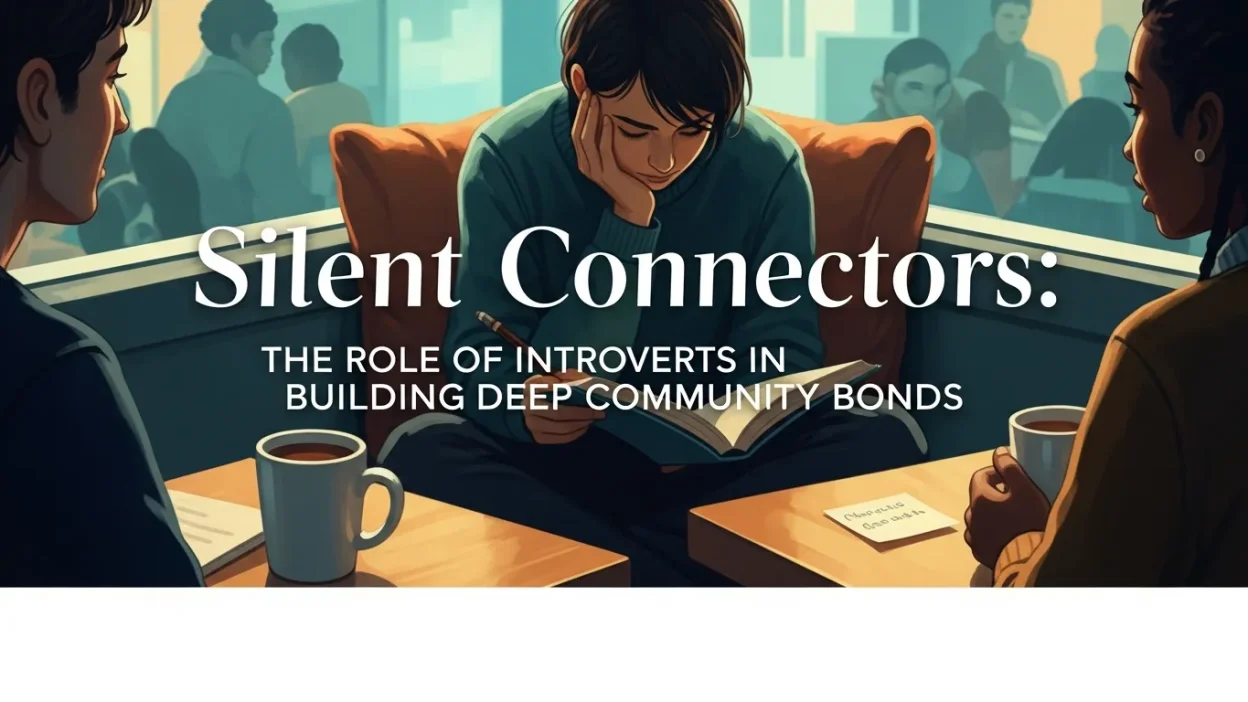
Silent Connectors are introverted community members whose quiet, thoughtful contributions build trust, deepen relationships, and strengthen communities from within. Through deep listening, meaningful one-on-one interactions, observation, reflective spaces, and written communication, they create the invisible scaffolding that supports long-term cohesion and resilience. While often understated, their influence complements extroverted leaders and ensures communities thrive both socially and emotionally.
When we picture community leaders, we often imagine charismatic extroverts commanding attention in crowded rooms. But looking closer reveals another powerful force: the introvert quietly creating deep, lasting bonds.
These silent connectors bring unique strengths to community building that complement and sometimes surpass their more outspoken counterparts.
Deep Listening: The Introvert’s Superpower
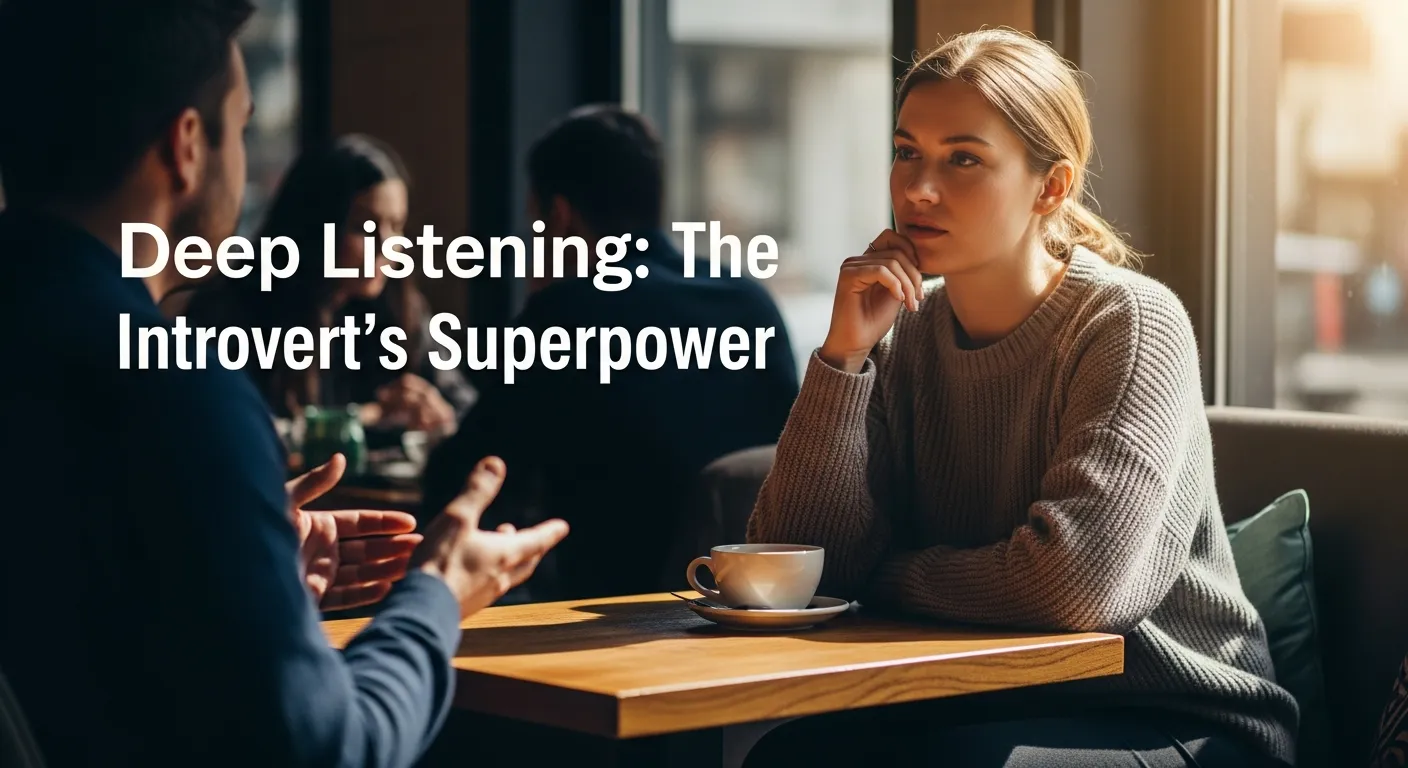
Introverts excel at something increasingly rare in our noisy world – truly hearing others.
This isn’t just casual listening. It’s focused attention that makes people feel genuinely understood and valued.
While extroverts might energize a room with conversation, introverts create safe spaces where vulnerable sharing can happen. This deep listening builds trust – the foundation of any strong community.
Research from Harvard Business Review shows that leaders who listen well foster greater team creativity and engagement. For introverts, this skill often comes naturally.
Silent Connectors: The Quiet Force in Community Building
Silent connectors often fly under the radar, yet they are critical to long-term community resilience. Their ability to notice, listen, and reflect allows them to build strong relational bridges that might go unnoticed in louder spaces.
By focusing on quality interactions rather than quantity, these introverted leaders create networks of trust that hold communities together during times of stress or change. Their contributions are subtle but foundational, providing depth that complements more visible leadership.
Key traits of silent connectors include:
- Attentive listening that validates others’ perspectives
- Thoughtful and selective communication
- Creating safe spaces for reflection and vulnerability
- Observing dynamics others might miss
Quality Over Quantity: The Depth Advantage
Introverts typically prefer fewer, deeper relationships over many casual connections. This preference shapes how they contribute to communities.
Rather than spreading energy thinly across many surface interactions, they invest deeply in meaningful exchanges. This creates strong anchor points within the community fabric.
These substantial relationships often become the sturdy framework that holds communities together through challenges.
How Silent Connectors Build Deep Bonds
Silent connectors thrive in cultivating meaningful one-on-one and small group relationships. They often invest more deeply in fewer interactions, resulting in loyal connections that stabilize the community fabric.
These leaders help integrate different parts of a community by connecting individuals who might not otherwise interact. Their strength lies not in visibility but in weaving a network that supports both the community’s daily life and its long-term resilience.
Ways silent connectors strengthen communities:
- Bridging isolated members to the wider group
- Offering empathetic guidance in private conversations
- Identifying emerging conflicts and resolving them early
- Supporting reflection and learning within teams
Thoughtful Communication That Resonates
When introverts speak up in community settings, people tend to listen. Their contributions carry weight precisely because they’re selective with words.
As Susan Cain explains in her research on introvert strengths, “There’s zero correlation between being the best talker and having the best ideas.” Introverted community members often process deeply before sharing, offering insights that push conversations beyond the obvious.
This thoughtful approach provides balance in community discussions that might otherwise remain shallow or one-sided.
Introverted vs Extroverted Community Leadership

Silent connectors offer unique strengths that complement extroverted leaders. Recognizing these differences allows communities to harness both energies effectively.
| Trait | Extroverted Leaders | Silent Connectors |
|---|---|---|
| Communication | Energetic, verbal, immediate | Thoughtful, selective, reflective |
| Relationship Focus | Broad, surface-level connections | Deep, meaningful bonds |
| Influence Style | Visibility, charisma | Trust, empathy, subtle guidance |
| Conflict Approach | Direct engagement | Observation, mediation, insight |
| Energy Management | Gains energy from group activity | Gains energy from reflection and one-on-one |
Combining both styles creates a balanced, resilient, and adaptive community ecosystem.
Creating Reflective Spaces in Community Life
Every vibrant community needs both action and reflection. Introverts naturally create these reflective spaces.
They remind the group to pause, consider multiple perspectives, and make intentional choices rather than rushing forward. This balanced approach leads to wiser collective decisions and more sustainable community growth.
At BuildBonding we’ve seen how communities thrive when they value both energetic activity and quiet reflection in equal measure.
The Power of Observing and Supporting from the Background
Silent connectors often notice opportunities and challenges before others do. Their observational strengths allow them to act preventively, facilitating smoother interactions and stronger relationships.
By quietly supporting and guiding, they create psychological safety, enabling other members to express themselves freely. In this way, the invisible work of silent connectors ensures long-term cohesion and trust within the community.
Observation-based contributions include:
- Recognizing when someone feels excluded or unheard
- Connecting members with complementary skills or needs
- Flagging potential conflicts before escalation
- Providing guidance or recognition in private settings
The Power of Written Expression
Many introverts excel at written communication, articulating complex ideas with clarity and nuance in community forums, newsletters, or shared resources.
This talent for capturing thoughts in writing creates lasting community artifacts that guide and inspire long after meetings end. It provides another avenue for influence beyond verbal communication.
Where verbal discussions might favor quick thinkers, written exchanges level the field, allowing introverted members to contribute at their best.
Silent Connectors: Leading Through Writing
Silent connectors often excel at written communication, which allows them to share complex ideas thoughtfully without needing to dominate verbal discussions. Community newsletters, forums, or shared documents become platforms where their influence can shine quietly but profoundly.
Through written expression, these leaders create lasting resources that guide, inspire, and unify communities long after meetings or events have ended. This form of contribution allows introverted members to lead on their own terms while amplifying collective understanding.
Ways written communication strengthens communities:
- Documenting decisions and insights clearly
- Crafting thoughtful guidelines for discussion and collaboration
- Sharing resources and reflections that encourage learning
- Ensuring quieter voices are represented in communal knowledge
Meaningful One-on-One Connections
While extroverts might shine in large gatherings, introverts often excel at one-on-one interactions where deeper sharing happens.
These personal connections form crucial bridges between different community segments. Through these individual relationships, introverts weave together diverse elements of the community that might otherwise remain separate.
This network of deep connections often becomes an invisible support structure strengthening the entire community ecosystem.
Bridging Gaps With Personal Relationships
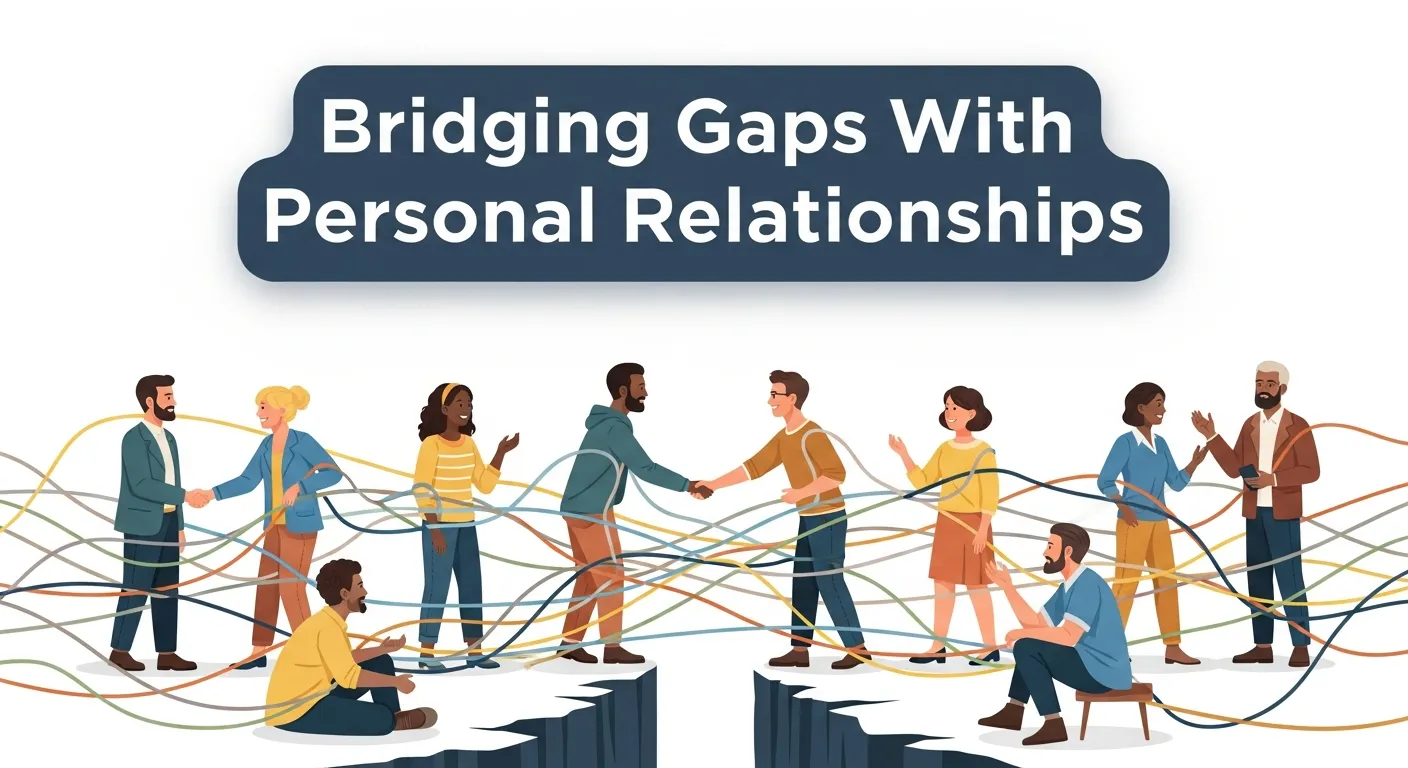
Silent connectors often specialize in one-on-one or small group interactions, connecting people who might otherwise remain isolated. These relationships form invisible scaffolding that strengthens the community’s resilience and cohesion.
By focusing on personal engagement, they also detect potential conflicts early, support members through challenges, and foster trust that spreads throughout the larger group.
Benefits of one-on-one engagement include:
- Building trust between diverse community members
- Smoothing potential tensions before they escalate
- Strengthening loyalty and engagement within the group
- Creating channels for mentorship and guidance
The Observation Advantage
Introverts tend to notice what others miss. Their observant nature helps them identify both problems and opportunities before they become obvious.
This awareness allows them to connect people with complementary needs or skills, facilitate resolutions to emerging conflicts, and identify members who need extra support or recognition.
These quiet observations often prevent problems before they develop, a valuable but easily overlooked contribution to community health.
How Silent Connectors Complement Extroverts
Silent connectors and extroverts often form complementary partnerships in community leadership. Recognizing and leveraging these differences ensures that both bold action and quiet reflection are represented.
| Leadership Quality | Extroverts | Silent Connectors |
|---|---|---|
| Energy Source | Group interaction | Reflection and one-on-one |
| Influence Style | Visibility and charisma | Trust and empathy |
| Communication | Spontaneous, verbal | Thoughtful, written or verbal |
| Conflict Resolution | Direct engagement | Mediation, observation, insight |
| Network Approach | Broad connections | Deep, meaningful bonds |
By combining both leadership styles, communities maintain balance, adaptability, and sustainable growth.
Authenticity That Inspires Trust
In a world of personal branding and carefully curated images, the introvert’s tendency toward authenticity stands out.
Most introverts find maintaining false fronts exhausting. Their genuine presence creates space for others to show up authentically too, building a community culture of honesty and trust.
This authenticity creates psychological safety – which research from Google’s Project Aristotle identified as the most important factor in effective teams.
Harnessing the Strength of Silent Connectors
Communities that value silent connectors benefit from stronger relational networks, enhanced psychological safety, and thoughtful decision-making. Recognizing these quiet contributions allows introverted members to lead in ways that suit their strengths.
By creating systems that support both silent and vocal contributors, communities maximize collective intelligence and resilience. Silent connectors remind us that leadership is not always loud—but it is always impactful.
Balancing Community Energy
Healthy communities need both introverted and extroverted energies. They need people who can spark excitement and others who can deepen connections.
The strongest communities recognize and value both styles equally, creating systems that harness the strengths of each while supporting their different needs.
By appreciating the quiet connectors among us, communities gain access to deeper bonds, more thoughtful decisions, and a balanced approach to growth and sustainability.
The next time you notice someone listening intently instead of speaking up, remember – they might be doing some of the most important community building work of all.
Empowering Silent Connectors for Lasting Impact

To fully benefit from silent connectors, communities must intentionally provide spaces and opportunities that match their strengths. When introverted leaders are empowered to lead quietly, their influence strengthens the community’s foundation.
Communities that recognize and celebrate both visible and invisible contributions achieve better cohesion, more thoughtful decisions, and deeper belonging. Supporting silent connectors is not optional—it’s essential for long-term sustainability.
Ways to empower silent connectors:
- Offering platforms for written contributions or small group facilitation
- Valuing listening, reflection, and observation as leadership traits
- Creating mentoring and support systems for introverted members
- Encouraging recognition of subtle yet meaningful contributions
Warm-Up
Not all leadership is loud, and not all impact is visible. Silent Connectors demonstrate that listening, observing, and thoughtful engagement can be as powerful as charisma and verbal influence. By valuing and empowering these quiet contributors, communities foster inclusivity, trust, and sustainable growth. The next time you notice someone quietly supporting, reflecting, or connecting others, recognize that they are often the heartbeat of your community.
FAQs: Silent Connectors
1. Who are Silent Connectors?
Silent Connectors are introverted community members who build trust, cohesion, and resilience through quiet, thoughtful actions rather than overt, visible leadership. Their influence often operates behind the scenes, creating a strong foundation for long-term community health.
2. Why are Silent Connectors important?
They strengthen the community’s social fabric by fostering deep relationships, creating psychological safety, and bridging gaps between members who might otherwise remain disconnected. Their presence ensures the community is inclusive and stable, even during challenges.
3. What makes Silent Connectors effective leaders?
Their strengths include deep listening, careful observation, meaningful one-on-one engagement, thoughtful communication, and consistent, supportive actions. These traits allow them to lead subtly but powerfully, often guiding outcomes without dominating discussions.
4. How do Silent Connectors build trust?
By creating safe spaces for vulnerability, validating others’ perspectives, honoring commitments, and following through on their promises, Silent Connectors cultivate trust that sustains relationships and encourages active participation across the community.
5. Can Silent Connectors influence communities without speaking much?
Yes. They exert influence through observation, connecting members individually, modeling authenticity, and contributing through written communication. Their quiet approach often results in meaningful impact that extends far beyond visible leadership roles.
6. What role does deep listening play for Silent Connectors?
Deep listening allows Silent Connectors to fully understand members’ needs, concerns, and emotions. By truly hearing others, they uncover hidden issues, facilitate solutions, and strengthen bonds that support collaboration and conflict resolution.
7. How do Silent Connectors use written communication?
They articulate complex ideas clearly in newsletters, forums, shared documents, or community guidelines. This creates lasting knowledge, ensures quieter voices are represented, and provides resources that guide, inspire, and unify members long after live discussions end.
8. How do Silent Connectors complement extroverted leaders?
While extroverted leaders energize groups and spark visible engagement, Silent Connectors deepen relationships, provide reflective balance, and ensure cohesion. Together, both styles create a complementary leadership ecosystem that balances visibility with depth.
9. Why are one-on-one interactions important for Silent Connectors?
Personal interactions allow them to bridge divides, foster loyalty, prevent conflicts, and support members individually. These small but intentional connections often stabilize the community and promote engagement that large-group interactions alone cannot achieve.
10. What is the observation advantage of Silent Connectors?
They notice subtle dynamics, emerging conflicts, or unmet needs that might go unseen by others. This insight allows them to proactively address challenges, connect members strategically, and maintain harmony across the community.
11. How does authenticity enhance the impact of Silent Connectors?
Their genuine presence encourages psychological safety, inspires trust, and models authenticity for others. By being real rather than performative, they set a standard for honest, open engagement that strengthens the community culture.
12. How can communities support Silent Connectors?
Communities can support them by valuing quiet contributions, creating reflective spaces, encouraging written input, providing opportunities for mentorship, and balancing both introverted and extroverted leadership roles to maximize collective intelligence.
13. What long-term impact do Silent Connectors have on communities?
Over time, Silent Connectors help establish durable relational networks, enhance psychological safety, and create resilient community structures. Their consistent, thoughtful engagement often becomes the backbone that ensures communities endure and thrive.
14. Can anyone develop Silent Connector qualities?
Yes. While naturally introverted individuals often exhibit these traits, anyone can cultivate deep listening, reflective observation, thoughtful communication, and one-on-one engagement skills to strengthen their community impact.