
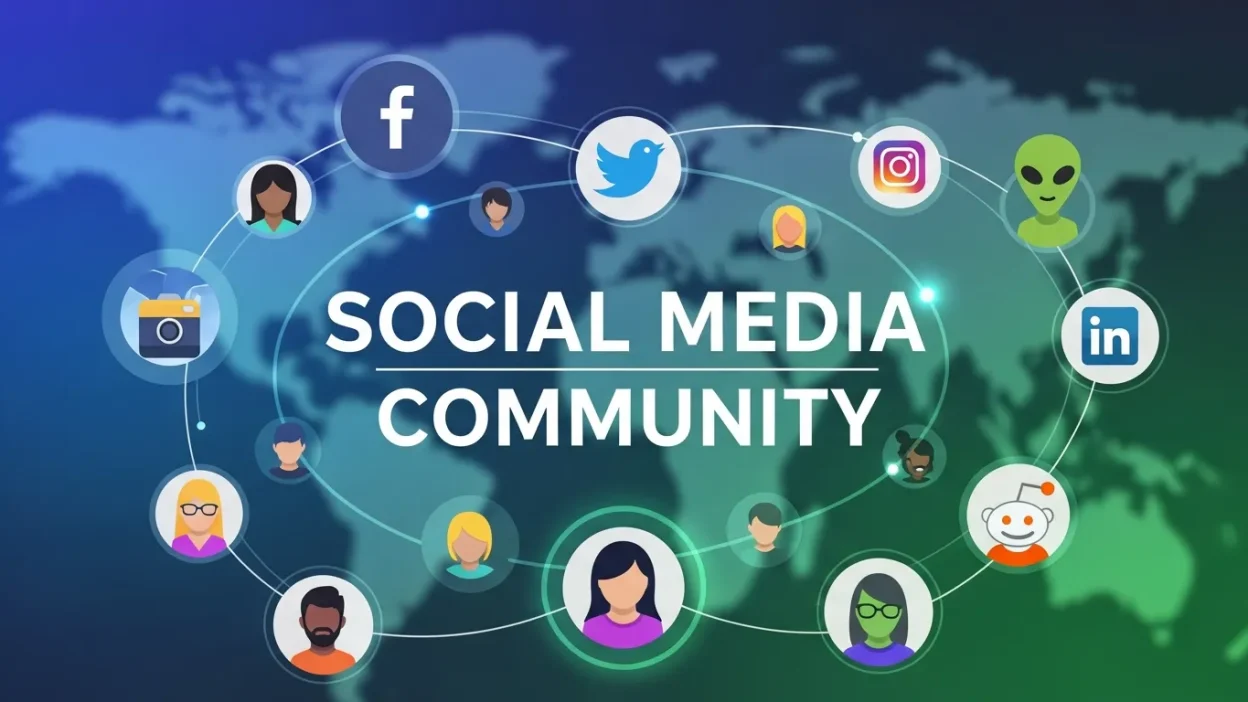
A social media community brings people together around shared interests, values, or goals through meaningful interaction and collaboration. From brand-led groups to interest-based and creator-driven spaces, these communities foster engagement, trust, knowledge sharing, and long-term relationships. When built with a clear purpose, authentic engagement, and consistent value, social media communities can benefit individuals and businesses alike.
Social media communities are thriving hubs of engagement, collaboration, and shared purpose. Whether you’re a casual internet user or a brand hoping to connect with your target audience, social media community can provide a sense of belonging, foster valuable conversations, and even drive business success. But what do these communities look like, and what makes them work?
Defining a Social Media Community
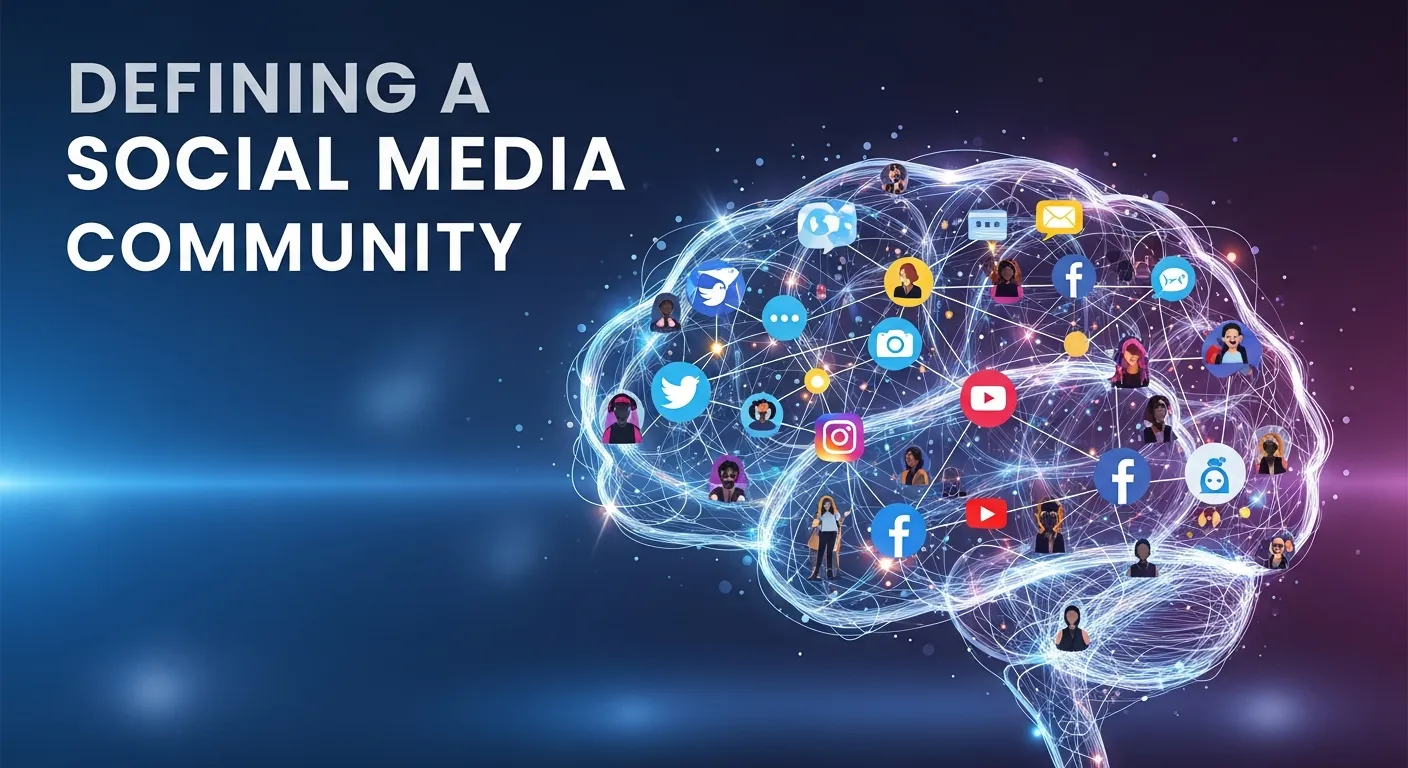
Before exploring specific examples, it’s important to clearly understand what a social media community is. At its core, a social media community is a group of individuals who consistently interact and engage with one another around shared interests, goals, values, or experiences through a social media platform. Unlike casual social media use—where interactions are often brief or one-sided—communities are built on deeper engagement, ongoing conversations, and meaningful relationships.
Within a social media community, members actively participate by sharing content, exchanging ideas, offering support, and responding to one another. This ongoing interaction helps create trust, connection, and a strong sense of belonging. Over time, these communities develop their own culture, norms, and shared identity.
Social media communities can take many forms. Some are brand-centered, such as a fitness or lifestyle brand nurturing a group of loyal customers who motivate and support each other. Others form organically around shared passions, like book clubs, food lovers, travel enthusiasts, or professional interest groups. Regardless of their structure, successful social media communities thrive on participation, mutual respect, and a shared purpose that keeps members engaged and connected over the long term.
Benefits of Joining a Social Media Community
Joining a social media community offers far more than casual interaction—it provides meaningful value for individuals, creators, and brands alike. Active participation transforms a simple platform into a space for growth, learning, and connection. Whether you’re seeking knowledge, support, or professional networking, communities offer benefits that go beyond what a typical social media feed can provide.
Key Benefits Include:
- Stronger Relationships: Regular interaction allows members to build trust, form friendships, and establish long-term connections with like-minded people, whether locally or globally.
- Access to Shared Knowledge: Communities serve as learning hubs where members exchange tips, advice, experiences, and industry insights, helping each other solve problems or gain new skills.
- Increased Engagement: Interactive discussions, polls, challenges, live sessions, and collaborations keep members actively involved and foster a sense of belonging.
- Brand Loyalty: For businesses, a vibrant social media community strengthens loyalty by allowing direct engagement with customers, offering support, and creating advocates who share positive experiences.
- Personal Empowerment: Being part of a community empowers individuals to voice opinions, share expertise, and contribute to collective goals, boosting confidence and motivation.
- Opportunities for Collaboration: Members can join forces on projects, campaigns, or initiatives, which can lead to professional growth, partnerships, or creative achievements.
- Emotional Support and Belonging: Especially in interest-based or cause-driven communities, members often find mentorship, empathy, and emotional encouragement, which enhances overall well-being.
A well-managed social media community doesn’t just retain members—it transforms passive followers into active participants who contribute, engage, and grow together. This engagement not only strengthens the community but also enriches the experience for everyone involved.
Examples of Thriving Social Media Communities
Here are three outstanding examples of social media communities that have garnered attention for their high levels of engagement and impact:
1. Peloton on Facebook
Peloton is more than just an exercise equipment company; it’s a social community built around shared fitness goals. Their Facebook group, “Official Peloton Member Page,” boasts over 400,000 members and serves as a gathering space for Peloton users.
Why It Works:
- Shared Purpose: Members unite through a common mission to stay fit and motivated.
- Engagement-Driven Content: Members post workout milestones, share encouragement, and celebrate achievements together.
- Brand Integration: Peloton trainers, social media managers, and other team members occasionally interact with users, making the community feel authentic and supported.
Takeaway for You:
Brands can cultivate meaningful connections when they provide a sense of belonging and ensure regular interaction with the community’s goals.
2. r/aww on Reddit
A prime example of an organic and interest-driven community, r/aww on Reddit is dedicated to sharing adorable animal pictures and videos. With over 33 million members, this group thrives because of its universal appeal and consistent stream of light-hearted content.
Why It Works:
- Simplicity: The concept is straightforward and highly relatable.
- Curated by Members: The community thrives on user-generated content that’s inherently engaging.
- Feel-Good Factor: The focus on positivity and entertainment makes it addictive.
Takeaway for You:
Communities that tap into universal human emotions, like joy or humor, naturally attract a wide and loyal base.
3. #ShareYourEars by Disney on Instagram
Disney launched the #ShareYourEars campaign on Instagram to encourage fans to post photos wearing Mickey Mouse ears. For each post, Disney donated funds to the Make-A-Wish Foundation. This campaign quickly turned into a social media movement and showcased the strength of their community.
Why It Works:
- Strong Identity: Disney fans already share a strong emotional attachment to the brand.
- Purpose-Driven: Aligning with a charitable cause amplified the drive for participation.
- Visual Appeal: Instagram is the perfect platform for eye-catching, shareable content.
Takeaway for You:
Aligning your community with a meaningful purpose or cause can rally members around impactful action while building positive sentiment for your brand.
Different Types of Social Media Communities
Not all social media communities function the same way. Understanding the different types can help you identify which model best fits your goals.
Common types of social media communities include:
- Brand Communities: Built around a company or product (e.g., Peloton, Nike)
- Interest-Based Communities: Focused on hobbies or passions like books, fitness, or travel
- Professional Communities: Centered on careers, skills, and networking (e.g., LinkedIn groups)
- Cause-Driven Communities: United by social, environmental, or charitable causes
- Creator-Fan Communities: Built around influencers, artists, or content creators
Each type requires a unique engagement strategy but shares the same foundation—connection and shared purpose.
Comparison of Social Media Community Types
| Community Type | Primary Purpose | Best Platforms | Engagement Style |
|---|---|---|---|
| Brand Community | Loyalty & advocacy | Facebook, Instagram | Discussions, challenges |
| Interest-Based Community | Shared passions | Reddit, Discord | User-generated content |
| Professional Community | Networking & learning | Advice, resources | |
| Cause-Driven Community | Awareness & action | Instagram, Twitter | Campaigns, storytelling |
| Creator Community | Fan engagement | YouTube, TikTok | Comments, live sessions |
What Makes a Social Media Community Successful?
While each community is different, successful ones often share common traits:
1. Clear Purpose
Members need to know why they’re joining. Whether it’s to exchange ideas, access resources, seek encouragement, or simply have fun, a clear purpose attracts the right people.
2. Authentic Engagement
Generic posts don’t build a thriving community. Members want authentic interactions, be it from fellow community members or the brand hosting the group. Genuine empathy, responsiveness, and consistency create trust and loyalty.
3. User-Generated Content
The most successful communities empower their members to actively contribute. This could mean creating posts, sharing achievements, or providing advice within the group.
4. Valuable Content
Communities thrive when they are spaces of value. Peloton, for example, keeps members coming back with motivational content, shared challenges, and personalized support. Value can take many forms, including entertainment, education, or exclusive perks.
5. Moderation and Respect
Communities can’t flourish in chaos. Moderation ensures that conversations stay constructive, respectful, and aligned with the shared purpose.
Challenges of Managing a Social Media Community
While building a social media community is rewarding, it also comes with challenges that require careful handling.
Common challenges include:
- Maintaining Engagement: Keeping members active over time can be difficult.
- Moderation Issues: Managing conflicts, spam, or negative behavior is essential.
- Content Consistency: Communities lose momentum without regular, valuable content.
- Scalability: As communities grow, personalization becomes harder.
- Burnout: Community Engagement by Active Members may experience fatigue.
Recognizing these challenges early helps maintain a healthy and sustainable community.
How You Can Build a Social Media Community
Thinking about building your own social media community? Here are a few actionable steps to get started:
Define Your Purpose: Ask yourself, “What kind of experience will my community offer, and who is it for?” Identifying your ideal audience and vision lays the foundation for engagement.
Choose the Right Platform: Each platform has its strengths. Facebook Groups are great for ongoing discussions, while Reddit thrives with niche interests. Instagram and TikTok excel in visual storytelling.
Provide Value from Day One: Don’t wait for the community to grow to start offering insight or perks. From opening day, include useful content, expert interactions, and resources.
Encourage Participation: Incentivize user contributions. This could mean hosting polls, asking questions, or featuring community members in spotlight posts.
Foster a Positive Environment: Ensure rules are in place to encourage respect and inclusivity. A safe, supportive space will always attract higher-quality interactions.
Remain Consistent: Building a community takes time. Engage regularly, respond promptly, and measure growth to ensure longevity and relevance.
How Brands Measure Social Media Community Success
To grow a sustainable social media community, it’s important to track performance beyond follower counts.
Key metrics include:
- Engagement Rate: Likes, comments, shares, and discussions
- Active Members: Users who consistently participate
- Retention Rate: Members who stay active over time
- Sentiment Analysis: Tone and positivity of interactions
- Community Growth: New members joining organically
Tracking these metrics ensures your social media community remains valuable and aligned with its purpose.
Conclusion
A strong social media community goes far beyond likes, shares, or follower counts—it is built on genuine connection, active participation, and a shared sense of purpose. Successful communities create spaces where people feel heard, valued, and motivated to engage, whether they are individuals seeking connection or brands aiming to build meaningful relationships with their audiences.
By focusing on authentic interaction, consistent value, and inclusivity, social media communities can foster trust, loyalty, and long-term engagement. They encourage collaboration, spark meaningful conversations, and transform passive audiences into active contributors. In an ever-evolving digital landscape, communities that prioritize people over metrics will not only grow but thrive, creating lasting impact for members and organizations alike.
12 FAQs on Social Media Community
1. What is a social media community?
A social media community is a group of people who regularly interact on social platforms around shared interests, goals, or values, forming ongoing relationships rather than one-time interactions.
2. Why is a social media community important?
It builds trust, encourages meaningful engagement, supports collaboration, and creates a strong sense of belonging among members, making online interactions more purposeful.
3. How is a social media community different from regular followers?
Followers mostly consume content passively, while community members actively participate by commenting, sharing ideas, supporting others, and contributing content.
4. Which platforms are best for building a social media community?
Popular platforms include Facebook Groups, Reddit, Discord, Instagram, TikTok, YouTube, and LinkedIn, each offering unique tools for discussion and engagement.
5. Can brands benefit from a social media community?
Yes. Brands use communities to build loyalty, collect feedback, offer customer support, strengthen relationships, and drive long-term engagement beyond promotions.
6. What makes a social media community successful?
A clear purpose, authentic engagement, user-generated content, consistent value delivery, and fair moderation are key to sustaining a thriving community.
7. Are social media communities only for businesses?
No. Individuals, content creators, educators, nonprofits, and hobbyists also build communities to share knowledge, collaborate, and connect with like-minded people.
8. How can I grow my social media community?
Growth comes from providing value, encouraging participation, posting consistently, listening to members, and fostering a positive, inclusive environment.
9. What role does user-generated content play in communities?
User-generated content boosts engagement, builds authenticity, and makes members feel recognized and invested in the community’s success.
10. Are social media communities safe?
Most platforms offer moderation tools and guidelines, but members should practice digital safety, respect boundaries, and report harmful behavior when necessary.
11. What challenges do social media communities face?
Common challenges include maintaining engagement, handling conflicts, managing content fatigue, scaling interactions, and preventing community burnout.
12. What is the future of social media communities?
The future points toward niche micro-communities, AI-driven personalization, immersive experiences like AR/VR, and seamless cross-platform community integration.