
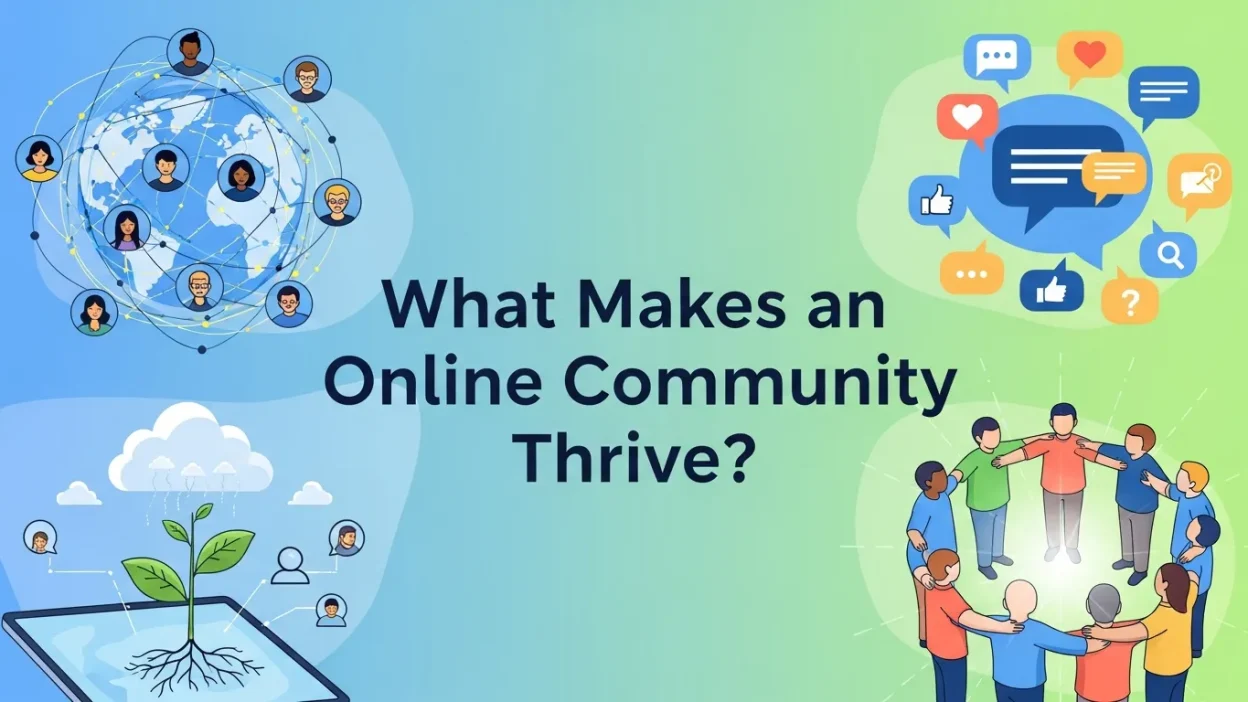
An online community thrives when it fosters meaningful connections, provides value, and encourages active engagement. Key factors include a clear purpose, strong leadership, user-friendly platforms, authentic member interaction, consistent content, and inclusivity. Successful communities support learning, innovation, professional networking, social advocacy, and emotional support. By focusing on these principles, an online community can thrive, grow sustainably, and become a dynamic digital ecosystem where members feel valued, connected, and empowered.
The internet has transformed the way people connect and interact. From hobbyists flocking to forums to brand enthusiasts bonding over shared experiences, online communities have become pivotal spaces for connection, collaboration, and even innovation. But what makes an online community successful? Why do some thrive with active and engaged members while others fade into oblivion?
Defining an Online Community
An online community isn’t just a group of people posting on the same platform; it’s a digital gathering of individuals bound by a shared purpose or interest. These communities come in many forms, from social media groups to dedicated forums and membership sites. Their purpose is to provide members with a sense of belonging, a safe space to share ideas, and a platform to collaborate or learn.
Examples of successful online communities include:
- Reddit: A massive network of niche communities, or “subreddits,” that cater to nearly every interest imaginable.
- LinkedIn Groups: Industry-specific spaces for professionals to exchange insights, resources, and opportunities.
- Strava: A go-to community for fitness enthusiasts, centered around sharing running and cycling achievements.
But these communities didn’t gain traction overnight. They succeed because of some core principles that form the backbone of a thriving online community. Read More about Measuring Community Success
Key Elements That Help an Online Community Thrive
For an Online Community to Thrive, it’s not enough to just gather members; there must be a strong foundation of purpose, engagement, and management. Successful communities share several common characteristics that ensure longevity and value.
Core elements include:
- Shared Purpose: Clear goals give members a reason to participate and return. Communities thrive when members feel aligned with the group’s mission.
- Engaged Leadership: Moderators and community managers foster interaction, enforce rules, and guide discussions.
- User-Friendly Platforms: Easy-to-use interfaces encourage participation and reduce barriers for new members.
- Authentic Engagement: Members feel a sense of connection, sharing experiences and ideas genuinely.
- Consistent Content: Regular updates and discussions maintain momentum and keep the community active.
- Inclusivity and Respect: Safe, respectful spaces encourage participation from a diverse audience.
Communities that embrace these principles consistently see higher retention rates, active discussions, and meaningful connections.
Characteristics of a Strong Online Community
Strong online communities don’t just happen by chance. They share common attributes that ensure sustained engagement and value to their members.
Shared Purpose and Value
Every online community needs a clear purpose that resonates with its members. Why does this space exist? What value does it deliver? Clear answers to these questions attract the right audience and build loyalty among members.
For example:
- Communities like Mumsnet have a crystal-clear purpose of supporting parents with advice and resources.
- Professional groups like MOZ’s SEO community have a shared goal of helping members master search engine optimization techniques.
Active and Engaged Leadership
Leadership plays a crucial role in nurturing an online space. Community managers or moderators are often the unsung heroes of successful communities. They set the tone, enforce guidelines, and encourage meaningful participation.
For instance:
- r/AmItheAsshole, a popular subreddit, thrives because of consistent, transparent moderation.
- Discord servers often succeed when admins organize events, foster collaborations, and engage directly with members.
User-Friendly Platforms
The technology behind a community is equally important. A poorly designed user interface will discourage users, no matter how great the content. Ease of use, mobile compatibility, and community-specific features are key.
Examples of user-friendly platforms include:
- Slack: Intuitive chat features make it a go-to for workplace and niche communities alike.
- Reddit: Its simple design caters to all types of users, whether lurkers or active posters.
Authentic Engagement Among Members
A strong online community thrives on authentic conversations and relationships. Members should feel compelled to connect with one another, not just consume or post content. When personal bonds start forming, you know your community is successful.
Consistency in Content and Interaction
Content is the lifeblood of online communities. Timely, relevant, and engaging content helps maintain the community’s heartbeat. Regular content fosters continuous discussions, while sporadic updates can push users away.
For instance:
- A fitness group might post daily challenges.
- A professional forum might host weekly expert Q&As.
Inclusivity and Respect
Successful communities are inclusive and respectful. Members feel safe expressing their opinions without fear of harassment or discrimination. Clear community guidelines and strong moderation are essential for fostering this environment.
Best Practices to Ensure Your Community Thrives
An Online Community can Thrive when managers combine strategy with authentic engagement. Practical steps include:
- Identify Your Niche and Audience: Know your target members and their shared interests to attract engaged participants.
- Choose the Right Platform: Match your community’s needs with a platform that supports discussions, events, or content sharing.
- Create Clear Guidelines: Establish rules to maintain a safe and respectful environment.
- Encourage Member Interaction: Use polls, challenges, or discussions to promote meaningful participation.
- Leverage Content: Post tutorials, member spotlights, and interactive events to keep members engaged.
- Seek Feedback: Regularly ask members how the community can improve.
- Focus on Long-Term Growth: Celebrate milestones, adapt to member needs, and reward loyalty for sustained engagement.
Following these practices ensures your community remains vibrant, purposeful, and member-focused.
Best Practices for Building an Online Community
If you’re planning to build your online community, these best practices serve as cornerstones for success:
1. Identify Your Niche and Audience
Understand the audience you want to engage with and their shared interests. A well-defined niche ensures your community will attract like-minded individuals who genuinely care about its purpose.
Ask yourself:
- Who is my ideal community member?
- What problem or gap will my community address?
2. Choose the Right Platform
Selecting the right platform is critical. Would your audience prefer a social media group, a self-hosted forum, or a collaboration app like Slack or Discord? Match the platform’s capabilities with your audience’s preferences.
3. Craft Clear Community Guidelines
Set expectations early. What behaviors are encouraged? What actions could lead to removal? Transparent guidelines ensure that members respect the space and each other.
4. Foster Member Interaction
Encourage members to engage with each other (not just the moderators). Use polls, challenges, discussions, or interactive events to create a lively atmosphere.
5. Leverage Content to Spark Engagement
Post regular, high-value content like:
- How-to guides or tutorials
- Behind-the-scenes insights
- Member spotlights – highlighting contributions from active members
- Events like Q&A sessions or live chats
6. Actively Seek Feedback
Ask your members how the community is serving them. Use surveys, direct conversations, or feedback tools to improve the experience continually.
7. Focus on Long-Term Community Growth
Communities are not built overnight. Invest time and effort into growing and nurturing your audience. Celebrate milestones, adapt to member needs, and reward loyalty.
Lessons from Successful Communities
Looking at thriving online communities helps us learn what works:
- LEGO Ideas engages a passionate user base by inviting members to share innovative building ideas.
- Peloton’s Digital Community keeps members motivated through fitness challenges and a strong sense of camaraderie.
- Notion’s Ambassadors Program empowers dedicated users to share tips, assist newcomers, and create informative content.
These examples prove that purpose, engagement, and adaptability are the trifecta of thriving online spaces.
Online Community Thrive: Summary Table
| Element | Purpose | Example |
|---|---|---|
| Shared Purpose | Aligns members around a common goal | LEGO Ideas, MOZ SEO Community |
| Leadership | Guides discussion, enforces rules | r/AmItheAsshole Moderators, Discord Admins |
| User-Friendly Platform | Encourages participation | Reddit, Slack, LinkedIn Groups |
| Authentic Engagement | Fosters meaningful relationships | Peloton Digital Community |
| Consistent Content | Maintains momentum and activity | Fitness Challenges, Weekly Q&As |
| Inclusivity & Respect | Ensures safety and diversity | Community Guidelines & Moderation |
This table highlights the key pillars required for an online community to thrive, providing a quick reference for building or improving digital spaces.
Building a Community That Lasts
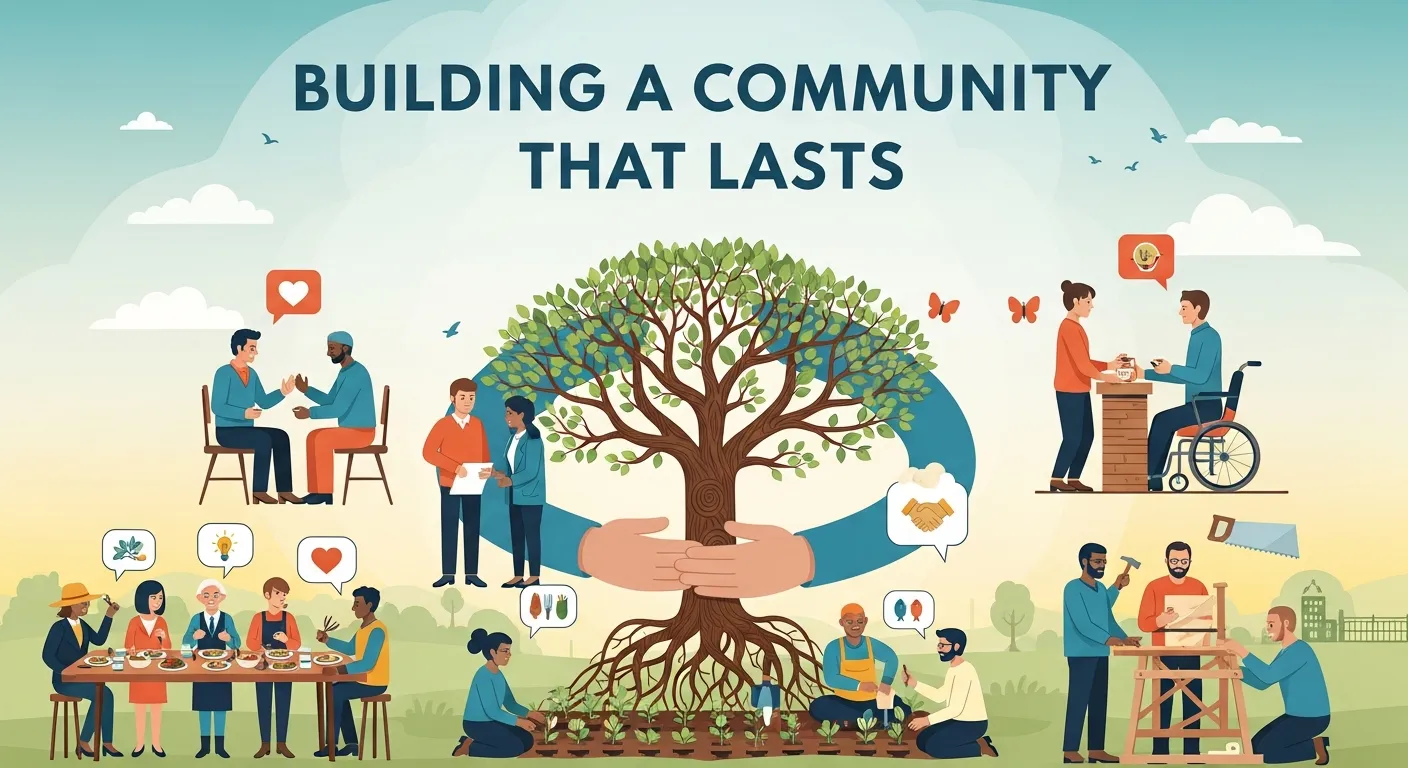
An online community isn’t just a social space; it’s a dynamic ecosystem that meets its members’ personal, professional, or recreational needs. By creating a sense of belonging, focusing on authentic engagement, and fostering shared goals, your community can achieve sustainable growth and relevance.
Remember, building a community is an ongoing process. With regular effort and genuine care, you can create an online space where members return not out of habit but because they truly value what you offer.
If you’re ready to start your own online community or refine an existing one, begin by identifying shared goals and creating clear guidelines. Your thriving community is waiting to take shape!
Final Thoughts on Helping an Online Community Thrive
An Online Community Thrive when its members feel valued, connected, and empowered. The most successful communities focus on clear purpose, consistent engagement, and active leadership. By combining these principles with inclusive practices and meaningful content, communities don’t just survive—they flourish.
Remember: building a thriving online community is an ongoing effort. Engagement, feedback, and adaptation are continuous processes. With patience and care, any community can evolve into a dynamic, supportive, and Digitalization for Sustainability
FAQs: Online Community Thrive
1. What does it mean for an online community to thrive?
An online community thrives when it consistently engages its members, encourages meaningful interactions, and provides value that keeps people returning. Thriving communities have a sense of purpose, a supportive environment, and active participation, making members feel connected, informed, and empowered within the digital space.
2. Why is it important for an online community to thrive?
Thriving communities go beyond casual interaction. They foster learning, collaboration, emotional support, professional networking, innovation, and social advocacy. A thriving online community creates lasting benefits for its members by building trust, encouraging shared growth, and amplifying collective voices in ways offline spaces cannot match.
3. What are the key factors for an online community to thrive?
Several factors are essential for an online community to thrive:
-
Shared Purpose: Members understand the community’s goals and mission.
-
Engaged Leadership: Moderators and managers actively guide discussions and maintain focus.
-
Authentic Interaction: Members communicate genuinely and meaningfully.
-
User-Friendly Platforms: Technology supports easy participation and accessibility.
-
Consistent Content: Regular updates, discussions, or events maintain engagement.
-
Inclusivity: Safe, welcoming spaces encourage diverse perspectives and active involvement.
4. How does leadership impact online community thrive?
Leadership is critical. Effective moderators or community managers guide conversations, enforce rules, mediate conflicts, and motivate members to participate. Their active involvement sets the tone for behavior and engagement, ensuring the community remains focused, productive, and welcoming.
5. How do members contribute to an online community thriving?
Members play a central role in a community’s success. By sharing knowledge, offering advice, engaging in discussions, and supporting fellow members, they create a collaborative environment. Active participation strengthens the community’s sense of belonging and encourages continuous growth, making the space valuable for everyone involved.
6. What role does content play in an online community thrive?
Content is the backbone of any thriving community. High-quality, relevant, and consistent content encourages members to return, engage, and contribute. This can include tutorials, discussion prompts, member spotlights, events, or challenges. Well-curated content fuels conversations and builds the community’s identity and momentum.
7. How does inclusivity help an online community thrive?
Inclusivity ensures that all members, regardless of background, feel safe and welcome. It promotes diversity of thought, fosters collaboration, and prevents discrimination or harassment. Inclusive communities encourage broader participation, which enhances engagement, strengthens trust, and ensures the community’s long-term sustainability.
8. How do online communities thrive professionally?
Professional online communities provide networking, mentorship, career advice, skill-building opportunities, and access to industry-specific knowledge. Platforms like LinkedIn groups or specialized Slack communities allow members to connect with experts, exchange ideas, track trends, and collaborate on projects, enabling professional growth and advancement.
9. Can online communities thrive without a clear purpose?
No. A community without a clear mission or goal struggles to attract and retain members. Purpose provides direction, aligns participants around shared interests, and motivates engagement. When members understand the community’s value and objectives, they are more likely to participate actively, helping the community thrive.
10. How can technology support an online community thriving?
Technology is a key enabler for thriving online communities. Platforms that are user-friendly, mobile-compatible, and equipped with interactive features like polls, events, chatrooms, or content-sharing tools help reduce barriers to participation. Effective use of technology fosters engagement, collaboration, and seamless communication among members.
11. What challenges can prevent an online community from thriving?
Several obstacles can hinder a community’s growth:
-
Disinformation: Spread of false or misleading information can erode trust.
-
Digital Burnout: Overuse of the platform may overwhelm members.
-
Harassment or Trolling: Toxic behavior drives away participants.
-
Lack of Engagement: Inactive members or irregular content weakens the community.
-
Poor Moderation: Inconsistent rules or oversight can create confusion or conflict.
12. How can I start building an online community that thrives?
To create a thriving community, start by identifying your target audience and shared purpose. Develop clear guidelines, choose a user-friendly platform, and encourage authentic member interactions. Consistently provide valuable content, host interactive events, gather feedback, and focus on long-term growth. With patience and dedicated effort, your online community can thrive, becoming a vibrant and supportive digital ecosystem.