
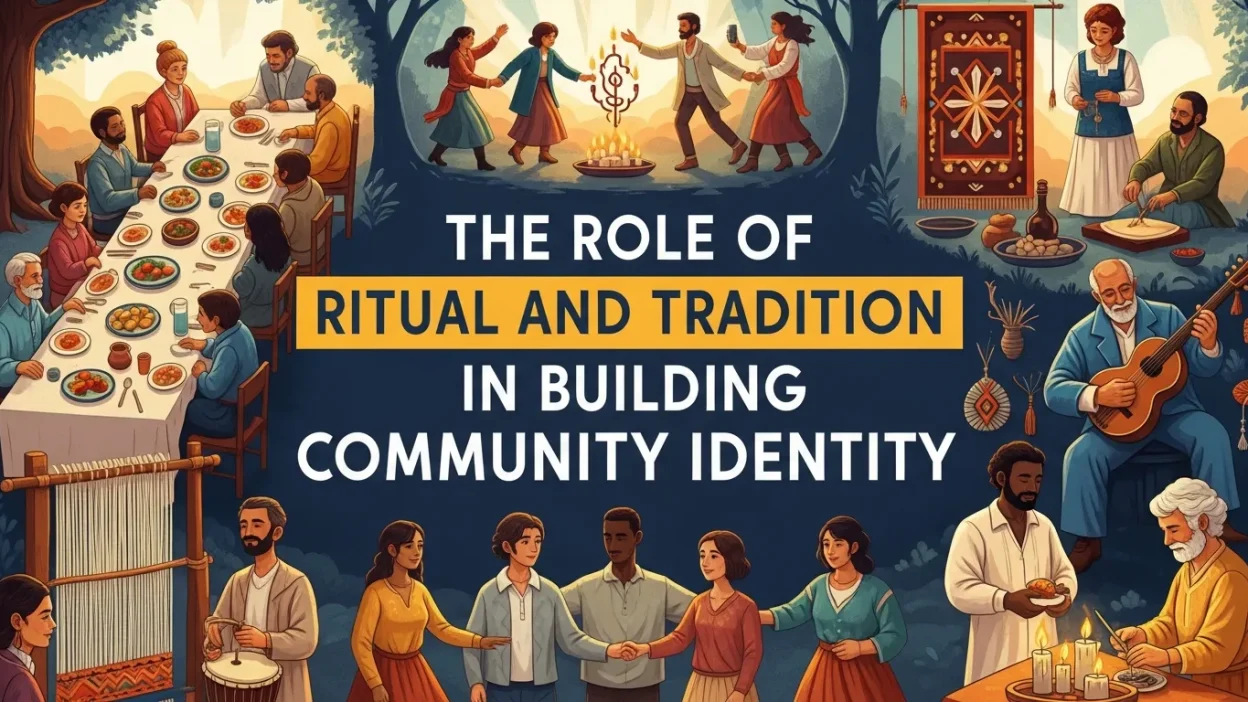
Communities become strong not simply through shared space, but through shared meaning. Rituals, traditions, storytelling, and collective experiences play a central role in building community identity. When members engage in symbolic practices, celebrate milestones together, and participate authentically, they begin to see the community as part of who they are.
From neighborhood gatherings to digital welcome rituals, intentional efforts in building community identity create emotional connection, resilience, and long-term engagement. Communities that nurture identity move beyond routine interaction and develop lasting bonds rooted in shared values and collective memory.
Communities aren’t merely collections of people occupying the same physical or digital space. The most resilient and vibrant communities share something deeper—a collective identity forged through shared experiences that transcend ordinary interactions. Rituals and traditions stand as perhaps the most powerful tools for crafting this communal sense of self.
Consider the neighborhood where I grew up. For thirty years, families gathered on the first Saturday of summer for an elaborate potluck picnic. Children who once played tag beneath oak trees eventually returned with their own children. The event evolved, certainly—gaining a talent show in the ’90s and losing the three-legged race somewhere in the 2000s—but its essence remained unchanged. This continuity provided more than entertainment; it created a through-line connecting generations and newcomers to something larger than themselves.
Beyond Mere Activities

Rituals differ fundamentally from routine activities. While both involve repetition, rituals carry symbolic weight ordinary interactions lack. They transform practical actions into carriers of meaning. When community members engage in rituals together, they participate in something that transcends the physical actions themselves.
“Rituals are the symbolic affirmation of values by means of culturally standardized utterances and actions,” explains anthropologist Victor Turner in his landmark work on ritual and community formation. This distinction explains why seemingly similar activities can produce dramatically different outcomes—one building profound connection while another registers as merely perfunctory.
The distinction becomes clear when comparing two community meetings I recently attended. Both followed identical formats, yet the atmosphere differed dramatically. The first began with members sharing personal stories connecting them to the group’s mission. The second jumped directly into agenda items. Though covering similar content, the first meeting generated noticeably stronger engagement and collective identity. The ritual sharing created a container for something more meaningful than information exchange.
The Psychology Behind Building Community Identity
Building community identity is fundamentally a psychological process. People naturally seek connection with groups where they feel seen, valued, and safe. When a community consistently engages members through shared rituals, storytelling, or collective celebrations, it moves beyond being just a gathering of individuals—it becomes part of how members define themselves. Instead of saying, “I belong to this community,” members begin to feel, “This community is part of who I am.”
This process of identity formation is usually strengthened through several core elements:
- Shared Emotional Experiences – Celebrating wins and navigating challenges together
- Recognition and Visibility – Acknowledging individual contributions publicly
- Common Language and Symbols – Using shared stories, phrases, or visual symbols
- Collective Goals – Working toward a meaningful, shared future
When these components work together, building community identity becomes intentional and sustainable, creating deeper loyalty, resilience, and long-term engagement.
Tradition as Temporal Anchor
Where rituals create depth, traditions provide breadth—extending community identity across time. Traditions connect current members with both past and future participants, creating a sense of continuity that transcends individual involvement.
This temporal dimension explains why disruptions to long-standing traditions often provoke surprisingly passionate responses. When a local festival dating back generations faced cancellation due to budget constraints, community members who rarely attended suddenly became vocal advocates. Their reaction wasn’t about the specific activities but about preserving their connection to a communal timeline extending beyond their personal experience.
Research from the Center for Healthy Communities demonstrates that communities maintaining strong traditions show greater resilience during crises and transitions. This resilience stems partly from traditions providing stability amid change—familiar touchpoints offering reassurance during uncertain times.
Storytelling as a Foundation for Building Community Identity
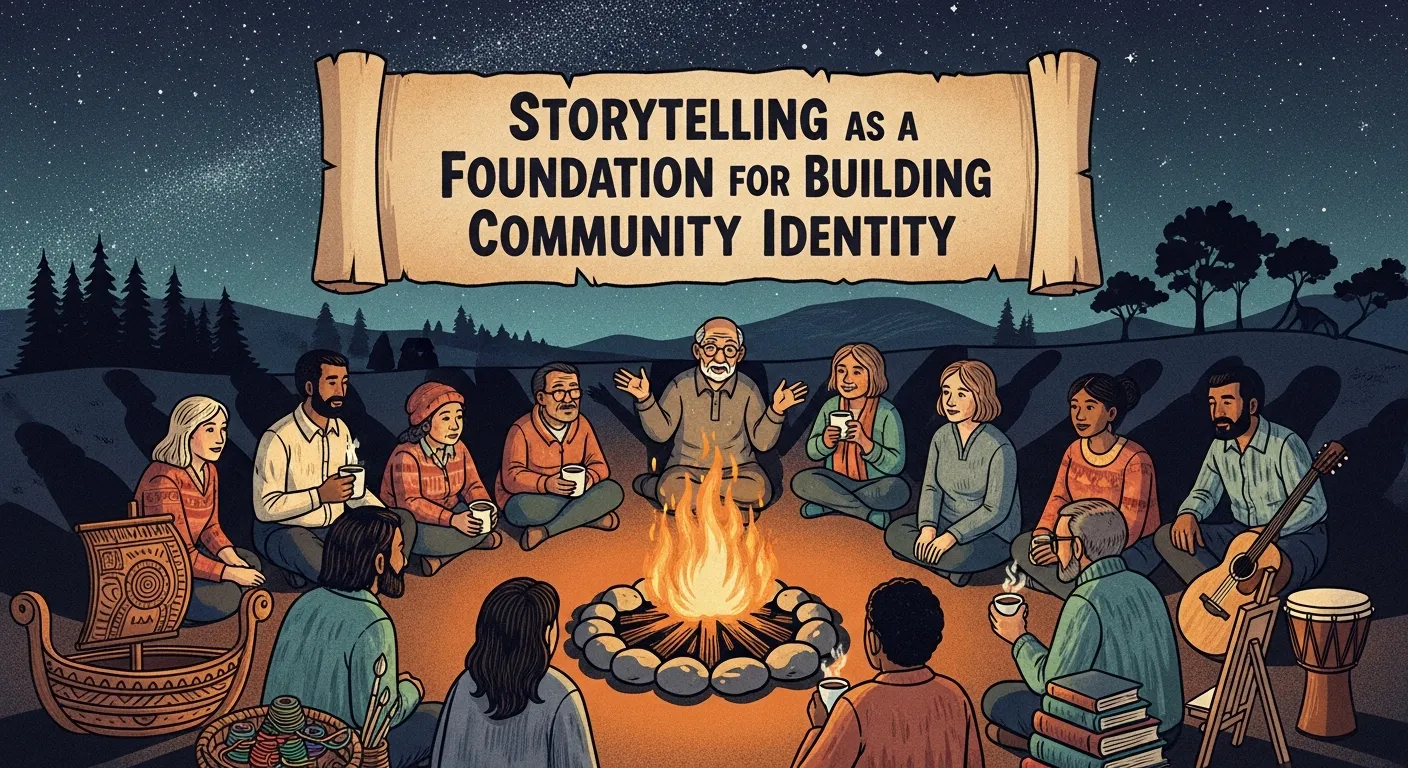
Stories are one of the most powerful tools for building community identity. Long before formal structures existed, communities relied on shared narratives to define who they were, what they valued, and where they were headed. When members repeatedly hear and retell stories of origin, struggle, achievement, and transformation, those narratives become embedded in collective memory. Over time, these stories shape behavior by reinforcing what is celebrated and what is expected.
Intentional storytelling strengthens identity when communities actively create space for it. Rather than leaving stories to informal conversations, leaders can design moments that highlight meaningful experiences:
- Origin Stories – How and why the community began
- Milestone Moments – Key achievements or turning points
- Member Spotlights – Personal journeys within the community
- Challenge Narratives – Obstacles overcome together
- Future Vision Stories – Aspirations that unite members
When stories are shared consistently and authentically, building community identity becomes less about structure and more about shared meaning that members emotionally connect with.
The Architecture of Belonging
Rituals and traditions create what sociologists call “architecture of belonging“—structures that support emotional connection to community. This architecture includes three essential elements: shared experiences, symbolic meaning, and authentic participation.
Shared experiences generate what Émile Durkheim termed “collective effervescence”—heightened emotional states emerging from group activities. These experiences create emotional memories that bind participants together long after the event concludes. The annual community service day featured on our BuildBonding community calendar exemplifies this phenomenon—participants consistently report feeling more connected to neighbors after working alongside them toward shared goals.
Symbolic meaning transforms ordinary actions into carriers of community values and identity. The specific activities matter less than what they represent. When new members join our neighborhood association, they receive a small tree sapling to plant—a simple act loaded with symbolism about putting down roots and contributing to future growth.
Authentic participation distinguishes meaningful rituals from empty performances. When community members help shape traditions rather than merely observe them, investment deepens substantially. The most successful community rituals balance consistency with room for personal contribution, allowing members to simultaneously inherit and help create community identity.
Creating New Traditions
While long-standing traditions hold special significance, new communities don’t have to wait decades to develop meaningful rituals. They can intentionally design traditions that nurture connection and strengthen identity from the start.
Successful new traditions often share a few key qualities:
- They reflect genuine community values instead of feeling forced or artificial.
- They begin simply and grow naturally over time rather than launching as elaborate, fully formed events.
- They leave space for personal expression within a shared structure.
- They respect existing cultural contexts while introducing something distinctive.
- They strike a balance—accessible enough for everyone to participate, yet meaningful enough to feel special.
For example, a technology company I once worked with faced challenges integrating teams after rapid expansion. After several unsuccessful team-building initiatives, they introduced a straightforward weekly practice: every Friday, team members shared short stories about obstacles they had overcome during the week.
What started as a communication exercise gradually evolved into something more symbolic. They began passing around a small token to represent the lessons learned through challenge and perseverance. Over time, this simple habit became a meaningful ritual—one that reinforced resilience, shared growth, and a stronger sense of collective identity.
The Digital Challenge
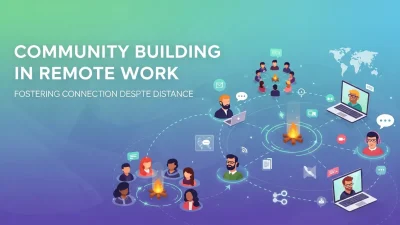
Digital communities face particular challenges in establishing meaningful rituals and traditions. Without shared physical space, they must create alternative containers for collective experience. Yet successful online communities have developed innovative approaches:
Annual virtual gatherings marking community milestones. Established welcome sequences that formally initiate new members. Digital artifacts commemorating significant community achievements. Regular rhythms of interaction that members anticipate and value. Symbolic language and customs unique to the community.
These digital traditions serve identical functions to their physical counterparts—creating shared experiences, conveying symbolic meaning, and facilitating authentic participation.
Beyond Nostalgia
Effective community rituals and traditions remain vibrant rather than merely nostalgic. They connect meaningfully to present circumstances while honoring continuity. When traditions become rigid performances disconnected from current community needs, they lose their power to build identity.
The most resilient communities regularly reflect on their traditions, asking not merely “How have we always done this?” but “What meaning does this carry now?” This reflection allows traditions to evolve while maintaining their essential character—bending without breaking across changing circumstances.
Communities facing significant disruption often benefit from ritual innovation—creating new traditions that acknowledge changed reality while preserving core identity. When a historic neighborhood faced redevelopment displacing many residents, community leaders developed a “neighborhood memory” tradition where former and current residents gathered annually to share stories and celebrate continuing connections despite physical separation.
The Personal in the Communal
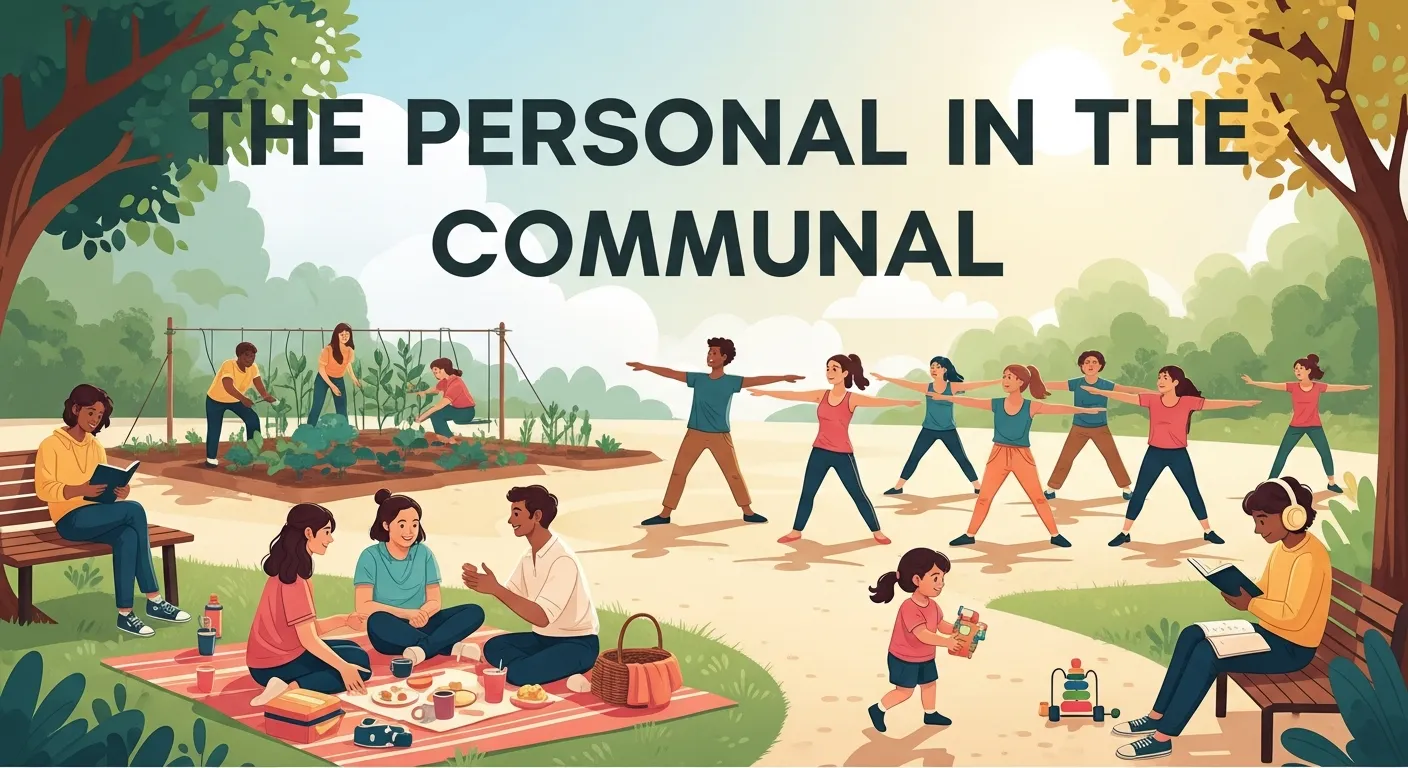
Perhaps most powerfully, community rituals and traditions create space for individuals to locate their personal stories within a larger narrative. They answer fundamental human questions: Who are we? Where do we come from? Where are we going? What matters to us?
When we participate in community traditions, we simultaneously express individual identity and transcend it—becoming part of something larger without surrendering personal significance. This paradoxical experience satisfies dual human needs: belonging and distinctiveness.
Communities struggling with cohesion often lack this ritual dimension—focusing exclusively on practical functions while neglecting symbolic meaning. Yet communities that cultivate meaningful rituals and traditions discover something profound: practical functions actually improve when wrapped within shared symbolic meaning.
In a world increasingly characterized by transience and digital mediation, intentional creation of meaningful community rituals and traditions may be more important than ever—not as nostalgic retreat but as essential architecture for sustainable human connection.
Conclusion
Building community identity is not accidental—it is intentional. It requires more than meetings, events, or communication channels. It demands rituals that carry meaning, traditions that anchor members across time, and stories that define shared purpose.
When communities prioritize symbolic experiences alongside practical functions, engagement deepens. Members shift from passive participation to emotional investment. They contribute more, support one another during challenges, and actively advocate for the community’s future.
In an increasingly digital and fast-moving world, building community identity becomes essential for sustainability. Communities that cultivate belonging through meaningful rituals, storytelling, and shared vision don’t just survive—they thrive.
Frequently Asked Questions (FAQ)
1. What does building community identity mean?
Building community identity is the intentional process of creating shared meaning, values, traditions, and experiences that help members feel deeply connected and aligned with a collective purpose.
2. Why is building community identity important?
Building community identity strengthens engagement, increases loyalty, improves collaboration, and helps communities remain resilient during times of change or crisis.
3. How do rituals support building community identity?
Rituals support building community identity by creating repeated, symbolic experiences that reinforce shared values and foster emotional bonds among members.
4. What is the difference between activities and rituals in building community identity?
In the context of building community identity, activities are routine actions, while rituals carry symbolic meaning and reinforce shared identity beyond the task itself.
5. Can digital communities succeed in building community identity?
Yes. Digital communities can effectively focus on building community identity through structured welcome sequences, milestone celebrations, storytelling, and recurring virtual events.
6. How does storytelling help in building community identity?
Storytelling plays a powerful role in building community identity by shaping collective memory, reinforcing shared values, and helping members emotionally connect to the community’s mission.
7. What are the key elements required for building community identity?
Successful building community identity relies on shared emotional experiences, recognition, common symbols or language, and collective goals that unite members.
8. How can new communities begin building community identity?
New communities can begin building community identity by starting with small, value-driven traditions that evolve organically and encourage authentic participation.
9. How do traditions strengthen building community identity over time?
Traditions strengthen building community identity by connecting past, present, and future members, creating continuity and stability during change.
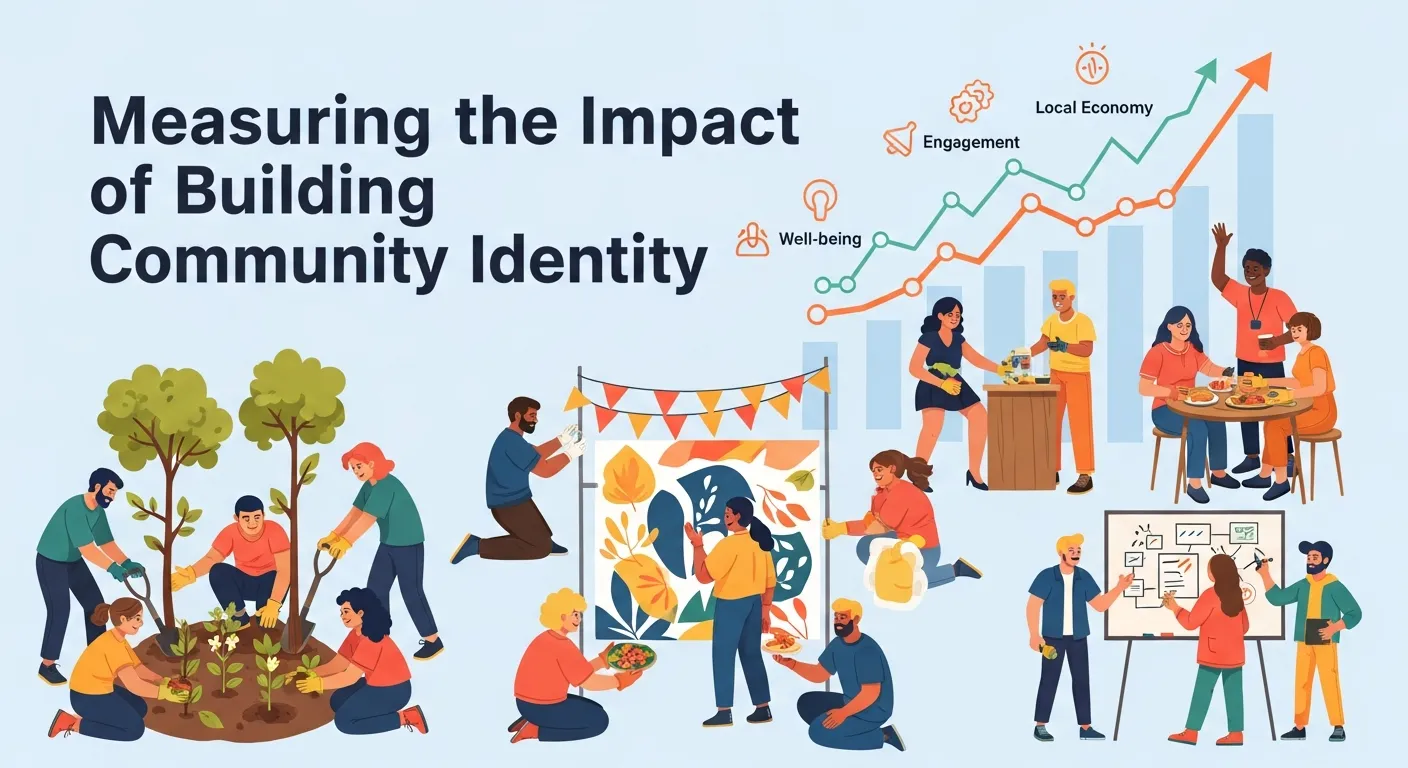
10. How can leaders measure progress in building community identity?
Leaders can evaluate building community identity by observing engagement levels, peer interaction, advocacy, retention rates, and resilience during challenges.
11. What happens when building community identity is neglected?
When building community identity is neglected, participation becomes transactional, engagement declines, and members feel less emotionally connected or invested.
12. How often should communities revisit their approach to building community identity?
Communities should periodically reflect on their strategies for building community identity to ensure traditions remain meaningful, relevant, and aligned with core values.