
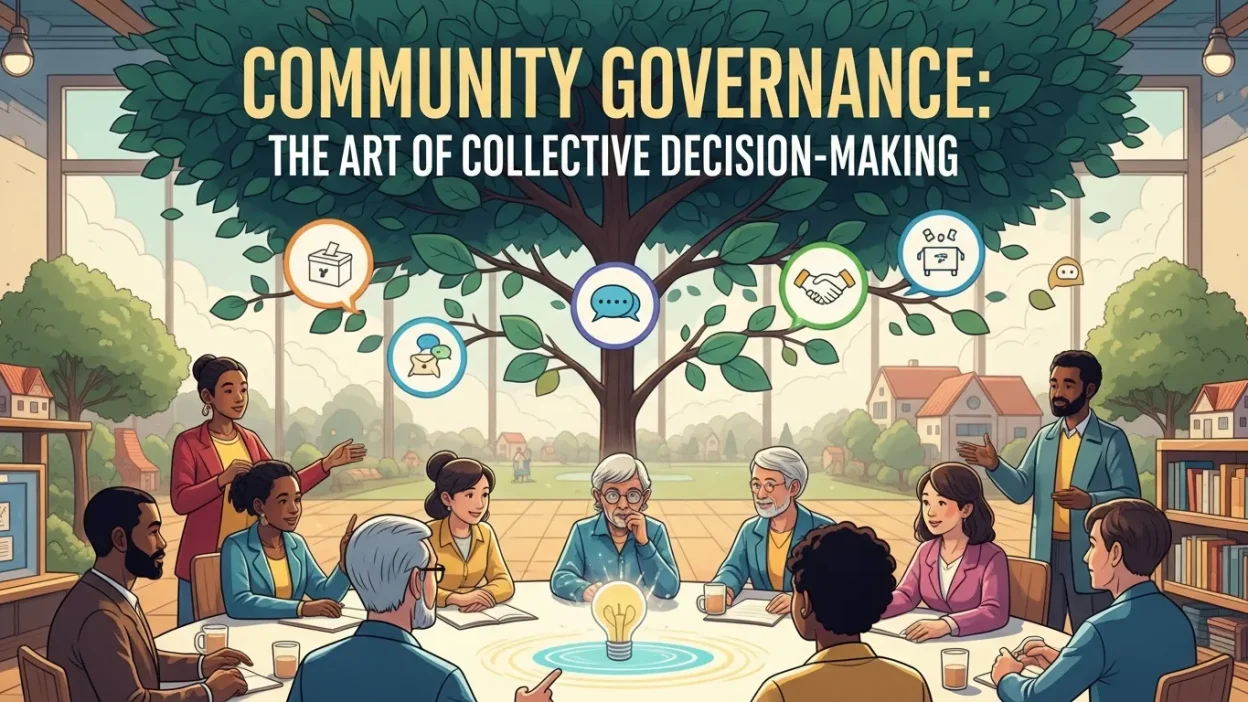
Community Governance defines how groups make decisions, distribute power, and shape participation. From centralized leadership to participatory, representative, consensus, and consent-based models, governance structures reflect a community’s values and priorities. Effective Community Governance requires clarity of purpose, awareness of power dynamics, and adaptable systems that evolve with community growth. When thoughtfully designed, governance becomes the framework through which collective wisdom and sustainable decisions emerge.
Governance may sound like a dry, bureaucratic term, but at its heart lies something deeply human: how we make decisions together. Whether in neighborhood associations, cooperatives, nonprofits, or online communities, the governance models we choose profoundly shape community experiences and outcomes.
Beyond Top-Down Leadership
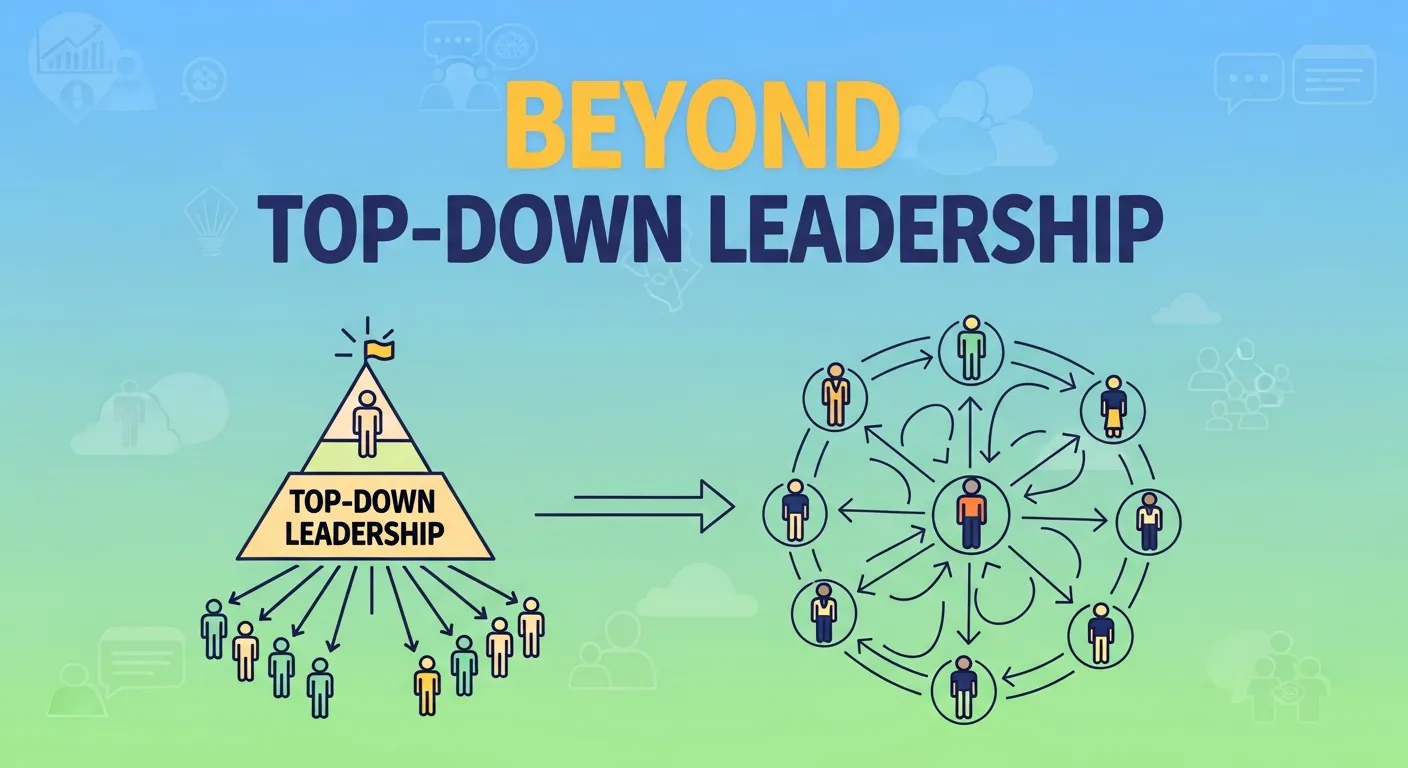
Traditional organizational structures often default to hierarchical models where power flows from top to bottom. While this approach offers clarity and efficiency in certain contexts, many communities discover that alternative governance frameworks better serve their values and purposes.
The choice of governance model reveals fundamental beliefs about power, participation, and purpose. Does authority rest with a select few or distribute widely? Do decisions require consensus or majority approval? These questions reflect not just procedural preferences but philosophical orientations toward community itself.
The Spectrum of Governance Approaches
Community governance exists along a spectrum rather than in rigid categories. Most functioning models blend elements from different approaches, adapting to specific community needs and contexts.
At one end stands centralized governance, where decision-making authority concentrates among a small leadership group. This approach provides decisiveness and clear accountability but risks disconnection between leaders and community members. Many homeowners associations and traditional nonprofit boards operate within this framework.
Moving toward greater distribution, representative governance models empower elected or selected individuals to act on behalf of constituent groups. This approach balances broad input with practical efficiency, though representatives may sometimes drift from truly reflecting their constituencies.
Further along the spectrum, participatory governance invites direct community involvement in significant decisions while maintaining operational structures for implementation. Town halls, community votes on major initiatives, and stakeholder forums exemplify this approach.
At the far end, consensus governance seeks full community alignment before moving forward. While demanding more time and communication, this model builds profound buy-in and often produces more sustainable decisions. According to research from The Democracy Collaborative, communities using consensus models demonstrate remarkable resilience during times of external pressure or resource constraints.
The Foundation: Values Alignment
Successful governance begins with clarity about community values and purpose. Without this foundation, even technically perfect governance structures eventually fracture under pressure.
Before designing decision-making processes, communities benefit from explicitly naming their core values. Is efficiency paramount? Inclusion? Innovation? Different values naturally lead toward different governance approaches. A community prioritizing rapid action might lean toward more centralized models, while one emphasizing broad ownership might embrace more participatory frameworks.
As explored in our BuildBonding community foundations guide, values alignment creates the necessary bedrock for governance structures to stand upon. When community members share fundamental understanding about why they’ve come together, operational disagreements become easier to navigate.
The Role of Transparency in Community Governance
Transparent Community Governance builds trust by ensuring that decision-making processes are visible, understandable, and accessible to all members. When communities openly document decisions, clarify authority boundaries, and explain the reasoning behind policies, members feel respected and included. Transparency reduces suspicion, prevents misinformation, and strengthens collective ownership over outcomes.
Effective transparency in Community Governance often includes structured communication systems and accessible documentation practices such as:
- Public meeting notes and decision summaries
- Clearly defined voting or consent procedures
- Open financial reporting
- Regular governance updates
- Accessible feedback channels for members
When transparency becomes embedded in Community Governance, trust compounds over time. Members become more willing to participate, leadership accountability improves, and conflict resolution becomes smoother because information gaps no longer fuel misunderstandings. Ultimately, transparency transforms governance from a closed administrative function into a shared community experience.
Representational Models: Bridging Scale Challenges

As communities grow beyond the size where everyone can meaningfully participate in every decision, representative structures often emerge. These frameworks delegate authority to individuals or committees who make decisions on behalf of broader constituencies.
Effective representative governance depends on thoughtful selection processes and accountability mechanisms. How representatives get chosen matters tremendously. Election processes should reflect community values regarding participation, inclusion, and power distribution. Once selected, representatives need clearly defined authority boundaries and regular feedback loops with those they represent.
Many progressive organizations implement rotating representation where positions regularly open to new community members. This practice prevents power consolidation while building widespread governance capacity throughout the community. Others implement multi-stakeholder boards that ensure different community segments maintain representation in decision structures.
Consent-Based Frameworks
Between majority-rule voting and full consensus lies an innovative middle path: consent-based governance. Rather than requiring everyone’s enthusiastic agreement, these models ask whether anyone has substantive objections that signal potential harm to the community’s objectives.
Sociocracy and Theocracy exemplify consent-based approaches. These frameworks organize communities into interconnected circles with authority over specific domains. Decisions pass when no member raises objections based on the proposal potentially moving the community backward or preventing someone from fulfilling their responsibilities.
According to Sociocracy For All, organizations implementing consent-based governance report higher engagement levels and more sustainable decisions than those using either top-down or purely consensus methods. The approach creates sufficient space for concerns while avoiding the paralysis sometimes accompanying consensus requirements.
Digital Governance Innovations
Online communities face unique governance challenges requiring innovative approaches. Without physical gathering spaces or face-to-face interactions, digital communities must deliberately design participation structures and decision processes.
Some online communities implement reputation systems where members earn increased governance rights through consistent positive contribution. Others utilize quadratic voting, allowing members to express preference intensity by allocating multiple votes across different proposals.
Blockchain technologies have introduced fascinating governance experiments through Decentralized Autonomous Organizations (DAOs). These structures encode governance rules directly into transparent protocols rather than relying on human interpretation of written policies. While still evolving, these approaches suggest possibilities for governance systems that combine human wisdom with computational transparency.
Power Awareness in Governance Design
All governance models contain implicit power dynamics that communities must recognize and address. Formal authority structures represent only one dimension of community power—social capital, specialized knowledge, external connections, and communication skills all shape who truly influences decisions.
Effective governance systems acknowledge these informal power dynamics rather than pretending they don’t exist. This might involve creating mentorship pathways for newer members, documenting institutional knowledge so it doesn’t remain concentrated, or implementing facilitation practices that balance participation from dominant and quieter voices.
The most sustainable communities regularly examine power distribution within their governance structures, asking uncomfortable but necessary questions: Who speaks most in meetings? Whose proposals typically succeed? Which members feel ownership over community direction? These reflections allow for governance evolution rather than stagnation.
Accountability Mechanisms in Community Governance
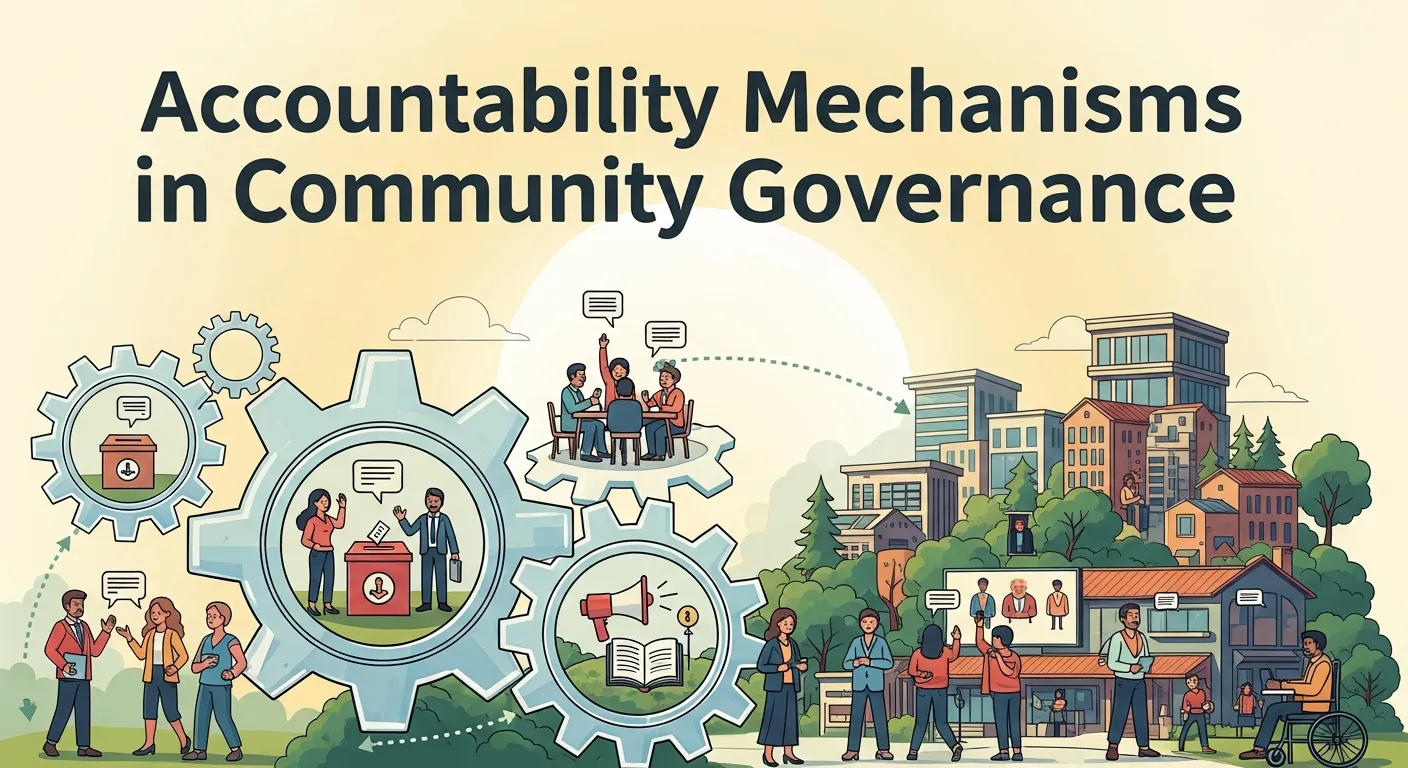
Strong Community Governance requires more than clear decision-making structures—it demands accountability mechanisms that ensure leaders and representatives remain aligned with the community’s mission. Without accountability, even well-designed governance systems can drift toward imbalance or power concentration. Clear expectations, performance reviews, and structured evaluation processes help maintain alignment.
Common accountability mechanisms used in Community Governance include:
| Mechanism | Purpose | Community Impact |
|---|---|---|
| Term Limits | Prevent long-term power consolidation | Encourages fresh perspectives |
| Performance Reviews | Evaluate leadership effectiveness | Strengthens responsibility |
| Member Feedback Surveys | Collect community sentiment | Improves responsiveness |
| Transparent Reporting | Share decisions and outcomes | Builds trust |
| Conflict Resolution Protocols | Address disputes fairly | Maintains stability |
When accountability systems are consistent and fair, Community Governance becomes resilient rather than personality-driven. Leaders understand their responsibilities, members feel empowered to voice concerns, and governance evolves through structured reflection instead of crisis-driven reactions.
Implementation Challenges and Transitions
Adopting new governance models necessarily involves transition challenges. Communities shifting from centralized to more participatory approaches often experience initial inefficiency as participation muscles develop. Conversely, communities needing more structure may face resistance from members accustomed to informal processes.
Rather than implementing wholesale governance changes, successful communities often pilot new approaches within specific domains before broader adoption. This creates learning laboratories where methods can be refined while maintaining stability in other areas.
During governance transitions, transparent communication becomes especially crucial. Community members need understanding about why changes are happening, how new processes work, and how their participation matters. Without this context, governance shifts can trigger unnecessary resistance and confusion.
The Governance Journey
Community governance represents an ongoing journey rather than a destination. The most resilient communities recognize their governance models as living systems requiring regular reflection and adjustment as circumstances evolve.
This adaptive approach acknowledges that different seasons in community life may require different decision-making frameworks. Growth phases might benefit from more centralized coordination to manage complexity, while stabilization periods might allow for deeper participatory processes.
By approaching governance with flexibility rather than dogmatism, communities create systems that bend without breaking during inevitable transitions and challenges. The measure of governance success isn’t perfect adherence to theoretical models but rather how well decision processes serve the community’s deeper purpose and values.
Through thoughtful design, regular reflection, and courageous adaptation, community governance becomes not bureaucratic burden but rather the very architecture through which collective wisdom emerges.
Sustainability and Long-Term Vision in Community Governance
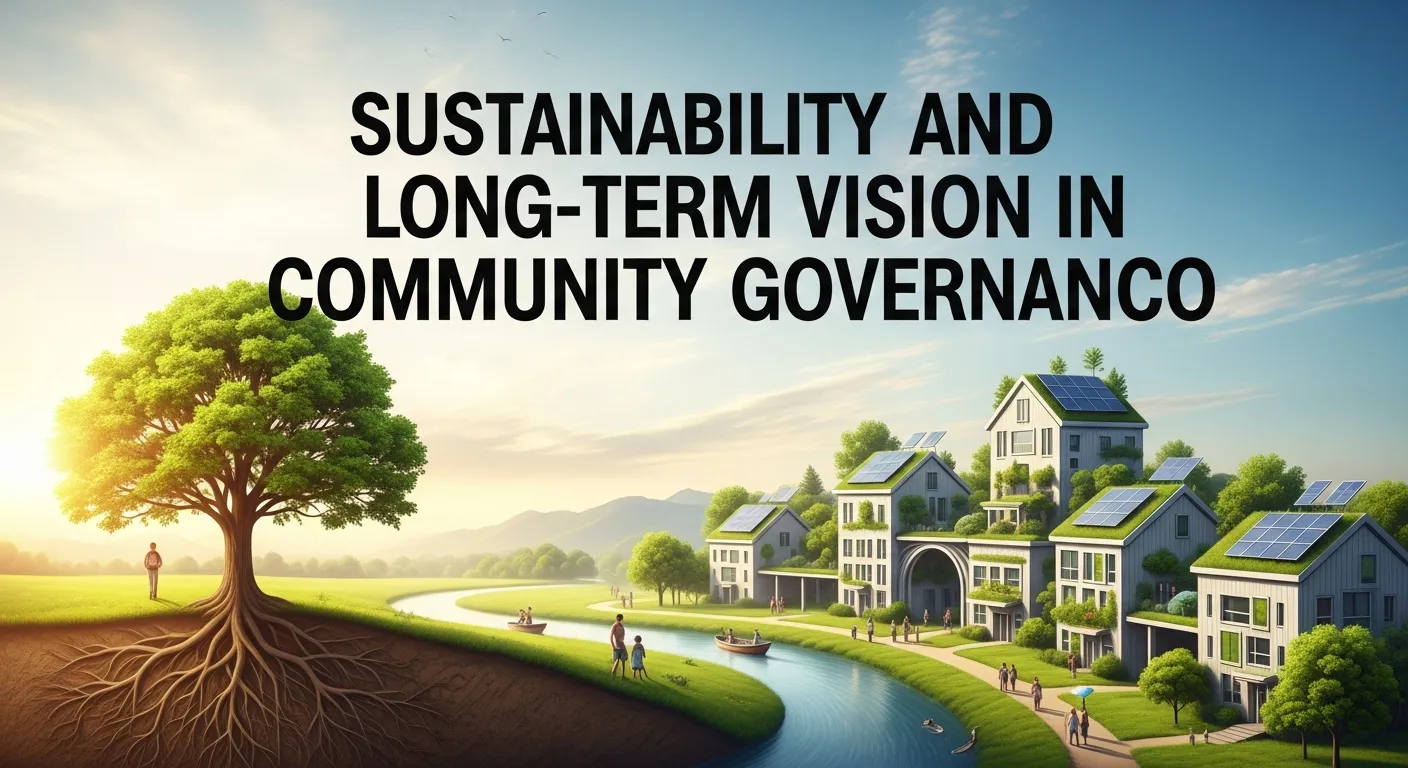
Sustainable Community Governance requires forward-thinking structures that prepare communities for growth, leadership transitions, and external challenges. Governance should not only address present needs but also anticipate future complexities. Communities that embed adaptability into their governance systems are better equipped to navigate expansion, generational change, or resource fluctuations.
To ensure long-term sustainability, Community Governance frameworks often prioritize:
- Leadership succession planning
- Governance training for emerging members
- Periodic review of policies and bylaws
- Adaptable decision-making models
- Clear documentation of institutional knowledge
When governance systems intentionally prepare for the future, they prevent disruption during transitions and maintain continuity of purpose. Sustainable Community Governance ultimately ensures that the community’s mission outlives individual leaders, creating a legacy of resilience, shared ownership, and long-term impact.
Conclusion
Strong Community Governance is not about rigid rules but about creating decision-making systems that reflect shared values and empower members. Whether centralized or participatory, governance must align with a community’s purpose and scale. As communities evolve, their governance models should adapt to changing needs, power dynamics, and participation levels. Ultimately, successful Community Governance transforms decision-making into a collaborative process that builds trust, accountability, and long-term resilience.