
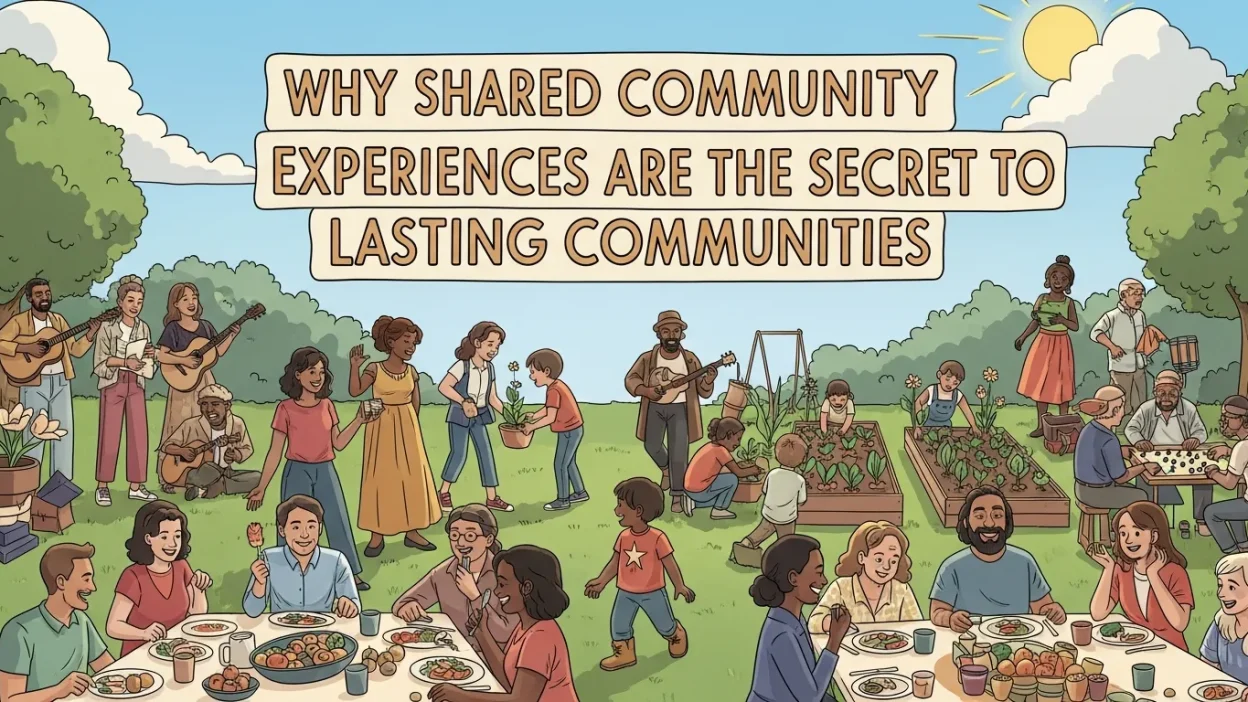
Shared community experiences drive belonging, trust, loyalty, and engagement. They transform members into connected groups both online and offline. Communities that create interactive, collaborative moments grow stronger, retain members longer, and sustain lasting relationships.
What causes some communities to get and stay close, while others dissolve? All of this boils down to one essential ingredient: shared experiences.
Rooting for a sports team, attending a cultural festival, or even discussing in online forums, sharing the same experience is always the best base to find each others. They connect — they bind; they help create a deep sense of rootedness.
The Role of Shared Community Experiences in Belonging
Shared community experiences are one of the strongest forces behind emotional attachment and long-term engagement within any group. When people participate in activities together — whether online or offline — they begin to feel connected through common memories, emotions, and interactions. These moments help individuals move from being passive members to feeling like they truly belong.
Belonging is not created by membership alone; it is built through repeated shared community experiences that foster familiarity and trust. As members engage in collective discussions, attend events, collaborate on projects, or celebrate milestones together, they start forming emotional bonds that strengthen the social fabric of the community.
These shared moments also reduce social distance. They make new members feel welcomed faster and encourage existing members to stay active. Over time, communities that prioritize shared experiences develop stronger identities, higher loyalty, and deeper interpersonal connections among participants.
The Importance of Shared Experiences in Creating Community
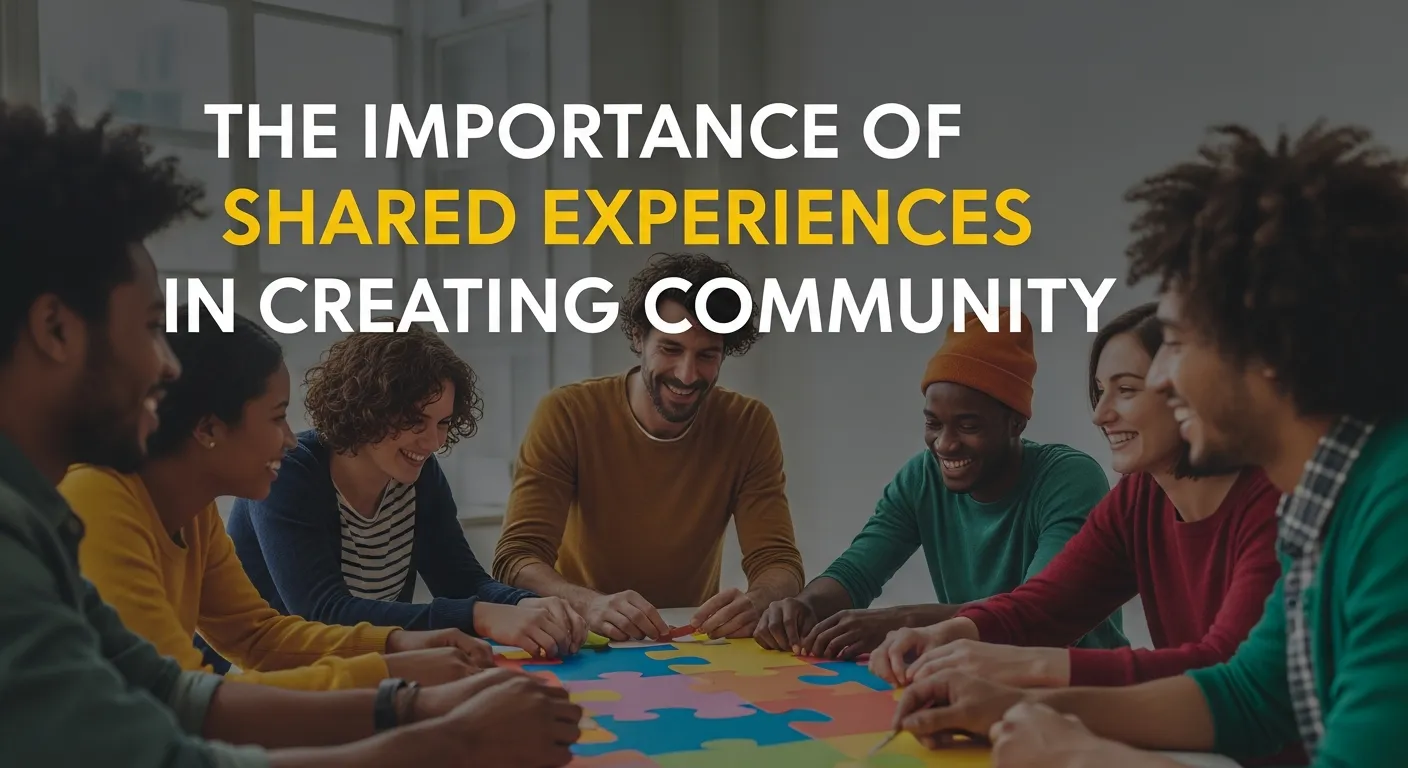
At their essence, they’re an act of connection. They exploit our most basic desire of finding where we belong by giving us something in common with their characters. Think about a few of your tightest friendships or your most valued social connections. Odds are they were born out of shared memories or experiences that made each party trust, feel comfortable with, or both.
This is why shared experiences are so powerful for building community:
- They create emotional bonds: When you engage in an activity with someone, whether the experience is positive or challenging, the shared emotional touchpoint fosters loyalty and strengthens relationships.
- They foster a feeling of ownership: When people contribute to — or take part in — something special, they become more committed to the community.
- They bridge gaps: Mutual activities or experiences foster trust and reduce social borders, making new recruits feel welcome.
No wonder, then, that strong communities of all kinds, from local clubs to national and global online platforms, are built around common experiences shared by their members.
Shared Community Experiences Build Collective Identity
When people repeatedly experience events together, they form a collective identity. Members begin to associate themselves with the community’s values, traditions, and culture. This shared identity encourages loyalty and long-term participation. Strong communities thrive because shared experiences transform individuals into emotionally connected groups.
Feeling Cool in (Half) Dark Rooms, Rediscovering Music, and the Importance of Shared Digital Experiences
As technology has made virtual “neighbourhoods” increasingly accessible, the concept of fostering community has shifted to digital realms. But communally experienced encounters are just as important online as they are offline. Digital communities succeed when they become like real-life connection and offer their members moments of interaction and engagement.
Shared Experiences in Digital Communities by Example
- Live events: Something like a livestream, a webinar or a virtual watch party, when people can react in real time as they participate.
- Collaboration: Many online communities and micro-communities foster a willingness to work together on creative or social projects.
- Gamification: together: a leaderboard and reward system adds a feeling of joint participation and collaboration.
An excellent example is Peloton. And its users are paying — amenities may be bemowed and baked-goods consumed — because its subscription model is built on the communal experience of a real-time live-streamed fitness class that makes participants feel like they are a part of a fitness movement. So this sense of communal alignment is what makes them feel connected and loyal to your store.
Why Shared Community Experiences Matter More Online
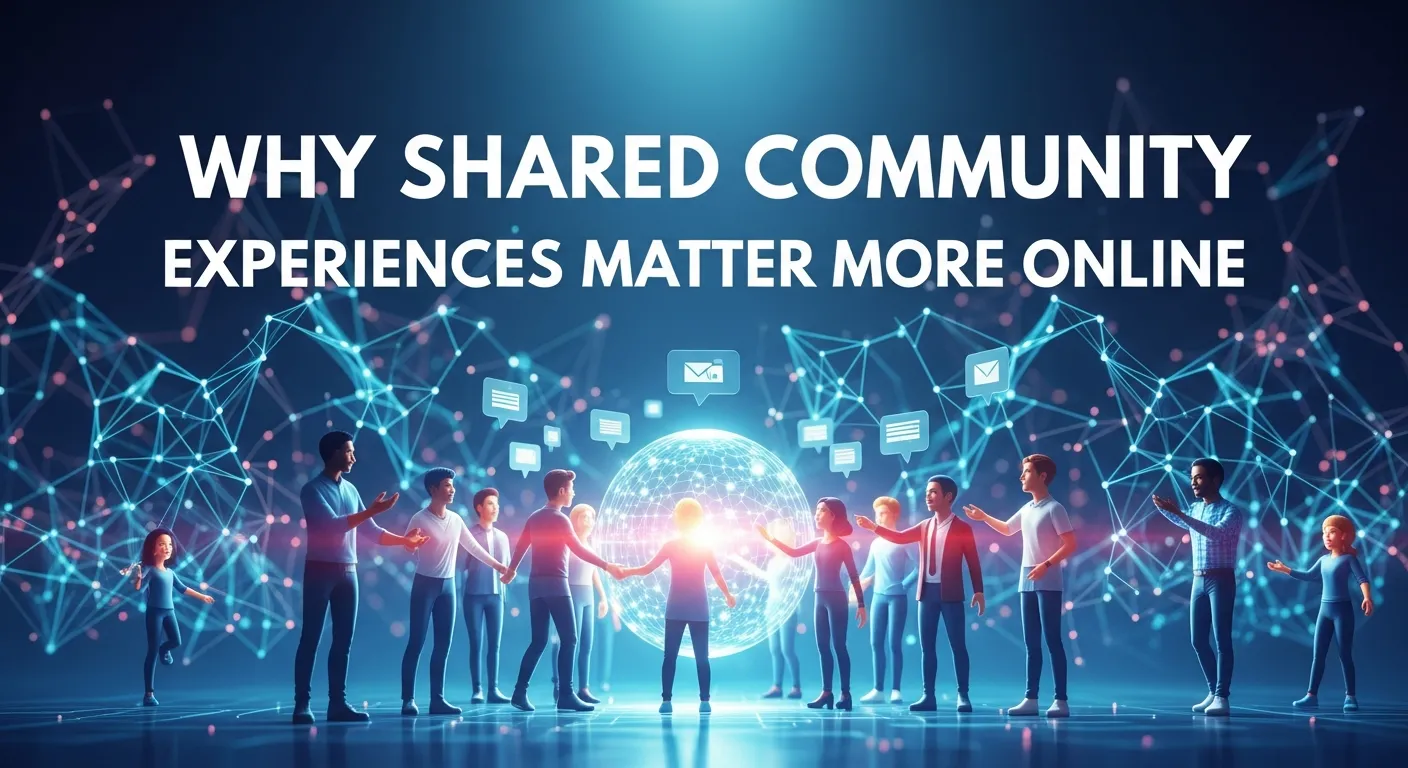
In digital spaces, shared community experiences replace physical presence with emotional connection. Since online members cannot meet face-to-face, interactive events, live chats, and collaborative activities become the glue that keeps them engaged. Communities that consistently create shared digital moments see stronger loyalty, higher participation, and long-term sustainability compared to passive groups.
How to Create Communities With Shared Experiences
If you want to build a strong, engaged, and loyal community, creating consistent shared moments must be your top priority. Communities don’t grow simply because people join — they grow because members repeatedly experience things together. These shared community experiences create emotional bonds that transform audiences into connected groups.
Identify Your Common Ground
Begin with your community’s shared interest, value, or goal that binds you all together. Do your members share a passion for sustainability, technology, fitness or anything else? And this “common ground” will trigger shared experiences.
So, for instance, Glossier formed a core customer base by highlighting beauty fiends who prioritize authenticity and inclusivity. Their followers enjoy a sense of camaraderie around user-generated content, and peer product experiences.
Create Interactive Platforms for Dialogue
When members of a community talk, participate and share, then it becomes stronger. Add interactive spaces where people can collaborate and communicate such as private Facebook groups, Slack channels or Discord servers.
These platforms should not just be a place to make announcements, remember. Instead, create rich discussions on concepts that are relevant to your members and emphasize storytelling.
Offer Live and Virtual Events
Hosting virtual events that are specific to your community’s interests deepens the connection people have with members. These may extend from meetings held at a local level all the way to global virtual webinars.
What is even more important than physical shared experiences for digital-first communities is virtual shared experiences. Platforms such as Zoom or YouTube Live make hosting online experiences easy. One such solution, Netflix Party, lets people watch films together in the comfort of their own homes, turning binge-watching into a social act.
Turning Events into Memorable Shared Community Experiences
Hosting events is powerful, but designing them to create lasting memories is even more important. Encourage live interaction, real-time chat, polls, and collective participation so members feel part of something meaningful. Memorable shared community experiences increase emotional attachment and motivate members to stay active long after the event ends.
Encourage Collaborative Experiences
Commonly held shared experiences are deepened when community members engage. Consider mixing up the group by creating joint projects, common goals, or content creation. These events provide members with something they can touch – a way they can help the community, in other words.
Case in point? Airbnb’s host community. Hosts are also prompted to exchange tips, stories, and experiences. This sharing of ideas enriches the Airbnb community and enables a sense of community amongst hosts.
Leverage User-Generated Content (UGC)
UCT allows you to create shared experiences within your community while focusing on individual members. Invite your members to share photos or videos, or write testimonials, and reward them by sharing this content yourself!
Nikes You Cant Stop Us campaign displayed user-generated content, motivating each other, inspiring others and instlillimg a sense of connection in their active, global community.
UGC as Fuel for Shared Community Experiences
User-generated content strengthens shared community experiences by allowing members to see themselves reflected in the group. When people share their stories, photos, or achievements, others relate and feel connected. Highlighting community-created content encourages participation and turns individual actions into collective experiences that inspire the entire group.
Celebrate Milestones and Achievements
There are rituals, celebrations, and transferable waypoints communities gather around and cling to. Set up milestones to celebrate, events to gather key team members together to celebrate progress or your results.
For example, vitual shoutouts or loyalty recognition for active contributors. Recognize anniversaries, product introductions, or milestones with everyone. Little moments of acknowledgment make big inroads in engagement.
Why it Pays to Develop Durable Online Communities Through Common Creating Experiences
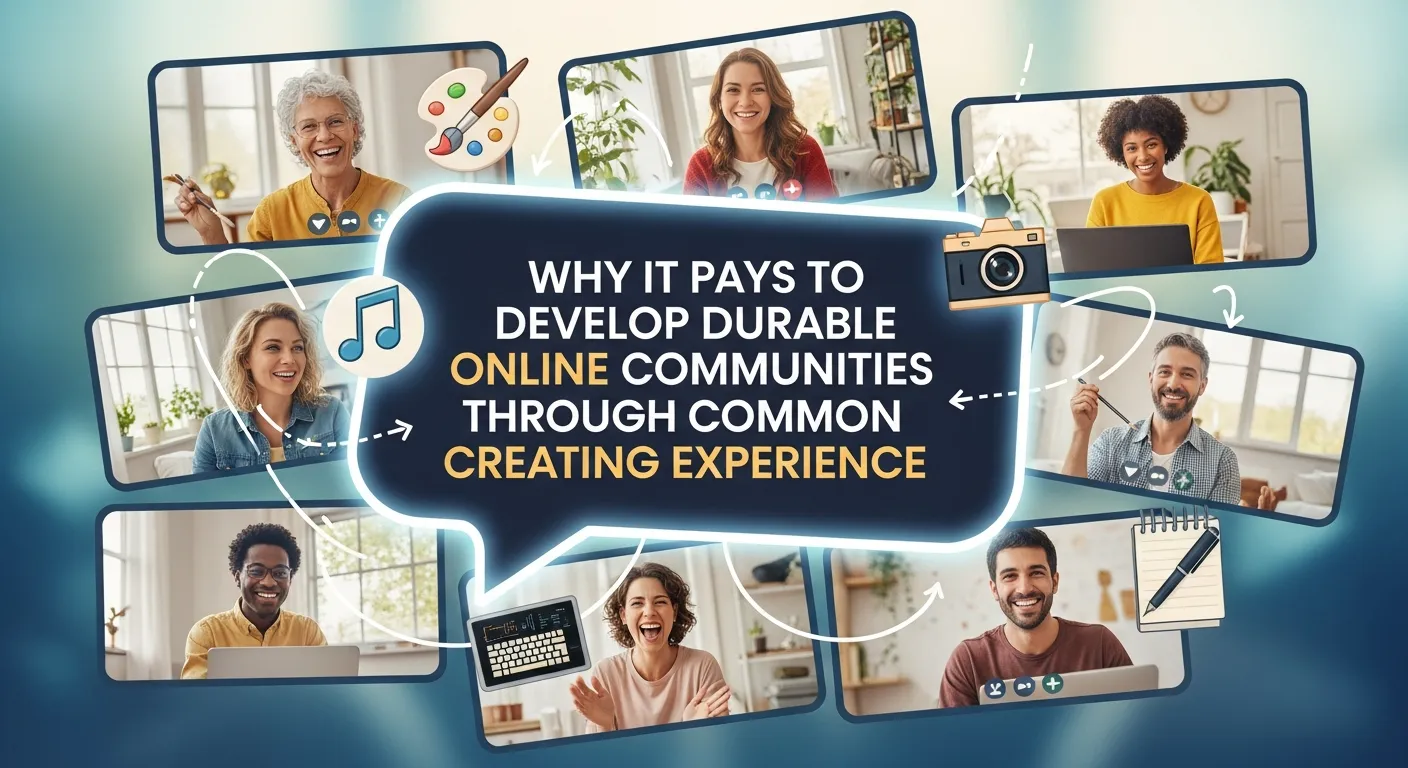
Mobil iShares Investing in Shared Experiences And while the rewards are certainly worthwhile, investing in community building itself are no less:
- Increased loyalty and retention: Members who feel part of a community are higherly likely to be engaged for the long run.
- Natural growth: Members love the community in a way that leads to word-of-mouth growth.
- Greater involvement: Experiences shared create emotional links, the basis of true interaction and participation.
- More resilience: Communities based on real shared interests will be more resilient when challenge or change comes along.
Measuring the Impact of Shared Community Experiences
To grow stronger communities, track engagement during shared activities. Monitor participation rates, comments, shares, repeat attendance, and content interaction. These indicators show which shared community experiences resonate most and where improvements are needed. Data-driven refinement helps maintain long-term community health.
Future of Community Building Lies in Shared Experiences
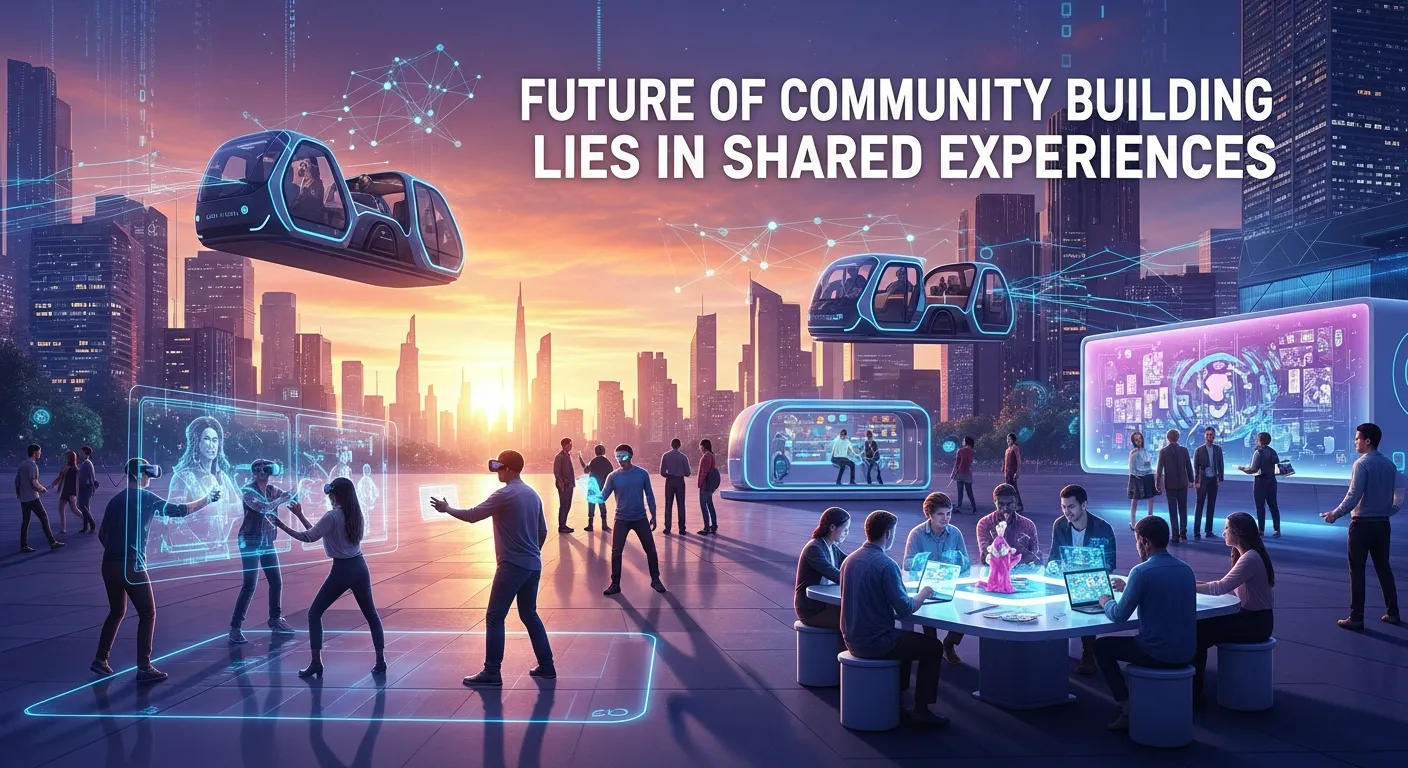
As digital interaction continues to grow, communities that prioritize shared community experiences will dominate. Technology enables real-time participation, collaboration, and global engagement like never before. The future belongs to brands and groups that actively design meaningful shared moments for their members.
Bond With Community Over a Common Experience
A community is made up not only of the people in it but also by the moments they bring into existence together. If you ground your community development activities in shared experience, you build places where individuals feel valued, connected and are inspired to share.
Even better – listen to them, partner with them and celebrate alongside them. By creating opportunities through live experiences, interactions online, or for new creative projects, you can create a shared experience that will keep your community alive for years to come.
Conclusion
Communities thrive when people experience things together. Shared community experiences transform groups into connected networks built on trust, belonging, and participation. Whether through digital events, collaboration, storytelling, or celebrations, these moments strengthen relationships and deepen engagement. Brands and leaders who intentionally design shared experiences build communities that last, grow organically, and remain loyal. In the end, connection isn’t created by presence—it’s created by participation.
FAQs – Shared Community Experiences
1. What are shared community experiences?
Shared community experiences are collective activities, events, or interactions that members participate in together. These moments create emotional connections, strengthen relationships, and build a unified identity within a group, whether the community exists online or offline.
2. Why are shared community experiences important?
They play a crucial role in building trust, loyalty, and belonging. When members share meaningful moments, they feel emotionally invested in the community, which leads to higher engagement, stronger relationships, and long-term participation.
3. How do shared experiences build stronger communities?
Shared experiences create emotional touchpoints that bring members closer. They foster mutual understanding, encourage collaboration, and help people identify themselves as part of a connected group rather than isolated individuals.
4. Can shared community experiences work online?
Yes, digital communities thrive on shared experiences such as live streams, webinars, virtual meetups, and group discussions. These interactions replace physical presence with emotional engagement and help online communities remain active and connected.
5. What are examples of shared community experiences?
Examples include live online events, collaborative challenges, group projects, user-generated content campaigns, webinars, community contests, watch parties, and milestone celebrations that bring members together around common interests.
6. How do shared experiences improve retention?
When members regularly participate in shared activities, they develop emotional attachment and loyalty. This sense of belonging encourages repeat engagement and reduces the likelihood of users leaving the community.
7. How can brands use shared community experiences?
Brands can build stronger communities by hosting interactive events, encouraging participation, highlighting member stories, creating challenges, and fostering spaces where customers feel involved and valued.
8. What role does storytelling play in shared experiences?
Storytelling humanizes the community and creates emotional resonance. When members share personal stories, others relate to them, strengthening empathy, connection, and trust within the group.
9. How does UGC support shared community experiences?
User-generated content transforms individual actions into collective engagement. It allows members to see real contributions from others, reinforcing connection and encouraging wider participation.
10. Can small communities benefit from shared experiences?
Definitely. Small communities often grow faster through shared moments because close interaction builds stronger emotional ties and creates a loyal, highly engaged member base.
11. How do you measure shared community experience success?
Success can be measured through participation rates, repeat attendance, engagement levels, comments, shares, feedback, and how actively members interact during and after shared activities.
12. What happens if communities lack shared experiences?
Without shared moments, communities become passive and disconnected. Engagement drops, emotional bonds weaken, and members gradually lose interest, leading to decline or collapse.