

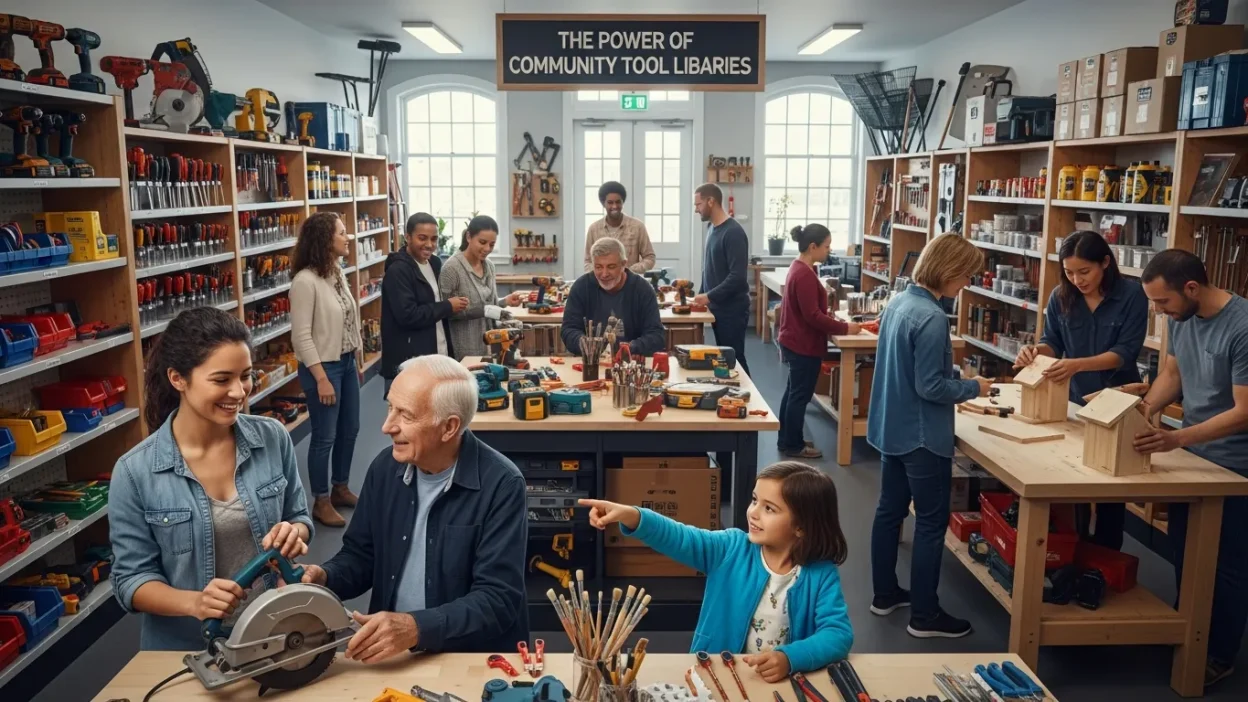
Community Tool Libraries promote sustainability, skill-building, and connection by sharing tools instead of buying. They reduce waste, save money, support DIY learning, and strengthen neighborhoods through collaboration, workshops, and community-driven resource sharing.
Many neighborhoods waste resources because tools sit unused. People also throw things away too quickly. Community Tool Libraries offer a simple and sustainable solution. When neighbors share tools, they reduce waste, save money, and build stronger relationships. These libraries are more than places to borrow drills or gardening tools. They are community hubs where people learn DIY skills, join workshops, and work together on local projects.
Community Tool Libraries help people learn new skills, support greener lifestyles, and encourage community action. This guide explains what tool libraries are, their benefits, real examples, and tips for creating one in your neighborhood.
What Are Community Tool Libraries?
Community Tool Libraries are shared spaces where residents can borrow tools and equipment. They work like normal libraries, but instead of books, they offer hand tools, power tools, gardening equipment, woodworking tools, and repair kits. This idea supports the sharing economy, the circular economy, and community sustainability.
Borrowing tools helps reduce waste and lowers the demand for new products. This also cuts down on carbon emissions from manufacturing and shipping. Tool libraries help communities live in a more eco-friendly way.
Many tool libraries offer more than tools. They host workshops, repair sessions, and DIY training. People learn skills like woodworking, bike repair, basic home maintenance, composting, and urban gardening. These activities help neighbors connect and learn from one another. Famous examples include the Toronto Tool Library, the Berkeley Tool Lending Library, and the Library of Things in the UK.
In short, Community Tool Libraries make it easy for people to learn, share, and live more sustainably. They build stronger and more connected neighborhoods.
Key Benefits of Community Tool Libraries
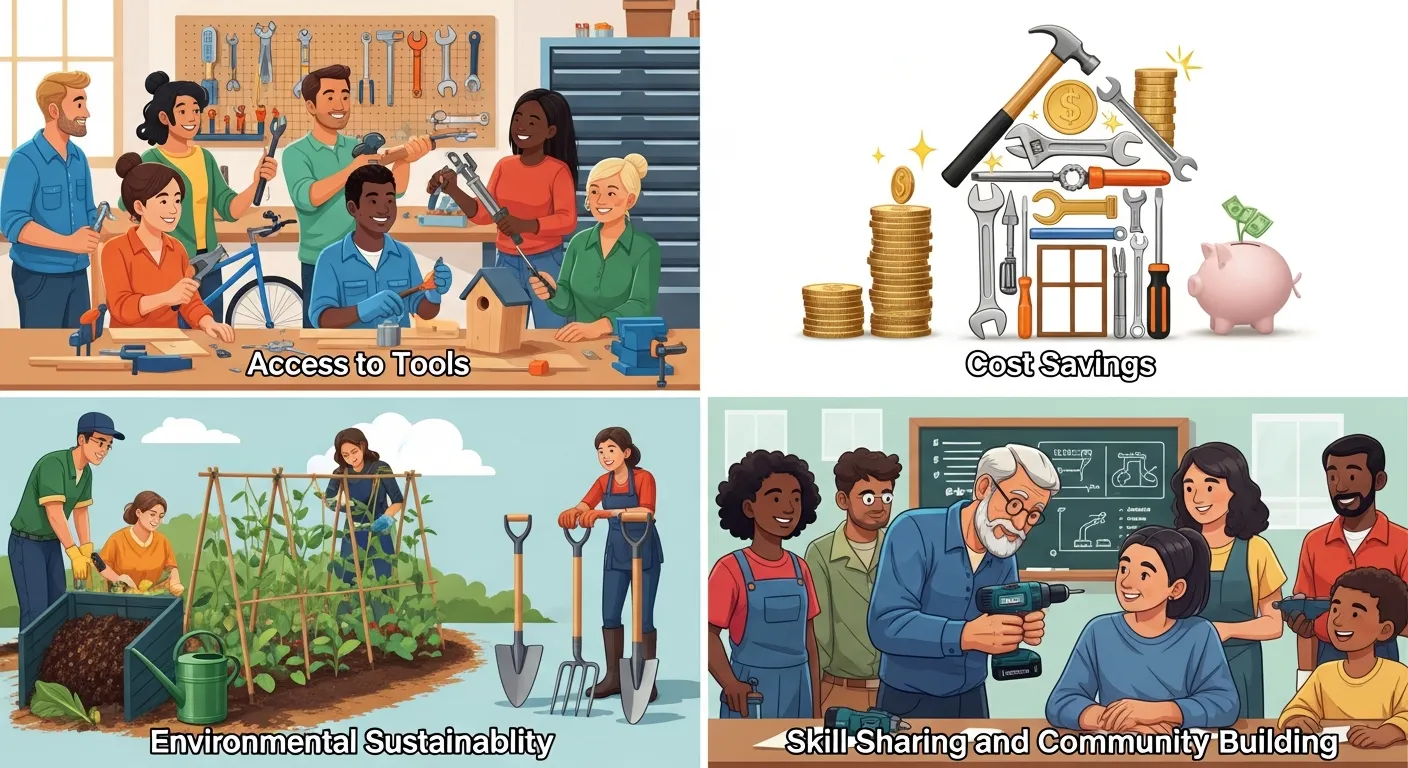
Community tool libraries offer many benefits. They support learning, sustainability, and community connection. Here are the main advantages:
1. Promote Sustainability
Sharing tools reduces the number of tools each household needs to buy.
-
Fewer purchases mean less waste and lower carbon emissions.
-
Communities practice resource sharing and repair culture.
-
Workshops teach eco-friendly habits like recycling, composting, and upcycling.
This supports global goals such as UN SDG 12: Responsible Consumption and Production.
2. Save Money
Tools can be costly and often used only once or twice.
-
Borrowing tools makes home repairs and DIY projects cheaper.
-
Members can explore hobbies like gardening or woodworking without buying expensive equipment.
-
Families save money on tools they rarely use.
3. Encourage Skill-Building and DIY Education
Community Tool Libraries offer simple, hands-on lessons.
-
Classes teach woodworking, home repair, bike repair, and upcycling.
-
People gain confidence using tools safely and correctly.
-
DIY education supports creativity and problem-solving.
This supports learning models used in makerspaces and FabLabs.
4. Strengthen Community Connection
-
Community Tool Libraries bring neighbors together beyond just borrowing tools.
-
People connect through workshops, repair cafés, and volunteer events.
-
These interactions help build trust and long-term relationships.
-
Shared experiences create a strong sense of belonging.
-
This reflects the importance of Emotional Connection in Marketing.
-
Meaningful interactions matter more than simple transactions.
-
Emotionally connected people show greater loyalty and advocacy.
-
When people feel emotionally invested, they are more likely to support, promote, and sustain the tool library.
5. Support Local Partnerships and Empowerment
Community Tool Libraries often partner with:
-
Local businesses
-
Nonprofits
-
Schools
-
Community groups
-
City sustainability programs
These partnerships help libraries grow. Volunteers also learn leadership and teamwork skills. This builds community strength and encourages civic engagement.
6. Access to Specialized Tools
Community Tool Libraries give members access to tools they cannot afford or store at home.
-
Items like power drills, saws, sewing machines, ladders, and gardening kits.
-
These tools help with home repairs, creative projects, and community builds.
-
Access removes barriers and supports innovation.
Real-World Examples of Community Tool Libraries

1. West Town Tool Library – Chicago, IL
West Town Tool Library, founded in 2011, serves over 600 members and houses more than 1,500 tools. Monthly fix-it nights encourage neighbors to repair broken items together. The program diverts tons of waste from landfills and strengthens local social networks.
2. Community Cycles Tool Collective – Portland, OR
This bike-focused tool library provides specialized equipment and repair workshops. Volunteers teach bike maintenance, creating skill-sharing networks while promoting sustainable transportation.
3. Bristol Urban Toolshelf – Bristol, UK
Bristol Urban Toolshelf, launched in 2018 to promote urban gardening, it offers tools, raised-bed kits, and workshops on composting and pollinator-friendly planting. The initiative improves local food production and environmental awareness.
How to Start Your Own Community Tool Library?
-
Conduct a Needs Assessment
-
Survey residents, nonprofits, and local authorities to identify the most-needed tools.
-
Use polls, community meetings, and social media for input.
-
-
Secure a Location
-
Consider community centers, garages, or underused commercial spaces.
-
Ensure accessibility for all, including people with disabilities.
-
-
Build an Inventory
-
Collect donations from residents, local stores, or eco-focused nonprofits.
-
Catalog tools digitally to track availability and maintenance.
-
-
Establish Policies
-
Set borrowing rules, late fees, and damage replacement procedures.
-
Consider tiered membership or workshop incentives.
-
-
Recruit Volunteers and Staff
-
Volunteers manage check-out, maintenance, and workshops.
-
Offer training, recognition, and leadership opportunities.
-
-
Launch Educational Programs
-
Host DIY workshops, gardening classes, furniture upcycling, and repair cafés.
-
-
Market Your Library
-
Promote through newsletters, social media, local schools, and environmental groups.
-
-
Evaluate and Iterate
-
Collect feedback, track metrics like tool usage, membership growth, and workshop attendance.
-
Adjust programs based on community needs.
-
Best Practices for Longevity of Community Tool Libraries
To keep a community tool library running successfully, it’s important to follow best practices that promote sustainability, engagement, and responsible management.
1. Inclusive Governance
Form a committee that represents different neighborhood groups, ages, and backgrounds. Inclusive leadership ensures all members have a voice in decision-making. This promotes community engagement, shared responsibility, and long-term support for the library.
2. Transparent Finances
Publish budgets, membership fees, and annual impact reports. Transparent finances build trust among members and potential donors. Showing how funds are used encourages more people to participate and support the library, strengthening civic participation and local collaboration.
3. Regular Maintenance of Tools
Inspect, clean, and repair tools frequently to ensure they are safe and functional. Regular maintenance prolongs the life of tools, reduces replacement costs, and supports sustainable living by encouraging reuse and repair instead of buying new tools.
4. Community Engagement
Rotate leadership roles to give more members responsibility. Host volunteer appreciation events and gather member feedback regularly. Encourage participation in DIY workshops, repair cafés, and collaborative projects. Engaged members are more likely to return tools on time, volunteer, and promote the library within the community.
5. Partnerships
Collaborate with local schools, nonprofits, small businesses, and sustainability groups. Partnerships can provide additional funding, tools, volunteers, and program support. Working with local organizations also helps spread awareness of tool-sharing programs and promotes skill-building and education in the neighborhood.
Overcoming Common Challenges in Community Tool Libraries
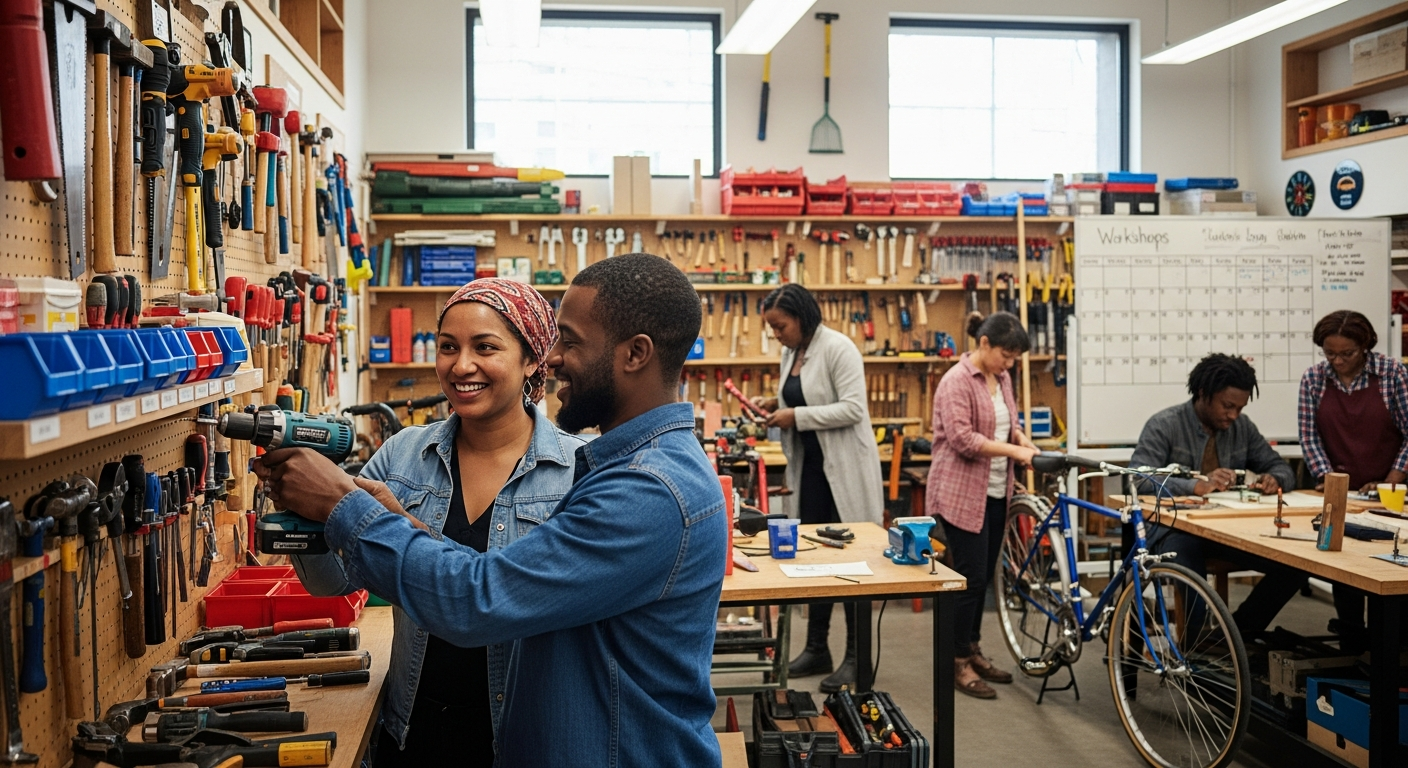
Even with strong planning, some challenges may arise. Here’s how to address them:
1. Limited Funding
Apply for grants, organize crowdfunding campaigns, or host local fundraisers. Membership fees and sponsorships from local businesses can also help. Creative funding supports sustainable community programs and ensures the library can continue offering workshops and tool lending.
2. Tool Loss or Damage
Require small deposits or digital check-out tracking for tools. Train members on proper use and safety. Implementing clear policies reduces loss and damage, encouraging responsible tool-sharing and accountability.
3. Volunteer Burnout
Rotate shifts to prevent fatigue and recognize contributions through events or certificates. Recruit new volunteers from universities, civic groups, or youth organizations. Maintaining a strong volunteer network supports community resilience and keeps programs running smoothly.
4. Low Member Engagement
Offer interesting programs like DIY education workshops, urban gardening projects, or repair cafés. Collaborative events strengthen social ties and keep members motivated. Regular engagement builds a culture of participation and increases the library’s impact in promoting community learning and sustainable living.
Conclusion
Community Tool Libraries show how resource sharing can make neighborhoods stronger. They help reduce waste, support sustainable living, and encourage a simple form of the circular economy. These tool-sharing programs also teach practical skills through easy workshops and DIY activities. People learn new things, fix items, and join local projects that improve their community.
Community Tool Libraries also increase community engagement. Neighbors meet, share knowledge, and support each other. This builds community resilience and creates a friendly, connected environment. People of all ages can learn together and take part in intergenerational collaboration.
Starting a tool library is simple. Gather your neighbors, choose a small space, and begin collecting tools through donations or partnerships. As your tool library grows, it becomes a local hub for DIY culture, learning, and collaboration. Over time, it turns into a strong center for community empowerment, sustainability, and connection.
FAQs
1. What is a community library and how does it support local learning?
A community library is a public place where people can read books, use digital resources, and join learning programs. It helps the community by offering free access to information, study spaces, and events that support education and lifelong learning.
2. What is the role of a library in a community and why is it important?
A library helps the community by promoting reading, supporting education, and offering safe spaces for activities. It provides books, computers, workshops, and programs that bring people together and encourage community engagement.
3. How does a community tool library work and what does tool sharing look like?
A community tool library lets members borrow tools instead of buying them. People check out tools, use them, and return them on time. Many also offer workshops and DIY events.
4. Can I start a community tool library if I only have a small space?
Yes, you can. Many tool libraries begin in very small spaces such as a garage, a storage room, or a corner of a community center. With organized shelves, labeled boxes, and a simple check-out system, even a small area can hold many tools. As the library grows, you can expand into a bigger space or partner with another local organization.
5. What tools are most commonly borrowed in a community tool library?
Most members borrow tools they do not want to buy for one-time or occasional use. These include hand tools like hammers and screwdrivers, power tools like drills, saws, and sanders, gardening tools such as shovels and trimmers, and seasonal tools like ladders or paint sprayers. These tools are helpful for home repairs, small building projects, and yard work.
6. How does a tool library help reduce waste and support sustainability?
A tool library reduces waste by cutting down the number of tools each person needs to buy. Many tools are used only a few times in their lifetime, so sharing them prevents unnecessary manufacturing and packaging. This lowers energy use, reduces carbon emissions, and keeps unused tools out of landfills. It also supports the circular economy and encourages people to repair instead of replace.
7. Are community tool libraries useful for both urban and rural communities?
Yes, tool libraries work well in both types of communities. Urban areas benefit because people often have limited storage space and need shared access to tools. Rural areas benefit because tools may be expensive or hard to find locally. Each community can choose tools and classes that fit local needs, such as farming tools in rural areas or repair tools in cities.
8. How can volunteers support and maintain a community tool library?
Volunteers play an important role. They help greet members, check tools in and out, organize shelves, and keep the space clean. Some volunteers repair broken tools or teach workshops on carpentry, bike repair, or gardening. Others help with digital catalog updates, social media, or fundraising events. Their support keeps the library active and welcoming.
9. What are the best ways to fund a community tool library?
Tool libraries can get money from many sources. Grants from local governments or nonprofits are common. Donations from residents, tool companies, or hardware stores help build the collection. Membership fees, small rental fees, crowdfunding campaigns, and business sponsorships also support the library. Partnerships with schools or community centers can reduce costs.
10. What creative programs can a community tool library offer to build DIY skills?
Community Tool Libraries can offer many hands-on learning activities. These include repair cafés where people fix broken items together, woodworking or furniture-building workshops, bike repair classes, home maintenance lessons, and urban gardening programs. They can also offer youth skill-building events and intergenerational learning sessions where older residents teach younger people.
11. How can a tool library encourage members to return tools on time?
Clear borrowing rules help set expectations. Digital reminders, such as texts or emails, can alert members before items are due. Some libraries use refundable deposits or small late fees to encourage responsibility. Friendly communication also helps build trust. When members understand why timely returns matter, they are more likely to follow the rules.
12. Can a community tool library help teach environmental education and green practices?
Yes, Community Tool Libraries are great places for environmental learning. They often host workshops on composting, waste reduction, sustainable gardening, recycling, upcycling, and eco-friendly DIY projects. These programs help people learn simple, practical steps they can use at home. This builds awareness and supports community sustainability.