
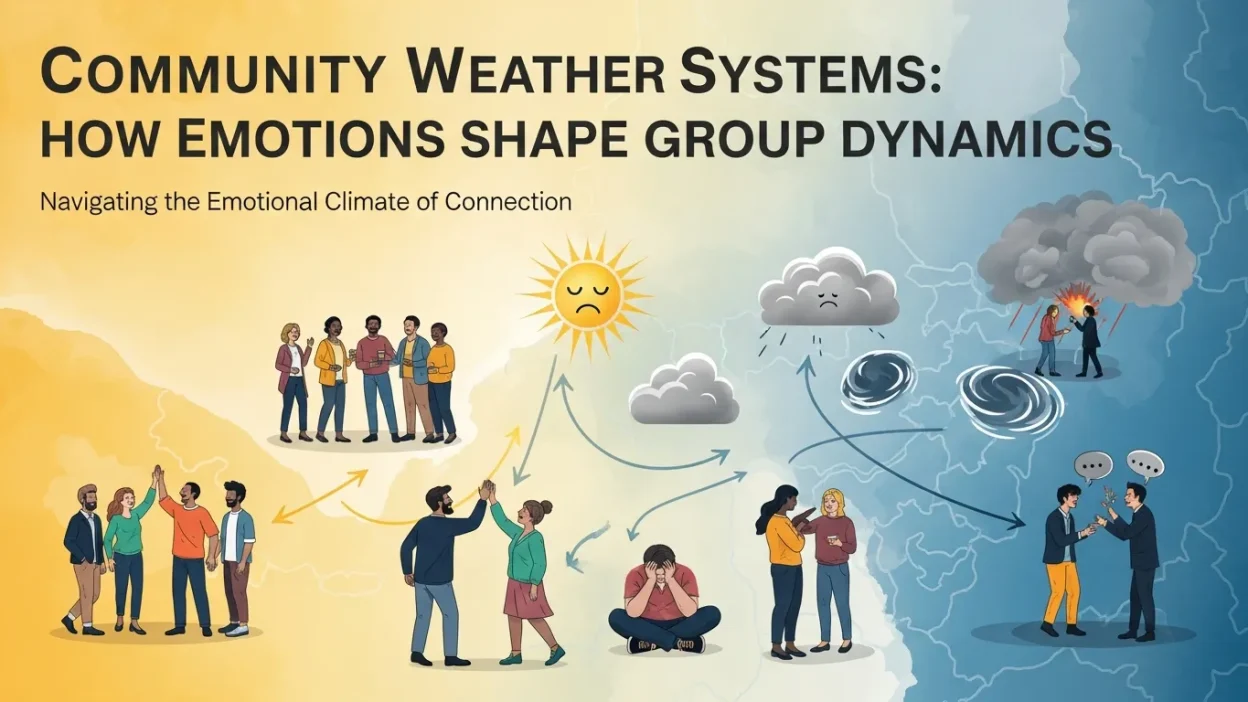
A Community Weather System represents the invisible emotional climate that shapes how groups interact, collaborate, and thrive. These emotional atmospheres—formed by collective moods, communication patterns, trust levels, and conflict dynamics—can energize or drain a community. By recognizing and intentionally managing these systems, leaders and members can foster trust, connection, and resilience, transforming subtle emotional cues into a thriving, high-functioning community.
Have you ever walked into a room and immediately sensed the “vibe”? That invisible yet palpable emotional energy that seems to hang in the air? This phenomenon isn’t just your imagination—it’s what experts call emotional weather systems, and they profoundly shape our communities.
What Are Community Weather Systems?
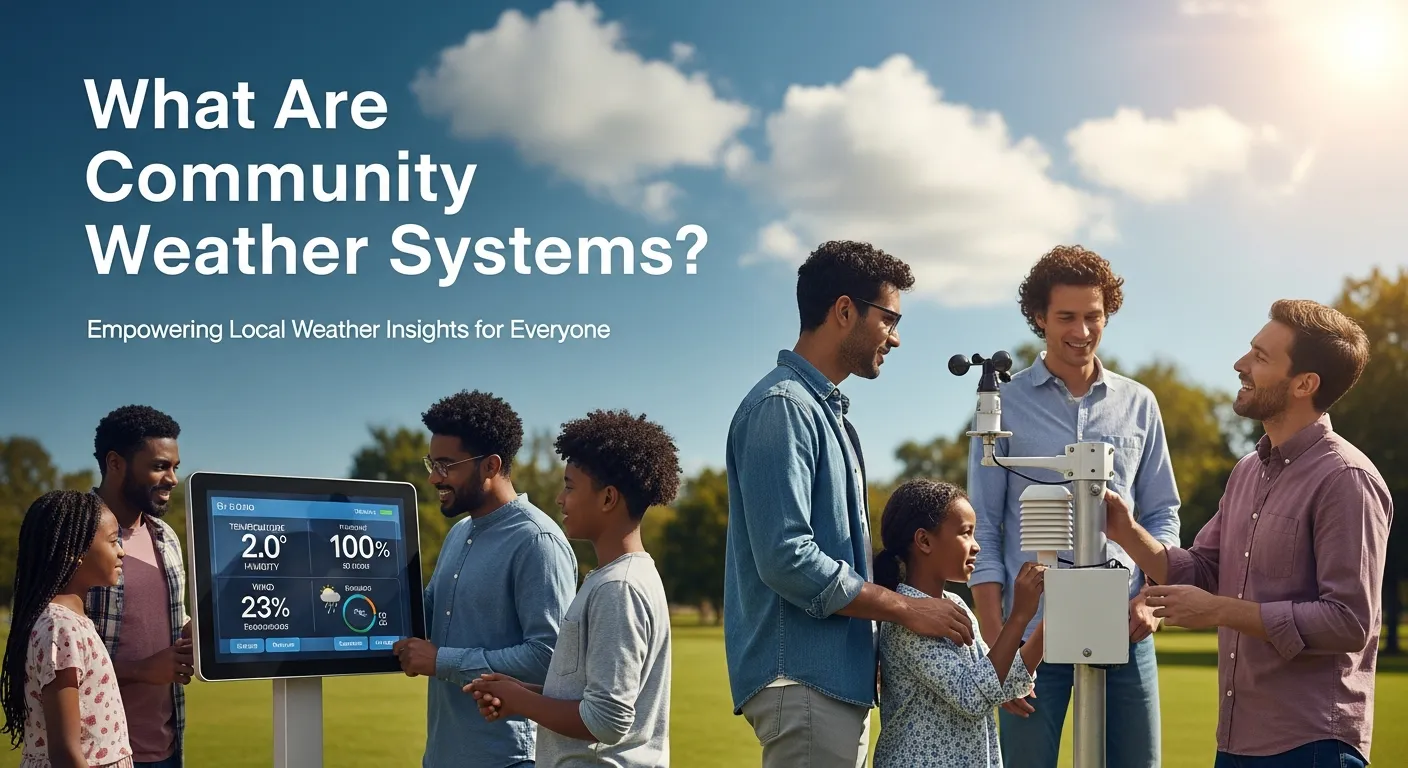
Just as meteorological weather patterns influence the environment around us, emotional climates profoundly shape our social spaces. These invisible yet powerful forces affect how people interact, collaborate, and feel when they come together.
Community weather systems emerge from the collective emotional states, communication patterns, and relational dynamics within a group. They are dynamic, constantly shifting with interactions, yet once established, they can create surprisingly persistent patterns of behavior and energy.
At Build Bonding, we’ve observed how these emotional atmospheres often form self-reinforcing cycles. Positive climates can energize members, foster creativity, and strengthen trust, while negative climates can drain energy, create tension, and erode cohesion over time. Understanding and intentionally managing these “emotional weather systems” is key to building resilient, thriving communities.
Community Weather Systems: Understanding the Invisible Climate
A Community Weather System represents the unseen emotional forces that influence how groups interact, collaborate, and thrive. Just like meteorological weather, these systems are dynamic—sometimes calm and harmonious, other times turbulent and tense—but they always shape the activity, mood, and energy of the community.
Recognizing a Community Weather System allows leaders and members to see beyond surface interactions and understand how subtle shifts in tone, communication, and behavior impact the overall environment. Awareness of these emotional patterns is the first step toward intentionally creating a healthier, more resilient community climate. By observing and responding to the community’s emotional weather, groups can foster trust, collaboration, and a sense of belonging, ensuring that their collective potential is fully realized.
Key aspects of community emotional climates:
- Collective moods and energy levels
- Communication styles and patterns
- Trust and psychological safety indicators
- Conflict resolution tendencies
Reading the Emotional Barometer
Understanding your community’s emotional climate is a crucial first step toward fostering a healthier, more connected environment. Just as meteorologists track temperature and pressure to predict weather, community leaders can read key indicators to gauge the “emotional weather” within their groups.
Some of the most telling signs include:
- Communication Patterns: Observe whether interactions are generally supportive, collaborative, and constructive, or if they tend to be critical, dismissive, or guarded. Are members sharing ideas openly, or do they hesitate to speak for fear of judgment? Patterns in communication reveal how safe people feel expressing themselves.
- Energy Levels: Pay attention to the overall energy of the group. Do members leave meetings feeling energized, motivated, and inspired, or do they feel drained and disengaged? Group energy often reflects whether the emotional climate is positive or tense.
- Conflict Patterns: Notice how disagreements arise and are managed. Are conflicts approached with curiosity and a willingness to understand multiple perspectives, or do they trigger defensiveness, avoidance, or blame? How disagreements are handled signals the community’s resilience and emotional maturity.
- Trust Indicators: Look for signs of psychological safety. Are members willing to share vulnerabilities, admit mistakes, and ask for help, or do they maintain protective barriers? High levels of trust indicate a climate where individuals feel valued and secure.
Research from the Center for Creative Leadership emphasizes that communities with positive emotional climates see tangible benefits: increased creativity, enhanced problem-solving abilities, and stronger collaboration. By consciously observing these indicators, leaders can identify areas of strength, pinpoint emerging challenges, and take intentional steps to nurture a more balanced and thriving emotional environment.
Signs of Emotional Weather Shifts
Every community displays subtle signs that its emotional climate is shifting. Leaders who recognize these indicators early can act to amplify positivity or address negativity before it spreads.
Monitoring energy flow, conversation tone, and members’ engagement levels provides insight into the “forecast.” These observations help identify both storms and sunny periods in group dynamics.
Indicators of emotional weather include:
- Supportive vs critical communication
- High vs low energy in interactions
- Constructive vs defensive conflict resolution
- Willingness to share vulnerability
Weather Makers and Disruptors
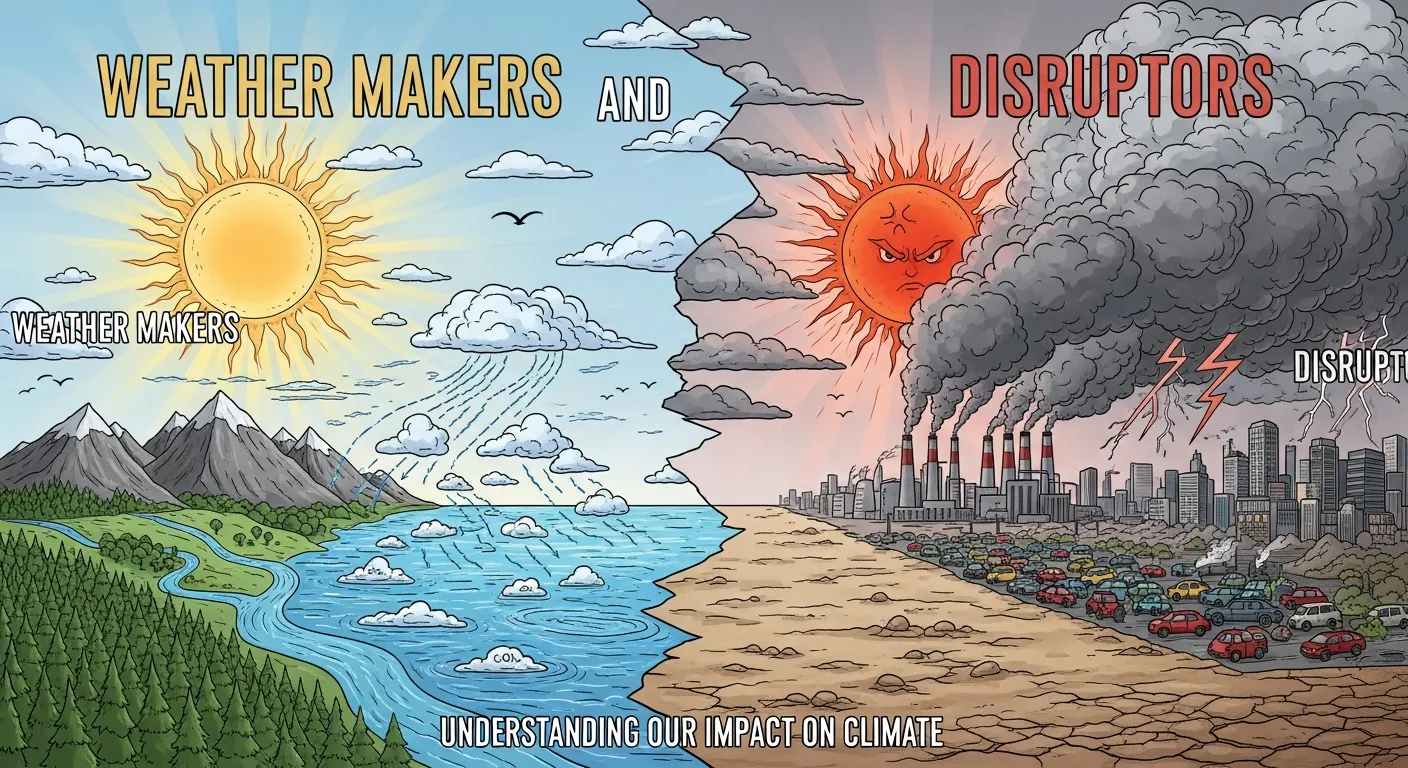
Within every community, certain individuals act as powerful influencers of the group’s emotional climate—what we call emotional “weather makers.” These people may not hold official leadership titles, yet their presence can profoundly shape how others feel, behave, and interact.
Positive weather makers are those who consistently lift the group’s energy. They model empathy, active listening, and genuine curiosity, creating psychological safety where members feel seen, valued, and free to participate. Their influence encourages collaboration, trust, and openness, often leading to higher creativity, problem-solving, and overall engagement within the community.
On the other hand, disruptors function like storm fronts. They can unintentionally—or sometimes deliberately—introduce tension, defensiveness, or negativity into the group. Criticism, dismissive remarks, or dominating communication styles can create unease, lower morale, and even inhibit participation. These individuals don’t need formal authority to affect the emotional climate; their attitudes and behaviors ripple through the group, influencing interactions and shaping collective perception.
Identifying Weather Makers in Communities
Some members act as catalysts for the community’s emotional climate. These weather makers can either enhance positivity or introduce tension.
Recognizing who holds influence over emotional climates allows communities to reinforce healthy patterns and mitigate negative disruptions. Strategic awareness of these members is key to maintaining a balanced environment.
Weather maker behaviors include:
- Demonstrating empathy and curiosity
- Validating others’ contributions
- Spreading tension through critical remarks
- Influencing group energy positively or negatively
Cultivating Healthier Weather Systems
Shifting emotional climates requires consistent, intentional effort. Here are practical approaches that create lasting change:
Name what’s happening. Developing shared language around emotional dynamics makes the invisible visible. Simple check-ins about the “weather” can normalize discussions about group feelings.
Model desired behaviors. Emotional states are contagious. When key members demonstrate vulnerability, curiosity, and compassion, others follow suit.
Create rituals that reinforce connection. Regular practices like appreciation circles, meaningful check-ins, or celebration routines establish positive emotional anchors.
Address storms directly. When negative patterns emerge, addressing them promptly prevents escalation. The Harvard Negotiation Project offers excellent resources for navigating these challenging conversations.
Modeling Desired Emotional Patterns
Community weather systems are highly influenced by the behaviors of key individuals. When members, especially leaders or influential participants, consistently demonstrate compassion, active listening, and emotional openness, they set the tone for the entire group. Others naturally observe and emulate these behaviors, reinforcing a positive emotional climate.
Intentional modeling goes beyond individual actions—it communicates group norms and expectations, showing members what respectful, empathetic, and constructive interaction looks like in practice. Over time, these modeled behaviors help establish a culture of trust, psychological safety, and collaboration.
Effective ways to model positive behavior include:
- Practicing vulnerability and openness: Share personal experiences, challenges, or lessons learned to normalize honesty and create psychological safety.
- Showing appreciation publicly and privately: Recognize contributions, effort, or empathetic actions to reinforce positive behavior and make members feel valued.
- Listening actively without judgment: Pay full attention, reflect back what you hear, and validate others’ feelings to encourage openness and reduce defensiveness.
- Maintaining calm during conflicts: Respond thoughtfully rather than reacting impulsively, demonstrating that disagreements can be navigated constructively.
- Encouraging reflection and perspective-taking: Prompt members to pause, consider alternative viewpoints, and reflect on group interactions to deepen understanding and emotional awareness.
By consistently modeling these behaviors, individuals help shape the group’s emotional climate, creating a self-reinforcing cycle where positive interactions become the norm and emotional intelligence spreads naturally throughout the community.
The Ripple Effect
One of the most remarkable aspects of community weather systems is their ripple effect. Emotional climates rarely remain confined to a single group or space—they radiate outward, subtly influencing connected communities, networks, and relationships.
For example, when a team cultivates a positive, supportive environment, members carry that energy into other groups, meetings, or social interactions. Conversely, unresolved tension or negativity in one area can seep into adjacent communities, creating wider patterns of stress or disengagement.
This phenomenon highlights why intentional community building carries such transformative potential. By consciously shaping the emotional climate in one space—through trust, empathy, and constructive communication—leaders can trigger a cascade of positive effects that extend far beyond the immediate group. In this way, improving emotional weather in one context can set the stage for broader cultural or organizational change, amplifying impact in ways that are often invisible but profoundly powerful.
Building Your Community Weather Management Skills
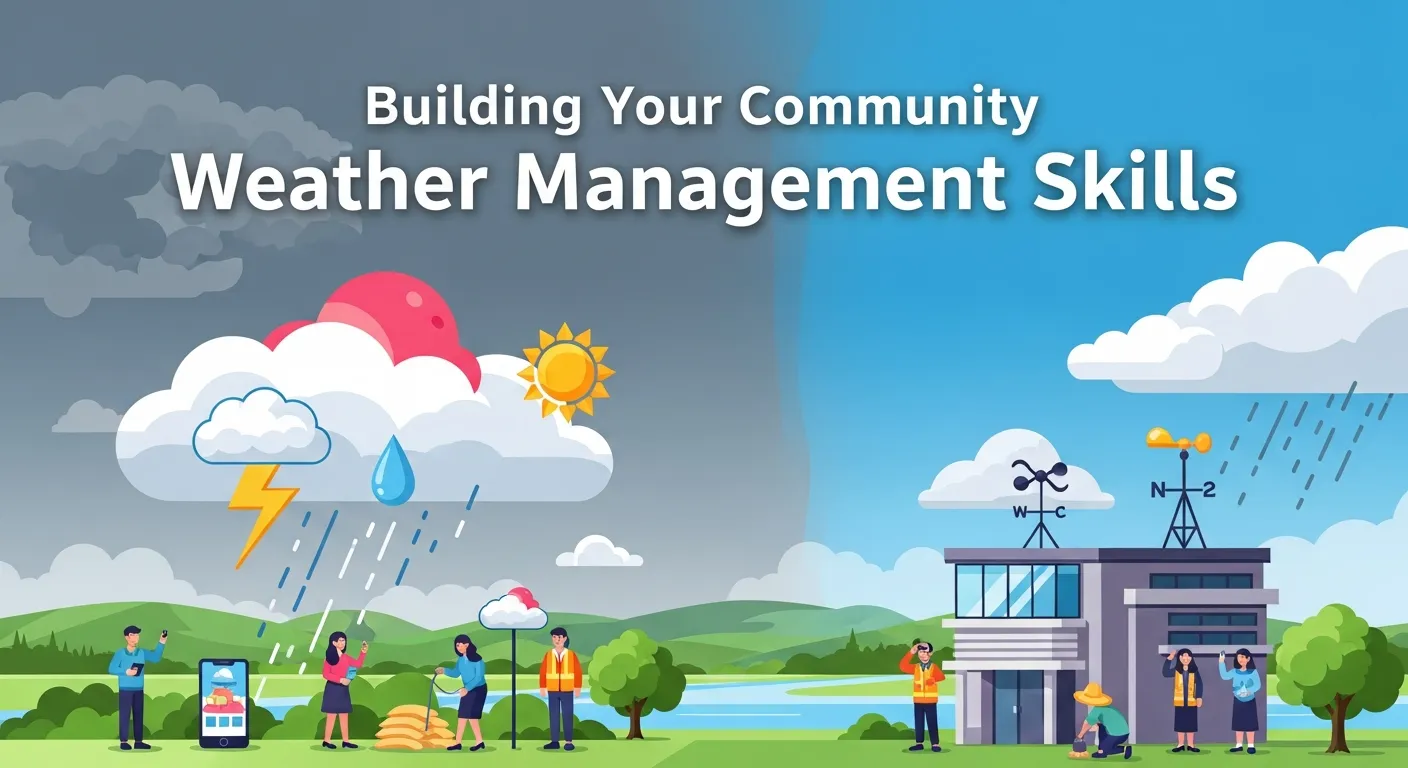
Understanding a Community Weather System isn’t just theoretical—it’s a practical skill that strengthens all your relationships and the health of the community as a whole. By developing emotional intelligence, active listening, and group facilitation abilities, you can become an effective “weather manager,” capable of reading the emotional climate and guiding it toward positivity and collaboration.
Sustainable communities thrive when members pay continuous attention to their Community Weather System. This means observing communication patterns, energy levels, and trust dynamics, then intentionally taking steps to nurture supportive and constructive interactions. While the work is ongoing and never truly complete, the rewards are significant: deeper connection, increased creativity, stronger collaboration, and a more resilient, engaged community.
Ask yourself: What is the current Community Weather System in your group? Are there areas of tension or patterns that drain energy? And most importantly, what proactive steps can you take to cultivate a climate where everyone feels safe, valued, and empowered to contribute?
Conclusion
Understanding and managing a Community Weather System is essential for building resilient and engaged communities. Emotional climates are dynamic and contagious, influenced by both “weather makers” and disruptors. By cultivating awareness, modeling positive behavior, and establishing rituals that reinforce connection, communities can turn emotional patterns into sources of energy, collaboration, and growth. Ultimately, intentional attention to the emotional weather ensures sustainable relationships, trust, and long-term community success.
FAQs: Community Weather Systems
1. What is a Community Weather System?
A Community Weather System is the collective emotional climate within a group that shapes how members interact, make decisions, and engage with one another. It encompasses moods, energy levels, and relational dynamics that influence overall cohesion and productivity.
2. Why is it important to understand a Community Weather System?
Understanding the emotional climate helps leaders and members foster positive interactions, prevent toxic patterns, address issues early, and build trust and engagement within the community.
3. What are the key components of a Community Weather System?
The main components include:
- Collective moods and emotional energy
- Communication styles and tone
- Trust and psychological safety
- Conflict resolution patterns
- Behavioral norms and engagement levels
4. How do emotional climates affect community performance?
A positive emotional climate enhances creativity, collaboration, problem-solving, and member engagement. Conversely, negative climates drain energy, reduce participation, increase conflict, and erode trust over time.
5. Who are “weather makers” in a community?
Weather makers are individuals whose attitudes and behaviors strongly influence the group’s emotional climate. Positive weather makers uplift energy, promote trust, and model empathy, while negative ones may create tension, defensiveness, or disengagement.
6. How can leaders cultivate healthier Community Weather Systems?
Leaders can improve the emotional climate by:
- Modeling desired emotional behaviors
- Naming and acknowledging feelings and dynamics
- Creating rituals that reinforce connection
- Addressing negativity or conflicts promptly
- Encouraging open and supportive communication
7. What role does communication play in community weather?
Communication patterns are a key indicator of emotional climate. Supportive, transparent, and collaborative communication fosters trust and energy, while dismissive, critical, or guarded exchanges increase tension and hinder engagement.
8. How can conflict influence a Community Weather System?
When conflicts are addressed constructively, they can strengthen trust, understanding, and resilience. Ignored or poorly managed conflicts, however, tend to create persistent tension and can negatively impact the group’s emotional climate.
9. What is the ripple effect in community weather?
Emotional climates rarely remain confined to a single group. Positive or negative energy can spill over, affecting other teams, networks, or communities, influencing behaviors and interactions beyond the original group.
10. How can community members monitor their emotional climate?
Members can assess the emotional weather by observing:
- Overall energy and engagement levels
- Tone and openness in communication
- Frequency and handling of conflicts
- Willingness of members to share vulnerabilities and provide support
11. Can a Community Weather System be intentionally improved?
Yes. By cultivating emotional intelligence, practicing active listening, facilitating safe discussions, modeling desired behaviors, and establishing positive rituals, communities can actively shape and enhance their emotional climate.
12. What are the long-term benefits of managing a Community Weather System?
Effectively managing emotional climates results in:
- Stronger trust and relationships
- Higher collaboration and creativity
- Enhanced resilience and adaptability
- Greater member engagement and retention
- A thriving, cohesive, and high-functioning community