
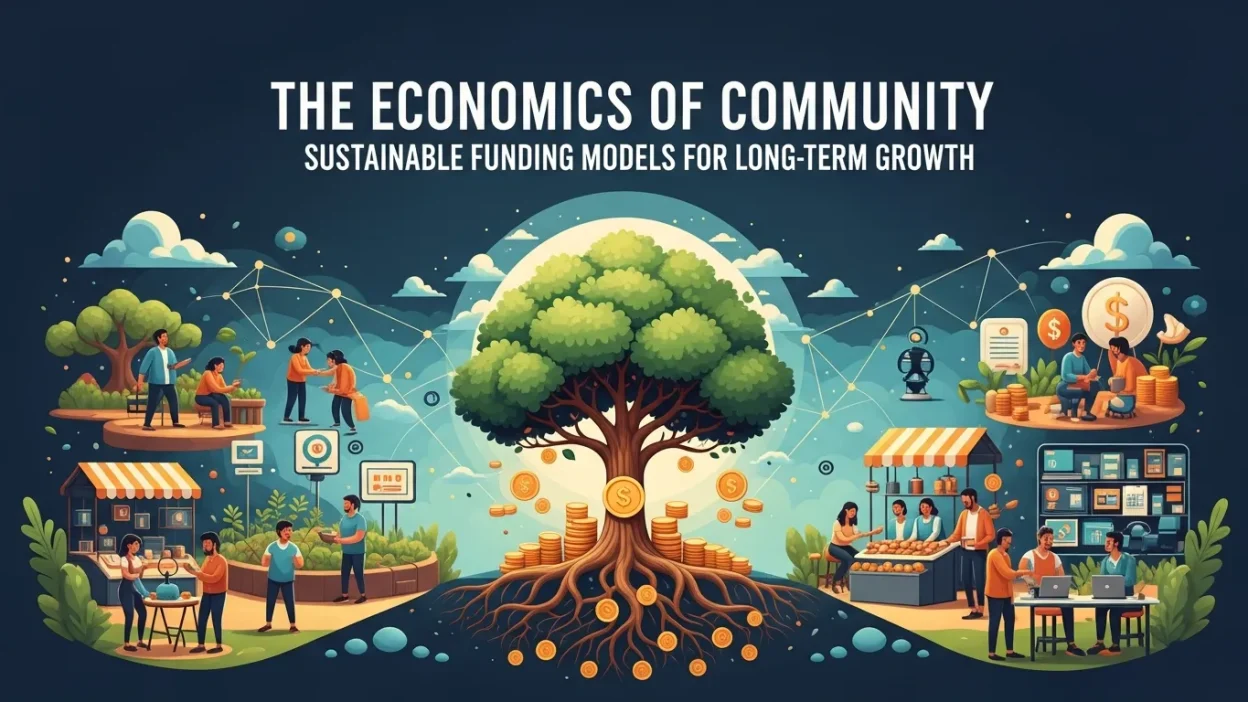
Community Economics explores how communities create, capture, and manage value to remain sustainable over time. Even mission-driven communities need funding to cover operational costs, events, platforms, and the time of community managers. Sustainable Funding for Growth involves aligning economic models with community values, whether through membership tiers, sponsorships, events, value-added services, or grants. When implemented transparently and thoughtfully, funding reinforces the community’s mission, enhances member experience, and enables long-term growth.
Community builders often begin their journey fueled by passion rather than profit motives. Yet even the most mission-driven communities eventually face economic realities. Resources, platforms, events, and the precious time of community managers all come with costs. Without sustainable funding, communities risk burnout, stagnation, or dissolution—regardless of how passionate their members may be.
The conversation around community economics often feels uncomfortable. Some fear that introducing money will corrupt the authentic connections they’ve worked hard to foster. Others worry about alienating members through monetization. These concerns are valid, but they needn’t prevent communities from developing sustainable economic foundations.
The truth is that thoughtful funding models can actually enhance community value rather than diminish it. When aligned with community values and transparently implemented, economic sustainability enables communities to serve their members more effectively over the long term.
Value Exchange: The Foundation of Community Economics
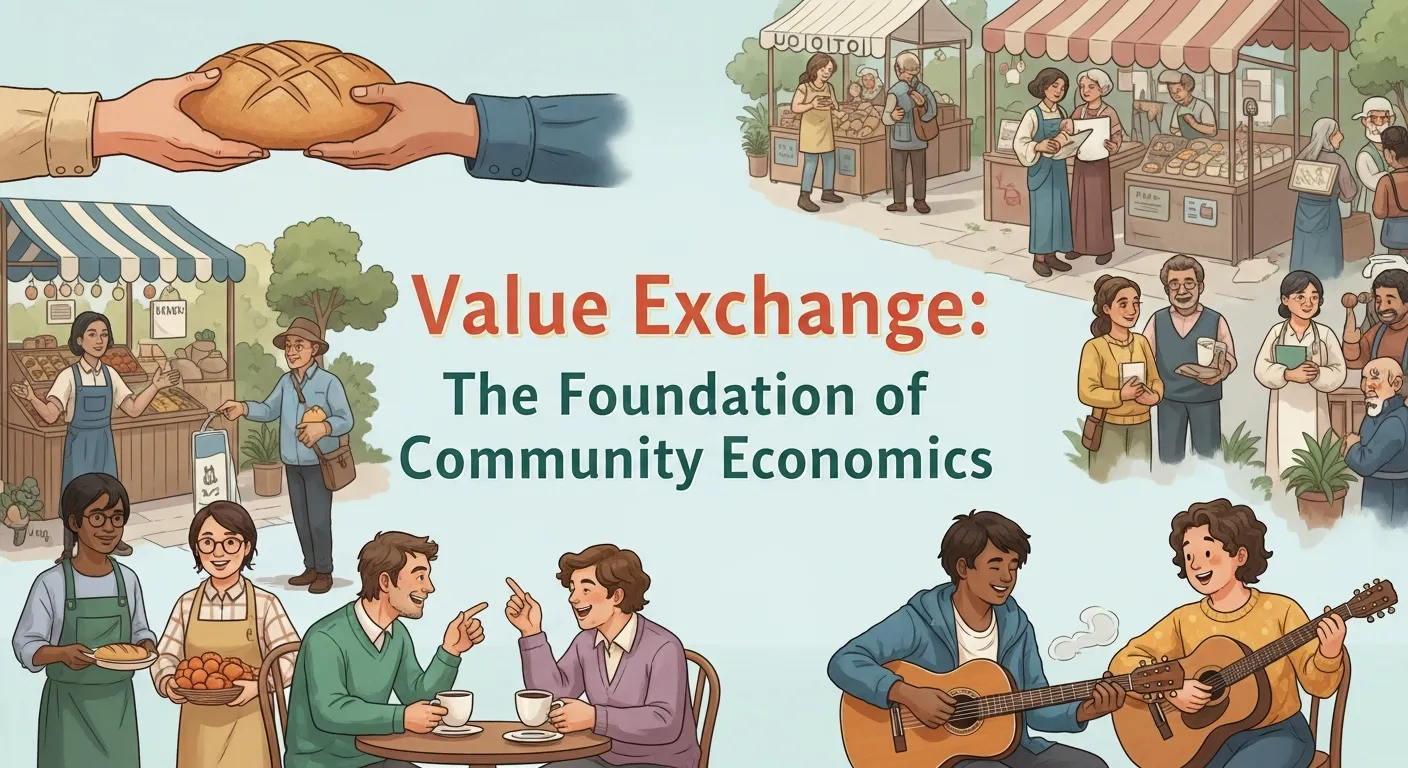
At its core, community economics revolves around value exchange. Communities create various forms of value—connection, information, opportunities, support, and more. Sustainable funding models identify where and how this value creation can ethically generate financial resources to support ongoing operations.
The most successful community funding approaches match their economic model to their specific value creation. Knowledge-sharing communities might monetize through educational offerings. Professional communities might focus on career advancement opportunities. Support-oriented communities might partner with relevant service providers.
At BuildBonding, we’ve observed that communities struggle most when their funding model contradicts their core value proposition. For instance, a community built around free knowledge-sharing may undermine its foundation by suddenly placing its best resources behind paywalls. The key lies in finding funding approaches that reinforce rather than compromise your community’s purpose.
Membership Models: Direct Value Exchange
Membership fees represent the most straightforward community funding approach. Members pay directly for the value they receive, creating clear accountability and alignment. Various membership structures offer different advantages:
Tiered memberships allow communities to serve diverse audiences with varying needs and resources. Basic tiers might provide core community access, while premium tiers offer enhanced experiences, exclusive content, or additional services. This approach can make communities financially accessible while still generating needed revenue.
Annual memberships provide predictable income and encourage longer-term member commitment. They reduce administrative overhead compared to monthly billing and help members psychologically commit to the community. Many communities offer discounted annual rates to incentivize this longer-term relationship.
Founding member programs reward early supporters with special benefits, recognition, or lifetime access. Beyond immediate revenue generation, these programs create a core of highly invested members who often become community champions and contributors.
Sliding scale memberships address economic diversity within communities. By allowing members to pay according to their means—sometimes with self-selection of payment levels—communities can remain accessible while still covering costs. According to research from the Membership Puzzle Project, organizations that implement thoughtful sliding scales often end up with higher average contributions than fixed-rate models.
Sponsor and Partnership Models: Indirect Funding
Sponsorships and partnerships offer alternative funding streams that don’t directly charge members. Corporate sponsors may support community operations in exchange for visibility, relationship-building with members, or alignment with the community’s mission.
Ethical sponsorship requires careful partner selection and transparent boundaries. Communities should select sponsors whose values align with their own, clearly disclose sponsorship arrangements, and maintain editorial independence. Many communities develop explicit sponsorship policies that protect member interests while creating valuable opportunities for partners.
Affiliate partnerships generate revenue when communities recommend products or services that genuinely benefit members. By focusing on authentic recommendations and transparent disclosure of affiliate relationships, communities can maintain trust while creating sustainable income.
Grant funding supports communities working on issues that align with foundation missions. While grants typically provide time-limited funding rather than sustainable revenue, they can offer crucial support during community development phases or for specific initiatives. Communities seeking grant funding should consider how they’ll sustain operations after grant periods conclude.
Value-Added Service Models: Enhancing the Core Offering
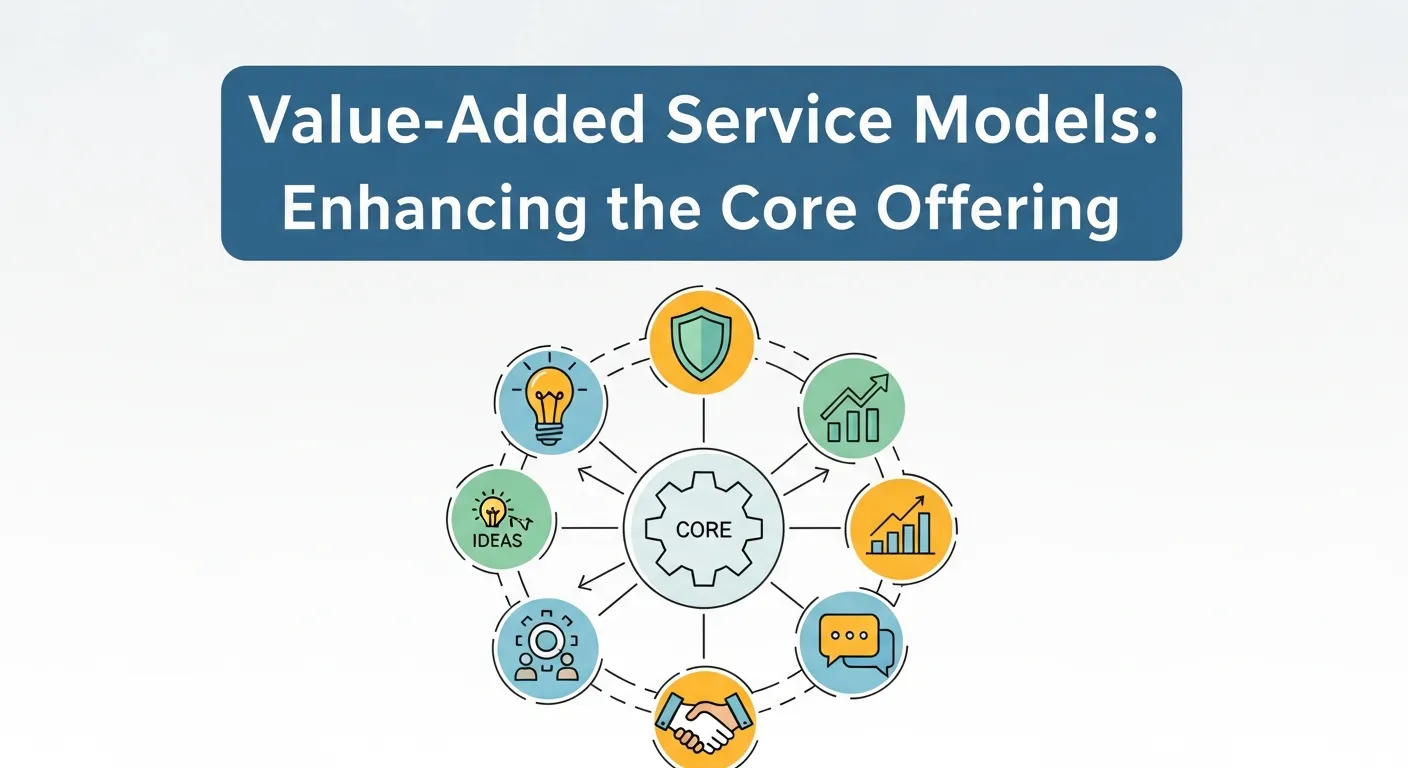
Many communities find sustainable funding through value-added services that complement their free community offerings. Educational communities might offer courses, workshops, or certification programs. Professional communities might provide career services, recruitment solutions, or specialized training. Support communities might develop coaching programs or specialized resources.
Events represent another proven value-added approach. From conferences to retreats to workshops, in-person and virtual gatherings provide enhanced connection opportunities that members often willingly pay for. According to CMX’s Community Industry Report, communities that incorporate events into their business model report higher member satisfaction and stronger financial sustainability.
Marketplace models facilitate economic activity between community members while generating revenue through transaction fees or listing charges. By helping members find clients, collaborators, or customers, communities create tangible economic value that justifies their own sustainability needs.
Consulting services allow community leaders to monetize their expertise while keeping the core community accessible. By offering implementation support, custom advice, or strategic guidance, community builders convert their knowledge into revenue without compromising community values.
Data-Driven Approaches: Measuring Economic Impact
Sustainable community economics requires ongoing measurement and adjustment. Rather than implementing funding models and hoping for the best, successful communities track key metrics that reveal economic health and member response.
Beyond basic revenue tracking, monitor retention rates across different payment tiers. Are premium members renewing at expected rates? If not, you may need to enhance value delivery or adjust pricing. Conversion rates from free to paid offerings provide insights into how effectively your community demonstrates value worth paying for.
Member feedback about economic models proves invaluable. Regular surveys, focus groups, and one-on-one conversations help communities understand how funding approaches affect member experience. Communities should specifically ask about perceived value relative to cost and willingness to continue participating at current price points.
Opportunity cost awareness helps communities allocate resources efficiently. Every hour spent on low-return activities represents time not invested in high-impact initiatives. By tracking where community managers spend their time relative to revenue generation and value creation, communities can optimize their operational approach.
Cultural Considerations: Money and Community Values
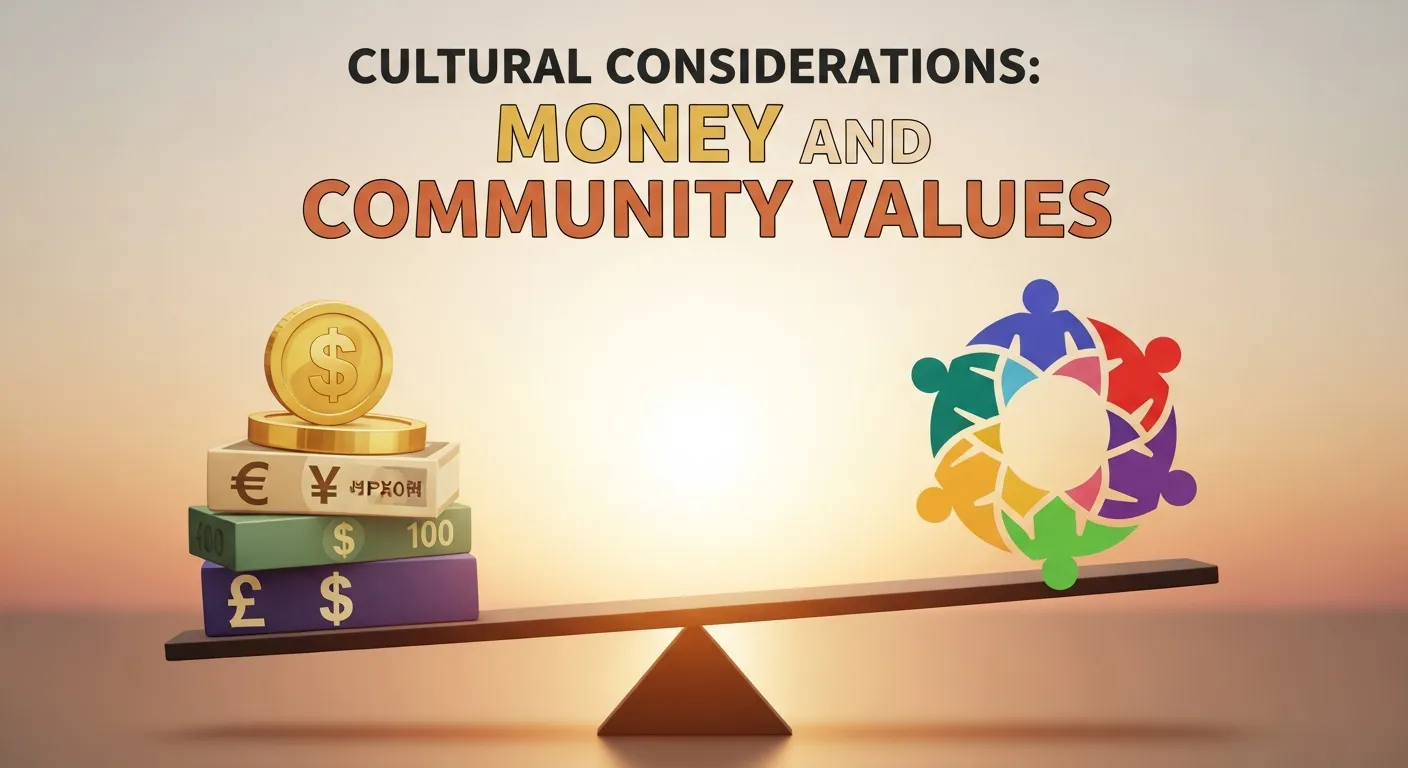
Perhaps the most challenging aspect of community economics involves navigating the cultural implications of monetization. How communities introduce, discuss, and implement funding models profoundly affects how these approaches are received.
Transparency builds trust during economic transitions. When implementing or changing funding models, explain why these changes are necessary, how they support the community’s mission, and how resources will be allocated. Detailed transparency isn’t just about disclosing numbers—it’s about sharing the reasoning behind economic decisions.
Member involvement in economic decisions increases buy-in. Consider creating advisory boards that include both paying and non-paying members to provide input on funding approaches. Some communities even practice open-book management, sharing financial information with members and inviting their perspectives on sustainability challenges.
Value-first messaging focuses on benefits rather than transactions. Instead of emphasizing what members must pay, highlight what their economic contribution makes possible. Frame financial support as investment in collective impact rather than mere payment for services.
Economic inclusion ensures communities remain accessible across socioeconomic differences. Scholarship programs, community-funded memberships, and contribution alternatives (like volunteer roles in exchange for access) help maintain diversity while building sustainable funding.
Balancing Mission and Margin
The healthiest community economics find balance between mission fulfillment and financial sustainability. Neither pure profit-seeking nor financial avoidance serves communities well in the long run. Instead, successful communities develop what some call “mission-aligned revenue”—funding approaches that simultaneously advance their purpose and ensure their sustainability.
For many communities, this means maintaining a mix of free and paid offerings. Core community spaces often remain accessible to all, while enhanced experiences, specialized resources, or premium services generate revenue from those with greater needs or resources. This hybrid approach preserves inclusivity while creating sustainable operations.
Remember that financial sustainability isn’t just about covering current costs—it’s about investing in future growth and impact. Communities should aim not merely to survive but to build reserves that enable them to weather challenges, seize opportunities, and continually enhance member value.Reading continue Community Economics: Developing Circular Value Systems
Evolution Over Time: Adapting Economic Models as Communities Mature
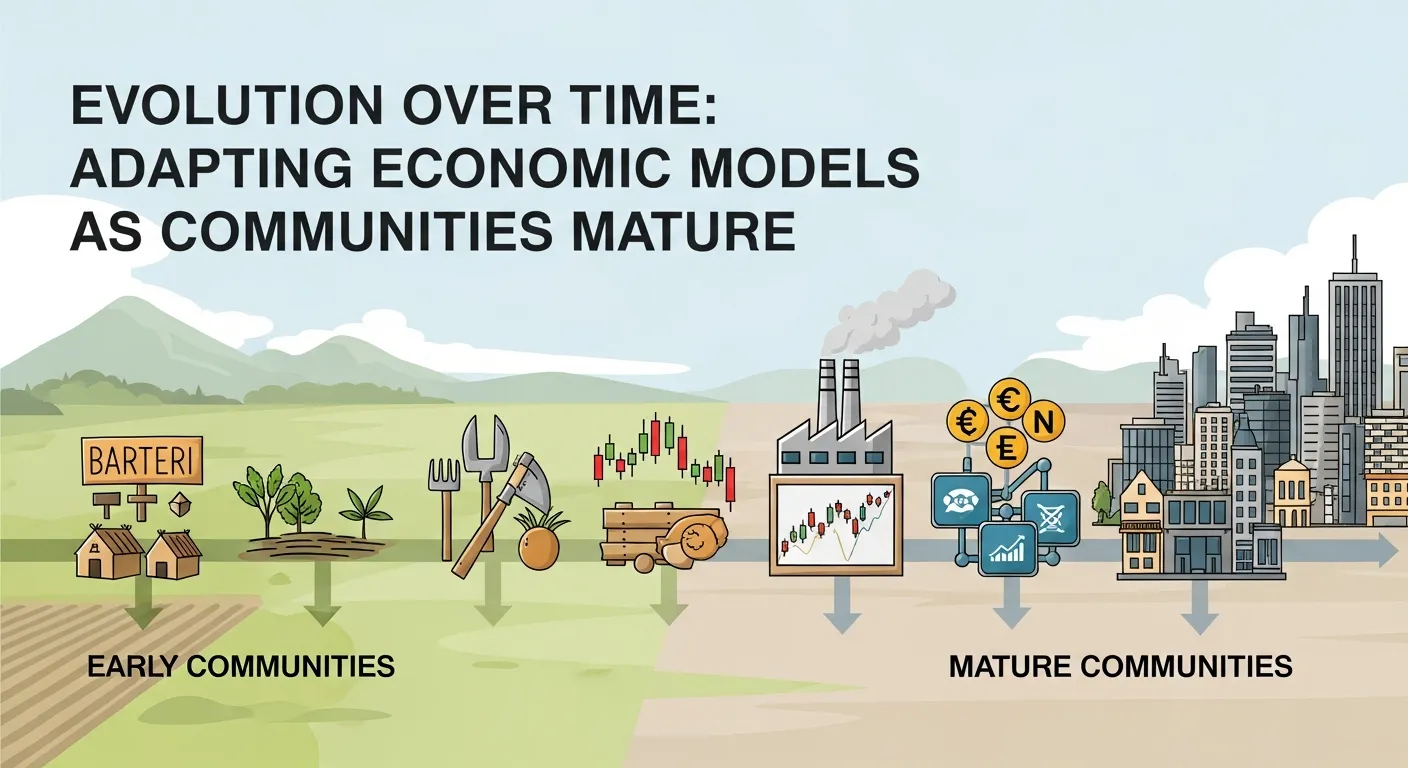
Community economics rarely remain static. As communities evolve, their funding needs and opportunities typically change as well. Early-stage communities often rely on founder investment, volunteer labor, or minimal infrastructure. As they grow, more robust and diverse funding streams become both necessary and possible.
The most resilient communities develop funding portfolios rather than single revenue sources. By combining membership fees, sponsorships, events, products, and services in appropriate proportions, communities reduce dependency on any single income stream. This diversity provides stability during market fluctuations or changes in member circumstances.
Regular economic review should become part of community governance. At least annually, community leaders should evaluate whether current funding approaches still align with community values, adequately support operations, and position the community for future success. These reviews should consider both financial metrics and qualitative factors like member satisfaction and mission advancement.
Conclusion: The Courage to Value Your Community’s Worth
Building sustainable community economics requires courage—the courage to acknowledge that valuable communities deserve financial support, to have sometimes uncomfortable conversations about money, and to ask members to invest in collective value. This courage ultimately serves your community’s mission by ensuring you can continue creating impact over the long term.
When approached thoughtfully, economics need not corrupt community. Instead, sustainable funding enables communities to deepen their impact, extend their reach, and fulfill their purpose more effectively. By aligning economic models with community values, maintaining transparent communication, and continuously measuring impact, community builders can create financial foundations that support rather than undermine their vision.
The most successful communities recognize that sustainability isn’t about maximizing profit—it’s about generating sufficient resources to maximize mission fulfillment. With this perspective, the question shifts from whether communities should develop economic models to how they can develop models that honor their unique purpose and values.
FAQs – Community Economics & Sustainable Funding for Growth
1. What is Community Economics?
Community Economics is the study and practice of how communities create, capture, and manage value to sustain operations, serve members, and achieve their mission. It involves both tangible resources and intangible benefits like knowledge, connections, opportunities, and shared experiences, forming the foundation for sustainable funding for growth.
2. Why is Sustainable Funding for Growth important?
Sustainable funding for growth ensures that communities can continue providing services, organizing events, maintaining platforms, and supporting community managers without risk of burnout or mission drift. It allows communities to plan long-term, invest in quality experiences, and scale responsibly.
3. How do communities generate revenue ethically?
Communities generate revenue ethically when their Community Economics strategies align with their values. Typical methods include membership fees, sponsorships, grants, events, value-added services, marketplaces, or consulting. Ethical monetization reinforces community purpose and supports sustainable funding for growth without undermining trust.
4. What are membership-based funding models?
Membership models are a core aspect of Community Economics and sustainable funding for growth. Members pay for access or premium experiences. Models can include tiered memberships for different engagement levels, sliding-scale fees for inclusivity, annual memberships for predictable revenue, and founding member programs that strengthen commitment and investment in the community.
5. How do sponsorships and partnerships work?
Sponsorships and partnerships contribute to Community Economics by providing indirect funding streams. Communities collaborate with aligned organizations or companies, gaining financial support or resources, while sponsors gain visibility. Maintaining transparency, value alignment, and clear boundaries ensures these funding approaches support sustainable funding for growth ethically.
6. What are value-added services?
Value-added services help communities strengthen Community Economics by offering enhanced experiences while generating revenue. Examples include workshops, certifications, training programs, coaching, consulting, and exclusive events. These services complement core offerings and create opportunities for sustainable funding for growth.
7. How can communities measure funding effectiveness?
Effective Community Economics requires tracking metrics such as revenue, retention rates, conversion from free to paid offerings, engagement with value-added services, and opportunity costs of staff time. These insights inform adjustments to maintain sustainable funding for growth while preserving mission alignment.
8. Why is transparency crucial in funding?
Transparency is essential for sustainable funding for growth. Clear communication about how funds are raised, allocated, and invested in the community builds trust, encourages buy-in, and prevents perceptions of misalignment or exploitation, which is critical for successful Community Economics.
9. How can communities maintain inclusivity while monetizing?
Inclusivity is central to ethical Community Economics. Communities can maintain accessibility by offering scholarships, sliding-scale memberships, volunteer-for-access options, and keeping core offerings free. Thoughtful design ensures sustainable funding for growth does not exclude members due to economic barriers.
10. How do economic models evolve over time?
As communities mature, Community Economics strategies evolve to meet changing needs. Early-stage communities may rely on founder support or volunteer contributions, while mature communities diversify revenue streams for sustainable funding for growth. Regular evaluation ensures alignment with mission, member needs, and operational realities.
11. What role do events play in community economics?
Events are a practical tool for Community Economics and sustainable funding for growth. Online workshops, virtual conferences, or in-person gatherings provide revenue, strengthen member engagement, and enhance the community experience. They can be monetized through ticketing, sponsorships, or premium access, creating both financial and relational value.
12. How do communities balance mission and revenue?
Balancing mission and revenue is central to Community Economics. Communities maintain free core offerings to ensure inclusivity, while premium services, memberships, and value-added offerings generate funds. Reinvesting revenue supports sustainable funding for growth, innovation, and enhanced member impact without compromising the community’s mission.