
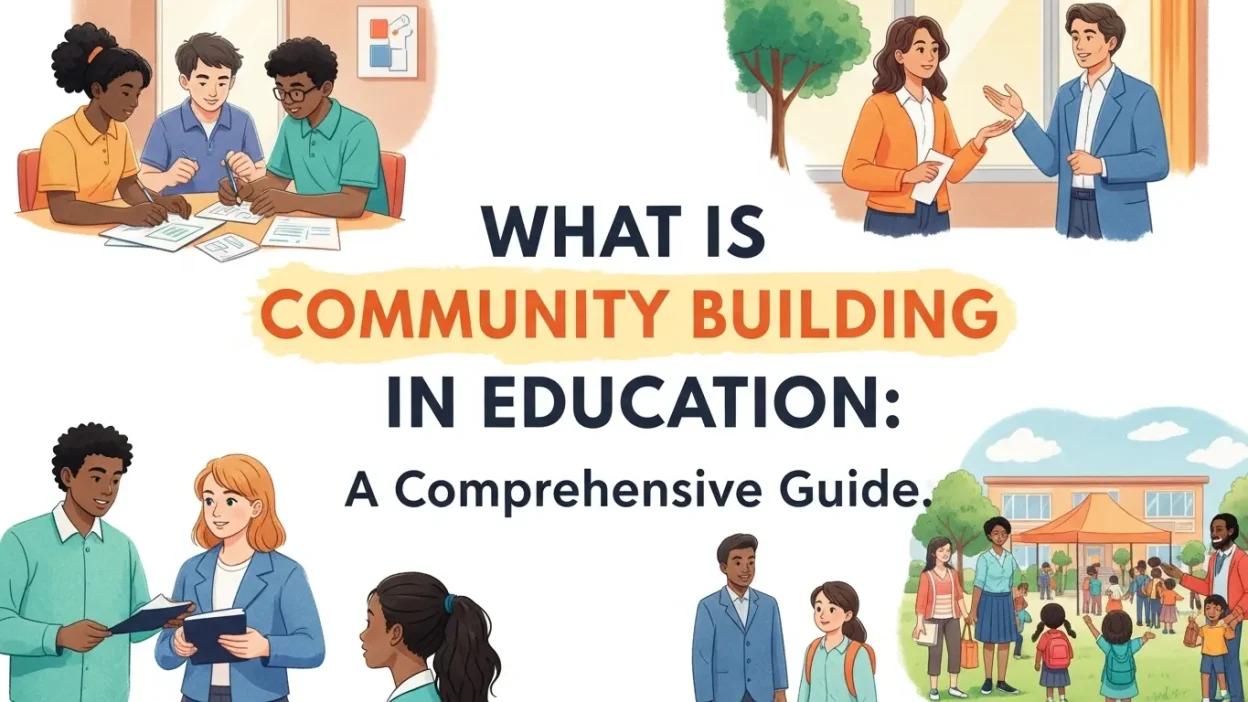
Community building in education focuses on creating connected, supportive learning environments where students, teachers, and families collaborate toward shared goals. It builds trust, encourages engagement, supports emotional well-being, and enhances meaningful learning through collaboration rather than competition.
Community building in education represents the intentional process of creating connected learning environments where students, teachers, and families work together toward shared educational goals. This approach transforms traditional classroom dynamics into collaborative spaces that foster deeper engagement and meaningful relationships.
The concept extends beyond simple group work or classroom management techniques. True educational community building involves establishing trust, shared responsibility, and mutual support systems that enhance the learning experience for everyone involved.
Modern educators recognize that learning happens most effectively when students feel genuinely connected to their peers, instructors, and the broader educational mission. This connection creates psychological safety that encourages risk-taking, creativity, and authentic academic growth.
Why Community Building in Education Matters
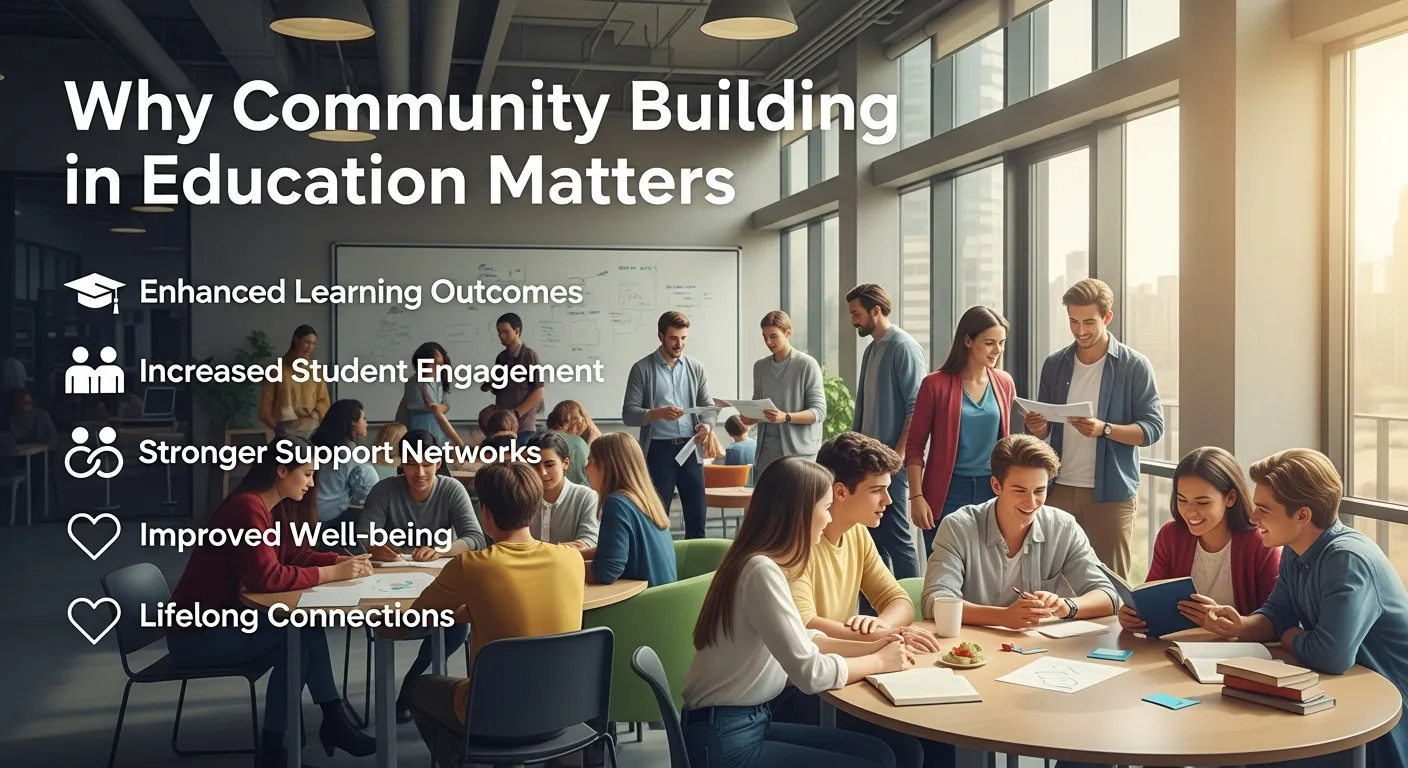
Community building in education plays a critical role in shaping how students experience learning. When learners feel connected, supported, and valued, they are more likely to engage deeply and persist through challenges.
Strong educational communities help to:
- Improve student motivation and participation
- Create emotional safety for asking questions and taking academic risks
- Encourage collaboration rather than competition
- Strengthen trust between students, teachers, and families
By prioritizing community building in education, schools move beyond content delivery and create environments where meaningful learning can flourish.
Foundation Elements of Educational Communities
Successful educational communities start with establishing clear shared values that guide all interactions and decision-making processes. These values become the framework for resolving conflicts, celebrating achievements, and maintaining consistent expectations across different learning situations.
Physical and virtual spaces play crucial roles in Bioregional Community Development. Classroom arrangements, common areas, and digital platforms must facilitate interaction, collaboration, and inclusive participation among community members.
Communication patterns within educational communities differ significantly from traditional teacher-centered approaches. Open dialogue, active listening, and respectful disagreement become normal parts of the learning process rather than disruptive interruptions.
Core Pillars of Community Building in Education
Successful community building in education rests on several interconnected pillars that support long-term engagement and collaboration.
These pillars include:
- Shared Values: Clearly defined values guide behavior, decision-making, and conflict resolution
- Inclusive Spaces: Physical and digital environments designed for participation and interaction
- Open Communication: Dialogue that encourages listening, questioning, and respectful disagreement
- Mutual Responsibility: A shared commitment to collective success and well-being
When these elements work together, educational communities become resilient, adaptive, and learner-centered.
Building Connections Among Students

Peer relationships form the backbone of strong educational communities. Students who know each other personally invest more energy in collective learning goals and provide natural support systems during challenging academic periods.
Social-emotional learning integration helps students develop empathy, communication skills, and conflict resolution abilities that strengthen community bonds. These skills transfer directly to academic collaboration and lifelong relationship building.
Student voice and choice in community decisions create ownership and investment in shared outcomes. When learners help shape their educational environment, they become active stakeholders rather than passive recipients of instruction.
Teacher’s Role in Community Development
Educators serve as community facilitators rather than authoritarian leaders in well-functioning educational communities. This shift requires developing new skills in listening, consensus-building, and shared decision-making processes.
Modeling collaborative behavior demonstrates expected community norms more effectively than rules or policies alone. Teachers who show vulnerability, admit mistakes, and seek input from students create cultures where everyone feels safe to take similar risks.
Professional learning communities among educators strengthen their ability to build student communities. Teachers who experience supportive professional relationships better understand how to create similar environments for their students.
Practical Strategies for Strengthening Educational Communities
Community building in education requires intentional, consistent action. Educators and institutions can strengthen connections through simple but effective practices.
Key strategies include:
- Creating routines that encourage peer interaction and collaboration
- Allowing students to contribute to classroom norms and decisions
- Using reflective discussions to build empathy and understanding
- Recognizing group achievements alongside individual progress
- Encouraging mentorship and peer-support systems
These practices help transform classrooms into shared learning communities rather than isolated academic spaces.
Family and External Community Integration
Parent and family engagement extends beyond traditional involvement models to include meaningful participation in educational community development. Families become partners in creating supportive learning environments rather than external observers.
Local community connections provide authentic learning opportunities while strengthening students’ sense of place and belonging. Real-world partnerships make academic content more relevant and meaningful.
Cultural responsiveness ensures that diverse backgrounds and perspectives enrich the educational community rather than creating barriers to participation. Inclusive practices honor different ways of knowing and contributing to collective learning.
Digital Tools for Community Building
Technology platforms can either strengthen or weaken educational communities depending on how they’re implemented. Effective digital tools facilitate meaningful connections rather than replacing face-to-face interactions entirely.
Online collaboration spaces extend community building beyond classroom walls and school hours. Students can continue supporting each other and working together on projects regardless of physical location.
Digital citizenship education becomes essential when communities operate across online and offline spaces. Students need skills to maintain respectful, supportive relationships in all environments where their community exists.
Community Building in Education: Digital vs Physical Spaces
| Aspect | Physical Learning Spaces | Digital Learning Spaces |
|---|---|---|
| Interaction | Face-to-face collaboration and discussion | Asynchronous and real-time online engagement |
| Accessibility | Limited by location and time | Extends learning beyond school hours |
| Relationship Building | Strong emotional cues and immediacy | Requires intentional communication practices |
| Community Support | Immediate peer and teacher presence | Ongoing support through forums and platforms |
When aligned thoughtfully, both environments work together to strengthen community building in education rather than fragmenting it.
Measuring Community Strength
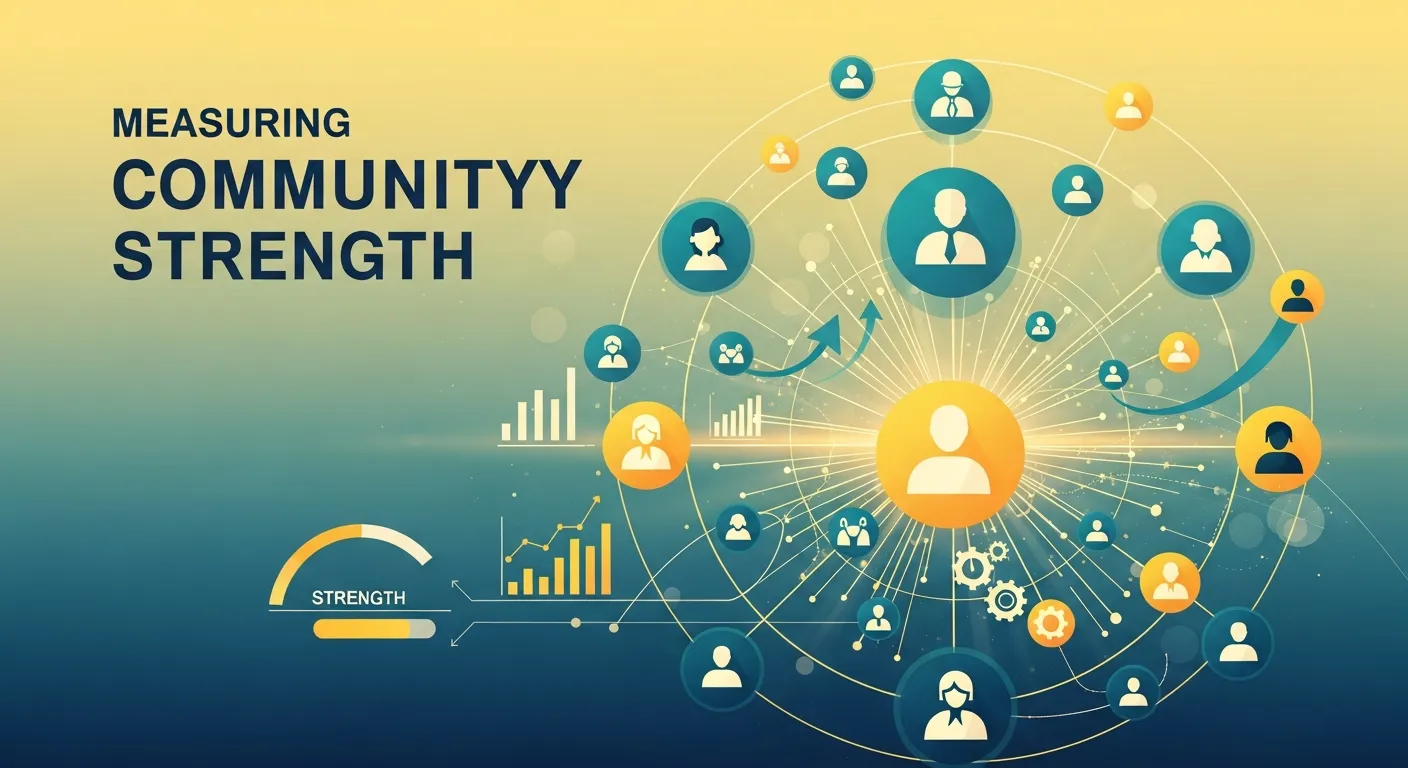
Assessing the strength of an educational community goes beyond simply observing participation. While student engagement levels can provide an initial indicator of community health, surface-level involvement does not always reflect authentic connection, collaboration, or investment in shared learning goals.
Conflict resolution patterns offer a deeper insight into community maturity. In strong communities, disagreements are addressed constructively, fostering mutual respect and maintaining relationships while continuing to advance collective learning objectives.
Academic achievement can also benefit from robust community building, as students who feel supported and connected tend to perform better. However, test scores alone cannot capture the full impact of a strong educational community. True measurement also considers social-emotional development, peer collaboration, sense of belonging, and overall well-being, providing a more holistic view of student growth.
Overcoming Common Challenges
Time constraints present ongoing challenges for community building since relationship development requires sustained attention and cannot be rushed through quick activities or forced interactions.
Large class sizes complicate community-building efforts, but creative approaches like smaller working groups and peer mentorship programs can maintain personal connections even in crowded learning environments.
Resistance from students accustomed to competitive or individualistic learning cultures may require patience and consistent demonstration of community benefits before full participation emerges.
Professional Development for Educators
Community building skills often receive minimal attention in traditional teacher preparation programs. Ongoing professional development helps educators develop competencies in facilitation, group dynamics, and inclusive practices.
Collaborative learning among teachers models the same community-building approaches they implement with students. Professional learning communities provide laboratories for Circular Economy for Sustainable Community Development techniques.
Long-term Impact on Student Development
Students who experience strong educational communities develop essential social skills, emotional intelligence, and collaborative abilities that support success across academic, professional, and personal contexts. These environments help learners build empathy, effective communication, and conflict-resolution skills that remain valuable throughout their lives.
Leadership capacity grows naturally within community-focused educational settings. As students take responsibility for supporting peers, contributing ideas, and working toward shared goals, they learn to lead through cooperation and service rather than competition or authority.
Educational communities also foster civic engagement and democratic participation. Through shared governance, collective decision-making, and respectful dialogue, students gain firsthand experience in responsibility, accountability, and active citizenship, preparing them to contribute meaningfully to society beyond the classroom.
Common Barriers to Community Building in Education
Even with strong intentions, educators often face practical and structural challenges when developing strong learning communities. These barriers can limit meaningful interaction and slow the growth of trust and collaboration among students and teachers.
Common obstacles include limited time for relationship-building activities, large class sizes that reduce opportunities for individual connection, and an overemphasis on testing and performance metrics that prioritize outcomes over relationships. Additionally, students who are accustomed to competitive or individual-focused learning environments may initially resist collaborative approaches.
By recognizing these challenges early, schools can design intentional strategies that balance academic rigor with connection, ensuring that community building remains a sustainable and effective part of the learning process.
Sustaining Educational Communities
Sustaining educational communities requires intentional planning, especially during leadership transitions. When key facilitators change roles or leave an institution, clear communication and shared leadership practices help preserve community culture, trust, and established relationships.
Ongoing reflection and continuous adaptation are essential to keeping educational communities relevant and responsive. By regularly evaluating practices, listening to community voices, and adjusting strategies, schools can address evolving needs while staying grounded in their core values.
Documenting community-building practices plays a critical role in long-term sustainability. Clear records of successful strategies, routines, and values help preserve institutional knowledge and allow effective community models to be replicated across classrooms, schools, and diverse educational settings.
Assessment Integration with Community Values
Traditional grading practices may conflict with online community building goals if they emphasize individual competition over collective growth and mutual support among learners.
Portfolio assessment approaches often align better with community values by celebrating individual progress within collaborative contexts rather than ranking students against each other.
Peer feedback and self-assessment skills develop naturally in strong educational communities where students take responsibility for supporting each other’s learning and growth rather than relying solely on teacher evaluation.
Final Thoughts on Community Building in Education
Community building in education is not a one-time initiative—it is an ongoing commitment to relationships, trust, and shared purpose. When educational communities are nurtured intentionally, they create environments where students feel safe to grow academically, socially, and emotionally.
By aligning values, encouraging collaboration, integrating families, and using digital tools thoughtfully, schools can build learning ecosystems that support long-term success. Ultimately, community building in education shapes not only better students, but more engaged, empathetic, and capable citizens.
FAQs: Community Building in Education
1. What is community building in education?
Community building in education is the intentional effort to create meaningful, supportive relationships among students, teachers, and families that enhance learning, well-being, and a sense of belonging.
2. Why is community building important in education?
It strengthens engagement, motivation, and emotional safety by building trust and collaboration, which directly supports improved academic outcomes.
3. How does community building affect student learning?
Students learn more effectively when they feel connected and respected, as this encourages participation, curiosity, creativity, and academic risk-taking.
4. What are the core elements of educational communities?
Core elements include shared values, open and respectful communication, inclusive physical and digital spaces, and shared responsibility for learning success.
5. What role do teachers play in community building?
Teachers serve as facilitators and role models who guide collaboration, promote dialogue, and create environments where every learner feels safe and valued.
6. How can students contribute to community building?
Students strengthen the community by supporting peers, engaging in respectful collaboration, sharing perspectives, and participating in classroom decisions.
7. How does community building reduce unhealthy competition?
By emphasizing teamwork and shared goals, it shifts focus from individual comparison to collective progress and mutual success.
8. What is the role of families in educational communities?
Families act as partners in learning by reinforcing values at home, supporting student development, and engaging in school community activities.
9. Can digital tools support community building in education?
Yes, when used thoughtfully, digital tools extend communication, collaboration, and peer support beyond the classroom while maintaining meaningful connections.
10. What challenges affect community building in schools?
Time constraints, large class sizes, academic pressure, and resistance to collaborative learning can make community building more challenging.
11. How can schools measure community strength?
Community strength can be evaluated through student engagement, collaboration quality, conflict resolution practices, and overall student well-being.
12. What is the long-term impact of community building in education?
Strong educational communities help students develop leadership, emotional intelligence, social responsibility, and lifelong collaboration skills.