
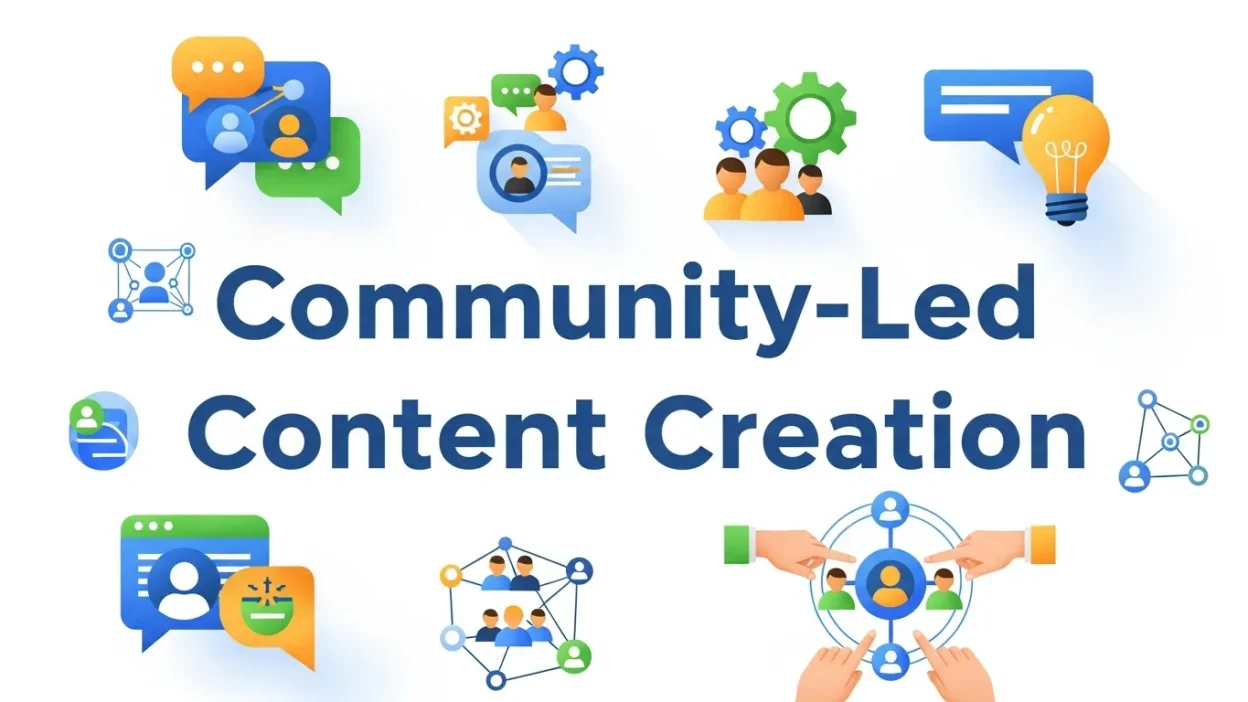
Community-Led Content Creation shifts communities from passive consumption to active participation by empowering members to create and share content. When members move from observers to contributors, engagement deepens, retention increases, and emotional ownership strengthens.
By providing clear on boarding paths, recognition systems, and safe spaces for expression, communities encourage consistent contribution. Measuring creator retention, diversity, and progression ensures sustainable growth. Ultimately, Community-Led Content Creation transforms community managers from content producers into facilitators who enable authentic, member-driven conversations.
When John first joined our photography forum years ago, he lurked silently for weeks. His first tentative post—a technical question about macro photography—received thoughtful responses that made him feel welcomed. Six months later, John was writing comprehensive lighting tutorials that our members still reference today. His journey from consumer to creator exemplifies the transformative power of community-driven content.
Communities thrive when conversations flow from members rather than management. The shift from broadcast to dialogue fundamentally changes the dynamic, transforming passive audiences into active participants with genuine ownership stakes. This approach requires relinquishing some control, but the rewards—deeper engagement, authentic voices, and sustainable growth—make it worthwhile.
The Shift from Consumption to Creation
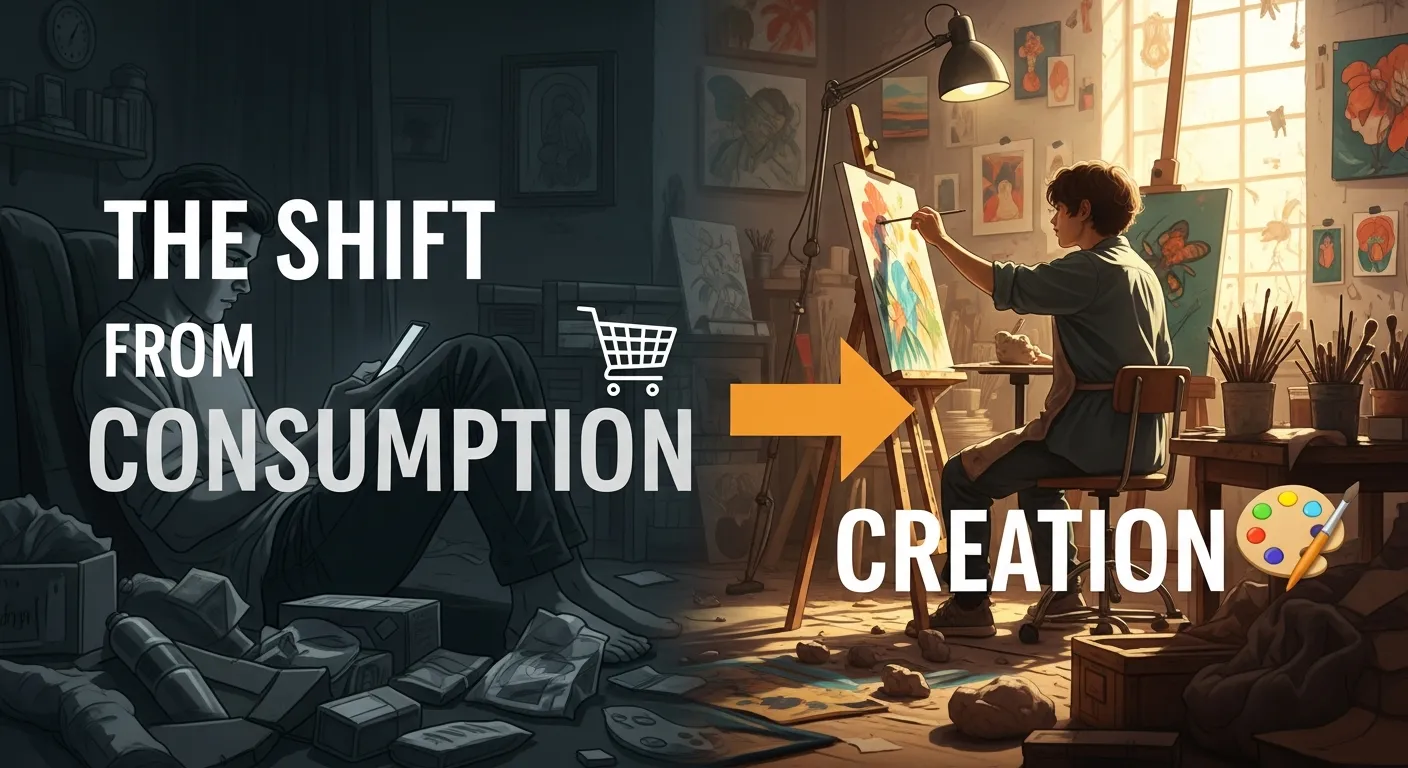
Traditional community models position members primarily as content consumers while designated leaders serve as producers. This approach creates clear boundaries but severely limits potential engagement depth. When members cross the threshold from consumption to creation, the entire community ecosystem transforms.
These transitions rarely happen spontaneously. Members need both encouragement and infrastructure to begin sharing their voices. The path usually begins with simple participation—comments, questions, reactions—before progressing toward substantial contributions.
At BuildBonding, we’ve observed that communities with member-generated content experience 67% higher retention rates than those relying primarily on administrator messaging. The emotional investment that comes with creation establishes deeper connections than consumption alone could ever foster.
Building a Sustainable Community-Led Content Creation System
Community-Led Content Creation cannot rely solely on spontaneous participation if it aims to remain sustainable over time. It requires a structured yet flexible system where members clearly understand how to begin, how to grow, and how their contributions will be valued. When communities establish defined participation pathways, feedback mechanisms, and recognition structures, members start to see themselves not just as participants but as co-creators. That sense of ownership strengthens long-term commitment and deepens emotional investment.
An effective Community-Led Content Creation system typically rests on three foundational pillars:
- Clear Onboarding Paths – Simple entry points that help new members contribute without fear or confusion.
- Recognition Mechanisms – Consistent appreciation that reinforces positive contribution behaviors.
- Growth Opportunities – Advanced roles or leadership paths for members who consistently add value.
When these pillars function together, contribution becomes a natural progression rather than a forced initiative. Members feel supported at every stage of their journey, making creation an integrated part of community culture rather than an occasional activity.
Creating Safe Spaces for Contribution
Member hesitation typically stems from uncertainty rather than reluctance. Will my content be good enough? Does my perspective matter? Will others respond positively? Addressing these concerns requires deliberately cultivating environments where contribution feels safe and valued.
Effective frameworks establish clear guidelines without imposing excessive restrictions. They define content parameters while celebrating individual voices and perspectives. They balance quality standards with accessible entry points for newcomers. Most importantly, they ensure contributors receive meaningful feedback that acknowledges their efforts.
“The communities that succeed with member-driven content understand that vulnerability precedes value,” notes community researcher Dr. Sarah Martinez. “Creating psychological safety isn’t just nice—it’s necessary for authentic contribution.”
According to research from the Community Roundtable, successful community-led content programs dedicate 30% of their efforts to recognition and appreciation. These acknowledgements—whether through featured spotlights, milestone celebrations, or simple thank-you messages—reinforce the value of member contributions.
Diverse Formats for Diverse Voices
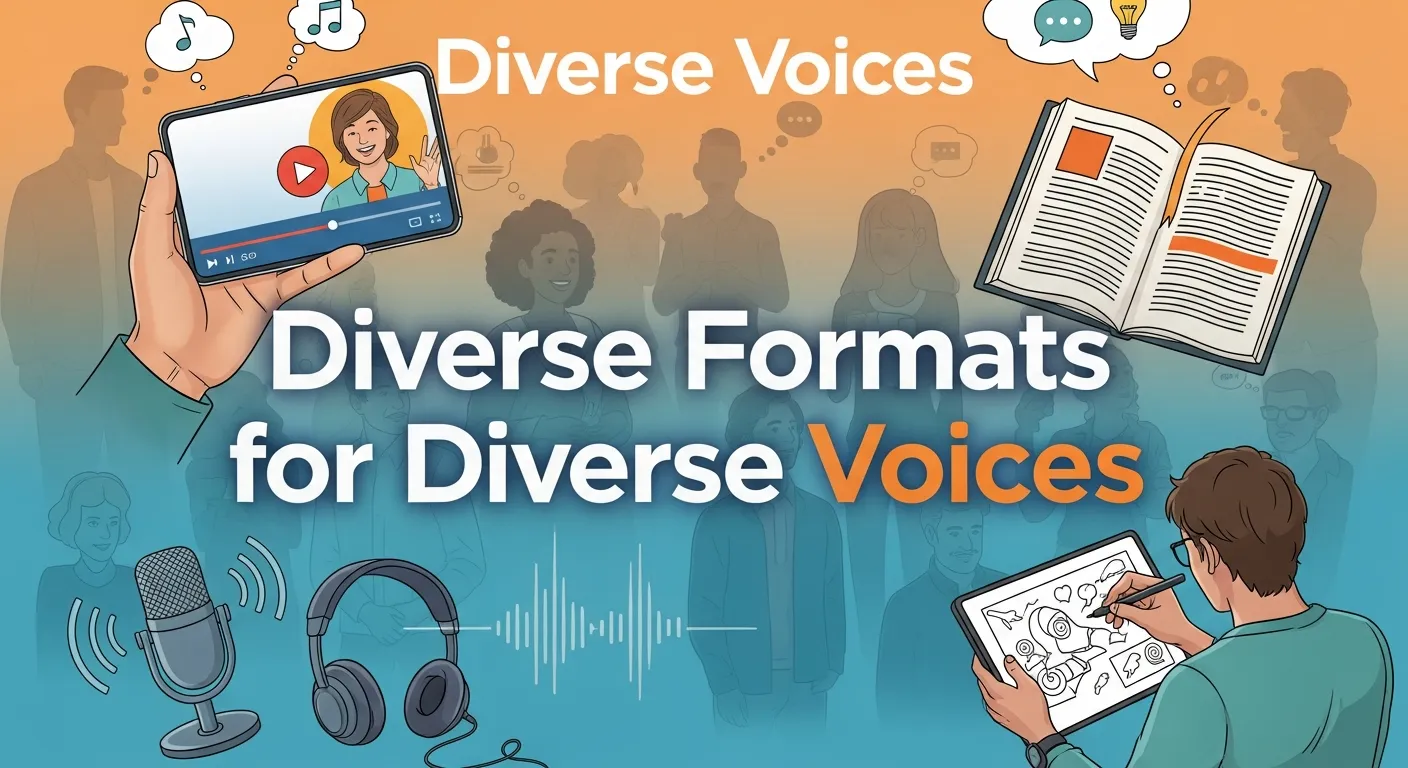
Some members naturally gravitate toward writing in-depth tutorials packed with technical insights. Others feel more comfortable asking thoughtful questions that spark meaningful dialogue. Some prefer sharing personal stories that humanize complex topics, while others excel at curating tools, articles, or resources that benefit everyone. Recognizing and validating these different contribution styles ensures your community does not favor one type of voice over another. Instead, it creates space for multiple forms of expertise and expression.
Voice messages are ideal for members who think better out loud or have limited time to write. Photo essays and visual walkthroughs empower creative, visually oriented contributors. Short-form updates and quick insights suit busy professionals who want to participate without investing hours into content creation. Meanwhile, collaborative projects—such as group guides, shared documents, or live discussions—appeal to those who thrive in teamwork rather than solo publishing.
By embracing format diversity, communities remove invisible barriers that often discourage participation. Not everyone is a long-form writer, and not everyone feels confident presenting live. Offering multiple pathways ensures inclusivity across skill levels, Navigating Different Communication Styles, and time availability.
Many thriving communities also design progressive contribution pathways. Members might begin with simple actions—reacting to posts, answering polls, or leaving short comments. As confidence grows, they may move into writing discussion posts or sharing curated links. Eventually, some step into advanced contributions like hosting webinars, creating comprehensive guides, or mentoring others. These gradual stages reduce overwhelm, build capability, and transform hesitant participants into confident creators over time.
When communities intentionally support diverse formats and progressive growth, contribution becomes less intimidating and more empowering—turning participation into a natural, rewarding journey rather than a high-pressure expectation.
Balancing Guidance and Autonomy
Community-led content requires finding the sweet spot between structured facilitation and member freedom. Too much guidance stifles creativity and ownership. Too little direction leads to inconsistent quality and potential misalignment with community purpose.
Effective frameworks provide prompts rather than prescriptions. They suggest topics while welcoming unexpected directions. They establish quality baselines while encouraging experimentation. Most importantly, they focus guidance on areas that genuinely matter while leaving ample room for personal expression.
The Community Management Institute identifies content scaffolding—providing flexible structures that support creation without dictating outcomes—as a core competency for building member-driven communities. These scaffolds might include topic templates, question prompts, or resource outlines that members can adapt to their unique perspectives.
Encouraging Innovation Through Community-Led Content Creation
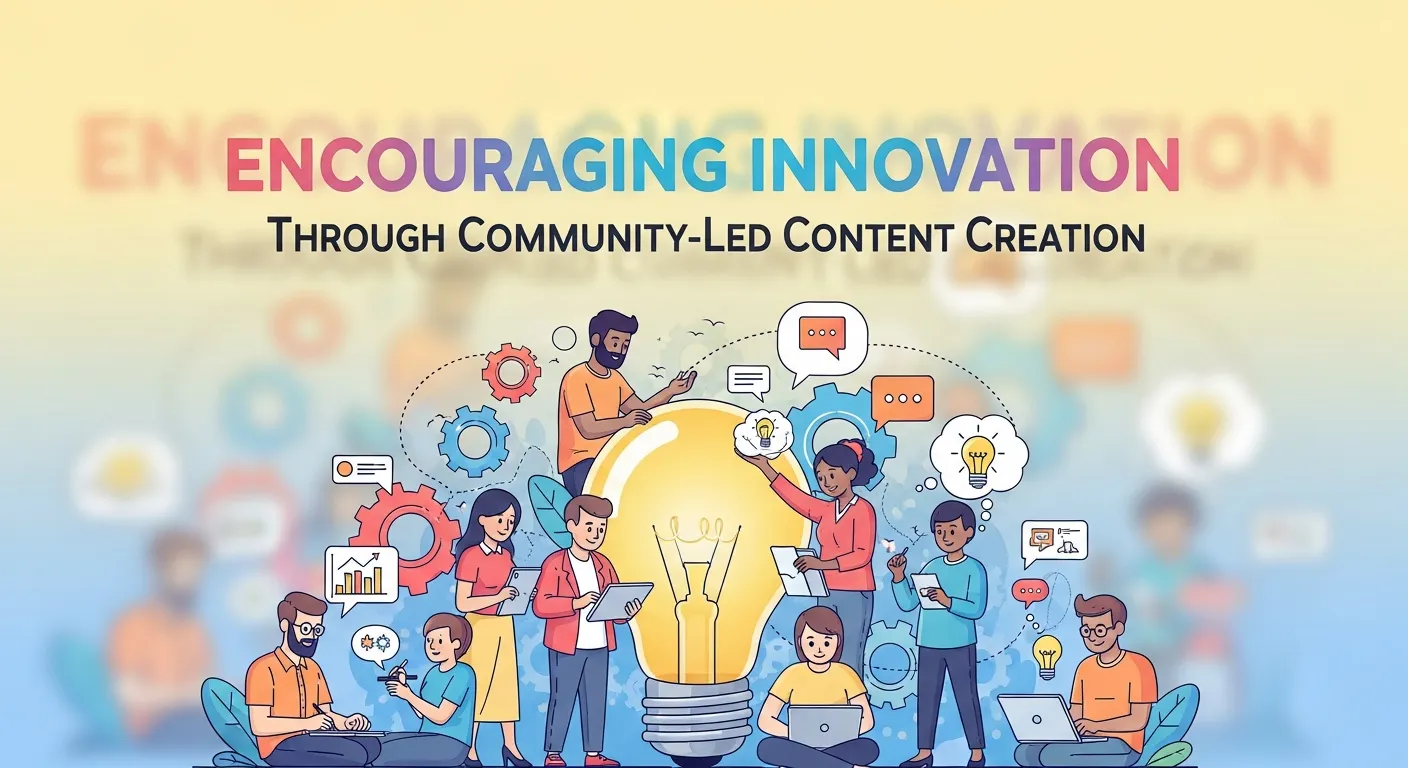
Community-Led Content Creation becomes most powerful when it encourages experimentation. Communities that allow members to test new ideas, formats, and perspectives often uncover innovative solutions that centralised leadership might overlook. By reducing fear of failure and emphasizing learning over perfection, communities create space for authentic creativity. This openness not only improves content diversity but also builds confidence among contributors.
Structured experimentation can be supported through simple initiatives such as:
- Monthly themed challenges
- Collaborative content weeks
- Member-led webinars or live discussions
- Experimental content spotlights
When members are invited to innovate rather than simply follow existing patterns, engagement deepens. Innovation fuels relevance, and relevance ensures that the community remains dynamic and forward-thinking.
Nurturing Content Leadership
In healthy community ecosystems, content leadership naturally emerges from consistent contribution. Members who regularly share valuable insights gradually become recognised voices, influencing conversations through earned authority rather than designated position.
These organic content leaders deserve special attention and development. Providing advanced training, early access to new features, or advisory roles acknowledges their contributions while enhancing their capabilities. Their continued growth directly benefits the entire community through higher quality content and mentorship of newer contributors.
Many thriving communities establish formal content mentorship programs where experienced creators guide newcomers through their initial contributions. These relationships reduce barriers to entry while ensuring quality standards persist across generations of contributors.
Measuring What Matters
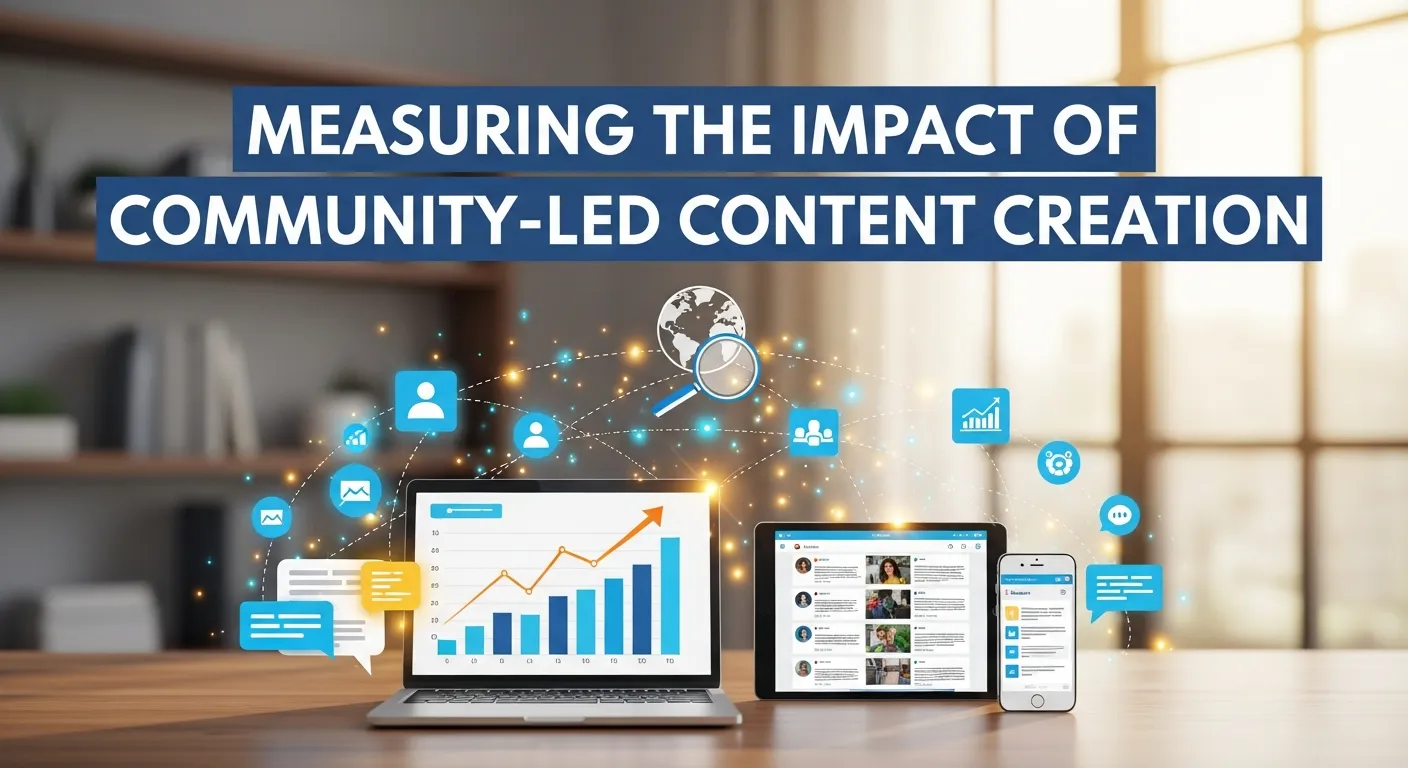
Traditional content metrics—views, likes, shares—capture consumption but miss the transformative impact of creation. Communities that prioritize member-led content must develop more nuanced measurement frameworks that value contribution development.
Creator retention rates track how many first-time contributors return for second and third submissions. Progression metrics monitor movement through contribution stages. Engagement depth measures interactions with member content compared to official announcements. Contributor diversity assesses whether content creation spans various member segments or concentrates among a limited group.
The most important metrics often prove qualitative rather than quantitative. How do members describe their creation experiences? What motivates continued contribution? What barriers prevent participation? Regular conversations with both active and potential contributors provide crucial insights that numbers alone cannot capture.
Conclusion
Community-led content creation represents far more than a content strategy—it fundamentally reshapes power dynamics by placing members at the conversation center. This transition requires patience, intentional structure, and willingness to prioritize process over perfection, especially during early implementation stages.The journey from broadcast to dialogue rarely follows a straight path. Progress comes through continual experimentation, careful observation, and responsive adaptation. Each community must discover its unique balance between structure and freedom, guidance and autonomy, quality and accessibility.The transformation begins by asking different questions. Instead of “What content should we create for our members?” ask “How might we empower our members to create content that matters to them?” This subtle shift changes everything—replacing control with collaboration and consumption with creation.When communities truly embrace member-driven content, they discover their most valuable resources already exist within their membership. The community manager’s role evolves from content producer to possibility creator—building spaces where authentic voices flourish and meaningful conversations naturally emerge.