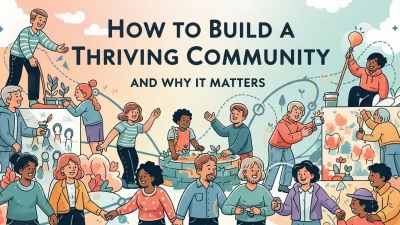


Community management plays an important role in helping businesses build meaningful relationships with their audiences. As customers increasingly interact with brands through social media, online groups, forums, and digital platforms, simply promoting products is no longer enough. People want to feel heard, valued, and connected to the brands they support.
Effective community management creates an environment where customers can communicate with businesses, share experiences, ask questions, and interact with other members. These interactions can increase engagement, strengthen trust, and encourage long-term loyalty.
A well-managed community can also provide valuable insights into customer expectations and behavior. By listening to conversations and responding consistently, businesses can improve their products, services, content, and overall customer experience. When community-building becomes part of a broader marketing strategy, it can turn casual followers into active participants and loyal brand advocates.
What Is Community Management?
Community management is the process of building, maintaining, and nurturing relationships within an online or offline community connected to a brand or organization. A community manager acts as a bridge between a business and its audience. Their responsibilities can include responding to comments, answering questions, moderating discussions, encouraging conversations, addressing concerns, and creating opportunities for members to interact.
Unlike traditional advertising, community management focuses on relationships rather than one-way promotion. The objective is to create an environment where people feel comfortable participating and engaging with a brand. Communities can exist across social media platforms, private groups, discussion forums, customer portals, and brand-owned websites. Regardless of the platform, successful management requires consistency, authenticity, responsiveness, and a clear understanding of the audience.
Why Community Management Matters for Businesses

Creates Direct Customer Connections
Community management gives businesses an opportunity to communicate directly with customers. Instead of relying only on advertisements or formal marketing campaigns, brands can participate in conversations where customers are already active.
Direct communication helps businesses understand what customers like, what problems they experience, and what they expect from future products or services. When customers receive thoughtful responses, they are more likely to view the brand as accessible and trustworthy.
Increases Audience Engagement
Engagement is an important indicator of a healthy community. Likes and followers can provide visibility, but meaningful conversations create stronger relationships. Community managers can encourage discussions by asking questions, creating polls, sharing useful resources, responding to opinions, and recognizing valuable contributions.
Consistent interaction gives members more reasons to return and participate. Over time, this can create a community where engagement becomes part of the audience’s regular online behavior.
Builds Brand Trust
Trust develops when brands consistently demonstrate that they care about their customers. A community provides a public space where businesses can show how they handle questions, feedback, and concerns. Quick and respectful responses can demonstrate transparency and accountability. Even when a customer has a negative experience, responding professionally can help protect the brand’s reputation.
Customers often remember how a company treats them, especially when problems occur. Effective community management therefore becomes an important part of reputation building.
How Community Management Builds Brand Loyalty
Makes Customers Feel Valued
People are more likely to remain loyal to brands when they feel recognized. Community managers can acknowledge customer contributions, celebrate milestones, answer questions personally, and highlight useful member-generated content. These small interactions can make customers feel like participants rather than simply buyers. When people believe their opinions matter, they may become more emotionally connected to a brand.
Encourages Repeat Interaction
A strong community gives customers reasons to return even when they are not making a purchase. Educational discussions, product updates, exclusive information, events, challenges, and member conversations can keep audiences active. This repeated interaction increases familiarity with the brand. Familiarity, combined with positive experiences, can contribute to stronger customer relationships and long-term loyalty.
Turns Customers Into Brand Advocates
Loyal customers can become some of the most valuable promoters of a business. They may recommend products, answer questions from other members, share positive experiences, or create content about the brand. Community management can encourage this behavior by recognizing active members and providing opportunities for customers to share their experiences. When recommendations come from genuine customers rather than advertisements, they can feel more authentic and trustworthy.
The Role of Online Community Building
 Online community building focuses on creating digital spaces where people with shared interests, needs, or experiences can connect. A successful community needs more than a platform. It requires a clear purpose and an environment that encourages participation. For example, a software company might create a community where users can ask technical questions, exchange tips, share solutions, and learn about new features. A fitness brand could create a space where members share progress, challenges, and motivation. The community becomes valuable when members receive benefits from participating. Businesses should therefore focus on providing useful experiences instead of using communities only as promotional channels.
Strategies for Effective Community Management
Establish Clear Community Guidelines
Clear guidelines help maintain a respectful and productive environment. Members should understand what types of content and behavior are acceptable. Guidelines can address spam, harassment, inappropriate content, self-promotion, misinformation, and other disruptive behavior. Consistent moderation is equally important. Rules should be applied fairly so members understand that the community is safe and welcoming.
Respond Quickly and Professionally
Timely responses can significantly improve the customer experience. Members who ask questions should not feel ignored for extended periods. However, speed should not come at the expense of quality. Responses should be accurate, helpful, and appropriate to the situation. When a problem requires additional investigation, community managers can acknowledge the issue and explain that it is being reviewed rather than leaving the customer without a response.
Encourage Meaningful Conversations
A community becomes stronger when members communicate with one another rather than only responding to brand posts. Community managers can create conversation starters around common challenges, industry trends, customer experiences, and relevant topics. Open-ended questions often encourage more detailed responses than simple promotional messages.
Recognize Active Members
Recognizing community contributors can encourage continued participation. Businesses can highlight helpful members, celebrate achievements, feature user-generated content, or provide exclusive recognition. Recognition does not always need to involve financial rewards. A thoughtful response or public acknowledgment can make members feel appreciated.
Use Feedback to Improve the Business
Communities can become valuable sources of customer insights. Members often share opinions about products, services, features, customer support, and purchasing experiences. Businesses should actively monitor these conversations and identify recurring themes.
Feedback can help companies discover problems earlier and identify opportunities for improvement. When customers see that their feedback leads to meaningful changes, their trust in the brand can increase.
Mobilizing Community Resilience Through Strong Relationships
Mobilizing Community Resilience can help communities become more capable of responding to challenges, changes, and unexpected situations. For brands and organizations, resilience can involve creating a supportive environment where members help one another and share useful information.
A resilient community does not depend entirely on the brand for every interaction. Members can exchange knowledge, provide recommendations, and support other participants. Businesses can encourage this by creating collaborative discussions, highlighting helpful contributions, and providing reliable resources. Strong relationships within the community can create a sense of belonging that extends beyond individual transactions.
Community Management and Customer Experience
Community interactions are closely connected to the overall customer experience. A customer may discover a product through advertising, purchase it through a website, and then join a community to learn how to use it effectively. If the community provides helpful support, the customer’s perception of the brand can improve.
Businesses should therefore ensure that community managers understand the company’s products, services, policies, and customer expectations. The community should complement other customer service channels rather than operate as a completely separate function.
Using Content to Strengthen Communities
Content can provide a consistent reason for community members to participate. However, the content should be designed around audience needs rather than constant promotion. Educational posts, tutorials, customer stories, behind-the-scenes content, polls, discussions, industry insights, and interactive activities can all encourage participation.
User-generated content can be particularly valuable because it allows members to contribute directly to the community. The best content strategy creates opportunities for conversation rather than simply generating views.
Measuring Community Management Success
 Businesses need measurable objectives to understand whether their community efforts are producing results. Important metrics can include active members, engagement rate, comments, discussions, returning participants, response time, sentiment, user-generated content, and customer retention.
Businesses can also monitor conversions influenced by community activity. For example, they may track how many members eventually purchase products, upgrade services, or recommend the brand. However, not every community benefit can be measured through immediate sales. Trust, relationships, customer feedback, and advocacy can create long-term value.
Common Community Management Mistakes
One major mistake is treating a community like an advertising channel. If every interaction promotes a product, members may lose interest. Ignoring negative feedback is another problem. Unanswered complaints can damage trust and encourage frustration among other members.
Inconsistent moderation can also create confusion. If some members are allowed to violate rules while others are penalized, the community may become less welcoming. Finally, businesses should avoid focusing only on follower numbers. A smaller community with active and loyal members can be more valuable than a large audience with little meaningful interaction.
Best Practices for Building Long-Term Loyalty
Successful community management requires consistency and patience. Businesses should establish a clear purpose, understand member needs, provide useful content, respond thoughtfully, and encourage member-to-member interaction. Community managers should also monitor conversations and regularly identify opportunities for improvement.
Most importantly, businesses should treat community members as people rather than numbers. Authentic communication and genuine support can create relationships that remain valuable long after a customer makes a purchase.
Conclusion
Community management can significantly improve engagement and brand loyalty by creating meaningful opportunities for businesses and customers to connect. Through responsive communication, useful content, active moderation, recognition, and customer feedback, brands can create communities where people feel valued and heard.
Effective online community building goes beyond increasing followers or generating short-term engagement. It creates a sense of belonging and encourages customers to interact with a brand repeatedly. When businesses consistently provide value and listen to their audiences, community members can become loyal customers and enthusiastic brand advocates. In the long term, a strong community can become an important competitive advantage that supports customer retention, reputation, and sustainable business growth.
Frequently Asked Questions
1. What is Community Management?
Community management is the process of developing and maintaining relationships between a brand and its audience through online communities, social platforms, forums, or other communication channels.
2. How does Community Management improve engagement?
It encourages conversations, responds to questions, shares useful content, recognizes members, and creates opportunities for customers to interact with both the brand and each other.
3. How does community management build brand loyalty?
It helps customers feel valued and connected to a brand. Consistent communication and positive community experiences can encourage repeat interaction and long-term loyalty.
4. What is the difference between social media management and community management?
Social media management often focuses on publishing content and managing social channels, while community management places greater emphasis on relationships, conversations, member interaction, and community development.
5. Why is Online Community Building important?
Online community building creates a dedicated space where customers with shared interests can interact, exchange information, receive support, and develop stronger relationships with a brand.
6. How can businesses encourage community participation?
Businesses can encourage participation through questions, polls, discussions, useful resources, events, challenges, member recognition, and opportunities for customers to share their experiences.
7. What role does customer feedback play in community management?
Customer feedback provides insights into customer needs, concerns, and expectations. Businesses can use this information to improve products, services, content, and customer experiences.
8. What is Mobilizing Community Resilience?
Mobilizing Community Resilience refers to strengthening connections and collaboration within a community so members can support one another and respond more effectively to challenges.
9. Which metrics should community managers track?
Useful metrics include active members, engagement, comments, response time, returning participants, sentiment, user-generated content, retention, and community-influenced conversions.
10. Can community management help increase sales?
Yes. Strong communities can improve trust, retention, referrals, and product awareness. These factors can contribute to more conversions and long-term customer value.