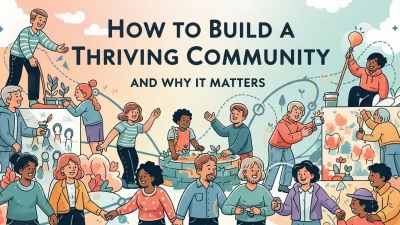


Building strong relationships with customers requires more than promoting products or services. Community engagement helps businesses create meaningful connections with their target audience by encouraging interaction, trust, participation, and shared experiences. When people feel that a brand understands their needs and values their opinions, they are more likely to become active participants rather than passive customers.
Today, audiences want authentic communication and opportunities to connect. Businesses can use social media groups, online events, discussions, educational content, local activities, and customer feedback to create stronger communities. A well-planned community strategy can improve brand awareness, customer loyalty, engagement, and long-term business growth.
What Is Community Engagement?
Community engagement refers to the process of building relationships with a specific group of people through meaningful communication and participation. For businesses, this can include interacting with customers, answering questions, encouraging discussions, collecting feedback, and creating experiences that bring people together.
Effective engagement is not simply about increasing likes or comments. It focuses on creating genuine relationships where community members feel heard and valued. A strong strategy should give people a reason to participate. Whether the goal is learning, networking, solving problems, sharing experiences, or supporting a cause, the community should provide meaningful value.
Why Community Engagement Matters for Businesses
 Businesses operate in competitive markets where customers have many choices. Building a strong relationship with an audience can help a company stand out from competitors.
Builds Trust and Brand Loyalty
People are more likely to trust brands that communicate openly and consistently. Responding to questions, recognizing customer contributions, and providing useful information can create a sense of reliability.
Over time, these interactions can strengthen customer loyalty. A customer who feels connected to a brand may continue purchasing from it and recommend it to others.
Creates Two-Way Communication
Traditional marketing often focuses on sending messages to customers. Community engagement creates a two-way communication process. Businesses can share information while also listening to what their audience says. Customer questions, comments, reviews, and discussions can reveal valuable information about preferences and expectations.
Strengthens Brand Awareness
An active community can naturally increase brand visibility. When members participate in discussions or share useful content, their networks may also discover the brand. This creates opportunities for organic exposure without relying entirely on paid advertising.
Build an Active Online Community
Online community building is one of the most effective ways to maintain long-term relationships with a target audience. Businesses can create communities through social media groups, forums, membership platforms, messaging channels, or dedicated websites. The key is to make the community useful rather than simply promotional.
For example, a digital marketing company could create a community where business owners discuss SEO, content marketing, social media, and online advertising. Instead of continuously promoting services, the business can provide advice, answer questions, and encourage members to share experiences.
Choose the Right Platform
The best platform depends on where your target audience already spends time. A professional audience may prefer LinkedIn, while a younger consumer audience may be more active on Instagram, TikTok, or other social platforms.
The goal is not to create a presence everywhere. It is better to build an active community on a platform where your audience is already comfortable participating.
Create Valuable and Interactive Content
Content is an important part of community engagement because it gives people something useful to discuss and share. Businesses can publish educational posts, tutorials, polls, questions, case studies, behind-the-scenes content, industry insights, and customer stories.
Interactive content can be especially effective because it encourages people to participate instead of simply consuming information. For example, a brand could ask its audience to vote between two product ideas, share their experiences, or answer a question related to an industry problem.
Ask Questions That Encourage Conversation
One simple way to increase engagement is to ask better questions. Instead of asking generic questions such as “What do you think?”, create specific questions that encourage people to share experiences or opinions. For example, a business could ask: “What is the biggest challenge you face when promoting your business online?”
This type of question provides a clear direction for discussion and can also help the business understand its audience better. Open-ended questions can generate valuable conversations while giving community members an opportunity to feel heard.
Host Online Events and Discussions
Online events can bring community members together around a shared topic. Businesses can organize webinars, live Q&A sessions, workshops, interviews, virtual networking events, and educational sessions. These events provide more personal interaction than standard social media posts.
A live session also gives customers an opportunity to ask questions directly. Businesses can use these conversations to identify common problems and create future content or services around audience needs.
Encourage User-Generated Content
 User-generated content can make a community feel more authentic. Customers can be encouraged to share photos, reviews, experiences, success stories, or creative ideas related to a brand. This type of content can also build social proof because potential customers can see how existing customers interact with the brand.
Businesses can create simple campaigns that encourage participation. For example, customers might share how they use a product or describe their experience with a service. The important thing is to make participation easy and rewarding without forcing promotional messaging.
Support Local and Shared Experiences
Community engagement does not always need to happen online. Businesses can create stronger relationships by supporting local events, educational programs, workshops, charity initiatives, or community activities. This is where Creative Placemaking can provide inspiration. Creative Placemaking focuses on using creativity, culture, and community participation to make shared spaces and experiences more meaningful.
For businesses with a local audience, supporting community events can strengthen visibility while demonstrating genuine involvement. A company might sponsor a local workshop, organize a networking event, support an art initiative, or partner with a local organization.
Focus on Mobilizing Community Resilience
Strong communities can provide support during challenges and changing circumstances. Mobilizing Community Resilience involves helping people work together, share resources, communicate effectively, and respond to challenges. Businesses can contribute by creating spaces where customers and community members can exchange knowledge and support one another.
For example, a technology company could provide educational resources during major industry changes. A local business could connect customers with useful community resources during difficult situations. This approach can strengthen trust because the business becomes part of the community rather than simply a seller.
Create a Community Feedback System
Feedback should be an ongoing part of community engagement. Businesses should regularly ask members what they like, what they want to improve, and what topics they want to discuss. Surveys, polls, interviews, comment sections, reviews, and direct messages can all provide useful insights.
However, collecting feedback is only the first step. Businesses should also demonstrate that they are listening. When a company implements a useful suggestion from its community, it can show members that their opinions have a real impact.
Recognize and Reward Active Members
People enjoy being recognized for their contributions. Businesses can highlight active members, share community achievements, feature customer stories, or provide exclusive benefits. Recognition does not always have to involve discounts or financial rewards.
A simple thank-you message, community spotlight, special access, or public recognition can make members feel appreciated. This can also encourage other members to participate more actively.
Build an Inclusive Community
A successful community should make different types of members feel welcome. Businesses should establish clear communication guidelines and encourage respectful discussions. Community managers should address inappropriate behavior while allowing members to express different opinions.
An inclusive environment can encourage more participation because people feel comfortable sharing ideas and asking questions. Businesses should also avoid making every conversation about selling. If members feel that every interaction is a sales pitch, engagement can quickly decline.
Personalize Community Communication
Personalization can make interactions more relevant. Businesses can use information about audience interests, previous interactions, and common questions to provide more targeted communication. For example, an online community for business owners could have separate discussions for beginners, experienced marketers, ecommerce businesses, and service providers.
Relevant discussions help members find information that matches their needs. Personalization does not mean sending excessive promotional messages. Instead, it means understanding what different community members are interested in and creating useful experiences around those interests.
Measure Community Engagement
A community strategy should be measured regularly to understand what is working.
Businesses can monitor metrics such as:
- Number of active members
- Comments and discussions
- Content shares
- Event participation
- Poll responses
- Customer feedback
- Repeat engagement
- Referral activity
- Community-generated content
These metrics can help businesses identify which activities generate meaningful participation. However, numbers should not be the only measurement. The quality of conversations and relationships also matters. A smaller community with active and loyal members can be more valuable than a large community where very few people participate.
Turn Community Insights Into Business Growth
 One of the biggest advantages of community engagement is the information businesses can collect through genuine conversations. Community members can reveal common problems, product preferences, purchasing concerns, and content interests. Businesses can use these insights to improve products, services, marketing campaigns, and customer experiences.
For example, if multiple customers ask the same question, the business could create a detailed guide or video explaining the issue. If members repeatedly request a particular feature, the company could consider it when planning future product improvements. This creates a continuous feedback loop between the business and its audience.
Common Community Engagement Mistakes to Avoid
Some businesses struggle with engagement because they focus too much on promotion. Posting promotional messages repeatedly without providing value can make members lose interest. Another common mistake is creating a community without a clear purpose.
Businesses should explain why people should join and what they will gain from participating. Ignoring comments and questions is another problem. If members take the time to participate but receive no response, they may stop engaging. Consistency is also important. A community does not become active overnight. Businesses need to maintain regular communication, provide useful content, and create opportunities for interaction.
Conclusion
Effective community engagement is about creating relationships rather than simply collecting followers. Businesses can connect with their target audiences by creating valuable content, encouraging conversations, hosting events, supporting local activities, recognizing members, and listening to feedback.
Online community building can create a digital space for ongoing interaction, while approaches inspired by Creative Placemaking and Mobilizing Community Resilience can help businesses build stronger connections around shared experiences and community needs. When businesses consistently provide value and genuinely listen to their audience, community participation can become a powerful driver of trust, loyalty, brand awareness, and sustainable growth.
Frequently Asked Questions
1. What is community engagement?
Community engagement is the process of creating meaningful relationships with a group of people through communication, participation, feedback, and shared experiences.
2. Why is community engagement important for businesses?
It helps businesses build trust, strengthen customer loyalty, increase brand awareness, understand customer needs, and create stronger long-term relationships.
3. How can businesses improve community engagement?
Businesses can improve engagement by asking questions, creating useful content, hosting events, responding to comments, collecting feedback, and recognizing active members.
4. What is online community building?
Online community building involves creating and managing digital spaces where people with shared interests, needs, or goals can communicate, interact, and exchange information.
5. What type of content encourages community participation?
Educational content, polls, questions, live discussions, customer stories, tutorials, surveys, and interactive posts can encourage stronger participation.
6. How can social media support community engagement?
Social media provides businesses with platforms for conversations, live events, customer feedback, user-generated content, polls, and regular communication with their audiences.
7. What is Creative Placemaking?
Creative Placemaking is an approach that uses creativity, culture, and community participation to create meaningful shared spaces and experiences.
8. What does Mobilizing Community Resilience mean?
Mobilizing Community Resilience focuses on helping communities collaborate, share resources, communicate, and respond effectively to challenges.
9. How can businesses measure community engagement?
Businesses can measure engagement through active members, comments, shares, event participation, feedback, user-generated content, repeat interactions, and referrals.
10. Can community engagement increase customer loyalty?
Yes. When customers feel heard, valued, and connected to a brand, they are more likely to develop trust and maintain a long-term relationship with the business.