
Building a strong online audience is no longer just about gaining followers. Brands, businesses, creators, and organizations need meaningful relationships with people who actively participate, communicate, and share common interests. This is where online community building becomes valuable.
An online community gives people a place to connect, exchange ideas, ask questions, share experiences, and interact with a brand or organization. When managed effectively, it can increase engagement, improve customer loyalty, generate valuable feedback, and create long-term relationships. However, simply creating a Facebook group, forum, Discord server, or private community does not guarantee success. A successful community requires clear goals, consistent communication, useful content, and genuine participation.
What Is Online Community Building?
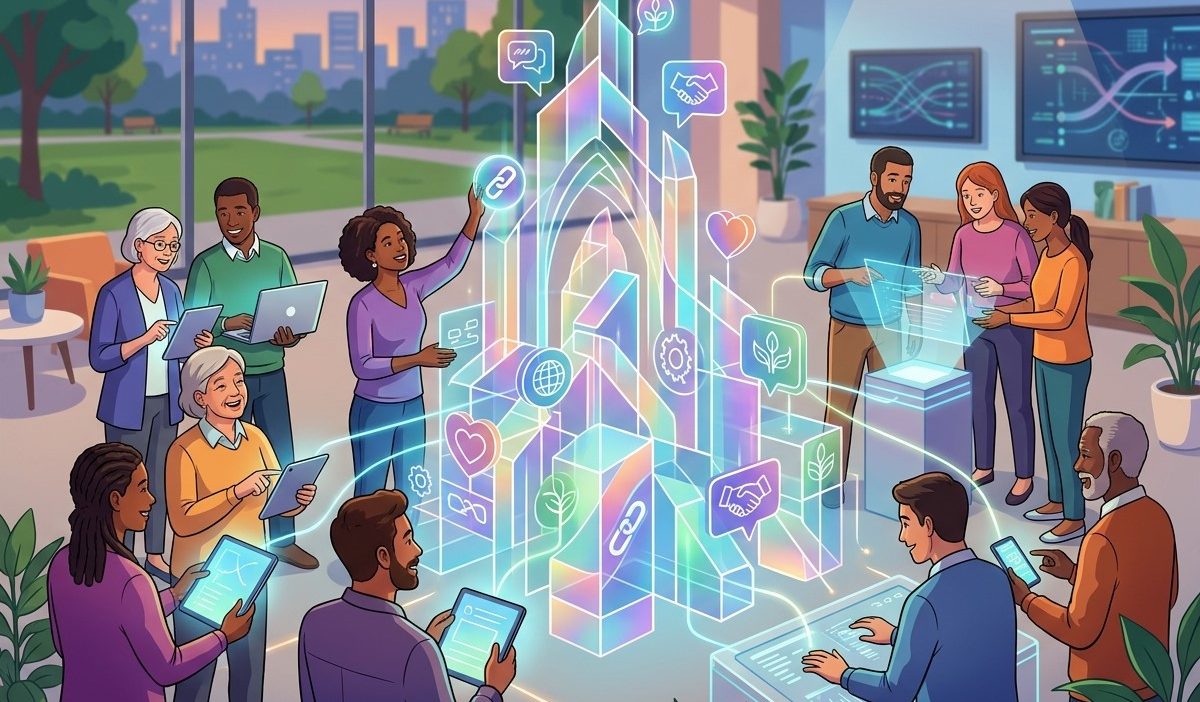
Online community building is the process of creating and developing a digital space where people with shared interests, goals, or experiences can interact with one another. These communities can exist on social media platforms, websites, forums, messaging platforms, membership portals, or specialized community platforms. The primary goal is to create an environment where members feel comfortable participating and contributing.
For businesses, online community building can support marketing, customer service, product development, and brand awareness. Instead of communicating with customers only through advertisements, brands can create ongoing conversations that encourage trust and loyalty. A successful community is not measured only by its number of members. The quality of interactions, member participation, retention, and overall engagement are equally important.
Why Online Community Building Matters
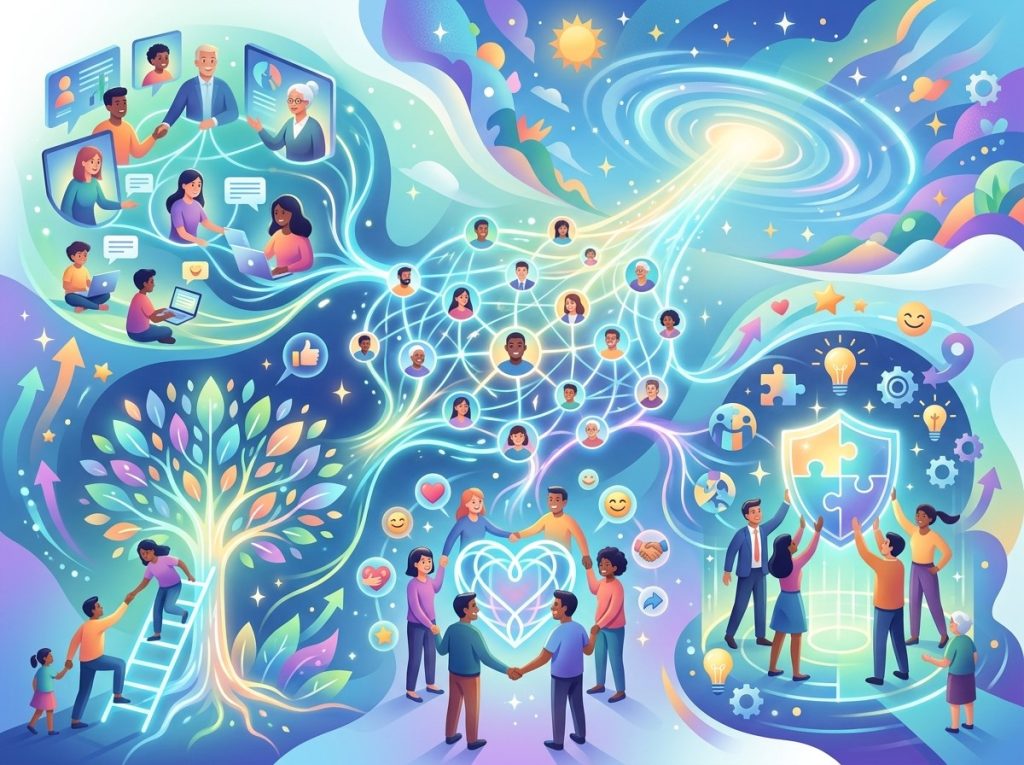 Modern consumers want more than products and services. They often want experiences, conversations, support, and relationships with brands they trust. An active online community can help businesses create these relationships. Members can ask questions, provide feedback, recommend products, and interact with other customers.
Community members can also become valuable brand advocates. When people have positive experiences within a community, they are more likely to recommend the brand to friends, colleagues, or their social networks. Another important benefit is customer loyalty. Regular communication and meaningful interactions can make customers feel connected to a brand rather than treating it as just another business.
Define Your Community Purpose
Before launching a community, establish a clear purpose. Ask what value the community will provide to its members.
A community might exist to:
- Help customers solve problems
- Share industry knowledge
- Support a specific interest
- Provide educational resources
- Connect professionals
- Encourage discussions
- Gather customer feedback
- Build stronger relationships with an audience
A clear purpose helps guide content, conversations, moderation, and member activities.
Without a defined purpose, communities can quickly become inactive. Members may not understand why they should participate or what they are expected to gain.
Understand Your Target Members
Effective community building starts with understanding the people you want to attract. Research their interests, challenges, questions, preferences, and communication habits. Think about the topics they frequently discuss and the problems they need help solving.
For example, a digital marketing community might focus on SEO, content marketing, social media, advertising, analytics, and emerging technologies. Understanding your members allows you to create relevant discussions and resources. When people consistently find useful information in a community, they have more reasons to return and participate.
Choose the Right Community Platform
The platform you choose can influence how people interact with your community. Social media groups may work well for businesses that already have an established audience. Forums can be useful for detailed discussions and long-term knowledge sharing. Messaging platforms may provide faster communication, while dedicated community platforms can offer greater control over membership and content.
The best platform depends on your audience, goals, content type, and available resources. Rather than choosing a platform simply because it is popular, consider where your target audience already spends time.
Create Valuable and Consistent Content
Content is one of the strongest drivers of community engagement. Members need a reason to participate, and valuable content can provide that reason. Share educational posts, useful resources, questions, polls, discussions, case studies, industry updates, and practical advice. Avoid making every post promotional. A community filled with advertisements can quickly lose member interest.
Instead, focus on creating conversations. Ask members about their experiences, opinions, challenges, and ideas. Consistency is also important. Posting regularly helps maintain activity and gives members more opportunities to participate.
Encourage Two-Way Communication
 Online community building should never be a one-way communication strategy. Instead of constantly publishing content, encourage members to respond and contribute. Ask open-ended questions and create discussions where multiple opinions are welcome. For example, instead of posting “Here are five SEO tips,” you could ask, “Which SEO strategy has produced the best results for your website?”
This approach transforms passive readers into active participants. Community managers should also respond to comments and acknowledge useful contributions. Even simple responses can make members feel that their participation matters.
Make Members Feel Valued
People are more likely to remain active when they feel recognized. Highlight valuable contributions, welcome new members, celebrate achievements, and thank people who regularly participate.
Recognition does not always need to involve rewards. A simple mention, appreciation post, or response from a community manager can create a positive experience. You can also introduce member spotlights, expert sessions, community challenges, or special discussions to encourage participation. The goal is to create a culture where members feel that their ideas and contributions are important.
Build Stronger Connections Through Shared Experiences
Communities become stronger when members have opportunities to connect around shared experiences. This can involve virtual events, workshops, live discussions, challenges, webinars, or networking sessions.
Another useful strategy is Creative Placemaking, which focuses on creating meaningful environments and experiences that bring people together around shared interests and local identity. While traditionally associated with physical spaces, the same principle can inspire digital communities by creating spaces where people feel connected and involved. Digital communities can use similar ideas by creating themed discussions, collaborative projects, virtual events, and member-led activities.
Encourage Different Generations to Participate
Communities often include people from different age groups, professional backgrounds, and experience levels. This diversity can become a valuable source of knowledge. Intergenerational Mentorship can encourage experienced members to share knowledge with newer or younger participants. At the same time, newer members may bring fresh perspectives, technology skills, and different ideas.
Creating opportunities for knowledge exchange can make a community more useful and inclusive. Mentorship programs, expert Q&A sessions, collaborative projects, and peer-learning discussions are effective ways to encourage this type of participation.
Develop Community Resilience
A successful community should be able to remain active even when circumstances change. Mobilizing Community Resilience can help organizations think beyond short-term engagement and focus on long-term relationships, support systems, and collective participation.
Online communities can strengthen resilience by encouraging members to help each other, share reliable information, collaborate on solutions, and provide support during difficult situations. When members see that a community provides genuine value during both normal and challenging periods, their connection with the community can become stronger.
Use Gamification to Increase Participation
Gamification can make community participation more enjoyable. Simple systems such as badges, points, rankings, challenges, and recognition can encourage members to contribute more frequently. However, gamification should support the community’s purpose rather than become the primary reason people participate.
For example, a professional community could recognize members who provide helpful answers or contribute valuable resources. The focus should remain on meaningful participation rather than simply increasing the number of posts.
Use User-Generated Content
User-generated content can make a community more authentic and engaging. Encourage members to share experiences, success stories, photos, reviews, tutorials, questions, or personal insights related to the community topic.
This type of content can also reduce the pressure on community managers to create everything themselves. Members may provide perspectives that the brand would not normally communicate. Their contributions can make discussions more diverse and relatable.
Monitor Engagement Metrics
Measuring community performance helps identify what is working and what needs improvement.
Important metrics can include:
- Active members
- Comments and replies
- Post engagement
- New member growth
- Member retention
- Event participation
- Content contributions
- Response rates
- Community referrals
Do not focus only on total membership. A community with 1,000 members but very little activity may be less valuable than a community with 300 highly engaged members. Look for trends over time and identify the types of content and activities that generate the strongest responses.
Maintain a Safe and Positive Environment
A healthy community needs clear rules and effective moderation. Create simple guidelines explaining acceptable behavior, promotional policies, spam rules, and expectations for respectful communication.
Moderators should respond consistently to inappropriate behavior. At the same time, they should avoid unnecessarily controlling conversations. The goal is to create an environment where members feel comfortable asking questions, expressing opinions, and participating in discussions. Trust is essential for long-term community growth.
Avoid Common Community Building Mistakes
Several mistakes can prevent a community from becoming successful. One common mistake is focusing only on member numbers. Growth is useful, but engagement and retention are more meaningful indicators of community health. Another mistake is excessive promotion. Members generally join communities for value, not constant advertisements. Inconsistent activity is another problem. If members rarely see new discussions or responses, they may stop returning.
Ignoring feedback can also damage trust. Community members should have opportunities to share suggestions and concerns. Finally, communities should not depend entirely on one person. Developing moderators, ambassadors, and active members can create a stronger and more sustainable structure.
Build Relationships Instead of Just an Audience
 The most effective approach to online community building is to focus on relationships rather than numbers. A strong community gives members a reason to participate, return, contribute, and invite others. It creates opportunities for meaningful conversations and helps people feel connected to something valuable.
Businesses can use communities to strengthen customer relationships, collect feedback, improve brand loyalty, and create advocates. Organizations can use them to share knowledge and coordinate activities. Creators can use them to develop deeper relationships with their audiences. The process takes time, but consistent effort can produce long-term results.
Conclusion
Online community building is a powerful strategy for creating meaningful relationships in a digital environment. Success requires more than creating a group or publishing regular posts. It depends on understanding members, providing valuable content, encouraging conversations, recognizing contributions, and creating a safe environment.
By combining consistent engagement with ideas such as Mobilizing Community Resilience, Creative Placemaking, and Intergenerational Mentorship, organizations can create communities that are active, inclusive, and valuable. When members feel heard, supported, and connected, they are more likely to remain active and contribute to the growth of the community. Ultimately, the strongest communities are built through trust, consistency, shared value, and genuine human connection.
Frequently Asked Questions (FAQ)
1. What is online community building?
Online community building is the process of creating a digital space where people with shared interests, goals, or experiences can connect, communicate, and participate in meaningful discussions.
2. Why is online community building important?
Online community building helps businesses and organizations develop stronger relationships with their audiences. It can improve engagement, customer loyalty, brand awareness, feedback, and long-term audience retention.
3. How can I increase engagement in an online community?
You can increase engagement by sharing valuable content, asking questions, creating polls, hosting events, recognizing active members, encouraging discussions, and responding consistently to comments and questions.
4. What platform is best for building an online community?
The best platform depends on your audience and goals. Facebook Groups, Reddit, Discord, forums, messaging platforms, and dedicated community platforms can all work effectively when they match your members’ preferences.
5. How often should I post in an online community?
There is no fixed posting frequency for every community. Focus on consistent and valuable content rather than posting excessively. A regular schedule can help members know when to expect new discussions and resources.
6. How can businesses benefit from online communities?
Businesses can use online communities to improve customer relationships, collect feedback, answer questions, build brand loyalty, encourage referrals, and create a group of engaged customers and brand advocates.
7. What role does user-generated content play in community building?
User-generated content makes communities more authentic and interactive. Member stories, reviews, questions, experiences, and contributions can encourage other members to participate and create stronger community connections.
8. How does Intergenerational Mentorship support online communities?
Intergenerational Mentorship encourages people with different levels of experience to share knowledge and perspectives. It can create valuable learning opportunities and strengthen relationships between community members.
9. What is the connection between Creative Placemaking and online communities?
Creative Placemaking focuses on creating meaningful environments that bring people together. Its principles can be adapted to digital communities through collaborative activities, themed discussions, virtual events, and shared experiences.
10. How can I make an online community successful long term?
A successful community requires consistent engagement, useful content, clear guidelines, active moderation, member recognition, and opportunities for meaningful interaction. Building trust and providing continuous value are key to long-term success.