
Strong online communities grow when members feel involved and valued. They do not depend only on community managers or moderators. They grow faster when trusted community ambassadors take an active role. These ambassadors are passionate members who support others, share knowledge, and represent brand values.
A well-designed community ambassador program helps increase community engagement, member participation, and brand advocacy. Ambassadors act as connectors between the community and leadership. They welcome new members, encourage conversations, and help build a positive community culture.
In this guide, you will learn how to identify ambassadors, onboard them effectively, and give them the tools they need to succeed. We also cover ways to motivate and reward ambassadors so they stay active and committed. Whether you manage an online community, brand forum, or social media group, these strategies will help you drive long-term community growth and create a more engaged community.
What Is a Community Ambassador?
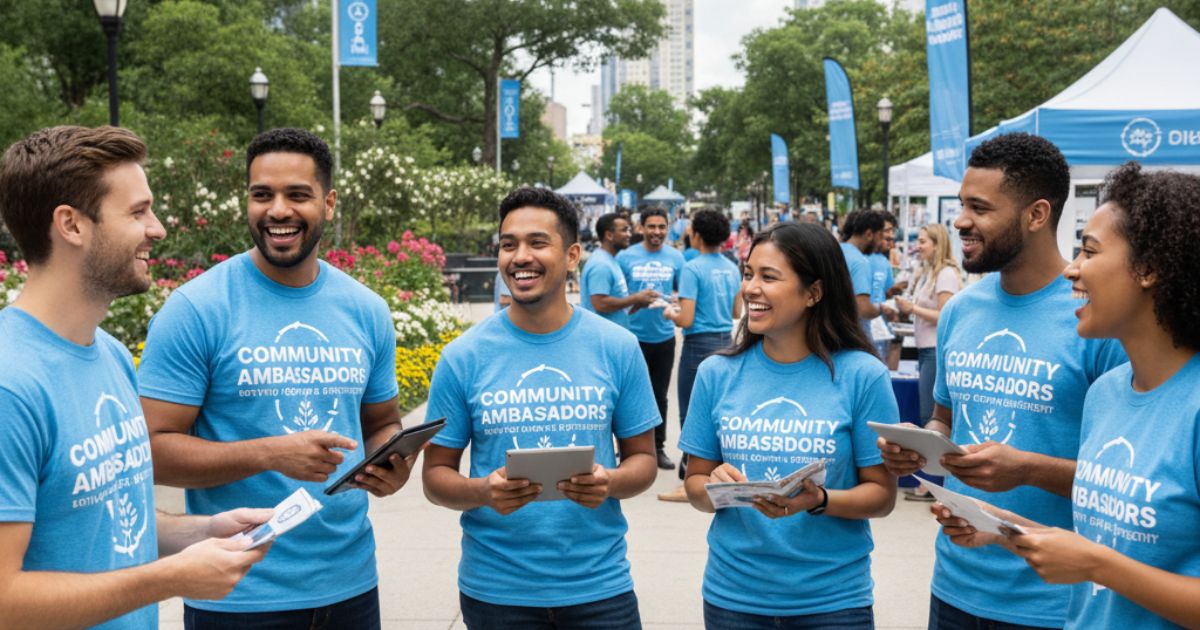
A community ambassador is a trusted and active member who helps support, guide, and grow a community. Unlike staff or moderators, ambassadors are usually volunteers who genuinely care about the community’s mission, values, and members. They act as a bridge between the community and its leadership.
Community ambassadors welcome new members, answer questions, and encourage healthy discussions. They help keep conversations positive and inclusive. In many cases, they also share feedback from the community with managers, helping improve the overall community experience.
In online spaces, a community ambassador may represent a brand community, social media group, or online forum. Their role focuses on member engagement, relationship building, and peer-to-peer support. By empowering ambassadors, organizations can create stronger connections, increase user participation, and build long-term community loyalty.
Why Invest in Community Ambassadors?

How to Recruit and Select Ambassadors
Onboarding and Training Ambassadors
Strong onboarding helps community ambassadors feel confident from day one. When ambassadors understand your goals, tools, and values, they can support community engagement more effectively and represent your brand with clarity.
Create a Clear Welcome Kit
Start with a simple welcome kit. Include brand guidelines, community rules, and discussion policies. Add ready-to-use templates for common actions like welcoming new members, starting conversations, or moderating discussions. This gives ambassadors clear direction and consistency.
Run Structured Training Sessions
Offer live or recorded training sessions. Cover essential tools, platform features, and daily workflows. Include best practices for conflict resolution, positive communication, and storytelling. These sessions strengthen community management skills and align ambassadors with your values.
Use Peer Mentoring for Confidence
Pair new ambassadors with experienced ones. This peer mentoring approach helps them observe real conversations, ask questions, and receive feedback. It builds confidence and encourages collaboration within your ambassador program.
Maintain a Shared Resource Library
Create a central resource library that is easy to access. Include FAQs, escalation guidelines, event schedules, and design assets for posts. A well-organized knowledge base supports long-term community support and keeps ambassadors aligned as your community grows.
With the right onboarding and training, ambassadors become trusted leaders who drive engagement, trust, and sustainable community growth.
Defining Roles and Responsibilities for Community Ambassadors

Community ambassadors play a vital role in building a strong and engaged community. To keep the ambassador program effective, it is important to clearly define their roles and responsibilities. Clear expectations help ambassadors understand what they should focus on and prevent confusion or burnout. When responsibilities are well structured, ambassadors can support members better, encourage healthy discussions, and protect community values. The table below outlines the key roles of community ambassadors and how each responsibility supports overall community growth.
| Role Area | Responsibilities | How It Supports Community Growth |
|---|---|---|
| Member Onboarding | Welcome new members, guide them to important channels, and answer basic questions | Improves first impressions and helps new members become active faster |
| Community Moderation | Enforce guidelines, manage conflicts, and escalate serious issues to staff | Maintains a safe, respectful, and trustworthy community environment |
| Content Engagement | Start discussions, host AMAs, create polls, and share helpful content | Keeps conversations active and boosts member participation |
| Event Support | Help plan, promote, and manage virtual or in-person events | Increases event attendance and strengthens member relationships |
| Feedback Collection | Gather member feedback, run surveys, and share insights with leadership | Helps improve community strategy and member experience |
| Brand Representation | Promote community values and act as a positive role model | Builds trust, credibility, and authentic brand advocacy |
Designing Incentives and Rewards
A strong ambassador program grows when people feel valued. Rewards show appreciation and motivate ambassadors to stay active and committed. The best incentives support both community engagement and personal growth.
Here are effective incentive ideas you can use:
-
Exclusive Access
Give ambassadors early access to new features, private roadmap sessions, or invite-only chats with leadership. This makes them feel trusted and involved in decision-making. -
Swag and Merchandise
Offer branded items like badges, t-shirts, stickers, or digital avatars. These rewards build pride and signal ambassador status within the community. -
Monetary or Point-Based Rewards
Use gift cards, affiliate earnings, or a point system tied to activities like hosting events or onboarding members. This supports performance-based motivation. -
Public Recognition
Highlight ambassadors in newsletters, blog features, or social media shout-outs. Public recognition boosts confidence and strengthens their personal brand. -
Learning and Growth Opportunities
Provide access to courses, workshops, certifications, or conference tickets. These rewards align ambassador contributions with long-term skill development.
When incentives are meaningful and consistent, ambassadors feel appreciated and stay engaged. A balanced reward system helps sustain momentum and strengthens the overall community ecosystem.
Measuring Ambassador Impact and Community Growth
Measuring the impact of your community ambassador program helps you understand what is working and where to improve. A mix of data-driven metrics and human feedback gives the clearest picture of success.
Engagement Uplift
Track changes in community engagement after ambassadors become active. Compare post volume, comment activity, replies, and reactions before and after ambassador-led initiatives. Higher interaction levels often reflect stronger peer-to-peer participation.
New Member Conversion
Measure how many new members join or become active through ambassador referrals or welcome messages. This shows how effective ambassadors are at improving member onboarding and turning visitors into engaged participants.
Community Sentiment and Satisfaction
Use surveys, polls, and simple sentiment analysis tools to understand how members feel. Look for improvements in satisfaction scores, positive language, and overall tone. Strong sentiment signals a healthy online community.
Event Participation Rates
Review registration numbers and live attendance for events led by ambassadors. Compare these results with non-ambassador events to evaluate their role in boosting community events and active participation.
Member Retention and Loyalty
Track how long members remain active after interacting with an ambassador. Higher retention rates indicate stronger community loyalty and long-term engagement driven by personal connections.
By monitoring these metrics consistently, you can refine your ambassador strategy, reward top contributors, and scale sustainable, member-led community growth.
Scaling and Sustaining Your Community Ambassador Program

As your community ambassador program grows, structure and consistency become essential. Scaling is not just about adding more ambassadors. It is about building systems that support long-term community growth, leadership, and engagement.
Introduce Tiered Ambassador Roles
Create clear ambassador levels such as junior, senior, and veteran ambassadors. Each tier should come with defined responsibilities, permissions, and rewards. This structure motivates ambassadors to grow, take ownership, and stay active over time.
Build an Ambassador Leadership Council
Form a small ambassador advisory group that meets regularly. This council can share feedback, suggest improvements, and co-create new engagement ideas. Involving ambassadors in decision-making strengthens trust and program sustainability.
Use Automation and Community Tools
Leverage community management platforms to assign tasks, track performance metrics, and manage communication. Automation reduces manual work and helps scale ambassador coordination without losing quality or consistency.
Collect Ongoing Feedback
Run quarterly surveys or short check-ins with ambassadors. Regular feedback helps you improve training, incentives, and role clarity. It also shows ambassadors that their voice matters, which boosts retention and morale.
Define Clear Offboarding and Transition Policies
Not all ambassadors will stay forever. Create simple offboarding guidelines for inactive or graduating ambassadors. This keeps your program healthy, organized, and respectful while opening space for new community leaders.
By adding structure, leadership pathways, and feedback loops, you can sustain a strong ambassador ecosystem that supports long-term engagement, brand advocacy, and community-led growth.
Conclusion
Community ambassadors turn engaged members into active leaders. They help your community grow in an organic and sustainable way. By sharing knowledge, welcoming new members, and leading conversations, ambassadors strengthen trust and deepen relationships.
A strong community ambassador program gives this energy clear direction. With defined goals, proper onboarding, ongoing training, and fair rewards, ambassadors stay motivated and aligned. Regular performance tracking also helps you measure impact and improve engagement strategies over time.
Now is the right time to build your ambassador strategy. Empower your most passionate members and let them represent your values. When members become ambassadors, community engagement increases, brand loyalty grows, and your community becomes a long-term driver of meaningful growth.
FAQs
What is a community ambassador program?
A community ambassador program is a structured initiative where trusted and active members help support, guide, and grow a community. Ambassadors welcome new members, encourage engagement, and represent brand values.
How do community ambassadors help grow a community?
Community ambassadors drive growth by creating conversations, onboarding new members, hosting events, and providing peer support. Their involvement increases engagement, retention, and trust within the community.
How do you choose the right community ambassadors?
The right community ambassadors are consistent, positive, and respected members. They communicate well, care about the community, and are willing to help others. Many programs use nominations, applications, and trial periods to select ambassadors.
Are community ambassadors paid or volunteers?
Most community ambassadors are volunteers, but they are often rewarded with incentives such as exclusive access, recognition, learning opportunities, or performance-based rewards. Some programs may also offer monetary benefits.
How do you measure the success of a community ambassador program?
Success is measured through engagement metrics, member retention, event participation, referral growth, and community sentiment. Regular feedback and performance tracking help improve the program over time.