
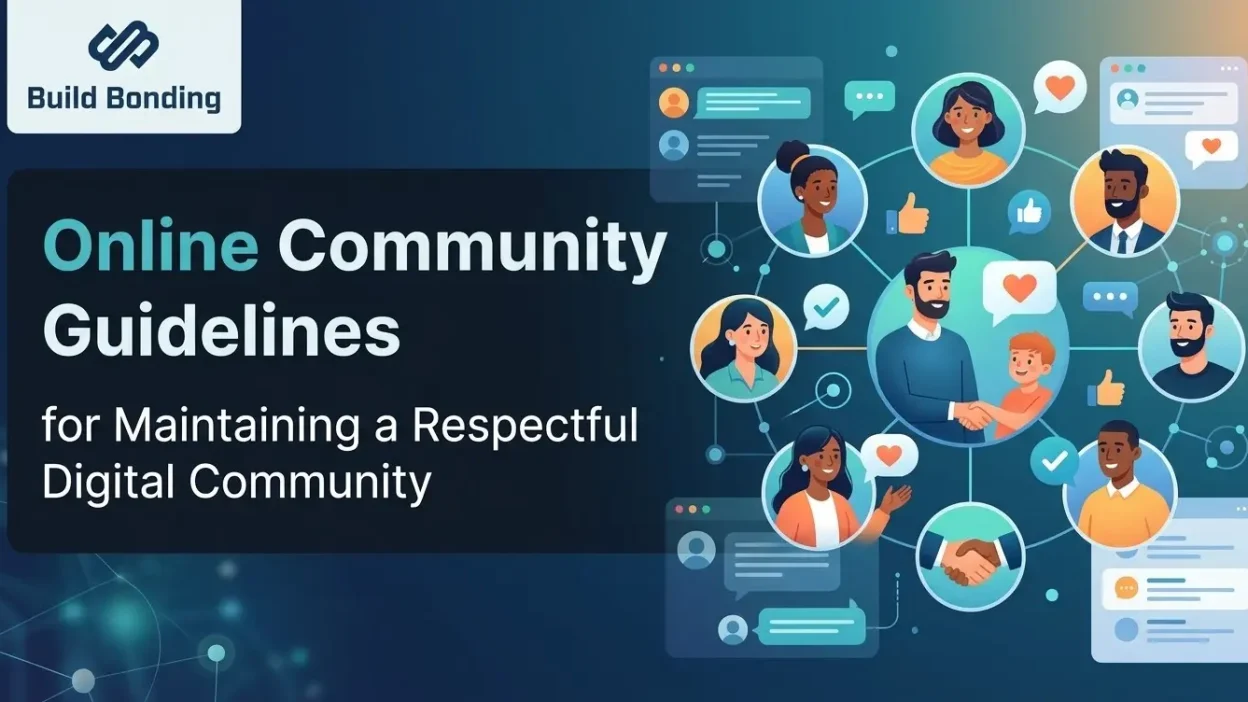
Online communities have become important spaces where people connect, exchange ideas, share experiences, and build relationships around common interests. Businesses, organizations, and digital platforms use these communities to communicate with audiences, provide support, and strengthen their online presence. However, maintaining a positive digital environment requires clear expectations and consistent communication. Online Community Guidelines help establish acceptable behavior, protect members from harmful interactions, and encourage respectful participation across digital platforms.
Without clear community rules, online discussions can become difficult to manage because of spam, harassment, misinformation, and inappropriate content. A well-developed set of guidelines creates a shared understanding of how members should interact with one another. It also supports Online audience growth, improves Customer engagement, and strengthens Community management by creating a safe and welcoming environment where people feel comfortable participating.
Understanding Online Community Guidelines and Their Importance
Online Community Guidelines are rules and expectations that explain how members should behave within a digital community. They define acceptable communication, content-sharing practices, privacy expectations, and consequences for inappropriate activities. These guidelines help community administrators maintain consistency while ensuring that members understand their responsibilities.
Digital communities can exist on social media platforms, discussion forums, membership websites, online learning environments, and customer support groups. Although each community has different objectives, establishing clear behavioral standards is important for maintaining respectful interactions and long-term participation.
Why Every Online Community Needs Clear Rules
Clear rules help prevent misunderstandings by explaining which activities are acceptable and which behaviors may negatively affect other members. When people understand community expectations, they can participate more confidently and communicate without unnecessary confusion.
Community guidelines also help administrators respond consistently to complaints and inappropriate behavior. Instead of making decisions based on personal preferences, moderators can follow established policies when reviewing reported content or addressing disagreements.
Building a Positive Digital Environment
A positive digital environment encourages members to exchange ideas without fear of harassment, discrimination, or unnecessary conflict. Communities become more valuable when participants feel respected and believe their opinions can be shared constructively.
Well-written guidelines support this environment by encouraging polite communication, responsible content sharing, and mutual understanding. They also establish expectations for administrators, ensuring that moderation decisions remain fair and consistent across different discussions.
Establishing Respectful Communication Standards
 Respectful communication is one of the most important elements of a successful online community. Members often have different opinions, experiences, cultural backgrounds, and communication styles. Community guidelines should explain how participants can express disagreements without using offensive language, personal attacks, or threatening behavior.
A respectful communication policy creates space for meaningful discussions while reducing unnecessary arguments. It also helps community administrators identify behavior that crosses acceptable boundaries and take appropriate action before conflicts become more serious.
Encouraging Constructive Discussions
Constructive discussions allow members to share different perspectives while focusing on useful information and meaningful conversations. Community administrators should encourage participants to explain their opinions clearly, provide relevant context, and respond thoughtfully to other members.
Guidelines should discourage personal insults, aggressive language, and deliberate attempts to provoke arguments. When disagreements occur, moderators can encourage participants to focus on the topic rather than attacking individuals. This approach helps maintain productive conversations and improves the overall quality of community interactions.
Preventing Harassment and Discrimination
Harassment and discriminatory behavior can make online communities uncomfortable and discourage members from participating. Clear guidelines should explain that threatening language, targeted abuse, hateful comments, and repeated unwanted contact are unacceptable.
Administrators should provide accessible reporting options so members can raise concerns without unnecessary difficulty. Reported incidents should be reviewed carefully, and appropriate actions should follow established moderation policies. Consistent enforcement helps protect community members and reinforces trust in the platform.
How Online Community Guidelines Support Online Audience Growth
Online audience growth depends on attracting new members while maintaining a positive experience for existing participants. People are more likely to join communities where discussions are welcoming, rules are understandable, and inappropriate behavior is addressed consistently.
Online Community Guidelines contribute to this process by establishing a professional and trustworthy environment. When members feel comfortable participating, they may invite others, share useful discussions, and recommend the community through their personal networks.
Creating a Welcoming Experience for New Members
New members often evaluate a community by observing its discussions, member behavior, and moderation practices. A welcoming introduction and clearly accessible guidelines help newcomers understand how to participate without feeling uncertain about community expectations.
Administrators can explain the community’s purpose, preferred communication style, and basic participation requirements when members join. This creates a smoother onboarding experience and encourages newcomers to contribute meaningful questions, ideas, and discussions.
Encouraging Organic Community Expansion
Organic community growth happens when existing members find enough value in their experience to recommend the platform to others. Respectful discussions, helpful responses, and consistent moderation can create an environment where members naturally become advocates for the community.
Guidelines support this growth by reducing harmful interactions and maintaining discussion quality. Businesses and community owners should also regularly review member feedback to understand which activities encourage participation and which areas require improvement.
Improving Customer Engagement Through Community Rules
Customer engagement refers to the interactions and relationships businesses develop with their customers across digital communication channels. Online communities provide opportunities for customers to ask questions, discuss experiences, provide feedback, and connect with other users.
Clear community guidelines help organizations maintain productive customer interactions by defining communication standards and acceptable participation. They also encourage members to exchange helpful information while ensuring that promotional activities, complaints, and discussions remain relevant to the community’s purpose.
Encouraging Meaningful Customer Participation
Customers are more likely to participate when they feel their opinions are respected and their questions receive appropriate attention. Businesses can encourage meaningful engagement by creating discussion topics, responding to customer concerns, and recognizing valuable contributions.
Community rules should support open communication without allowing spam, harassment, or misleading promotional messages. This balance helps customers share genuine experiences while maintaining an organized environment for discussions and feedback.
Managing Customer Complaints Professionally
Customer complaints are a natural part of online business communities, particularly when members discuss products, services, and support experiences. Administrators should establish guidelines explaining how complaints should be shared and how representatives will respond to concerns.
Businesses should avoid removing legitimate criticism simply because it is negative. Instead, moderators should distinguish between constructive complaints and abusive behavior. Professional responses demonstrate accountability and can help improve customer confidence in the organization.
The Role of Community Management in Maintaining Digital Standards
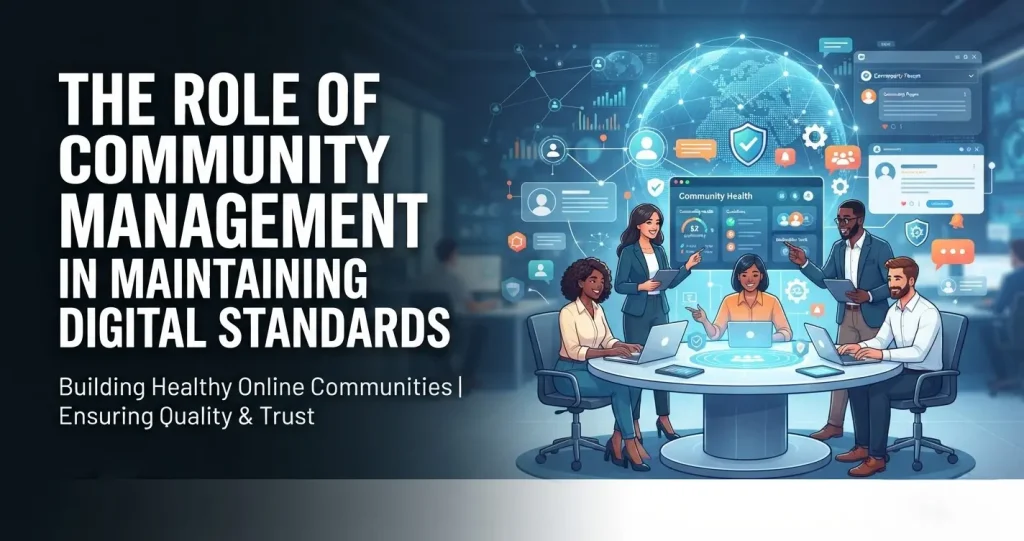 Community management involves developing, organizing, monitoring, and maintaining relationships within an online community. It ensures that members understand community expectations while administrators maintain an environment that supports productive discussions and participation.
Online Community Guidelines provide the foundation for these activities by establishing clear moderation standards and behavioral expectations. Community managers can use these rules to review reported content, resolve conflicts, welcome new members, and maintain consistency across different communication channels.
Developing a Consistent Moderation Process
A consistent moderation process helps administrators apply community rules fairly and avoid unnecessary confusion. Moderators should understand which behaviors require warnings, content removal, temporary restrictions, or account suspension.
Organizations should document moderation procedures and communicate them clearly to relevant team members. When decisions follow established policies, members can better understand why certain actions are taken and what they can do to resolve issues.
Training Community Moderators
Community moderators play an important role in maintaining a safe and organized digital environment. They need to understand the community’s purpose, behavioral expectations, reporting procedures, and methods for responding to sensitive situations.
Proper training helps moderators recognize harassment, misinformation, spam, and other policy violations. It also prepares them to handle disagreements professionally and communicate decisions without escalating conflicts. Regular discussions among moderation teams can improve consistency and identify areas where existing guidelines need clarification.
Protecting Member Privacy and Digital Safety
Privacy and digital safety are essential considerations when managing online communities. Members may share personal experiences, contact information, photographs, or other sensitive details during discussions. Community guidelines should explain how participants can protect their information and respect the privacy of others.
Businesses should also communicate how personal information is handled and direct members to the platform’s relevant privacy policy. Clear privacy expectations reduce unnecessary risks and help members understand their responsibilities when interacting online.
Establishing Privacy Protection Rules
Privacy guidelines should discourage members from publishing personal contact information, private messages, financial details, or confidential information without permission. Sharing another person’s private information without consent can create serious safety and trust concerns.
Community administrators should explain how members can report privacy violations and request assistance. Businesses must also follow applicable data protection requirements when collecting, processing, or storing personal information through their community platforms.
Preventing Spam and Misleading Information
Spam and misleading information can reduce discussion quality and create confusion among community members. Guidelines should explain restrictions on repetitive promotional messages, suspicious links, fake accounts, fraudulent offers, and intentionally misleading content.
Moderators should review suspicious activities carefully before taking action. They can remove harmful content, restrict repeated offenders, and provide accurate information when misinformation creates confusion. These practices help maintain a more reliable environment for community participation.
Creating Effective Online Community Guidelines
Developing effective community guidelines requires understanding the platform’s purpose, audience expectations, and potential communication challenges. Rules should be easy to understand, relevant to actual community activities, and practical for administrators to enforce.
Overly complicated policies can discourage participation, while unclear rules may create inconsistent moderation decisions. Organizations should focus on writing straightforward expectations that explain acceptable behavior, reporting procedures, and the consequences of repeated violations.
Writing Clear and Accessible Community Rules
Community rules should use simple language so that members with different levels of digital experience can understand them. Each rule should explain the expected behavior and provide enough context to prevent unnecessary misunderstandings.
Administrators should organize guidelines into understandable sections covering communication, privacy, content sharing, promotional activities, and moderation. Making these rules visible during registration and within community pages helps members access important information whenever necessary.
Reviewing and Updating Guidelines Regularly
Online communities change as membership increases, communication trends develop, and new platform features become available. Guidelines that were effective when a community was small may not address the challenges of a larger and more active audience.
Administrators should review their policies periodically and consider member feedback, moderation reports, and emerging safety concerns. Updates should be communicated clearly so that members understand any changes to participation expectations or moderation procedures.
Measuring the Effectiveness of Online Community Guidelines
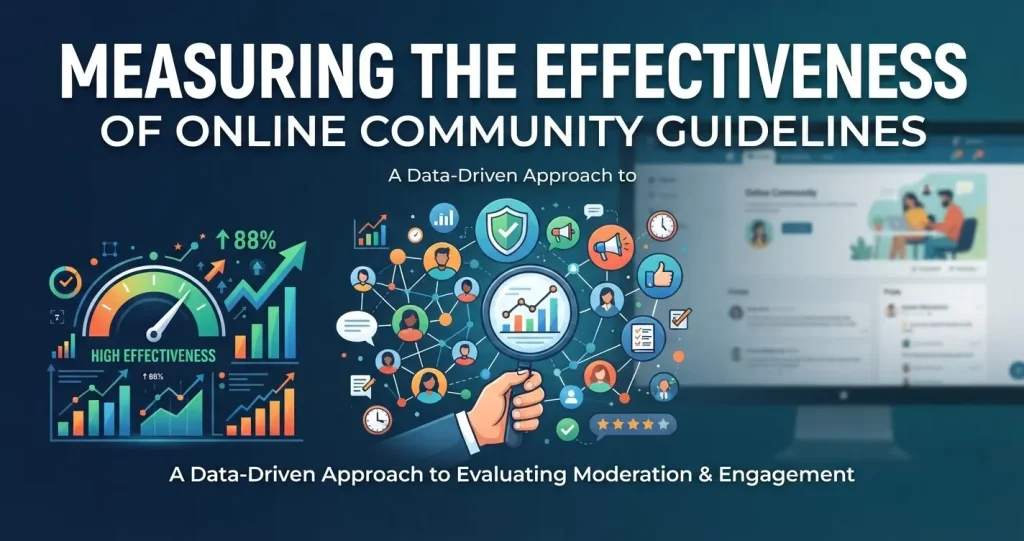 Measuring guideline effectiveness helps organizations understand whether their policies are creating a safer and more engaging digital environment. Community administrators should evaluate member participation, reported incidents, discussion quality, moderation activity, and customer feedback rather than assuming that publishing rules automatically improves community behavior.
Regular performance reviews also help identify weaknesses in existing policies. By examining measurable results and listening to member experiences, organizations can improve their guidelines and develop better long-term community management practices.
Monitoring Member Engagement and Community Health
Member engagement provides useful information about how people interact within a community. Administrators can evaluate discussion participation, meaningful comments, returning members, response quality, and contributions from new participants.
However, high activity does not always indicate a healthy community. A large number of arguments or repeated complaints may increase interaction without creating meaningful value. Businesses should therefore evaluate engagement quality alongside participation volume and member satisfaction.
Evaluating Moderation Performance
Moderation performance can be evaluated by examining reported incidents, response times, repeated violations, and member feedback about administrative decisions. These measurements help organizations identify whether moderators are applying policies consistently and addressing problems effectively.
Regular reviews can also reveal whether particular rules are unclear or difficult to enforce. Improving these policies helps administrators manage discussions more efficiently while maintaining fairness and transparency across the community.
Conclusion
Online Community Guidelines are essential for creating a respectful, safe, and engaging digital environment. They establish clear behavioral expectations, encourage constructive discussions, protect member privacy, and help administrators manage inappropriate activities consistently. Well-designed guidelines also support Online audience growth by creating welcoming experiences that encourage participation and recommendations.
By improving Customer engagement and strengthening Community management, businesses can develop stronger relationships with their audiences and maintain healthier digital communities. Regular policy reviews, consistent moderation, and transparent communication ensure that community standards remain relevant as platforms grow. Ultimately, effective guidelines help organizations build trustworthy online spaces where members feel respected, valued, and comfortable participating.
Frequently Asked Questions (FAQs)
1. What Are Online Community Guidelines?
Online Community Guidelines are rules that explain acceptable behavior and participation standards within a digital community. They cover communication, content sharing, privacy, harassment prevention, and moderation procedures to maintain a respectful online environment.
2. Why Are Online Community Guidelines Important?
Online Community Guidelines help prevent harmful behavior, reduce misunderstandings, and establish clear expectations for members. They also support respectful communication, protect community safety, and encourage meaningful participation across digital platforms.
3. How Do Community Guidelines Improve Audience Growth?
Clear guidelines create welcoming environments where members feel comfortable participating and inviting others. Consistent moderation and respectful discussions can improve member satisfaction, encourage recommendations, and support sustainable Online audience growth.
4. How Do Community Guidelines Improve Customer Engagement?
Community guidelines encourage customers to share feedback, ask questions, and participate in discussions without unnecessary conflict. They help businesses maintain productive conversations and build stronger relationships through respectful communication.
5. What Should Online Community Guidelines Include?
Online community guidelines should explain acceptable communication, prohibited behavior, privacy expectations, content-sharing requirements, promotional restrictions, reporting procedures, and moderation consequences. The rules should reflect the community’s purpose and audience requirements.
6. What Is the Role of Community Management?
Community management involves organizing, monitoring, and maintaining relationships within a digital community. It includes welcoming members, moderating discussions, addressing complaints, enforcing guidelines, and encouraging meaningful participation.
7. How Can Businesses Handle Violations of Community Guidelines?
Businesses should review reported incidents, investigate relevant information, and apply appropriate moderation actions according to established policies. Depending on the violation, this may involve content removal, warnings, temporary restrictions, or account suspension.
8. How Often Should Online Community Guidelines Be Updated?
Community guidelines should be reviewed periodically and whenever significant changes occur in platform features, membership, or safety requirements. Regular updates help organizations address emerging challenges and maintain relevant participation standards.
9. How Can Businesses Protect Member Privacy in Online Communities?
Businesses can protect member privacy by establishing clear information-sharing rules, restricting unauthorized disclosure, providing reporting options, and following applicable data protection requirements. Members should also be encouraged to avoid sharing sensitive personal information publicly.
10. How Can Organizations Measure Community Guideline Effectiveness?
Organizations can evaluate guideline effectiveness through member engagement, moderation response times, reported violations, repeated incidents, discussion quality, and customer satisfaction. Combining these measurements helps administrators identify improvements and maintain a healthier digital community.