
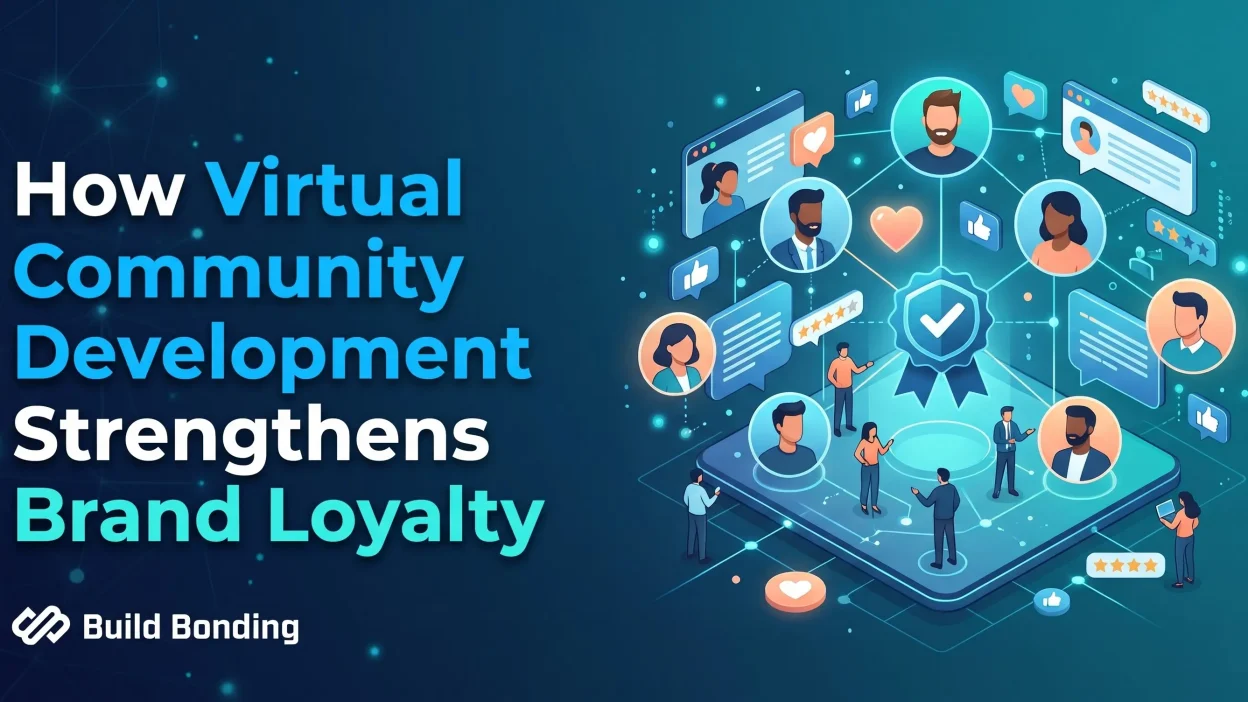
Virtual Community Development is an effective strategy for building meaningful relationships between brands and their audiences through online platforms. As customers increasingly interact with businesses through social media, forums, discussion groups, and digital communities, brands have new opportunities to establish trust and encourage long-term loyalty. Instead of focusing exclusively on selling products or services, businesses can create online spaces where customers share experiences, exchange ideas, ask questions, and feel connected to a brand’s values.
A well-developed virtual community encourages customers to participate actively and develop a stronger connection with a business. Through consistent communication, valuable content, and responsive support, brands can improve Audience engagement and support sustainable Online audience growth. Effective Community management also helps businesses maintain positive interactions, understand customer expectations, and create welcoming environments. When customers feel heard, appreciated, and connected to other members, they are more likely to return, recommend the brand, and maintain lasting relationships.
What Is Virtual Community Development?
Virtual Community Development refers to the process of creating, growing, and maintaining online communities where people connect around shared interests, needs, experiences, or brand values. These communities may exist on social media platforms, private membership groups, online forums, or dedicated brand websites. Their primary purpose is to encourage meaningful interaction and establish relationships that extend beyond individual transactions.
Creating a Shared Community Purpose
A successful virtual community begins with a clear purpose that explains why people should participate. A business might create a community to help customers learn about its products, exchange professional knowledge, or receive ongoing support. When members understand the community’s value, they have a stronger reason to participate regularly and develop an emotional connection with the brand.
Establishing a Recognizable Brand Identity
A consistent identity helps members recognize the community and understand what it represents. Businesses should communicate their values, expectations, and personality through their content and interactions. A recognizable identity creates familiarity, while an authentic approach helps customers connect with the brand beyond its products or services. This connection can contribute to stronger trust and long-term loyalty.
How Virtual Community Development Strengthens Brand Loyalty
Virtual Community Development strengthens brand loyalty by creating ongoing opportunities for customers to interact with businesses and fellow members. These relationships help brands remain relevant between purchases and provide customers with additional reasons to stay connected. When communities consistently deliver value, encourage participation, and respond to customer needs, members can develop a stronger preference for the brand.
Building Trust Through Consistent Communication
Trust develops when businesses communicate honestly, respond to questions, and deliver on their promises. Virtual communities allow brands to demonstrate these qualities through regular discussions, helpful responses, and transparent updates. Customers who consistently receive reliable information are more likely to view the business as dependable, making them more comfortable continuing their relationship with the brand.
Creating Emotional Connections
Brand loyalty is not always driven by price or product quality alone. Customers may also remain loyal because they feel understood, appreciated, and connected to a community. Businesses can encourage these emotional connections by celebrating member achievements, acknowledging contributions, and facilitating meaningful discussions. When customers feel that they belong, their relationship with the brand can become more personal and lasting.
The Role of Audience Engagement in Building Loyalty
 Audience engagement refers to the interactions that occur between a brand and its community members. These interactions may include comments, discussions, polls, questions, shared experiences, and feedback. Strong engagement makes a community more active and helps businesses understand what matters to their customers. Meaningful participation can also strengthen relationships and encourage members to remain connected over time.
Encouraging Meaningful Conversations
Businesses can encourage participation by asking relevant questions, discussing industry trends, and inviting members to share their experiences. Conversations should provide genuine value rather than exist solely to promote products. When members feel comfortable expressing their opinions, the community becomes a place for exchanging ideas and building relationships, which can strengthen their connection to the brand.
Recognizing Active Members
Recognizing valuable contributions helps members understand that their participation matters. Businesses can highlight useful discussions, thank members for helpful answers, and celebrate community milestones. Recognition does not always require rewards or financial incentives. Sometimes, a thoughtful response or public acknowledgment is enough to encourage continued involvement and create a more welcoming community environment.
Supporting Online Audience Growth Through Community Development
Online audience growth involves attracting relevant people to a brand’s digital platforms and encouraging them to become active participants. Virtual community development supports this process by giving existing members reasons to invite others and share useful discussions. When a community offers consistent value, it can attract people who are interested in the same topics, products, or experiences.
Attracting Relevant Community Members
Businesses should identify the audiences most likely to benefit from their communities. Understanding customer interests, challenges, and preferences helps brands create relevant discussions and useful resources. A focused community with shared interests often encourages more meaningful participation than a large group without a clear purpose. Relevance helps attract members who are more likely to remain active.
Encouraging Member Recommendations
Satisfied members can help introduce a community to new audiences through personal recommendations, social sharing, and invitations. Businesses can support this process by making community participation accessible and providing valuable resources worth sharing. Referral initiatives may also encourage existing members to invite interested people, provided that participation remains voluntary and the community’s value is clear.
Effective Community Management for Long-Term Loyalty
Community management involves guiding conversations, supporting members, maintaining community standards, and ensuring that online interactions remain productive. Effective management helps create a safe and welcoming environment where people feel comfortable participating. It also allows businesses to respond to concerns, manage disagreements, and maintain consistent communication, supporting a healthier community and stronger long-term customer relationships.
Establishing Clear Community Guidelines
Clear guidelines help members understand acceptable behavior and the purpose of the community. Businesses should explain expectations for respectful communication, relevant contributions, privacy, and promotional activity. Consistent enforcement helps prevent harassment, spam, and disruptive discussions. When members feel protected and understand the rules, they are more likely to participate confidently and develop trust in the community.
Responding to Questions and Feedback
Timely responses demonstrate that a business values its members’ concerns and opinions. Community managers should answer questions accurately, acknowledge feedback, and direct complicated issues to the appropriate support channels. When a problem cannot be resolved immediately, providing an update can help maintain trust. Responsive management also gives businesses valuable information about customer expectations and recurring challenges.
Using Valuable Content to Strengthen Community Relationships
 Content gives community members a reason to return, participate, and share their experiences. Educational resources, practical advice, product guidance, and relevant discussions can make an online community more useful. Businesses should develop content around member needs rather than relying exclusively on promotional messages. Consistent value encourages repeat visits and reinforces the community’s role in the customer experience.
Sharing Educational Resources
Educational content helps members solve problems and develop new skills. Depending on the community’s purpose, businesses can share tutorials, expert insights, product demonstrations, industry updates, or frequently asked questions. These resources position the brand as a helpful source of information and give customers reasons to remain connected even when they are not preparing to make a purchase.
Encouraging User-Generated Content
User-generated content includes customer stories, product experiences, photographs, recommendations, and community-created discussions. Inviting members to contribute can make the community more interactive and authentic. Businesses should obtain appropriate permission before reusing members’ content and respect privacy preferences. When members see their contributions valued, they may develop a stronger sense of ownership and belonging.
Personalization and Customer Feedback in Virtual Communities
Personalization helps businesses make community interactions more relevant to individual members. Customer feedback provides insights into their preferences, expectations, and challenges. By combining these approaches, brands can create more useful discussions, tailor resources to different audience segments, and demonstrate that member opinions influence community development. This responsiveness can strengthen trust and encourage continued participation.
Understanding Member Preferences
Businesses can learn about member preferences through voluntary surveys, discussion patterns, polls, and direct feedback. These insights may reveal which topics generate interest, which resources are missing, and what improvements members expect. Community managers can use this information to plan relevant activities and content without collecting unnecessary personal information or making intrusive assumptions about individual members.
Improving Experiences Through Feedback
Collecting feedback is valuable only when businesses use it to improve the community. Managers should review suggestions, identify recurring concerns, and communicate when changes are made. Not every request will be possible, but explaining decisions transparently helps maintain trust. Members who see meaningful responses to their feedback may feel more invested in the community and the brand.
Measuring the Success of Virtual Community Development
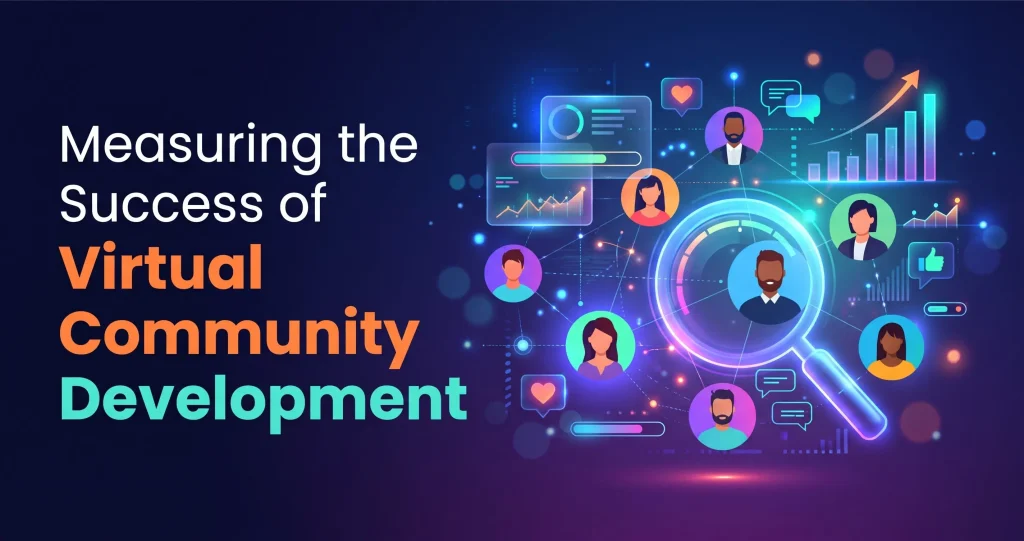 Measuring community performance helps businesses understand whether their activities are strengthening relationships and supporting brand loyalty. Instead of focusing only on membership totals, organizations should examine participation, repeat engagement, customer satisfaction, retention, and referral behavior. Reviewing these indicators over time helps businesses identify successful initiatives, recognize weaknesses, and make informed decisions about future community development.
Tracking Engagement and Retention
Businesses can monitor active members, returning participants, discussion frequency, response rates, and member retention. These metrics help explain whether people find the community useful enough to return. A growing membership with little participation may indicate that the community needs better content, clearer positioning, or more opportunities for meaningful interaction.
Evaluating Customer Loyalty
Customer loyalty can be assessed through repeat purchases, customer retention, referrals, satisfaction surveys, and community participation over time. Businesses should compare these indicators with appropriate historical data and recognize that community activity is only one factor influencing purchasing behavior. Combining quantitative measurements with member feedback provides a more complete understanding of the community’s contribution to business relationships.
Common Challenges in Virtual Community Development
Virtual communities can face challenges such as declining participation, negative interactions, excessive promotion, and unclear expectations. These problems may weaken trust and discourage members from returning. Businesses should address challenges through consistent moderation, useful content, transparent communication, and regular evaluation. Understanding member needs and adapting community practices helps organizations maintain an environment that supports meaningful connections.
Preventing Member Disengagement
Members may become inactive when discussions feel repetitive, content lacks relevance, or their contributions receive little attention. Businesses can address this problem by introducing new topics, asking for member opinions, and creating opportunities for members to help one another. Regularly reviewing participation patterns can reveal when changes are needed to make the community more valuable.
Managing Negative Interactions
Disagreements and complaints can occur in any online community. Managers should respond calmly, apply guidelines consistently, and distinguish constructive criticism from abusive behavior. Addressing legitimate concerns transparently can demonstrate accountability and improve trust. Clear escalation procedures also help businesses resolve sensitive issues while protecting members and maintaining a respectful community environment.
Conclusion
Virtual Community Development helps businesses strengthen brand loyalty by creating meaningful relationships, encouraging participation, and providing consistent value beyond individual transactions. Through effective Audience engagement, sustainable Online audience growth, and thoughtful Community management, businesses can create online spaces where customers feel respected, connected, and appreciated.
Long-term success depends on understanding member needs, sharing useful content, responding to feedback, and measuring community performance. Businesses should focus on genuine relationships rather than treating community members simply as potential buyers. When a virtual community consistently delivers value and encourages a sense of belonging, it can support customer retention, positive recommendations, and lasting brand loyalty.
Frequently Asked Questions
1. What is Virtual Community Development?
Virtual Community Development is the process of creating and maintaining online spaces where people connect around shared interests, experiences, or brand values. It focuses on meaningful interaction, member participation, and long-term relationship building.
2. How does Virtual Community Development strengthen brand loyalty?
It helps customers develop trust, emotional connections, and a sense of belonging. Consistent communication, useful content, responsive support, and recognition can encourage members to maintain relationships with a brand over time.
3. What is the role of Audience engagement in virtual communities?
Audience engagement encourages members to participate in discussions, share experiences, ask questions, and provide feedback. Meaningful engagement makes the community more valuable and helps strengthen relationships between members and the brand.
4. How does Online audience growth benefit a business?
Online audience growth helps businesses reach relevant people, increase brand awareness, and attract potential customers. A valuable community can encourage members to recommend the brand and invite others with similar interests.
5. Why is Community management important?
Community management maintains a welcoming environment through moderation, communication, support, and clear guidelines. It helps prevent disruptive behavior, address concerns, and encourage consistent participation.
6. Which platforms can businesses use to develop virtual communities?
Businesses can use social media groups, online forums, messaging communities, membership platforms, and dedicated community websites. The best platform depends on audience preferences, business objectives, privacy needs, and the type of interaction required.
7. How can businesses encourage community participation?
Businesses can encourage participation through educational content, relevant discussions, polls, member recognition, and opportunities to share experiences. Responding to contributions and addressing member questions also helps create a more engaging environment.
8. How can businesses measure brand loyalty in virtual communities?
Businesses can evaluate repeat purchases, customer retention, member participation, referral activity, satisfaction surveys, and repeat engagement. Combining these indicators helps provide a broader understanding of customer relationships and community performance.
9. What challenges affect Virtual Community Development?
Common challenges include low engagement, declining membership activity, spam, negative interactions, and excessive promotional content. Clear guidelines, consistent moderation, useful resources, and regular feedback can help address these problems.
10. How long does it take to build a loyal virtual community?
The timeline depends on the audience, community purpose, content quality, and consistency of management. Building a genuinely active and loyal community usually requires sustained effort, regular interaction, and ongoing improvements based on member feedback.