
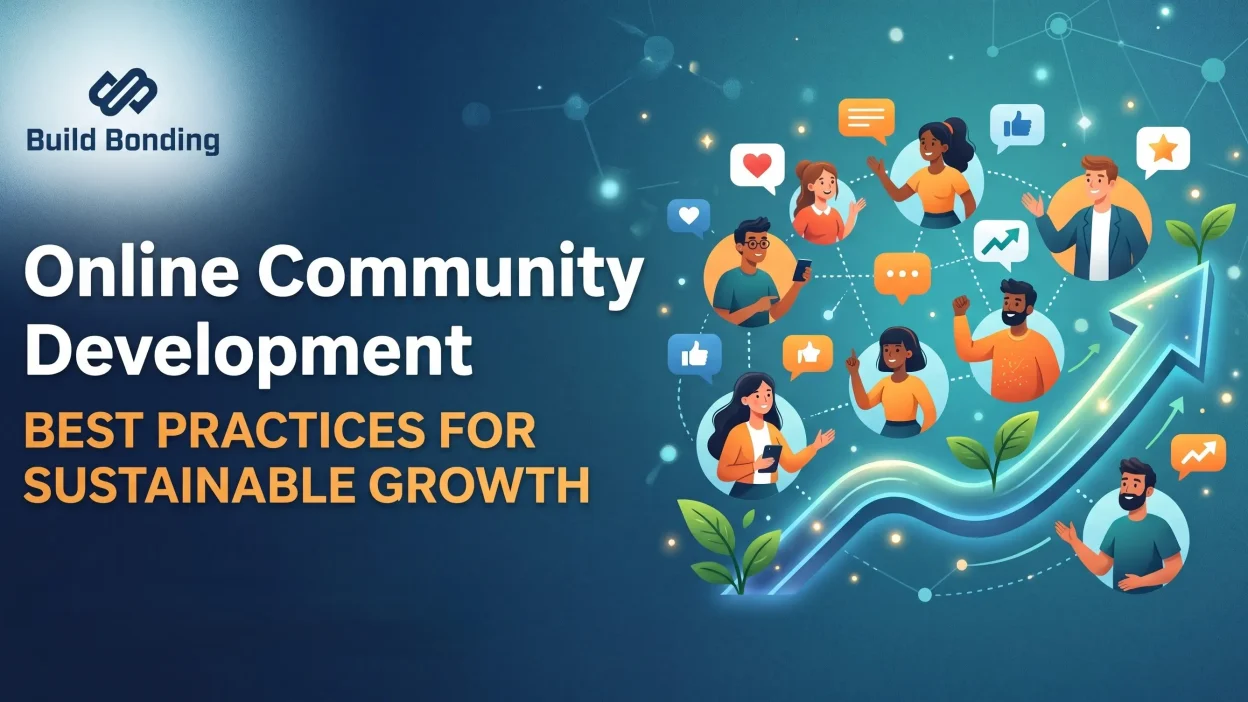
Online Community Development has become an important strategy for businesses, creators, and organizations seeking to build meaningful relationships with their audiences. Instead of focusing only on attracting new followers, successful communities encourage ongoing participation, shared learning, and long-term connections. A well-developed online community helps members exchange ideas, solve problems, and connect with people who share similar interests.
These relationships can increase brand awareness, improve customer loyalty, and support business growth. However, sustainable development requires more than creating a social media group or launching a discussion forum. It involves understanding audience needs, selecting suitable community platforms, developing valuable content, and maintaining consistent engagement. By following proven best practices, businesses can create communities that remain active, welcoming, and valuable as their audiences grow.
Understanding the Importance of Online Community Development
Online Community Development involves creating and improving digital spaces where people interact around shared interests, goals, products, or experiences. It focuses on building relationships between members rather than simply increasing audience numbers. A strong community encourages meaningful conversations, mutual support, and consistent participation, helping organizations develop trust and long-term connections with their audiences.
Building Meaningful Relationships
Successful communities provide opportunities for members to communicate with one another and establish genuine relationships. When people feel connected to a group, they are more likely to participate in discussions, share personal experiences, and contribute useful information. These interactions create a sense of belonging that encourages members to remain involved over time.
Supporting Sustainable Business Growth
Communities can support business growth by creating opportunities for feedback, referrals, and customer education. Members can share their experiences, recommend products, and help other customers find solutions. Businesses can use these interactions to understand audience expectations and improve their offerings. Sustainable growth becomes more achievable when community members receive consistent value rather than repeated promotional messages.
Define Clear Community Goals and Objectives
 Clear goals provide direction for every stage of community development. Before launching a community, organizations should determine what they want to accomplish and how the community will benefit its members. Objectives may include improving customer support, increasing brand awareness, encouraging professional networking, or helping users learn new skills. Specific goals make it easier to measure progress.
Identify Your Target Audience
Understanding the target audience helps businesses create communities that address real interests and challenges. Researching audience demographics, professional backgrounds, common questions, and online behavior can reveal what members expect from a community. These insights also help determine the appropriate communication style, content format, and participation opportunities.
Establish Measurable Objectives
Community objectives should be specific enough to evaluate regularly. Businesses might track active members, meaningful discussions, returning participants, member satisfaction, and questions answered by other members. These measurements provide a clearer picture of community health than membership totals alone. Regular reviews help administrators identify successful activities and adjust strategies when engagement begins to decline.
Choose the Right Community Platforms
Selecting appropriate Community platforms is essential for creating an accessible and engaging environment. The best platform depends on audience preferences, community objectives, moderation requirements, available resources, and expected growth. Businesses should evaluate communication features, privacy controls, analytics integrations, and ease of use before making a decision. A suitable platform supports participation without creating unnecessary barriers.
Evaluate Platform Features
Different platforms serve different community needs. Social media groups can help organizations reach existing audiences, while dedicated forums support organized discussions and searchable knowledge. Membership platforms may offer exclusive resources, events, and structured access controls. Businesses should prioritize features that directly support member needs rather than selecting tools simply because they are popular.
Prioritize Accessibility and Usability
A community should be easy to join, navigate, and use across different devices. Complicated registration processes and confusing navigation can discourage potential members before they participate. Clear instructions, organized discussion categories, and mobile-friendly experiences help reduce these barriers. As the community grows, administrators should review usability and improve areas that make participation difficult.
Develop a Valuable Content Strategy
 Content gives members a reason to visit, participate, and return. A consistent content strategy should address audience questions, encourage conversations, and provide resources that members can use in their daily lives. Rather than publishing promotional material continuously, community managers should balance educational information, interactive discussions, member contributions, and opportunities for shared learning.
Create Relevant and Educational Content
Educational content helps establish a community as a useful destination for information. Tutorials, practical guides, expert discussions, case studies, and answers to common questions can provide lasting value. Content should reflect the community’s interests and experience levels. Regularly reviewing member questions helps administrators identify topics that deserve additional attention.
Encourage Member-Generated Content
Member-generated content makes a community more interactive because participants contribute their own knowledge and experiences. Businesses can invite members to share success stories, answer questions, recommend resources, or discuss lessons learned. Recognizing helpful contributions encourages participation and demonstrates that the community values its members rather than treating them only as an audience.
Strengthen Community Retention Through Engagement
Community retention refers to the ability to keep members interested, involved, and willing to return. Attracting new members is important, but long-term success depends on providing reasons for people to remain active. Consistent communication, meaningful interactions, personalized experiences, and visible community benefits help members develop stronger connections and maintain their participation over time.
Build Consistent Engagement Habits
Regular activities help members establish routines around community participation. Weekly discussions, question-and-answer sessions, learning challenges, and themed conversations create predictable opportunities to contribute. These activities should remain relevant and manageable rather than overwhelming participants with constant notifications. Consistency helps communities maintain momentum while allowing members to participate at their preferred pace.
Recognize and Appreciate Members
Recognition demonstrates that individual contributions matter. Community managers can highlight helpful answers, celebrate milestones, acknowledge volunteer moderators, and share member achievements. Recognition does not always require financial rewards or expensive incentives. A thoughtful response, public appreciation, or opportunity to contribute expertise can strengthen belonging and motivate members to remain involved.
Reconnect With Inactive Members
Some members become inactive because of changing schedules, unclear benefits, excessive notifications, or a lack of relevant discussions. Reviewing participation patterns can help administrators understand these issues. Friendly reminders, useful content recommendations, and invitations to relevant events may encourage members to return. Re-engagement efforts should remain respectful and avoid sending excessive messages.
Apply Community Marketing Best Practices
Community marketing focuses on building relationships and encouraging participation through shared value rather than relying exclusively on direct advertising. It connects community activities with broader marketing objectives while preserving trust and authenticity. Businesses can use community insights to improve customer experiences, strengthen brand recognition, encourage referrals, and identify opportunities to develop products or services that meet genuine audience needs.
Balance Promotion With Value
Promotional content should support community interests instead of dominating conversations. Businesses can share product updates, educational resources, relevant offers, and useful demonstrations when these materials address member needs. Transparent communication is essential when discussing commercial relationships. Members should feel comfortable participating without experiencing constant pressure to purchase something.
Encourage Word-of-Mouth Recommendations
Satisfied community members can become valuable advocates when they voluntarily share positive experiences. Businesses can encourage authentic recommendations by providing excellent support, creating useful resources, and making participation rewarding. Referral programs may also help introduce new members, provided the incentives are clearly explained and do not encourage misleading endorsements or unwanted invitations.
Establish Clear Community Guidelines and Moderation
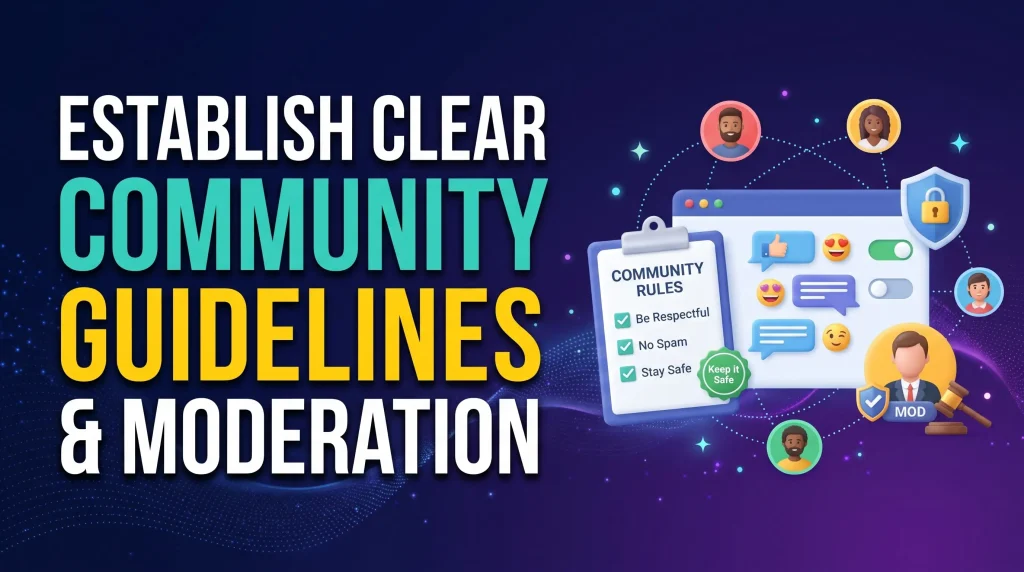 A healthy community needs clear expectations for communication and behavior. Guidelines help members understand acceptable participation, protect discussions from harassment, and reduce conflicts. Effective moderation creates an environment where different perspectives can be shared respectfully. Rules should be easy to find, consistently enforced, and designed to support the community’s purpose rather than unnecessarily restrict constructive discussion.
Create Transparent Community Rules
Community guidelines should explain expectations regarding respectful communication, spam, self-promotion, privacy, misinformation, and prohibited behavior. Members should understand how moderators handle reports and what consequences may follow repeated violations. Transparent rules build trust because participants can see that decisions follow consistent standards instead of personal preferences.
Train Moderators and Community Managers
Moderators help maintain productive conversations, answer questions, identify problems, and welcome new participants. Training should cover conflict resolution, privacy protection, escalation procedures, and fair enforcement of community policies. As membership increases, documented moderation processes can reduce confusion and help maintain a consistent experience across different discussion spaces.
Use Data to Measure Community Performance
Measuring community performance helps organizations understand whether their activities support meaningful participation and sustainable growth. Analytics can reveal which topics attract useful discussions, which members return regularly, and where participants encounter difficulties. Businesses should combine quantitative measurements with direct feedback to develop a more complete understanding of community health and identify opportunities for improvement.
Track Meaningful Engagement Metrics
Useful measurements include monthly active members, returning member rates, discussion participation, response times, unanswered questions, and event attendance. Organizations can also measure the percentage of new members who participate during their first few weeks. These indicators reveal whether people are developing meaningful connections rather than joining without engaging.
Collect Feedback and Improve Continuously
Surveys, member interviews, suggestion channels, and discussion reviews help administrators understand participant experiences. Feedback can reveal missing resources, accessibility issues, confusing rules, or topics members want to explore. Reviewing these findings regularly allows organizations to make practical improvements and communicate how member suggestions influence community decisions.
Build an Inclusive and Supportive Community Culture
An inclusive culture helps members with different backgrounds, abilities, and experience levels feel comfortable participating. Communities become more valuable when newcomers can ask questions without embarrassment and experienced members can contribute without dominating discussions. Respectful communication, accessible resources, and fair opportunities to participate create an environment where members can learn from one another.
Welcome New Members Effectively
A structured onboarding experience helps newcomers understand the community’s purpose and how to participate. Welcome messages, introductory discussions, resource directories, and clear explanations of community guidelines can make the first visit less intimidating. Assigning a volunteer mentor or directing newcomers toward relevant discussions can also help them establish connections more quickly.
Encourage Diverse Perspectives
Communities benefit from different experiences, ideas, and professional viewpoints. Administrators can encourage participation by asking open-ended questions, rotating discussion topics, and providing accessible ways to contribute. Moderators should address exclusionary behavior consistently and ensure that quieter members have opportunities to share their perspectives without facing unnecessary pressure.
Scale Your Community Without Losing Quality
Community growth introduces new challenges, including higher moderation demands, more complex conversations, and increasing expectations for support. Scaling successfully requires processes that preserve the community’s original purpose while allowing additional members to participate comfortably. Organizations should expand gradually, review operational capacity, and maintain the personal interactions that initially made the community valuable.
Develop Repeatable Community Processes
Documented onboarding steps, moderation policies, content calendars, event procedures, and response guidelines help administrators manage growing workloads. Repeatable processes reduce dependence on individual memory and make responsibilities easier to share. Automation can support routine tasks, but sensitive discussions and complicated member concerns still require thoughtful human attention.
Empower Experienced Members
Experienced members can support growth by answering common questions, welcoming newcomers, organizing discussions, and sharing expertise. Volunteer leaders and community ambassadors can distribute responsibilities while strengthening relationships between participants. Their roles should have clear expectations, appropriate support, and reasonable workloads so that participation remains enjoyable rather than becoming an obligation.
Common Mistakes to Avoid in Online Community Development
Communities often struggle when administrators prioritize rapid membership growth over meaningful participation. Buying members, relying on excessive promotions, ignoring feedback, and allowing inconsistent moderation can weaken trust. Another common mistake is launching too many activities without understanding member preferences. Avoiding these practices helps organizations focus on genuine relationships and create an environment that supports sustainable participation.
Avoid Chasing Vanity Metrics
Large membership numbers can create an impression of success without demonstrating actual value. A smaller community with active discussions, strong retention, and helpful member relationships may be more valuable than a large group with little participation. Administrators should evaluate membership growth alongside engagement, satisfaction, and returning member behavior.
Do Not Ignore Member Feedback
When administrators repeatedly overlook suggestions or fail to address concerns, members may feel that their participation does not matter. Feedback should be acknowledged, reviewed fairly, and used to guide practical changes when appropriate. Even when a suggestion cannot be implemented, explaining the decision helps maintain transparency and strengthens trust.
Conclusion
Online Community Development requires consistent effort, a clear purpose, and a genuine commitment to member value. Businesses can create sustainable communities by selecting appropriate platforms, publishing relevant content, strengthening community retention, and applying thoughtful community marketing practices. Clear guidelines, inclusive participation, and data-driven improvements further support long-term success. Most importantly, community development should prioritize relationships rather than membership totals alone. When members feel welcomed, respected, and supported, they are more likely to participate consistently and recommend the community to others. By improving the member experience over time, organizations can build digital communities that remain valuable to their audiences while supporting lasting brand relationships and business growth.
Frequently Asked Questions
1. What Is Online Community Development?
Online Community Development is the process of building and maintaining digital spaces where people connect around shared interests, goals, or experiences. It involves engagement, content creation, moderation, relationship building, and continuous improvement to encourage long-term participation.
2. Why Is Online Community Development Important?
It helps organizations strengthen customer relationships, improve brand awareness, gather feedback, and encourage collaboration. A well-managed community can also support customer loyalty, referrals, and sustainable business growth.
3. How Can Businesses Grow an Online Community?
Businesses can grow a community by identifying the right audience, providing useful content, choosing accessible platforms, encouraging discussions, and promoting participation through relevant channels. Consistent value and positive member experiences help attract new participants.
4. Which Community Platforms Are Best for Businesses?
The best Community platforms depend on audience needs and business goals. Social media groups, discussion forums, and dedicated membership platforms can all work well when they provide appropriate communication features, moderation tools, accessibility, and room for growth.
5. How Can Community Retention Be Improved?
Community retention can improve through consistent engagement, personalized experiences, member recognition, useful resources, and responsive moderation. Organizations should also investigate why members become inactive and make participation easier and more valuable.
6. What Is the Role of Community Marketing?
Community marketing builds relationships with audiences through useful content, shared experiences, conversations, and authentic recommendations. It helps businesses develop trust and brand loyalty without relying entirely on traditional promotional messages.
7. How Often Should a Community Publish Content?
Publishing frequency depends on community size, audience preferences, and available resources. A consistent schedule with relevant discussions and useful resources is generally more effective than frequent posts that offer little value.
8. How Do You Measure Community Development Success?
Success can be measured through active members, returning participants, engagement rates, member satisfaction, discussion quality, referral activity, and response times. The most relevant metrics depend on the community’s primary objectives.
9. What Challenges Affect Online Community Development?
Common challenges include low engagement, member inactivity, spam, moderation difficulties, unclear goals, and excessive promotion. Addressing these issues requires clear guidelines, relevant content, responsive management, and regular performance reviews.
10. How Long Does It Take to Build a Successful Online Community?
The timeline varies depending on the target audience, available resources, community purpose, and promotional efforts. Some communities develop early engagement within weeks, while establishing consistent participation and strong relationships may take several months or longer.