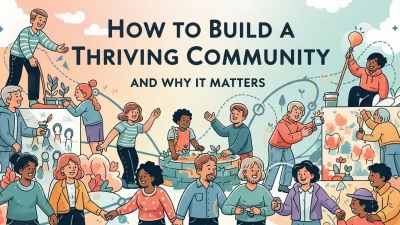


Online audience growth has become an important part of building a recognizable and sustainable brand in the digital environment. Businesses need more than occasional website visitors or social media followers to create long-term success. They need to attract the right people, provide consistent value, encourage meaningful interactions, and gradually turn audience attention into lasting relationships.
A growing online audience can create more opportunities for businesses to communicate with potential customers, introduce products, share educational content, and strengthen brand visibility. However, audience size alone does not determine the quality of a digital presence. Businesses also need relevant audiences who are interested in their content and willing to interact with the brand.
What Is Online Audience Growth?
Online audience growth refers to the process of increasing the number of relevant people who discover, follow, visit, subscribe to, or regularly interact with a brand through digital channels. These channels may include websites, search engines, social media platforms, email newsletters, online communities, and content platforms.
The objective is not simply to collect large numbers of followers. Sustainable growth focuses on attracting people who have a genuine interest in the brand’s products, services, expertise, or content.
Audience Growth vs. Audience Size
Audience size represents the number of people connected to a brand, while audience growth describes how that audience develops over time. A brand may have thousands of followers but receive very little interaction from them.
A smaller audience that actively reads, comments, shares, purchases, and recommends content can provide more meaningful business opportunities. Therefore, businesses should evaluate both audience quantity and audience quality when developing growth strategies.
Why Relevant Audiences Matter
Relevant audiences are more likely to engage with content because it addresses their interests, problems, or goals. Understanding audience demographics, preferences, search behavior, and purchasing needs can help businesses create more appropriate content.
When the right audience consistently encounters useful information, the relationship can become stronger over time. This creates a foundation for trust, engagement, repeat interactions, and potential customer relationships.
How Online Audience Growth Supports Brand Visibility
 Audience growth can expand the number of people exposed to a brand’s content and messaging. As more relevant users discover and interact with content, the brand may gain additional opportunities to appear in conversations, searches, recommendations, and social feeds.
Consistent visibility can help businesses remain recognizable within competitive markets. However, visibility becomes more useful when it is supported by valuable content and a consistent brand experience.
Increasing Digital Reach
Digital platforms allow businesses to reach audiences beyond their immediate geographic markets. Search content, social media posts, videos, newsletters, and online communities can introduce brands to people who may not have encountered them through traditional marketing.
A growing audience can also extend the reach of existing content. When people share useful material with their networks, the brand can gain additional exposure without depending entirely on paid promotion.
Building Brand Recognition
Repeated exposure can help audiences become more familiar with a brand’s identity, expertise, products, and communication style. Consistent visual elements, messaging, tone, and content themes can contribute to recognition.
Brand recognition does not happen instantly. It develops through repeated interactions and experiences. An expanding audience provides more opportunities for those interactions to occur across different digital channels.
The Role of Customer Engagement in Audience Growth
Customer engagement describes the interactions and relationships that customers have with a brand. These interactions can include comments, messages, content sharing, reviews, discussions, email responses, and participation in online activities.
Engagement is important because it transforms passive exposure into active participation. When audiences regularly interact with a brand, businesses can gain more opportunities to understand customer interests and improve future communication.
Creating Interactive Content
Interactive content can encourage audiences to participate instead of simply consuming information. Questions, polls, quizzes, surveys, discussions, live sessions, and user-generated content can create additional opportunities for interaction.
The best format depends on the audience and platform. Businesses should focus on creating interactions that are relevant and useful rather than using engagement tactics simply to increase numerical metrics.
Responding to Audience Feedback
Audience feedback can provide valuable information about expectations, concerns, and preferences. Responding thoughtfully to questions and comments shows that the brand recognizes audience participation.
Feedback can also reveal content gaps. If audiences repeatedly ask similar questions, businesses can use those questions to create guides, videos, articles, or other resources that address common needs.
How Social Media Community Supports Audience Development
A Social media community can provide a space where people with shared interests interact with one another while maintaining a connection with a brand. Platforms such as Facebook, LinkedIn, Instagram, Reddit, and other community-oriented channels can support ongoing conversations.
The value of a social community comes from participation. When members share experiences, ask questions, provide recommendations, and discuss relevant topics, the community becomes more than a collection of followers.
Encouraging Member Participation
Businesses can encourage participation by asking open-ended questions, highlighting useful member contributions, creating discussion themes, and inviting audiences to share experiences.
Participation should feel natural rather than forced. Members are more likely to contribute when they believe their opinions are welcome and when conversations provide genuine value.
Creating Shared Experiences
Shared experiences can strengthen connections between community members. Challenges, educational sessions, virtual events, discussions, product experiences, and industry conversations can give people common topics to explore.
These experiences can also make the brand more memorable because audiences associate it with interactions and relationships rather than only promotional messages.
Community Management and Long-Term Relationships
 Effective Community management helps maintain a healthy environment where audiences can communicate, participate, and receive support. It involves monitoring discussions, responding to questions, maintaining guidelines, recognizing contributions, and addressing inappropriate behavior.
Community management becomes increasingly important as an audience grows. More members can create more conversations, questions, and interactions, making consistent management necessary for maintaining quality.
Maintaining Meaningful Conversations
Community managers can help discussions remain relevant by introducing useful topics and encouraging members to exchange practical information. Instead of controlling every conversation, managers can guide discussions while allowing members to contribute naturally. Meaningful conversations can improve the overall community experience and give businesses insights into what their audiences care about.
Handling Questions and Concerns
Fast and helpful responses can make audiences feel acknowledged. Community managers can answer common questions, direct members toward useful resources, and escalate complex issues when necessary.
Handling concerns professionally can also prevent small problems from becoming larger sources of dissatisfaction. Clear communication helps maintain a more constructive relationship between the brand and its audience.
Content Strategy for Sustainable Audience Growth
Content plays a central role in attracting and retaining an online audience. Businesses need content that addresses audience needs at different stages of the customer journey.
A sustainable strategy usually combines educational, informative, entertaining, and brand-related content rather than relying on one content type. Consistency is also important because irregular publishing can make it harder to maintain audience attention.
Creating Audience-Focused Content
Audience-focused content starts with understanding what people want to learn, solve, compare, or accomplish. Keyword research, customer questions, social discussions, reviews, and feedback can help identify relevant topics.
When content directly addresses audience needs, it has a greater opportunity to attract relevant visitors and encourage them to return for additional information.
Using Multiple Content Formats
Different audience members prefer different formats. Blog posts can provide detailed information, while short videos, visual content, podcasts, newsletters, and social posts can communicate ideas in other ways.
Using multiple formats allows businesses to distribute core ideas across different channels. This can create additional touchpoints without requiring completely unrelated content for every platform.
Building Trust Through Consistent Communication
Trust is an important foundation for long-term brand relationships. Audiences need to understand what a brand represents and what type of experience they can expect from it.
Consistent communication can support this process. Brands should maintain clear messaging, provide accurate information, acknowledge mistakes when necessary, and avoid making unrealistic promises.
Providing Genuine Value
Audiences are more likely to remain connected when content provides practical value. Educational resources, helpful recommendations, industry insights, tutorials, and problem-solving information can give people reasons to return.
Value should not always be connected directly to a sales objective. Building trust often requires providing useful information even when there is no immediate purchase opportunity.
Maintaining Brand Consistency
Brand consistency includes tone, visual identity, messaging, publishing style, and communication standards. When audiences encounter a consistent experience across websites and social platforms, the brand can become easier to recognize.
Consistency also helps reduce confusion. Audiences should receive information that aligns across different channels rather than encountering conflicting messages.
Turning Audience Growth Into Brand Loyalty
Audience growth becomes more valuable when people continue interacting with a brand over time. Long-term relationships can develop when audiences repeatedly receive useful experiences and feel connected to the brand.
Businesses can support this process by creating loyalty-focused content, recognizing active members, offering exclusive resources, and maintaining responsive communication.
Rewarding Valuable Participation
Recognition can encourage continued participation. Businesses can feature community contributions, highlight customer stories, acknowledge helpful members, or provide access to exclusive experiences.
Rewards do not always have to be financial. Public recognition, early access, educational opportunities, and meaningful involvement can also make active members feel valued.
Creating Personalized Experiences
Personalization can help businesses deliver more relevant content and communication. Audience interests, previous interactions, content preferences, and customer behavior can provide useful signals for personalization.
The goal should be relevance rather than excessive targeting. People should receive information that is genuinely useful to their interests and stage in the customer journey.
Measuring Online Audience Growth
Businesses need appropriate metrics to understand whether their audience strategy is producing meaningful results. Follower counts and website traffic can provide useful information, but they should be considered alongside engagement and retention measurements.
A broader measurement approach can help businesses understand whether audience growth is attracting relevant people and creating ongoing interactions.
Tracking Engagement Metrics
Engagement metrics may include comments, shares, saves, clicks, responses, content participation, and community discussions. These indicators can show whether audiences are actively interacting with content. Businesses can compare engagement patterns across content formats and platforms to identify which topics generate stronger audience responses.
Monitoring Audience Retention
Audience retention measures whether people continue interacting with a brand after their initial discovery. Returning website visitors, repeat social interactions, newsletter engagement, and community participation can provide useful signals.
High retention can indicate that audiences continue finding value in the brand’s content and experiences. Businesses can use these insights to improve their long-term communication strategies.
Common Challenges in Online Audience Growth
Growing an online audience can involve several challenges. Low engagement, inconsistent content, poor audience targeting, excessive promotion, weak community management, and limited interaction can slow progress.
Businesses should recognize that audience growth is an ongoing process rather than a one-time campaign. Strategies may need to change as audience expectations, platforms, and market conditions evolve.
Avoiding Follower-Only Strategies
Focusing exclusively on follower numbers can create misleading impressions of growth. A large following does not automatically mean that audiences are interested, engaged, or likely to become customers.
Businesses should therefore evaluate audience quality alongside size. Engagement, retention, content interaction, and relevant traffic can provide a more complete view of performance.
Maintaining Long-Term Consistency
Audience growth often requires consistent effort. Publishing valuable content occasionally may not create the same relationship as maintaining a reliable content and engagement schedule.
Consistency does not mean publishing constantly. It means developing a realistic system that allows the business to communicate regularly while maintaining content quality.
The Future of Online Audience Growth
 The future of audience development will continue to involve content, social platforms, communities, personalization, search, and direct communication. As digital channels become more crowded, audiences may place greater value on useful experiences and authentic interactions.
Brands that understand their audiences and continuously improve communication can create stronger opportunities for long-term relationships. Technology can support these efforts, but meaningful audience connections still depend on relevance, value, responsiveness, and trust.
Conclusion
Online audience growth can support long-term brand success by increasing visibility, creating engagement opportunities, and helping businesses develop lasting relationships with relevant audiences. However, sustainable growth requires more than increasing follower numbers.
Strong Customer engagement, an active Social media community, and effective Community management can help transform audience attention into meaningful participation. Valuable content, consistent communication, responsive interactions, and audience-focused experiences can further strengthen these relationships.
Frequently Asked Questions
1. What is online audience growth?
Online audience growth is the process of increasing the number of relevant people who discover, follow, visit, subscribe to, or interact with a brand through digital channels such as websites, search engines, social media, email, and online communities.
2. Why is online audience growth important for brands?
Online audience growth can increase brand visibility and create more opportunities for communication, engagement, and customer relationships. A relevant and engaged audience can provide a stronger foundation for long-term digital marketing activities.
3. How does customer engagement support audience growth?
Customer engagement encourages people to interact with a brand through comments, shares, messages, discussions, reviews, and other activities. These interactions can strengthen relationships and may encourage audiences to continue following and participating with the brand.
4. What is a social media community?
A social media community is a group of people who interact around shared interests, topics, experiences, or relationships with a brand on a social platform. Members can communicate with the brand and with other community members.
5. What does community management involve?
Community management involves monitoring conversations, responding to questions, supporting members, maintaining community guidelines, encouraging participation, recognizing contributions, and addressing inappropriate or disruptive behavior.
6. How can businesses increase online audience growth?
Businesses can support audience growth through useful content, search optimization, social media activity, email marketing, community development, audience research, partnerships, and consistent engagement with relevant audiences.
7. Does having more followers always mean better audience growth?
No. Follower numbers measure audience size but do not necessarily indicate engagement or relevance. Businesses should also consider interaction rates, returning visitors, content participation, retention, and other metrics that reflect audience quality.
8. What type of content helps grow an online audience?
Educational articles, tutorials, videos, industry insights, social posts, customer stories, interactive content, newsletters, and community discussions can support audience growth. The most effective formats depend on the audience’s interests and preferred platforms.
9. How long does online audience growth take?
There is no universal timeframe because growth depends on factors such as content quality, industry, audience demand, distribution channels, consistency, competition, and engagement. Sustainable audience development generally requires ongoing effort rather than a single campaign.
10. How can brands turn audience growth into long-term relationships?
Brands can build long-term relationships by consistently providing value, responding to audience needs, encouraging participation, maintaining trustworthy communication, recognizing active members, and creating relevant experiences across different digital channels.