

A strong Social media community can help brands build meaningful relationships, increase engagement, and create long-term customer loyalty. Instead of relying only on promotional posts, businesses can use social platforms to create spaces where customers interact, share experiences, ask questions, and connect with the brand.
A successful social community is built around communication, trust, and consistent value. When people feel heard and appreciated, they are more likely to engage with content and recommend the brand to others. By combining thoughtful Community management, a clear Brand community strategy, and an effective Customer community approach, businesses can turn social followers into active participants who contribute to sustainable brand growth.
Why Social Media Communities Matter for Brand Growth
A social media community gives businesses an opportunity to build relationships beyond individual transactions. It creates an environment where customers can communicate with each other while also interacting directly with the brand. This ongoing interaction can strengthen trust, improve engagement, and make the brand more memorable.
Build Stronger Customer Relationships
Community-driven social media creates more opportunities for meaningful conversations. Customers can ask questions, share opinions, provide feedback, and discuss their experiences with products or services. These interactions make the brand feel more accessible and human.
Increase Engagement and Visibility
Active communities naturally generate conversations around a brand. Comments, shares, discussions, user-generated content, and recommendations can increase organic visibility. When community members regularly interact with content, social platforms may also receive stronger engagement signals.
Define Your Social Media Community Goals
 A successful community strategy starts with clear goals. Without defined objectives, businesses may focus too heavily on follower numbers instead of meaningful engagement. Goals should connect community activity with broader marketing objectives while remaining realistic and measurable.
Identify Your Target Audience
Understanding the people you want to attract is essential. Consider their interests, problems, preferences, communication habits, and reasons for following your brand. A well-defined audience helps you create discussions and content that feel relevant rather than generic.
Set Measurable Objectives
Your goals might include increasing engagement, improving customer relationships, generating user-generated content, supporting customer service, or increasing website traffic. Defining measurable objectives makes it easier to evaluate whether your community strategy is producing meaningful results.
Create a Clear Community Identity
A recognizable community identity helps people understand why they should participate. Your community should have a clear purpose, consistent communication style, and values that align with your audience. This makes the experience more cohesive and encourages members to return regularly.
Develop a Consistent Brand Voice
Your communication style should remain consistent across posts, comments, messages, and community discussions. Whether your tone is educational, friendly, professional, or conversational, consistency helps members understand what to expect from the brand.
Establish Community Guidelines
Clear guidelines can create a respectful and welcoming environment. Explain what types of discussions are encouraged and what behavior is not acceptable. Effective guidelines also help community managers handle conflicts, spam, and inappropriate content more consistently.
Use Community Management to Encourage Participation
Effective Community management is more than responding to comments. It involves monitoring conversations, encouraging participation, addressing concerns, recognizing active members, and creating opportunities for meaningful interaction. Consistent management helps prevent a community from becoming inactive or overly promotional.
Respond to Comments and Questions
Quick and thoughtful responses demonstrate that the brand values its audience. Instead of using generic replies, personalize responses when appropriate. Answering questions publicly can also help other community members who may have similar concerns.
Start Meaningful Conversations
Brands should not wait for customers to begin every conversation. Ask questions, create discussion topics, request opinions, and invite members to share experiences. Conversation-focused posts can encourage people to participate instead of simply scrolling past promotional content.
Build a Strong Brand Community
A Brand community develops when customers feel connected to a brand and to other people who share similar interests. Building this connection requires more than frequent posting. Brands need to create shared experiences and provide reasons for people to remain active.
Encourage Shared Experiences
Ask community members to share how they use your products or services. Customer stories, experiences, tips, and creative ideas can make the community more authentic while giving potential customers useful perspectives.
Recognize Valuable Contributors
Recognizing active members can encourage continued participation. You can highlight helpful comments, customer stories, creative content, or valuable suggestions. Recognition does not always need to involve rewards; simple appreciation can make members feel noticed.
Create Content That Drives Community Engagement
Content is one of the main drivers of social participation. However, community content should not focus exclusively on selling. Educational, conversational, entertaining, and user-focused content can encourage people to interact naturally with the brand.
Mix Educational and Interactive Content
Educational posts can answer common questions and demonstrate expertise, while interactive posts can encourage opinions and discussions. Polls, questions, quizzes, live sessions, behind-the-scenes content, and customer stories can make the community experience more engaging.
Use User-Generated Content
User-generated content can provide social proof while giving community members a chance to participate. Encourage customers to share photos, reviews, experiences, or creative content related to your brand. Always follow appropriate permissions and platform rules when reposting customer content.
Develop a Customer Community Through Social Platforms
 A strong Customer community can become an important source of feedback, advocacy, and relationship building. Social platforms provide convenient spaces for customers to communicate with brands and with one another. Businesses can use these conversations to understand customer needs and improve their overall experience.
Turn Customers Into Contributors
Customers should not always be treated as passive audiences. Invite them to share suggestions, answer questions, participate in discussions, and contribute ideas. This approach can make community members feel that they have a meaningful role in the brand ecosystem.
Gather Customer Feedback
Community discussions can reveal common problems, preferences, and expectations. Monitor recurring questions and suggestions to identify areas where products, services, content, or customer support could improve. Feedback becomes more valuable when brands demonstrate that they actually listen and respond.
Use Social Media Features to Strengthen Community Interaction
Modern social platforms provide many features that can support community building. Businesses can combine different formats to create a more dynamic experience and encourage members to interact in ways that match their preferences.
Use Live Videos and Interactive Sessions
Live videos allow brands to communicate directly with their audience. Q&A sessions, product demonstrations, interviews, educational discussions, and behind-the-scenes events can create real-time interaction and strengthen the relationship between the brand and its community.
Create Polls, Questions, and Discussions
Interactive features require less effort from users while giving them a simple way to express opinions. Regular polls and questions can help increase participation and provide businesses with useful insights into audience preferences.
Personalize the Community Experience
Personalization can make community members feel more valued. Instead of treating every follower the same way, brands can use audience interests, previous interactions, and community behavior to create more relevant experiences.
Segment Community Interests
Different members may have different needs. Some may want educational information, while others prefer product updates, industry discussions, or customer support. Understanding these differences can help businesses create more relevant conversations and content.
Reward Meaningful Participation
Exclusive content, early access, special recognition, invitations, or community-only experiences can encourage participation. Rewards should support genuine engagement rather than encouraging low-quality interactions simply to increase activity numbers.
Handle Negative Feedback Professionally
Every active community eventually receives criticism or negative feedback. Ignoring these conversations can damage trust, while defensive responses can make the situation worse. Brands should approach criticism calmly and focus on understanding the issue.
Listen Before Responding
Read the full concern before responding. Acknowledge legitimate issues and provide useful information whenever possible. If the matter involves private customer details, move the conversation to an appropriate private channel while maintaining a professional public response.
Turn Feedback Into Improvement
Negative feedback can reveal weaknesses in products, services, or communication. Track recurring complaints and look for patterns. When appropriate, explain improvements made because of customer feedback. This shows that community conversations can influence meaningful business decisions.
Measure Social Media Community Performance
Measuring community performance helps businesses understand which activities create genuine engagement. Instead of focusing only on follower growth, evaluate the quality and consistency of interactions and how community activity supports broader business goals.
Track Engagement Metrics
Monitor comments, shares, saves, replies, mentions, participation rates, and other relevant engagement indicators. Compare performance across different content types to identify what encourages meaningful participation.
Monitor Community Growth and Retention
Follower growth is useful, but retention and recurring participation can provide deeper insights. Pay attention to how many members consistently interact with your content and whether discussions remain active over time.
Avoid Common Social Media Community Mistakes
Community building can lose effectiveness when brands treat social platforms as simple advertising channels. Excessive promotion, inconsistent responses, unclear guidelines, and irrelevant content can discourage participation and reduce trust.
Avoid Constant Promotional Posts
People join communities for value, information, conversations, and shared interests. If every post pushes a product or service, members may stop participating. Maintain a healthy balance between promotional content and community-focused conversations.
Do Not Ignore Your Audience
A community becomes inactive when members feel that nobody is listening. Respond to questions, acknowledge feedback, and participate in discussions. Consistent interaction demonstrates that the community is important to the brand.
Create a Long-Term Community Growth Strategy
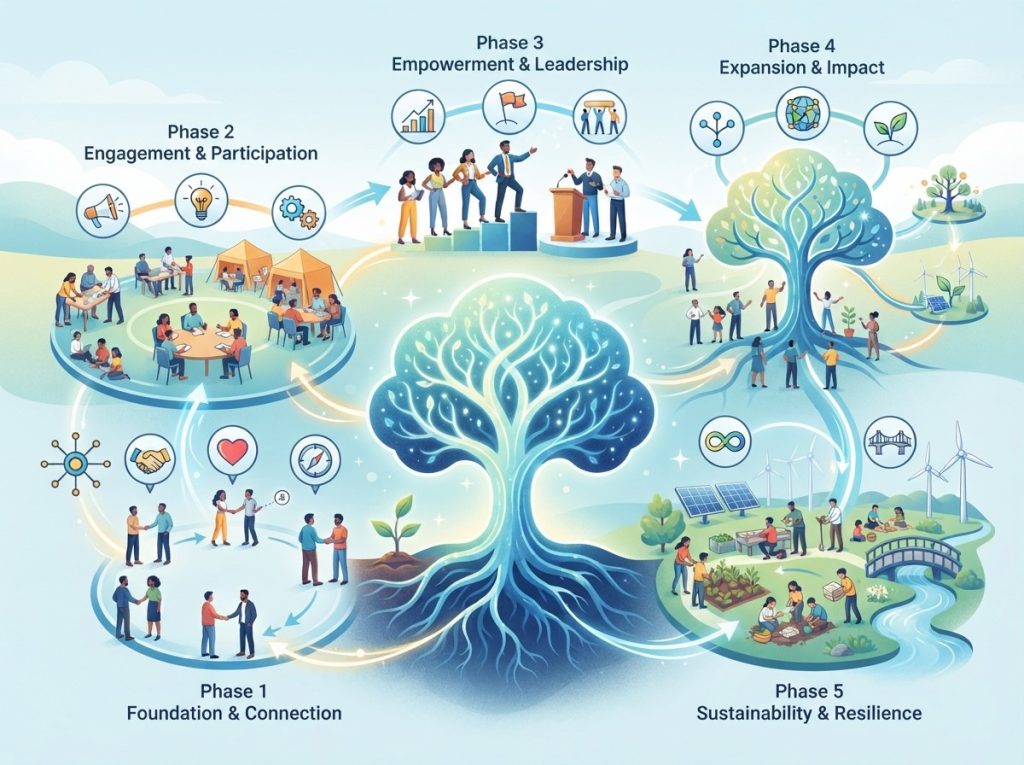 Building a successful social community takes time. Consistency is more important than short-term bursts of activity. Brands should regularly review performance, understand member interests, experiment with new formats, and improve their approach based on audience feedback.
A long-term strategy should combine valuable content, active Community management, authentic conversations, customer feedback, and measurable goals. As the community grows, businesses can identify loyal members who may become advocates and help introduce the brand to new audiences. The most effective communities are not built around constant promotion. They are built around relationships. When people find genuine value in participating, they are more likely to remain engaged and contribute to the growth of the brand.
Conclusion
A strong Social media community can become an important part of a brand’s digital marketing strategy. By creating meaningful conversations, providing valuable content, recognizing active members, and responding to feedback, businesses can develop stronger relationships with their audiences.
Effective Community management keeps conversations active, while a strong Brand community creates a sense of connection and belonging. At the same time, a well-developed Customer community can provide valuable feedback, advocacy, and long-term engagement. Businesses that focus on people rather than only promotions can create social communities that support trust, engagement, loyalty, and sustainable brand growth.
Frequently Asked Questions
1. What is a Social media community?
A Social media community is a group of people who interact with a brand and with one another through social platforms. Members may share experiences, ask questions, provide feedback, and participate in discussions.
2. Why is a Social media community important for brands?
It helps brands build stronger relationships with their audiences, increase engagement, collect feedback, encourage customer advocacy, and create a more connected customer experience.
3. How can businesses grow a social media community?
Businesses can grow communities by consistently publishing valuable content, starting conversations, responding to members, encouraging user-generated content, and creating interactive experiences.
4. What does Community management involve?
Community management involves monitoring conversations, responding to questions, encouraging discussions, handling feedback, managing conflicts, and maintaining a positive environment for community members.
5. What is a Brand community?
A Brand community is a group of customers or followers who share an interest in a particular brand and interact around its products, services, values, or industry.
6. How does a Customer community help a business?
A Customer community can provide feedback, support customer relationships, encourage advocacy, identify common problems, and help businesses better understand customer needs.
7. What type of content works well for social communities?
Educational content, questions, polls, customer stories, user-generated content, live sessions, behind-the-scenes posts, and industry discussions can encourage meaningful community participation.
8. How often should brands engage with their social communities?
Brands should engage consistently rather than relying on occasional activity. The ideal frequency depends on the platform, audience, and available resources, but regular interaction helps maintain community momentum.
9. How can brands handle negative comments in a community?
Brands should listen carefully, remain professional, acknowledge legitimate concerns, provide helpful information, and move sensitive discussions to private channels when necessary.
10. How can businesses measure social media community success?
Businesses can track engagement, comments, shares, mentions, participation, community growth, recurring interactions, customer feedback, and other metrics connected to their specific community goals.