

Social networking has become an essential part of modern business communication, helping companies connect with customers, employees, partners, and professional communities. As digital platforms continue to influence how people exchange information, businesses can use social networking to share updates, strengthen relationships, communicate their brand values, and respond to customer needs more effectively. These platforms have transformed business communication from one-way messaging into interactive conversations that encourage participation and feedback.
Effective social networking involves more than publishing promotional content. Businesses need to develop a recognizable online presence, encourage audience engagement, and build a digital community around shared interests. Strong community engagement can also help organizations understand customer expectations and improve communication strategies. By using social networking strategically, businesses can create meaningful connections, increase brand awareness, and support sustainable growth in an increasingly competitive digital environment.
Understanding Social Networking in Business Communication
Social networking enables individuals and organizations to communicate through digital platforms, exchange information, and develop professional relationships. For businesses, these networks create opportunities to interact with customers, share knowledge, promote services, and maintain ongoing conversations. Understanding how social networking supports communication helps organizations select appropriate platforms and develop strategies that align with their goals.
How Social Networking Has Changed Business Communication
Traditional business communication often relied on printed materials, telephone calls, and formal announcements. Social networking has expanded these methods by enabling immediate interaction, public discussions, multimedia communication, and direct customer feedback. Businesses can now communicate with geographically dispersed audiences without depending exclusively on traditional media.
This change has made communication more interactive and responsive. Customers can ask questions, share experiences, and discuss products publicly, while businesses can respond and clarify information. Organizations that communicate consistently and transparently can use these interactions to strengthen credibility and maintain better relationships with their audiences.
The Importance of Choosing the Right Platforms
Different social networking platforms serve different communication purposes. LinkedIn is useful for professional networking and industry discussions, while Facebook and Instagram can support customer interaction, brand storytelling, and community development. Other platforms may be more suitable for video content, real-time discussions, or specialized professional groups.
Businesses should select platforms based on audience preferences, communication objectives, and available resources. Maintaining a strong presence on a few relevant channels is often more effective than spreading resources across every available platform. A focused strategy helps organizations deliver consistent messages and manage customer interactions more effectively.
Building a Strong Digital Community
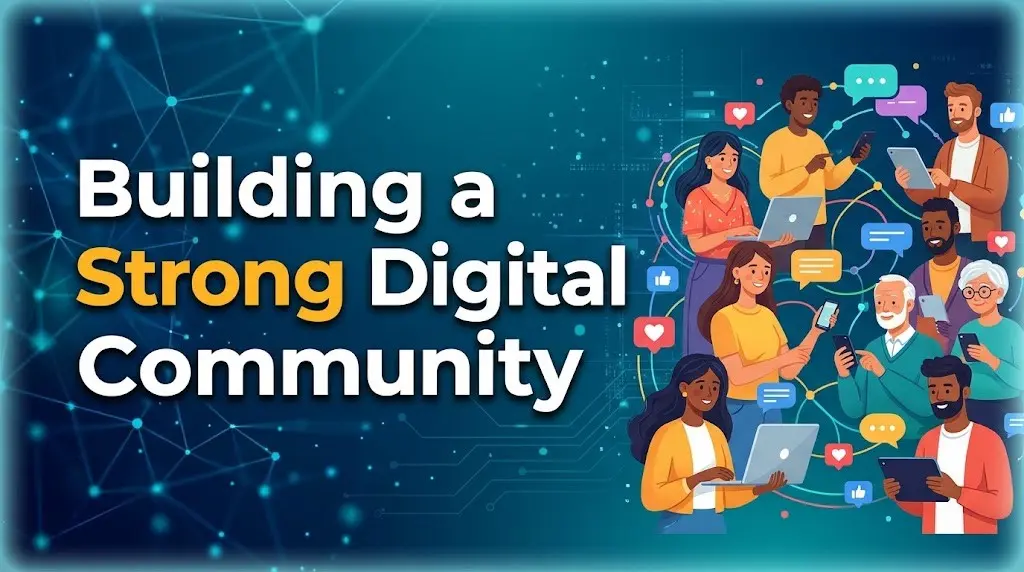 A digital community brings people together around shared interests, professional goals, products, or experiences. For businesses, developing such a community creates opportunities for ongoing communication beyond individual transactions. A well-managed community encourages members to exchange ideas, ask questions, and participate in discussions, helping businesses establish stronger relationships with customers and industry audiences.
Creating Meaningful Connections With Customers
Meaningful connections develop when businesses communicate in ways that reflect their customers’ needs and interests. Instead of focusing exclusively on promotions, companies can share educational resources, answer common questions, discuss industry developments, and invite feedback. These activities make social networking more valuable to audiences.
Businesses should also maintain a consistent brand voice and respond respectfully to different perspectives. Personal and relevant communication helps customers feel acknowledged rather than treated as anonymous followers. Over time, these interactions can strengthen trust, encourage repeat engagement, and create a more recognizable brand identity.
Encouraging Community Participation
An active digital community depends on participation from its members. Businesses can encourage involvement by asking thoughtful questions, inviting suggestions, sharing useful experiences, and creating discussions around topics that matter to their audiences.
Participation should feel natural rather than forced. Organizations should avoid relying exclusively on repetitive promotional messages or engagement requests. Recognizing valuable contributions and responding constructively to feedback can motivate members to continue participating. A supportive environment makes the community more useful for both customers and the business.
Improving Audience Engagement Through Social Networking
Audience engagement reflects how people interact with a business’s content and communication activities. Meaningful engagement can include thoughtful comments, questions, content sharing, direct messages, and participation in discussions. Businesses that understand what their audiences value can create more relevant communication and develop stronger relationships across social networking platforms.
Creating Relevant and Valuable Content
Relevant content gives audiences a reason to pay attention and participate. Businesses can publish educational articles, practical tips, product demonstrations, customer stories, and industry insights that address common questions or challenges. Content should provide value before asking audiences to take commercial action.
Understanding audience interests is essential when planning content. Businesses can use feedback, platform analytics, frequently asked questions, and customer conversations to identify useful topics. A consistent publishing schedule can help maintain visibility, while varied content formats allow organizations to communicate information in ways that suit different audience preferences.
Using Interactive Communication Techniques
Interactive communication encourages audiences to become active participants rather than passive content viewers. Polls, question-and-answer sessions, live discussions, and feedback requests can help businesses understand customer opinions while creating opportunities for direct interaction.
The effectiveness of these techniques depends on relevance and follow-through. If a company asks for feedback, it should acknowledge responses and explain how useful suggestions may influence future decisions. Genuine interaction demonstrates that customer opinions matter and can support stronger audience engagement over time.
Strengthening Community Engagement and Customer Relationships
Community engagement involves building ongoing relationships through meaningful participation, responsive communication, and shared experiences. For businesses, it creates opportunities to understand customer concerns, recognize loyal supporters, and maintain dialogue beyond individual purchases. Strong engagement requires consistency, active listening, and a clear commitment to providing value rather than treating every interaction as a sales opportunity.
Responding to Customer Questions and Feedback
Timely, helpful responses show customers that a business takes their concerns seriously. Social networking platforms allow organizations to answer questions, clarify product information, address service problems, and acknowledge customer feedback in accessible ways.
Businesses should establish clear guidelines for response times, tone, and escalation procedures. Simple questions may be answered publicly, while issues involving personal information should be moved to an appropriate private channel. Consistent and respectful communication can help resolve misunderstandings and demonstrate accountability to the wider audience.
Turning Customers Into Brand Advocates
Satisfied customers may recommend a business when they feel that its products, services, and communication consistently meet their expectations. Social networking provides opportunities for customers to share experiences, discuss useful products, and recommend brands within their own networks.
Businesses can support advocacy by providing reliable service, acknowledging genuine customer contributions, and encouraging voluntary feedback. They should never pressure customers into posting positive comments or misrepresent testimonials. Authentic recommendations are more credible and help create a trustworthy digital community around a brand.
Using Social Networking for Internal Business Communication
 Social networking can also improve communication within organizations. Internal collaboration platforms and professional networking tools help employees share information, exchange ideas, and coordinate projects across departments or locations. When implemented appropriately, these tools can support knowledge sharing, strengthen workplace relationships, and make important updates easier to access.
Supporting Team Collaboration and Knowledge Sharing
Employees often need to exchange documents, discuss projects, and obtain information from colleagues in different departments. Internal communication platforms can organize conversations around specific topics, helping teams locate relevant information and coordinate tasks more efficiently.
Businesses should establish clear expectations for platform use, information security, and communication etiquette. Important decisions should be documented in appropriate systems rather than left buried in informal conversations. Combining social communication tools with established project management processes helps maintain clarity and accountability.
Improving Employee Engagement
Employee engagement can improve when team members have opportunities to share ideas, recognize achievements, and participate in workplace discussions. Internal social platforms can help employees remain connected, particularly when teams work remotely or across multiple locations.
Managers should encourage respectful participation and ensure that communication remains inclusive. Employees should also understand which discussions are appropriate for internal platforms and which require formal channels. A balanced approach helps organizations build stronger working relationships without creating unnecessary notifications or communication overload.
Managing Business Reputation Through Social Networking
Social networking influences business reputation because customers can publicly discuss their experiences, ask questions, and share opinions about brands. Businesses that monitor conversations and respond professionally can identify concerns earlier and communicate important information more effectively. Reputation management requires honesty, consistency, and an understanding of how public interactions may influence customer trust.
Monitoring Brand Mentions and Conversations
Monitoring brand mentions helps businesses understand what customers are saying about their products, services, and communication practices. Organizations can use platform notifications, social listening tools, and relevant keyword searches to identify questions, emerging concerns, and industry discussions.
Monitoring should focus on useful insights rather than attempting to control every conversation. Businesses should distinguish between constructive criticism, misinformation, and routine customer questions. An organized monitoring process helps teams identify issues that require attention and respond with relevant information before confusion grows.
Handling Negative Feedback Professionally
Negative feedback can reveal problems that need to be addressed. Businesses should evaluate complaints carefully, acknowledge legitimate concerns, and provide practical next steps. Defensive or dismissive responses may intensify disagreements and damage credibility.
When a complaint involves private customer information, businesses should avoid sharing sensitive details publicly. They can acknowledge the concern and continue the discussion through a suitable private channel. Where criticism identifies a genuine service problem, resolving the underlying issue is more important than simply improving the appearance of the public conversation.
Measuring Social Networking Performance
 Measuring performance helps businesses understand whether social networking activities support their communication and marketing objectives. Tracking relevant metrics provides insight into content effectiveness, audience behavior, customer interactions, and community development. Organizations should evaluate these results regularly and use the findings to improve their strategy rather than focusing exclusively on follower counts or surface-level engagement.
Tracking Meaningful Engagement Metrics
Useful metrics include comments, shares, meaningful replies, direct inquiries, link clicks, audience growth, and response times. Businesses should select measurements that reflect their specific goals. For example, a company focused on customer support may prioritize response speed and resolution quality, while a brand-building campaign may emphasize relevant reach and content sharing.
Metrics should be interpreted in context. A post with fewer interactions may still generate valuable leads or answer an important customer question. Combining platform analytics with website data and customer feedback helps businesses understand how social networking contributes to broader business outcomes.
Improving Strategies Through Data
Performance analysis helps businesses identify content formats, topics, and communication approaches that resonate with their audiences. Organizations can compare results across platforms, review audience feedback, and test different publishing schedules to discover useful patterns.
Continuous improvement should be based on reliable evidence rather than short-term fluctuations. Businesses should also review whether their communication remains aligned with customer expectations and brand values. By refining content and engagement practices over time, organizations can improve efficiency and build more effective social networking strategies.
Conclusion
Social networking has transformed modern business communication by making interactions more immediate, accessible, and collaborative. Businesses can use these platforms to strengthen customer relationships, develop a digital community, improve audience engagement, and support internal collaboration. Successful communication depends on choosing relevant platforms, publishing valuable content, responding thoughtfully, and maintaining a consistent brand presence.
Community engagement also helps organizations understand customer expectations and build trust through meaningful participation. By monitoring performance and adapting their strategies to audience needs, businesses can turn social networking into a valuable communication resource that supports reputation, customer loyalty, and long-term growth.
Frequently Asked Questions
1. What Is Social Networking in Business Communication?
Social networking in business communication involves using digital platforms to share information, interact with customers, connect with professionals, and maintain relationships. It supports both external communication and selected internal collaboration activities.
2. Why Is Social Networking Important for Businesses?
Social networking helps businesses reach relevant audiences, communicate updates, answer customer questions, and strengthen brand awareness. It also provides opportunities to gather feedback and build ongoing relationships with customers and professional communities.
3. How Does Social Networking Improve Audience Engagement?
It improves audience engagement by enabling interactive discussions, relevant content sharing, direct responses, and customer participation. Businesses can strengthen engagement by understanding audience interests and providing consistent value.
4. What Is a Digital Community?
A digital community is a group of people who interact online around shared interests, goals, products, or experiences. Businesses can develop these communities to encourage discussion, share knowledge, and strengthen customer relationships.
5. What Is the Difference Between Audience Engagement and Community Engagement?
Audience engagement focuses on how people interact with a brand’s content and communications. Community engagement emphasizes ongoing participation, shared experiences, and relationships among members and the organization.
6. Which Social Networking Platforms Are Best for Businesses?
The best platform depends on the target audience and communication goals. LinkedIn is useful for professional networking, while Facebook and Instagram can support customer interaction, visual storytelling, and community development.
7. How Can Businesses Build an Active Digital Community?
Businesses can build an active digital community by sharing useful content, encouraging meaningful discussions, responding to questions, and recognizing genuine contributions. Consistent participation and clear community guidelines also help maintain a supportive environment.
8. How Can Social Networking Improve Customer Relationships?
Social networking allows businesses to respond to questions, collect feedback, provide updates, and communicate directly with customers. Consistent and respectful interactions can strengthen trust and encourage longer-term relationships.
9. How Should Businesses Measure Social Networking Success?
Businesses can evaluate engagement quality, relevant reach, website visits, customer inquiries, response times, and conversions. The most useful metrics depend on whether the primary objective is awareness, customer support, community development, or sales.
10. What Are the Main Challenges of Social Networking in Business Communication?
Common challenges include negative feedback, privacy concerns, inconsistent messaging, information overload, and the time required to manage interactions. Clear communication policies, appropriate monitoring, and consistent customer service can help businesses address these challenges.