
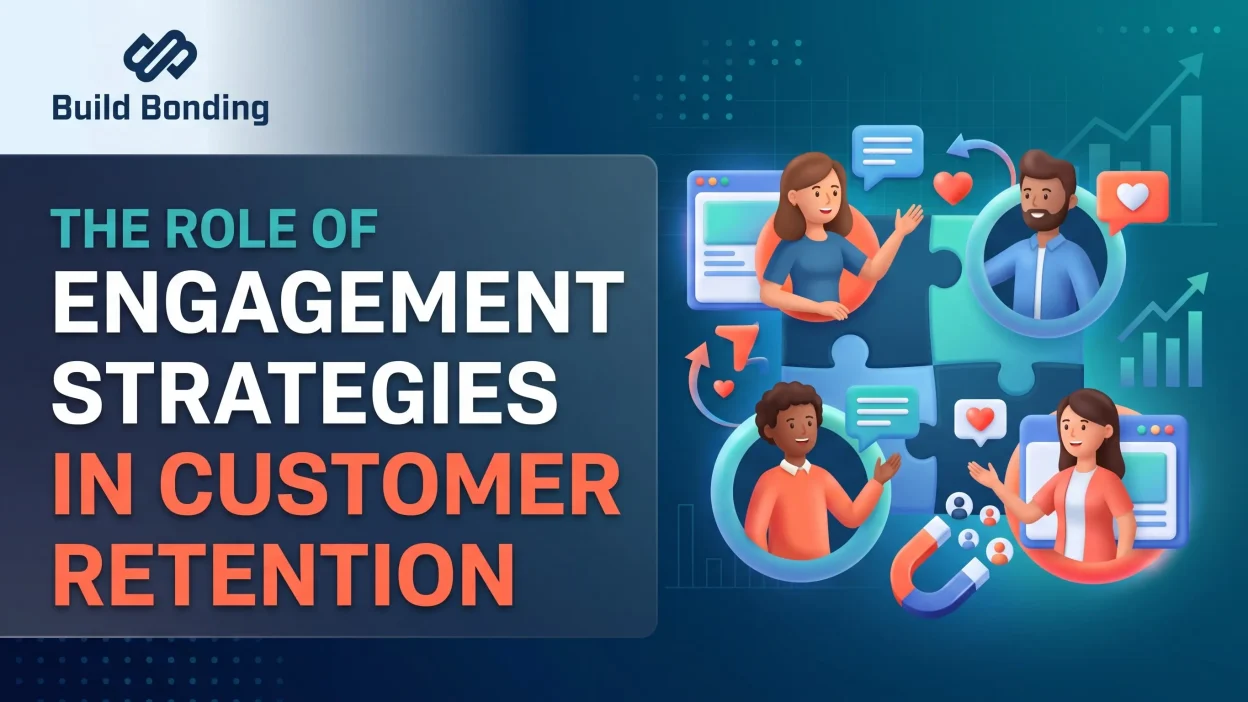
Engagement strategies play an important role in customer retention by helping businesses build meaningful relationships, maintain regular communication, and deliver consistent value. Attracting new customers is important for business growth, but retaining existing customers can create long-term stability and encourage repeat purchases. When customers feel heard, appreciated, and connected to a brand, they have more reasons to continue choosing its products or services.
Modern businesses can strengthen customer relationships through personalized communication, responsive customer support, loyalty initiatives, and active online communities. Effective Social media community activities, professional Community management, and consistent Online community building can help customers interact with brands and connect with people who share similar interests. By understanding customer needs and creating valuable interactions across digital channels, businesses can improve satisfaction, strengthen trust, and develop a loyal customer base that supports sustainable growth.
Understanding Engagement Strategies in Customer Retention
Engagement strategies are planned activities that encourage customers to interact with a business, participate in its community, and maintain an ongoing relationship with its brand. These strategies may include helpful content, personalized messages, customer feedback programs, social media discussions, loyalty rewards, and responsive support. Their purpose is to make customers feel that their relationship with a business offers value beyond a single transaction.
Customer retention focuses on encouraging existing customers to continue purchasing, renewing subscriptions, or using a service over time. Engagement supports this objective by keeping the brand relevant and helping customers receive value throughout their relationship with the company. When businesses consistently deliver useful experiences, customers may develop greater confidence and become less likely to switch to competing providers.
Why Customer Engagement Matters
Customers often remain loyal to businesses that understand their needs and respond consistently. Positive interactions help create familiarity, while timely assistance and relevant information demonstrate that a company values its customers. These experiences can strengthen emotional connections and increase satisfaction.
Engagement also gives businesses opportunities to identify problems before they lead to customer loss. By monitoring feedback, participation, and support requests, companies can recognize changing expectations and improve their services. This makes customer engagement a practical part of a broader retention strategy.
How Personalized Communication Strengthens Customer Loyalty
 Personalized communication helps businesses deliver messages that match individual customer interests, preferences, and previous interactions. Rather than sending the same information to everyone, companies can tailor communications according to relevant customer needs. This makes interactions more useful and helps customers feel recognized throughout their relationship with a brand.
Delivering Relevant Messages
Businesses can personalize emails, product recommendations, service updates, and educational content based on appropriate customer information. For example, an online store may share product care advice after a purchase, while a software company may send tutorials that help customers use specific features more effectively.
Relevant communication demonstrates that a business understands its audience. However, personalization should remain helpful and respectful. Companies should collect only necessary information, follow applicable privacy requirements, and allow customers to manage their communication preferences.
Maintaining Consistent Communication
Regular communication helps businesses remain connected with customers between purchases. Newsletters, useful announcements, product updates, and helpful resources can maintain interest without overwhelming recipients.
Consistency matters more than sending messages frequently. Businesses should choose communication schedules that reflect customer expectations and the value of the information being shared. When messages are relevant and well-timed, they can reinforce trust and encourage customers to remain engaged with the brand.
The Role of Social Media Community in Customer Retention
A Social media community creates opportunities for customers to interact with a brand and communicate with other people who share similar interests. Platforms such as Facebook, Instagram, LinkedIn, and other relevant social networks allow businesses to share useful information, respond to questions, and encourage conversations around their products or services.
Encouraging Meaningful Conversations
Businesses can encourage discussions by asking relevant questions, inviting customer experiences, sharing practical tips, and responding thoughtfully to comments. These interactions help transform social media from a broadcasting channel into a space where customers can participate.
Meaningful conversations also help businesses understand customer expectations. Questions about product features, service quality, and common challenges can reveal opportunities to improve the customer experience. When customers receive genuine responses, they may feel more comfortable maintaining their relationship with the brand.
Recognizing and Appreciating Customers
Acknowledging customer contributions can strengthen the sense of connection within a Social media community. Businesses can thank customers for thoughtful feedback, highlight genuine customer stories with permission, or celebrate community milestones.
Recognition should be authentic rather than purely promotional. Customers are more likely to appreciate interactions that show genuine interest in their experiences. By creating a welcoming environment, businesses can encourage continued participation and strengthen the relationships that support customer retention.
Why Community Management Is Essential for Long-Term Engagement
Community management involves maintaining a healthy, helpful, and organized environment where customers can interact with a brand and with one another. Effective Community management includes responding to questions, moderating discussions, resolving conflicts, sharing relevant information, and ensuring that participants understand community guidelines. These responsibilities help create a reliable experience that encourages customers to return.
Responding to Questions and Feedback
Customers expect businesses to acknowledge questions and concerns within a reasonable period. Timely responses show that the company values customer time and takes its responsibilities seriously. Even when an issue cannot be resolved immediately, explaining the next steps can help manage expectations.
Community managers should respond with accurate information and a respectful tone. They should also recognize when a question requires support from another department. Coordinated responses reduce confusion and help customers feel supported throughout their relationship with the business.
Creating a Safe and Helpful Environment
A well-managed community needs clear expectations for participation. Guidelines should explain acceptable behaviour, how disagreements are handled, and what content may be removed. Consistent moderation can reduce spam, harassment, misleading information, and disruptive behaviour.
A safe environment encourages customers to ask questions and share experiences without unnecessary concern. When businesses protect constructive discussions and treat participants fairly, they can build stronger relationships and create a community that supports long-term customer satisfaction.
How Online Community Building Creates a Sense of Belonging
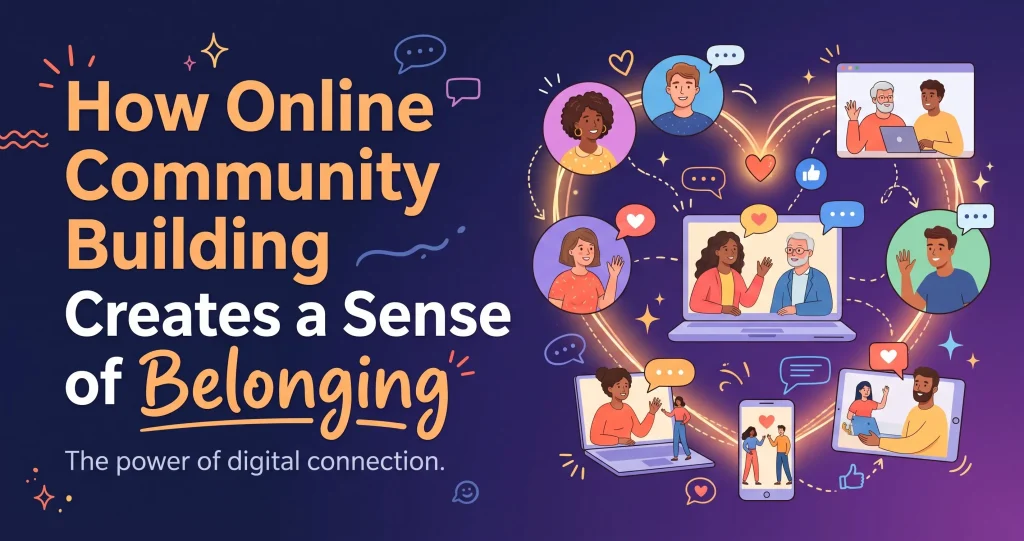 Online community building helps businesses create digital spaces where customers can exchange knowledge, discuss shared interests, and support one another. These communities may take the form of customer forums, private social groups, membership platforms, discussion boards, or dedicated online spaces. When participants receive genuine value from the community, their connection may extend beyond individual purchases.
Providing Valuable Community Content
A successful community offers content that helps members solve problems or achieve their goals. Businesses can provide tutorials, expert discussions, practical guides, product demonstrations, and opportunities to ask questions. Content should reflect the interests of the audience rather than focusing exclusively on sales messages.
For example, a digital marketing company might create a community where members discuss search optimization, content planning, and campaign performance. Members who regularly learn from these discussions may develop stronger connections with both the community and the business supporting it.
Encouraging Member Participation
Community participation increases when members feel that their contributions matter. Businesses can invite experienced customers to share advice, encourage discussions between members, and create opportunities for users to suggest improvements.
Participation should remain voluntary and inclusive. Recognizing helpful contributions, responding to suggestions, and showing how feedback influences decisions can encourage members to return. Over time, these interactions can create a stronger sense of belonging that supports customer loyalty.
Using Customer Feedback to Improve Engagement Strategies
Customer feedback helps businesses understand whether their engagement activities are meeting customer expectations. Surveys, support conversations, community discussions, product reviews, and interviews can reveal what customers appreciate and where they experience difficulties. This information allows companies to improve their communication and address issues that could otherwise weaken customer relationships.
Identifying Customer Needs
Businesses should look for recurring themes in customer feedback rather than treating every comment as an isolated event. Repeated questions about a product feature may indicate that instructions need improvement, while complaints about response times may reveal a customer support problem.
Understanding these patterns helps companies prioritize meaningful changes. Customer feedback can also uncover opportunities for new content, improved services, or better community experiences. When businesses respond to real needs, their engagement activities become more useful and relevant.
Closing the Feedback Loop
Collecting feedback is only the first step. Businesses should communicate what they learned, explain which improvements they plan to make, and provide updates when changes are implemented. This process demonstrates that customer opinions can influence business decisions.
Not every suggestion can be adopted, but respectful explanations help maintain trust. Closing the feedback loop also encourages customers to continue sharing their experiences because they can see that the business takes their contributions seriously.
How Loyalty Programs Support Customer Retention
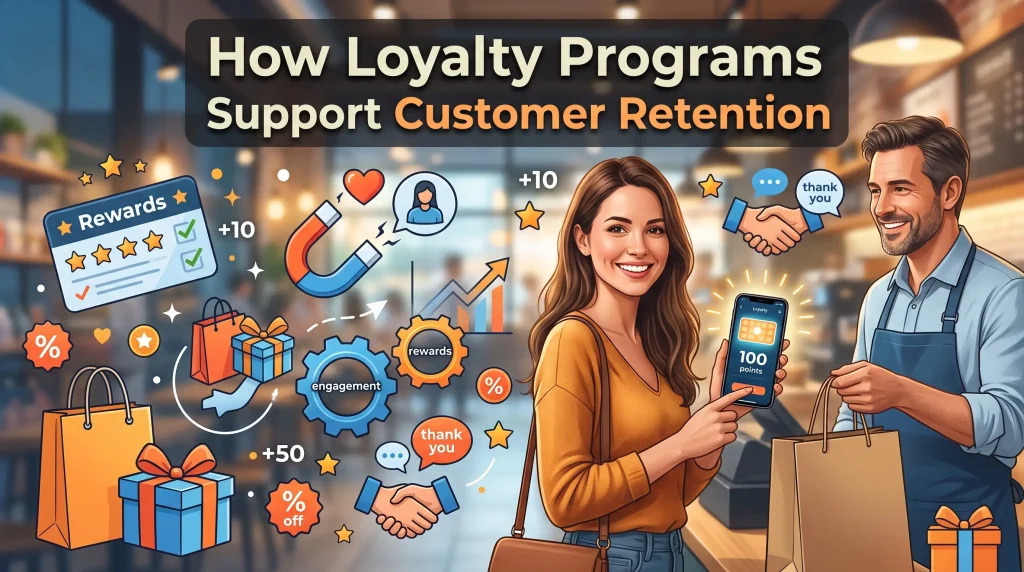 Loyalty programs encourage repeat engagement by recognizing customers for continued purchases, participation, or other qualifying activities. Depending on the business model, programs may offer points, exclusive benefits, membership privileges, early access, or personalized rewards. When designed around customer needs, these initiatives can give customers additional reasons to maintain their relationship with a brand.
Offering Meaningful Rewards
Rewards should provide genuine value to the intended audience. A retailer might offer points toward future purchases, while a subscription service could provide access to premium features or exclusive educational resources. Benefits should be clear, achievable, and easy to understand.
Businesses should avoid overly complicated conditions that make rewards difficult to use. Transparent rules and reliable reward delivery help customers trust the program. Meaningful benefits can reinforce positive experiences and encourage continued engagement.
Connecting Loyalty Programs With Community Activities
Loyalty initiatives can work alongside community participation when businesses recognize helpful contributions and encourage knowledge sharing. For example, a brand may invite loyal customers to product feedback sessions or offer members early access to relevant educational events.
These activities can deepen relationships beyond financial incentives. However, businesses should distinguish genuine community participation from purchases and avoid making customers feel pressured to contribute. A balanced approach can support both engagement and retention.
Measuring the Success of Customer Engagement Strategies
Measuring engagement helps businesses understand which activities contribute to stronger customer relationships. Useful indicators may include repeat purchase rate, customer retention rate, churn rate, community participation, email click-through rate, customer satisfaction, and customer lifetime value. The most relevant metrics depend on the company’s business model and retention objectives.
Tracking Engagement and Retention Metrics
Businesses should examine engagement metrics alongside actual customer outcomes. A social media post may receive many comments without influencing repeat purchases, while a smaller community discussion may provide substantial value to existing customers.
Comparing customer retention before and after an initiative can help identify potential improvements, although other factors may influence the results. Segmenting data by customer group, subscription type, or purchase history can also reveal which engagement activities work best for different audiences.
Improving Strategies Through Continuous Testing
Customer expectations change over time, so engagement strategies should be reviewed regularly. Businesses can test communication frequency, community formats, educational content, and loyalty benefits to identify approaches that customers find most useful.
Combining performance data with customer feedback provides a more complete understanding of results. Continuous improvement helps businesses avoid ineffective activities and focus on interactions that build trust, deliver value, and encourage long-term relationships.
Conclusion
Engagement strategies play a vital role in customer retention by helping businesses maintain meaningful communication, respond to customer needs, and create experiences that encourage loyalty. Personalized messaging, active Social media community participation, effective Community management, and consistent Online community building can make customers feel connected to a brand beyond individual transactions.
Businesses can strengthen these relationships by listening to feedback, offering valuable content, recognizing customer contributions, and measuring engagement outcomes. The most effective approach prioritizes genuine value rather than constant promotion. When customers feel supported and appreciated, businesses have better opportunities to improve satisfaction, encourage repeat purchases, and develop lasting relationships that contribute to sustainable growth.
Frequently Asked Questions (FAQs)
1. What Are Engagement Strategies in Customer Retention?
Engagement strategies are planned activities that help businesses maintain customer relationships through communication, useful content, community participation, customer support, and loyalty initiatives. Their purpose is to encourage continued interaction and repeat business.
2. How Do Engagement Strategies Improve Customer Retention?
They improve retention by helping customers feel valued, informed, and supported. Consistent communication, helpful experiences, and responsive service can strengthen trust and give customers more reasons to continue choosing a business.
3. What Is a Social Media Community?
A Social media community is a group of people who interact around a shared brand, interest, product, or topic on social platforms. It gives customers opportunities to exchange ideas, ask questions, and connect with a business.
4. Why Is Community Management Important?
Community management helps maintain constructive discussions, answer questions, moderate harmful content, and support member participation. Effective management creates a more welcoming environment and helps businesses maintain stronger customer relationships.
5. How Does Online Community Building Support Customer Loyalty?
Online community building creates opportunities for customers to learn, share experiences, and support one another. When members consistently receive value and feel a sense of belonging, they may develop stronger connections with the brand.
6. How Can Businesses Personalize Customer Engagement?
Businesses can personalize engagement through relevant email messages, useful product recommendations, tailored educational content, and communication based on customer preferences. Personalization should respect privacy and avoid excessive or intrusive messaging.
7. Can Social Media Engagement Increase Repeat Purchases?
Social media engagement can support repeat purchases by maintaining brand awareness, answering customer questions, and strengthening relationships. However, results depend on product quality, customer satisfaction, relevance, and the overall buying experience.
8. Which Metrics Measure Customer Engagement?
Common metrics include community participation, email click-through rate, customer satisfaction, repeat purchase rate, retention rate, churn rate, and customer lifetime value. Businesses should choose metrics that align with their objectives.
9. How Often Should Businesses Communicate With Customers?
Communication frequency depends on customer preferences, the type of business, and the value of each message. Businesses should maintain a consistent schedule without overwhelming customers with irrelevant emails, notifications, or promotional content.
10. What Is the Best Way to Build Long-Term Customer Relationships?
The best approach combines reliable products or services, responsive support, relevant communication, useful community experiences, and continuous improvement based on feedback. Consistently delivering value helps businesses earn customer trust and encourage long-term loyalty.