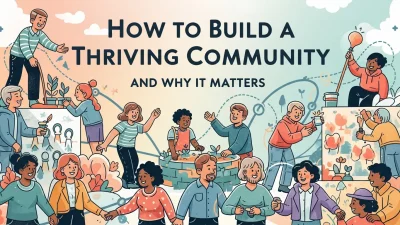


In today’s competitive business environment, building strong relationships is just as important as offering quality products and services. Businesses need effective ways to connect with potential customers, industry professionals, and other organizations. Community Networking provides an opportunity to develop meaningful relationships, increase brand awareness, and create long-term business opportunities. By participating in relevant communities, companies can introduce their expertise, understand customer needs, and establish credibility within their industries.
Modern consumers often trust recommendations and personal experiences more than traditional advertisements. This makes community participation an important part of business development. Whether through professional networking events, online forums, industry groups, or social media platforms, businesses can connect with people who share similar interests and goals.
A well-planned networking strategy can also support Online audience growth, encourage Member engagement, and strengthen a company’s Social media community. When businesses consistently provide value and maintain genuine relationships, they can expand their reach and develop a loyal audience.
Understanding the Importance of Community Networking
Community networking involves building professional and personal relationships with individuals, businesses, organizations, and groups that share common interests. It allows companies to communicate directly with their target audiences while creating opportunities for collaboration, referrals, and business development.
Unlike traditional advertising, networking focuses on establishing trust through regular communication and meaningful interactions. Businesses can become recognizable members of their communities by sharing knowledge, answering questions, and participating in relevant discussions.
Building Strong Business Relationships
Strong relationships create opportunities that may not be available through traditional marketing channels. When business owners connect with industry professionals, customers, and potential partners, they can develop relationships that support long-term growth.
Consistent communication helps businesses understand different perspectives and identify opportunities for collaboration. These connections can eventually lead to partnerships, referrals, and customer recommendations.
Increasing Brand Recognition
Active participation in communities helps businesses become more familiar to potential customers. Sharing useful information, participating in discussions, and supporting community initiatives can improve brand recognition.
When people repeatedly encounter a business providing helpful insights, they are more likely to remember its name and consider its services when a relevant need arises.
Using Online Communities to Reach New Audiences
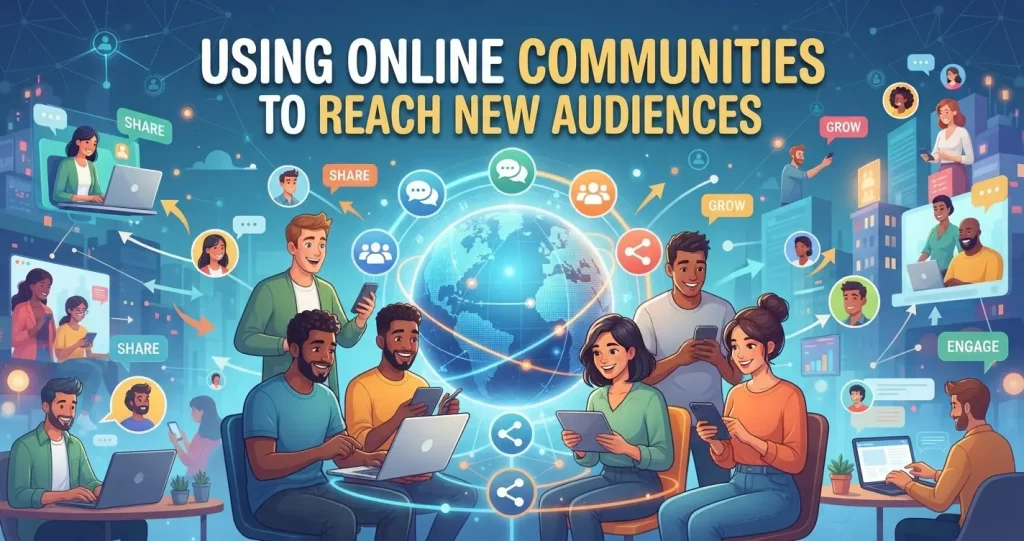 Online communities provide businesses with opportunities to connect with people beyond their geographical locations. Professional groups, discussion forums, online networks, and social platforms allow companies to introduce their products and expertise to audiences with specific interests.
These communities can become valuable channels for attracting potential customers and establishing industry authority. Businesses should focus on participating in relevant discussions instead of using every interaction as a direct sales opportunity.
Identifying the Right Online Communities
Choosing the right communities is essential for achieving meaningful networking results. Businesses should identify groups where their target customers, industry professionals, and potential partners actively participate.
For example, a software development company can join technology communities, while a digital marketing agency can participate in SEO, branding, and marketing groups. Relevant communities increase the chances of reaching people who are genuinely interested in the company’s services.
Supporting Online Audience Growth
A strong community presence can contribute to Online audience growth by introducing a brand to people who may not discover it through traditional marketing.
Businesses can attract new audiences by publishing educational content, answering industry questions, sharing practical experiences, and participating in discussions. When community members find this information useful, they may follow the business, visit its website, or share its content with others.
Strengthening Customer Relationships Through Engagement
Community networking is not limited to finding new customers. It also helps businesses maintain relationships with existing customers and encourage ongoing participation.
Customers who feel valued are more likely to interact with a brand, recommend its services, and remain connected over time. Businesses should therefore prioritize meaningful communication rather than focusing exclusively on promotional activities.
Improving Member Engagement
Member engagement refers to the level of participation and interaction within a community. Businesses can improve engagement by responding to questions, encouraging discussions, sharing useful resources, and recognizing valuable contributions.
For example, a company can organize online discussions where customers share their experiences or ask industry-related questions. These activities create opportunities for direct communication and help businesses understand what their audiences expect. Consistent interaction also makes community members feel included and appreciated.
Creating Two-Way Communication
Successful networking requires communication in both directions. Businesses should not only publish information but also listen to customer opinions, suggestions, and concerns.
Responding to feedback demonstrates that a company values its audience. It also provides useful information about customer expectations, service quality, and potential improvements.
Building a Strong Social Media Community
 Social media platforms have transformed how businesses develop relationships with their audiences. Companies can use Facebook, LinkedIn, Instagram, and other platforms to create communities around their brands, industries, products, and services.
A well-managed social presence makes it easier to communicate with customers, share updates, and encourage discussions. Businesses that consistently provide relevant information can develop stronger relationships with their followers.
Developing a Valuable Social Media Community
A successful Social media community should offer more than promotional posts. It should provide an environment where followers can learn, communicate, exchange experiences, and participate in meaningful conversations.
Businesses can publish educational content, customer stories, industry updates, behind-the-scenes information, and interactive questions. These activities encourage followers to participate instead of passively viewing content. The goal should be to create a community where people receive value from being connected to the brand.
Choosing Suitable Social Platforms
Different social platforms serve different networking purposes. LinkedIn is particularly useful for professional connections, industry discussions, and business partnerships. Facebook can support customer groups and community discussions, while Instagram helps businesses communicate through visual content.
Companies should select platforms based on their target audiences, communication goals, and available resources. Maintaining a few active platforms is often more effective than creating accounts everywhere without a consistent strategy.
Participating in Networking Events and Local Activities
Although online networking is important, face-to-face interactions remain valuable for developing professional relationships. Business conferences, workshops, trade shows, seminars, and local community events allow companies to communicate directly with potential customers and industry professionals. These activities create opportunities to introduce business services, exchange ideas, and establish personal connections.
Attending Industry Events
Industry events bring together professionals who share similar interests and business objectives. Participating in these events helps companies understand market developments, discover new opportunities, and build relationships with relevant organizations.
Business representatives can introduce their services, discuss industry challenges, and learn from experienced professionals. Maintaining contact after an event can help turn initial conversations into meaningful business relationships.
Supporting Local Communities
Businesses can expand their local visibility by supporting community programs, educational activities, charity initiatives, and local events. Participating in these activities demonstrates social responsibility and helps companies build positive relationships with residents and local organizations. Such involvement can also improve brand recognition among people who may become future customers.
Using Content Marketing to Strengthen Community Connections
Content marketing provides an effective way to support community networking. Educational articles, informative videos, industry reports, and practical guides give businesses opportunities to share knowledge while encouraging audience participation.
When companies consistently publish relevant content, they can establish themselves as useful information sources within their communities.
Sharing Educational and Informative Content
Businesses should create content that addresses common questions, industry challenges, and customer interests. For example, a digital marketing agency can publish SEO tutorials, website optimization guides, and social media marketing strategies. Educational content helps audiences understand complicated topics while demonstrating the company’s knowledge and experience. Sharing this content in relevant communities can also introduce the brand to potential customers without relying entirely on direct advertising.
Encouraging Community Discussions
Content becomes more valuable when it encourages conversations. Businesses can ask questions, invite opinions, request feedback, and encourage members to share their experiences.
These discussions help companies understand audience interests and identify future content opportunities. They also encourage community members to interact with one another, creating stronger connections within the group.
Developing Strategic Partnerships Through Networking
Community networking can help businesses identify organizations and professionals with complementary services. These relationships create opportunities to reach new audiences, exchange expertise, and develop mutually beneficial partnerships. Strategic partnerships can be particularly valuable for small businesses that want to increase visibility without investing heavily in traditional advertising.
Identifying Potential Business Partners
Businesses should look for organizations that serve similar audiences without directly competing for the same customers. For example, a web development agency could collaborate with a digital marketing company, while a photography business could build relationships with event planners. Such partnerships allow both companies to introduce their services to relevant audiences.
Creating Collaborative Opportunities
Collaboration can take different forms, including joint webinars, educational events, guest articles, interviews, and co-created social media campaigns. These activities help businesses combine their expertise and reach people who may not already follow their brands.
Successful partnerships depend on shared objectives, clear communication, and mutual benefits. Maintaining these relationships can create opportunities for continued growth.
Measuring the Success of Community Networking
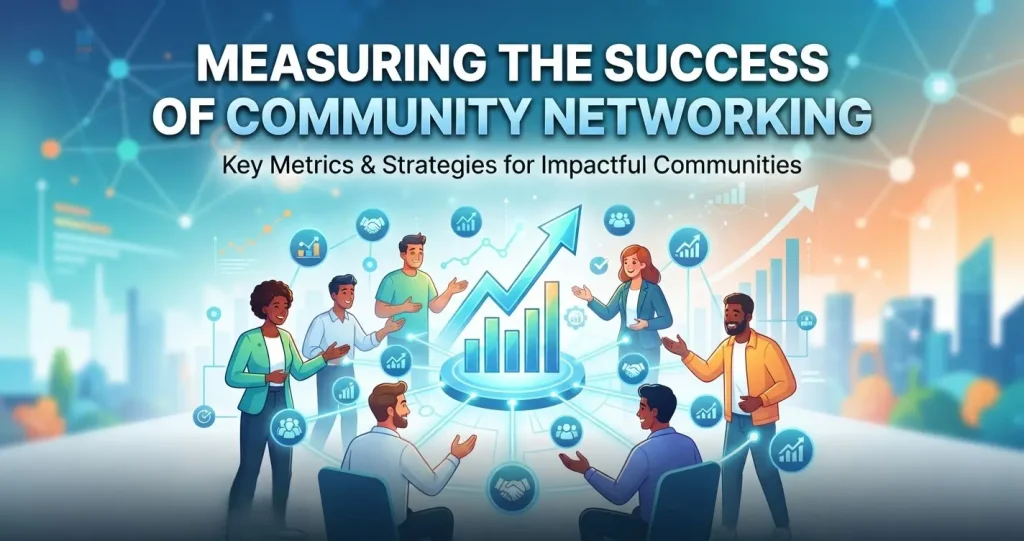 Businesses need to evaluate their networking activities to understand whether their efforts are producing meaningful results. Measuring performance helps companies identify successful strategies, improve engagement, and allocate resources more effectively. Rather than focusing only on follower counts, businesses should evaluate relationship quality and actual business outcomes.
Tracking Audience and Engagement Growth
Companies can monitor changes in community membership, social media followers, content interactions, comments, shares, and website visits. These indicators help identify whether networking activities are attracting relevant audiences and encouraging participation.
However, engagement quality is equally important. A smaller community with active and interested members may provide more business value than a larger audience with limited interaction.
Evaluating Leads and Business Opportunities
Businesses should also measure how many inquiries, referrals, partnerships, and sales opportunities come from community networking. Tracking referral sources and customer acquisition channels can help companies understand which communities generate the most valuable connections. Regular performance reviews allow businesses to improve their strategies and focus on activities that support long-term objectives.
Common Community Networking Mistakes Businesses Should Avoid
Although community networking offers several growth opportunities, businesses can struggle when they approach it without a clear strategy. One common mistake is focusing exclusively on selling products and services. Communities are built around relationships and shared interests, so excessive promotional content can discourage participation.
Another problem is inconsistent communication. Joining several groups without actively participating can make a business appear uninterested in building genuine connections. Businesses should also avoid ignoring customer feedback or responding negatively to criticism. Respectful communication helps maintain trust, even when conversations involve complaints or disagreements. Finally, companies should avoid measuring success through vanity metrics alone. Meaningful relationships, qualified leads, referrals, and customer retention provide a clearer picture of networking performance.
Building a Long-Term Community Networking Strategy
A successful networking strategy requires consistency, patience, and a clear understanding of business objectives. Companies should identify their target audiences, select relevant communities, and establish a regular participation schedule. Businesses can begin by focusing on a few relevant online groups and professional networks. As their relationships develop, they can gradually expand into industry events, collaborative projects, and local community initiatives.
Maintaining communication with existing connections is equally important. Following up after meetings, responding to messages, sharing relevant resources, and recognizing community contributions can strengthen professional relationships. Over time, these activities create a network of people who recognize the business, understand its expertise, and may recommend its services. By prioritizing genuine relationships and consistent value, businesses can turn community networking into a sustainable growth strategy.
Conclusion
Community networking is an effective way for businesses to expand their reach, improve brand visibility, and develop meaningful professional relationships. Through online communities, social media participation, networking events, content marketing, and strategic partnerships, companies can connect with relevant audiences and discover new growth opportunities.
Success depends on providing value, maintaining consistent communication, and encouraging genuine participation. Businesses that prioritize relationships over immediate sales can build stronger communities and establish lasting customer trust. By combining Online audience growth, Member engagement, and a well-developed Social media community, organizations can create a sustainable networking strategy that supports long-term business development.
Frequently Asked Questions (FAQs)
1. What is community networking in business?
Community networking is the process of building relationships with customers, professionals, organizations, and groups that share common interests. It helps businesses improve visibility, develop partnerships, and discover new opportunities.
2. How does community networking help businesses grow?
It helps businesses reach new audiences, generate referrals, build customer trust, and establish professional relationships. These connections can create opportunities for partnerships, customer acquisition, and long-term growth.
3. Why is community networking important for small businesses?
Community networking allows small businesses to increase brand awareness and connect with potential customers without depending entirely on expensive advertising campaigns. It also creates opportunities to learn from other professionals.
4. Which platforms are best for online community networking?
LinkedIn, Facebook, Instagram, and relevant industry forums are useful platforms. The best choice depends on the target audience, industry, and business networking objectives.
5. How can businesses improve member engagement?
Businesses can improve member engagement by sharing valuable content, responding to questions, organizing discussions, collecting feedback, and encouraging members to share their experiences.
6. What is the role of social media in community networking?
Social media helps businesses communicate with audiences, share updates, build relationships, and encourage discussions. It also provides opportunities to introduce brands to new potential customers.
7. How can community networking generate business leads?
Businesses can generate leads by participating in relevant discussions, answering customer questions, sharing educational resources, and developing relationships with potential customers and referral partners.
8. How often should businesses participate in networking activities?
Businesses should participate consistently according to their resources and objectives. Regular weekly interactions, content sharing, and follow-ups can help maintain relationships and improve community visibility.
9. How can businesses measure community networking success?
Businesses can measure success through community growth, engagement rates, website traffic, qualified leads, referrals, partnership opportunities, and customer conversions.
10. Can community networking support long-term business growth?
Yes. Consistent networking helps businesses develop trust, maintain customer relationships, build partnerships, and establish industry recognition. These benefits can support sustainable growth over time.