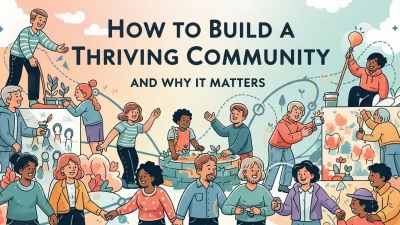


A digital community brings people together around shared interests, experiences, goals, or relationships with a brand. Unlike a traditional audience that mainly receives content, community members can participate, communicate, share opinions, and build connections with one another. This ongoing interaction can strengthen trust, encourage meaningful engagement, and create stronger relationships between businesses and their audiences.
For brands, creating a community is no longer limited to maintaining social media profiles or publishing regular content. Effective online community building requires a clear purpose, consistent communication, valuable experiences, and opportunities for members to participate. When people feel that they belong to something meaningful, they are more likely to remain engaged and develop positive associations with a brand.
What Is a Digital Community?
A digital community is an online group of people connected by a common interest, purpose, brand, product, profession, or experience. Members interact through digital platforms such as social networks, forums, private groups, community websites, messaging platforms, or dedicated membership spaces.
The main difference between an audience and a community is participation. An audience may consume content without interacting, while community members have opportunities to contribute, communicate, ask questions, provide feedback, and support each other.
The Role of Shared Interests
Shared interests give a community its foundation. People are more likely to participate when they recognize common goals or experiences among other members. For example, a fitness brand might create a community where customers discuss training routines, progress, nutrition, and personal goals.
These shared interests create conversations that extend beyond promotional messages. As members exchange ideas and experiences, the community can become a valuable source of information and connection.
Community Versus Traditional Audience
A traditional audience generally follows a one-to-many communication model. The brand publishes content, and followers consume it. A digital community creates a more interactive environment where communication can happen between the brand and members as well as among members themselves.
This difference matters because participation can create stronger emotional connections. Instead of simply remembering a company, members can associate the brand with conversations, relationships, knowledge, and experiences.
Why Digital Communities Matter for Brands
 Digital communities can provide brands with an environment where long-term relationships develop through repeated interactions. Instead of depending entirely on advertising to attract attention, businesses can create spaces where customers continuously engage with useful content and with one another.
Community-based relationships can also help businesses understand customer expectations. Discussions, questions, feedback, and shared experiences may reveal what customers value, what problems they encounter, and what information they need.
Building Trust Through Interaction
Trust develops gradually through consistent and meaningful interactions. When brands respond to questions, acknowledge feedback, and provide useful information without constantly pushing sales messages, members can develop greater confidence in the organization.
Community members can also contribute to trust by sharing their own experiences. Customer discussions, recommendations, and practical advice may make the community feel more authentic than purely promotional communication.
Creating Long-Term Relationships
A successful community gives customers reasons to return even when they are not making an immediate purchase. Educational content, discussions, events, challenges, product conversations, and member recognition can keep people involved.
Repeated positive interactions can strengthen the relationship between customers and brands. Over time, community participation can become part of the customer experience rather than simply another marketing channel.
How Online Community Building Supports Engagement
Effective online community building focuses on creating an environment where people feel comfortable participating. A community needs more than a platform; it needs a clear purpose, useful content, active moderation, and opportunities for members to contribute.
Businesses should understand why their target audience would want to join and what value members can receive from participating. This value might include education, networking, exclusive resources, peer support, entertainment, or direct access to brand representatives.
Define a Clear Community Purpose
A clear purpose helps members understand what the community represents. A business should determine whether the community is designed for education, customer support, professional networking, product discussions, shared interests, or another specific objective.
When the purpose is clear, content and activities become easier to organize. Members also have a better understanding of what types of discussions and contributions are appropriate.
Encourage Two-Way Communication
Two-way communication turns passive followers into active participants. Brands can ask questions, request opinions, create discussion topics, conduct polls, and encourage members to share experiences.
However, communication should not always come from the business. Members should have opportunities to respond to each other, start discussions, and contribute useful information. This creates a more natural community environment.
Strategies for Sustainable Community Growth
Sustainable community growth depends on attracting relevant members while maintaining meaningful engagement among existing participants. Simply increasing the number of members does not necessarily create a successful community. Quality, participation, and relevance are equally important.
A growing community should remain useful and welcoming as membership increases. Businesses need systems for content planning, moderation, member support, and feedback so that the experience does not become less personal as the group expands.
Create Valuable Content
Content provides a reason for members to participate. Educational guides, expert discussions, tutorials, industry insights, questions, live sessions, and member stories can generate conversations.
The most effective content is usually connected to the interests and needs of the community. Instead of publishing only product-focused material, brands can create content that helps members solve problems or achieve their goals.
Recognize Active Members
Recognition can encourage continued participation. Brands can highlight helpful contributors, celebrate milestones, feature member stories, or create opportunities for experienced participants to support newcomers.
Recognition does not always need to involve financial rewards. Public appreciation and meaningful involvement can make members feel that their contributions are noticed and valued.
Make Joining Easy
Complicated registration processes can discourage potential members. Businesses should make access straightforward while clearly communicating what people can expect after joining.
The onboarding experience should introduce community guidelines, important resources, discussion areas, and opportunities for participation. A clear beginning can help new members become comfortable more quickly.
Building a Strong Brand Community
 A brand community connects customers around a shared relationship with a company, product, service, or brand identity. It can become an important part of customer experience because members interact with both the business and other customers.
Strong brand communities are not created simply by adding a logo to an online group. Members need genuine reasons to participate and should feel that the community offers value beyond advertisements.
Encourage Customer Contributions
Customers can become valuable contributors when brands give them space to share experiences, ideas, questions, and recommendations. User-generated content can make community conversations more diverse and authentic.
Customer contributions can also help potential buyers understand how products or services are used in real situations. This creates an additional layer of information that brand-created content may not provide on its own.
Develop a Shared Identity
A shared identity helps members recognize what connects them. This identity can be based on interests, goals, values, professional experiences, or a common customer journey.
Brands can strengthen this identity through community traditions, events, recurring discussions, member stories, and shared terminology. The goal is to create belonging without making participation feel forced.
Turning Engagement Into Brand Loyalty
Engagement becomes more valuable when it contributes to a lasting relationship. A digital community can support this process by giving customers repeated opportunities to interact with the brand and with people who share similar interests.
Brand loyalty is influenced by multiple factors, including customer experience, product value, trust, service quality, and emotional connection. Community participation can complement these factors by creating additional positive touchpoints.
Deliver Consistent Community Experiences
Consistency helps maintain trust. Brands should establish predictable communication standards, respond to members appropriately, and maintain clear community guidelines.
A consistent experience does not mean every interaction needs to be identical. Instead, members should understand what they can expect from the community and how the brand will participate.
Provide Exclusive Value
Exclusive resources can give members an additional reason to remain active. Early information, educational sessions, expert access, community events, special resources, or member-only discussions can make participation more meaningful.
The value should be relevant to the community rather than existing only to encourage purchases. When members consistently receive useful experiences, continued participation becomes more natural.
Measuring Digital Community Performance
Measuring a digital community requires more than counting members. A large community can have low participation, while a smaller community may generate highly meaningful discussions and strong customer relationships.
Businesses should combine quantitative and qualitative measurements to understand how the community is performing. Useful indicators can include active members, engagement rates, discussion participation, returning members, content contributions, response rates, and member feedback.
Track Engagement Quality
Engagement quality can be evaluated by examining the depth and usefulness of conversations. Comments that provide detailed experiences or help another member may be more valuable than simple reactions.
Businesses can monitor recurring discussions, frequently asked questions, member-generated content, and conversations that generate meaningful participation. These insights can help improve future community activities.
Monitor Retention and Participation
Retention shows whether members continue returning to the community over time. Participation patterns can reveal whether members remain active or gradually lose interest.
Businesses can compare new-member activity with long-term participation to identify potential engagement problems. If members join but rarely participate after onboarding, the community experience may need improvement.
Common Digital Community Challenges
Building a successful community can involve challenges. Low engagement, excessive promotion, unclear guidelines, inactive members, negative interactions, and inconsistent moderation can reduce the quality of the experience.
Businesses should treat these issues as ongoing community-management considerations rather than one-time problems. Regular monitoring can help identify problems before they significantly affect member participation.
Avoid Excessive Promotion
A community that constantly pushes products can quickly feel like an advertising channel. Members may become less willing to participate if every conversation leads to a sales message.
Promotional content can have a place, but it should be balanced with education, discussion, entertainment, customer support, and member-focused activities.
Maintain Healthy Discussions
Clear community guidelines can establish expectations for respectful communication. Moderation should address spam, harassment, misinformation, or disruptive behavior while allowing genuine disagreement and useful discussion.
A healthy environment encourages members to share ideas without feeling that every conversation is controlled by the brand.
The Future of Digital Community Building
 Digital communities are becoming increasingly connected to broader customer experiences. Businesses can use communities to support education, customer service, product feedback, advocacy, networking, and relationship development.
As digital channels continue to evolve, community strategies may become more personalized and interactive. However, technology alone cannot create meaningful relationships. The fundamental principles remain useful: understand members, provide value, encourage participation, and build trust consistently.
Creating Sustainable Relationships
Long-term community success depends on relationships rather than short-term activity. Businesses should focus on creating experiences that remain useful as members’ needs change.
A community that continuously adapts to member interests can maintain relevance over time. Listening to members and using their feedback can help brands improve both community experiences and broader customer interactions.
Conclusion
A digital community can transform the relationship between a brand and its audience by creating opportunities for participation, connection, and shared experiences. Through thoughtful online community building, businesses can encourage meaningful conversations instead of relying only on one-way communication.
Sustainable community growth requires relevant content, clear purpose, consistent moderation, and genuine member value. At the same time, a strong brand community can strengthen customer relationships by giving people a place to exchange ideas and connect around shared interests. When engagement is supported by trust and consistent value, communities can become an important part of a brand’s long-term relationship strategy. The goal is not simply to create a larger audience, but to create an environment where people have meaningful reasons to participate and remain connected.
Frequently Asked Questions
1. What is a digital community?
A digital community is an online group of people connected by shared interests, goals, experiences, products, services, or brands. Members can communicate, share information, participate in discussions, and build relationships through digital platforms.
2. Why is a digital community important for businesses?
A digital community can help businesses develop stronger relationships with customers. It creates opportunities for ongoing communication, customer feedback, educational content, peer interaction, and engagement beyond individual purchases.
3. How does a digital community increase engagement?
A digital community increases engagement by giving members opportunities to participate rather than simply consume content. Discussions, questions, events, polls, challenges, and member-generated content can encourage more active participation.
4. What is online community building?
Online community building is the process of creating and managing a digital space where people can connect around shared interests, goals, or relationships with a brand. It involves strategy, content, communication, moderation, and member engagement.
5. How can brands achieve community growth?
Brands can support community growth by creating valuable content, improving onboarding, encouraging member contributions, recognizing active participants, promoting the community through relevant channels, and consistently providing reasons for people to participate.
6. What is a brand community?
A brand community is a group of customers or supporters connected by a shared relationship with a particular brand, product, service, or identity. Members can interact with the brand and with other members.
7. Can a digital community improve brand loyalty?
A digital community can contribute to brand loyalty by creating repeated positive interactions, trust, shared experiences, and additional value. However, loyalty also depends on factors such as product quality, customer service, pricing, and overall customer experience.
8. What type of content works well in a digital community?
Educational resources, discussion questions, tutorials, expert insights, member stories, live sessions, polls, challenges, and user-generated content can work well. The most appropriate content depends on the community’s purpose and member interests.
9. How should businesses measure community success?
Businesses can monitor active members, engagement rates, discussion participation, returning members, member contributions, retention, feedback, and other relevant indicators. Qualitative feedback can complement numerical metrics by showing why members participate or disengage.
10. What is the biggest mistake when building a digital community?
One common mistake is treating the community primarily as a promotional channel. Members generally need meaningful value, useful discussions, and opportunities to participate. Excessive sales messaging can reduce engagement and weaken the community experience.